
September 22nd, 2025
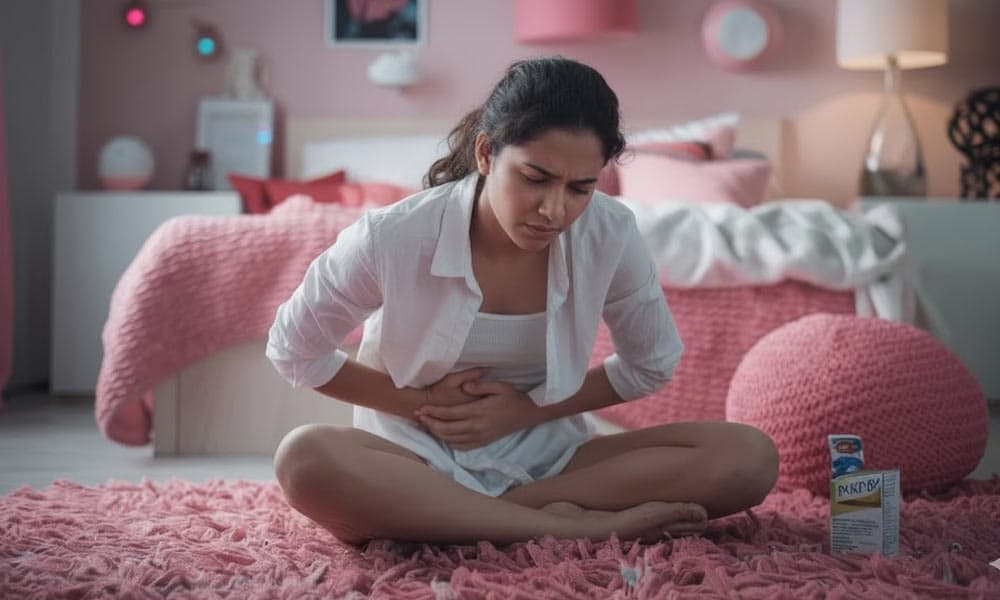
Are painful periods normal? Should a healthy period be painful? There’s been plenty of questions circling the mention of painful periods and fertility issues. Period pain is a condition that can affect people from their early teens through menopause. You are more likely to experience period pain if your mother did.
Most women feel discomfort during periods, especially on their first day. Teenage people frequently experience period cramps. However, as you get older, if the discomfort gets worse, there may be an underlying issue. Such pains are indicative of a problem with the womb or other pelvic organs, which may ultimately compromise your ability to become pregnant.
In this article, we will briefly look into the causes of painful periods, their connection to fertility, and period pain relief tips.
No, painful periods aren't a sign of good fertility. There is no scientific proof that period pain level is a good indicator of fertility. Infertility is not usually indicated by painful periods, but it is also not always the case.
Painful periods don't reveal much about fertility unless you know what is causing the pain. If you have been diagnosed with primary dysmenorrhea, it means there is no recognized illness or infection causing the pain.
Depending on the condition or infection causing the period discomfort, people with secondary dysmenorrhea may have a better awareness of their fertility. Certain medical disorders, like endometriosis, can make it more difficult to conceive, but not impossible.
Any pain associated with the start and length of your period is referred to as menstrual cramps. Dysmenorrhea is the word for severe cramps that interfere with day-to-day functioning. Usually, cramps happen as the uterus contracts to release its lining, and some chemicals cause both difficulty and shedding.
However, cramps might have preventable causes and are not necessarily unavoidable. Severe, delayed-onset, or worsening cramps may be a sign of underlying conditions like:
Endometriosis is the growth of tissue called endometrium outside the uterus that resembles the lining of the uterus. It is a painful disorder in which tissues develop on the bladder, fallopian tubes, uterus, and ovaries. Up to 10% of women between the ages of 15 and 44 have endometriosis. A menstrual cycle does not cause the endometrial tissue growing in these places to shed, leading to inflammation, scarring, and painful cysts.
It is one of the common conditions linked to women’s infertility. Only temporary infertility may result from mild to moderate endometriosis situations. A woman may be able to become pregnant with the assistance of surgery to remove endometrial tissue.
Adenomyosis involves the growth of the endometrium within and inside the uterine muscles. It is entirely different from endometriosis, where the tissue grows outside the uterus and is not the same as fibroids, like a tissue mass.
Its symptoms include painful menstrual cycles, heavy bleeding, painful sexual intercourse, and lower abdomen pressure. Although its effects on fertility are unknown, some research has shown that they could. This condition may pose problems for live birth rates, IVF, and pregnancy. Additionally, it raises the possibility of miscarriage.
Fibroids are benign tumors that grow in or on the uterus, cervix, and other pelvic ligaments. They differ in size and number, and they can be very tiny or huge, so there are single fibroids or multiple ones. Most women who suffer from fibroids are not aware of this condition as they show no symptoms.
It may or may not affect fertility; it depends on the location. It occasionally causes pain during periods and increases the risk of miscarriage.
PID is another major cause of severe menstrual pain. PID is brought on by an infection of the reproductive organs, frequently a sexually transmitted one, that is either poorly or not treated at all. Scar tissue that develops as a result of PID resembles webbing between the uterus, fallopian tubes, and ovaries. The most typical reason for obstructed fallopian tubes is PID.
It will result in ectopic pregnancy, chronic pelvic pain, and a higher risk of miscarriage. PID can result in permanent scarring and fallopian tube obstruction if untreated. The fertilized egg may not be able to enter the uterus through the fallopian tube, which could result in infertility.
A woman's good fertility can be determined by a number of important indicators. Consistent ovulation, cervical mucus, and regular menstrual cycles are some of these.
Age also plays a significant role in fertility, with women under 35 generally having a better chance of becoming pregnant than those over 35.
Period pains, or dysmenorrhea, typically happen in young women and girls in their teens at the beginning of menstruation. A chemical called prostaglandin causes menstrual cramps. They cause the uterine muscles to contract, aiding in the removal of the uterine lining. Inducing delivery and labor contractions are two other functions of prostaglandins.
If the levels of prostaglandins increase, it can trigger intense uterine contractions, causing oxygen to cut off temporarily to the parts of the muscle leading to painful periods.
Primary dysmenorrhea is period cramps caused by the regular activity of prostaglandins, which won’t negatively impact fertility. Secondary dysmenorrhoea is period cramps caused by any disease or abnormalities of the reproductive system that adversely affect the fertility rate.
The following are some ways to combat period pain.
It is best to talk with an expert about symptoms to understand your reproductive system better. Experts with decades of experience provide customized treatments for all the treatments mentioned here. Visit our fertility center and embrace the path to parenthood.

Dr. Kavitha Lakshmi Easwaran is a senior gynaecologist with over 28 years of experience, known for her patient-centric approach, clinical expertise, and commitment to supporting women’s health at every stage of life.
Regular antenatal care helps monitor the health of both mother and baby, identify potential concerns early, and prepare for a safer delivery with month-by-month guidance.
Read MoreUnderstand the complete pregnancy ultrasound scan timeline, including dating scans, NT scans, anomaly scans, and growth Doppler scans for expecting mothers.
Read MoreLearn what routine screenings, pelvic exams, Pap smears, ultrasound, and hormone tests are recommended during a comprehensive women's wellness checkup.
Read More