September 14th, 2025
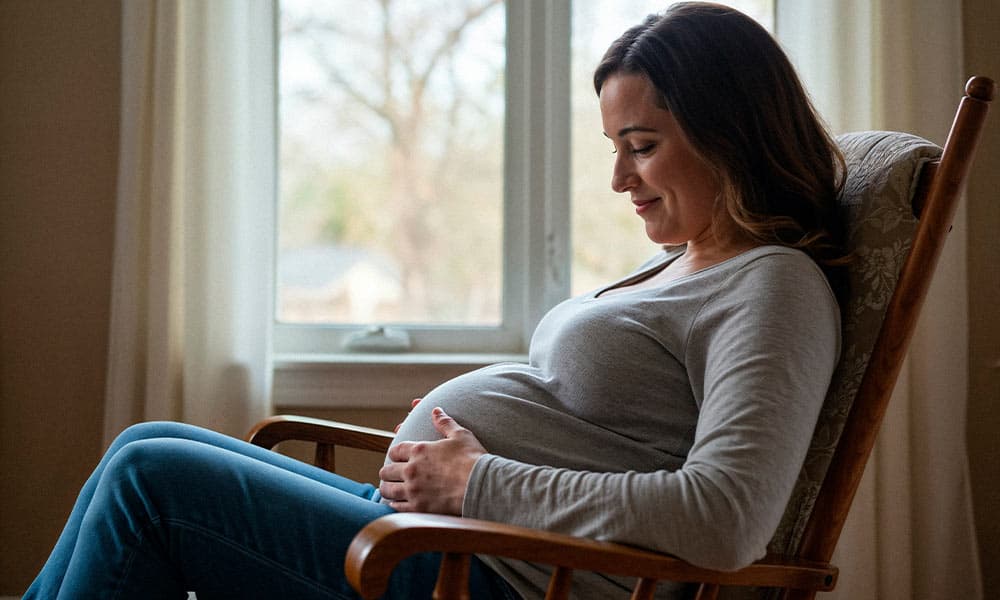
If you have PCOS, the best age to become pregnant is in your late 20s to early 30s. Fertility typically begins to decline around age 32 and accelerates after age 37.
If you have PCOS, the age you decide to try for a child might have an impact on both your pregnancy health and success rate. Women with PCOS have a three-fold higher probability of miscarriage compared to those without the condition.
According to research, it is usually easier to conceive before the age of 35 because fertility naturally decreases with age.
Women in their 20s are typically more likely to become pregnant within a year of trying. Age is one of the most important factors to consider while trying to get pregnant. As women age, fertility normally decreases, and this effect is particularly noticeable for those who have PCOS.
Pregnancy becomes more challenging as women age because both the number and quality of eggs decrease. This decrease in fertility might create further difficulties for women with PCOS, who may already have irregular cycles.
The best age to become pregnant with PCOS is believed to be in your late 20s and early 30s. However, fertility differs from person to person, and there is no one-size-fits-all solution.
Experts advise women with PCOS to try to conceive as early as possible. According to a survey, 58.3% of participants got pregnant on their own, showing that women with PCOS can conceive naturally.
As you age, your reproductive system ages along with you. Both the number and quality of eggs decrease over time. Women in their 20s generally have a higher chance of conceiving naturally.
Around age 35, fertility starts to decline noticeably, and by age 40, the decline becomes more significant. Fertility challenges are much more severe for women in their 40s.
Hormonal fluctuations with age can cause irregular ovulation, making conception more difficult.
• Irregular Ovulation: PCOS can cause inconsistent or absent ovulation, making it difficult to identify fertile days.
• Impact of Insulin Resistance: Elevated insulin levels can disrupt ovarian function and hinder ovulation.
• Trouble Conceiving: Without regular ovulation, there may not be an egg available for fertilization.
• Hormonal Changes: PCOS often leads to higher androgen levels, which further interfere with ovulation and fertility.
Most women with PCOS can get pregnant naturally, though some may require medications or assisted treatments.
Ovulation induction medications like letrozole and clomiphene citrate are commonly used, with success rates of about 22% per cycle. Nearly 80% of women with PCOS taking clomiphene citrate were able to ovulate, according to studies.
If medications are not effective, IVF (In Vitro Fertilization) may be recommended. IVF success rates for women with PCOS range from 20% to 40%, while IUI success rates range from 10% to 20%.
Dealing with PCOS while trying to conceive can feel overwhelming, but you don’t have to face it alone. At Sai Speciality Center, we understand the unique fertility challenges faced by women with PCOS. As one of Bangalore’s leading fertility clinics, we provide expert care to help you achieve a healthy pregnancy.
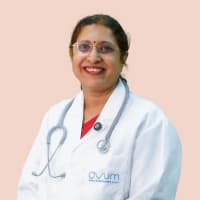
Dr. Kavitha Lakshmi Easwaran is a senior gynaecologist with over 28 years of experience, known for her patient-centric approach, clinical expertise, and commitment to supporting women’s health at every stage of life.
Regular antenatal care helps monitor the health of both mother and baby, identify potential concerns early, and prepare for a safer delivery with month-by-month guidance.
Read MoreUnderstand the complete pregnancy ultrasound scan timeline, including dating scans, NT scans, anomaly scans, and growth Doppler scans for expecting mothers.
Read MoreLearn what routine screenings, pelvic exams, Pap smears, ultrasound, and hormone tests are recommended during a comprehensive women's wellness checkup.
Read More