
September 12th, 2025
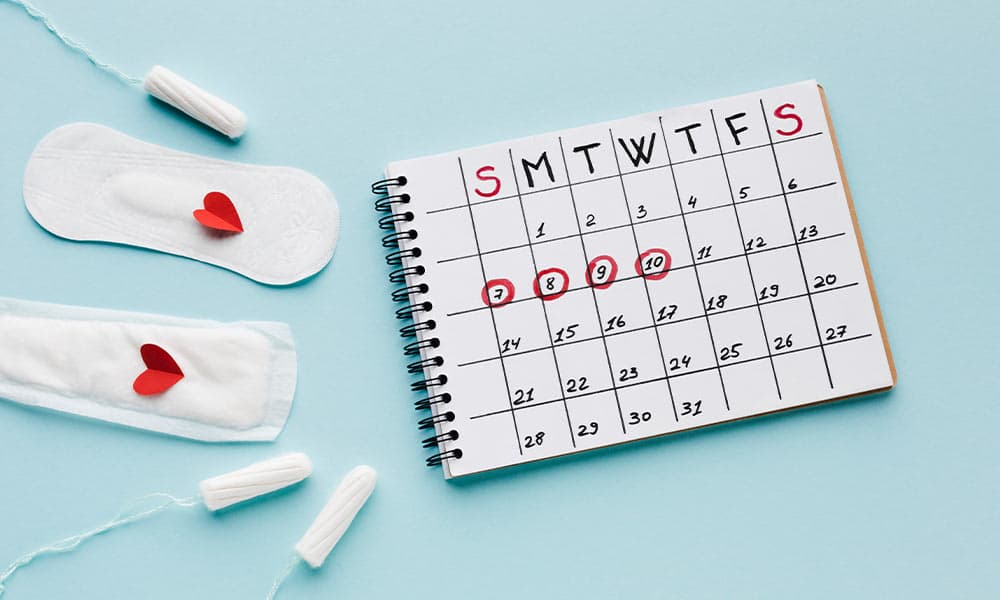
The average menstrual cycle is 28 days long but can range from 24 to 38 days. If your cycle is shorter or you bleed unexpectedly between periods, you might wonder, “why am I getting 2 periods in one month?” Sometimes, it’s normal. Other times, it may point to a health issue that needs medical attention.
This blog will explore potential causes, when it’s normal, and when to consult a doctor.
Irregular periods are normal during the teenage years as the body adjusts to changes. Some may have two periods in a month, while others might go months without one. These are normal changes that come with growing up.
A typical menstrual cycle lasts between 21 and 35 days, with an average of 28 days. If your cycle is consistently 21–24 days, you may get two periods in one month. This is one of the most common short menstrual cycles.
• When to see a doctor: If your periods are very heavy or come more often than every 21 days.
For example, a woman with a 21-day cycle might have her first period on the 1st of the month and another on the 22nd.
Hormones like estrogen and progesterone help control your period. If these hormones are unbalanced, you might have irregular or frequent periods. Conditions like stress, PCOS, thyroid issues, or even lifestyle changes may contribute.
• Symptoms: Irregular timing, mid-cycle spotting, mood swings
• See a doctor if: You skip months, bleed heavily, or spot between periods
For instance, a person who rapidly loses weight due to a crash diet may notice changes in their cycle, including more frequent bleeding.
Hormonal contraceptives, including birth control pills, IUDs, patches, and implants, can cause spotting or irregular bleeding. Some women may bleed if they miss a pill, while others have light bleeding in the first few months of using a new birth control.
• Usually stabilizes within 1–3 cycles
• Talk to your doctor if: Bleeding continues beyond that
For example, a woman starting a new birth control pill might notice an additional period-like bleed in the same month due to her body adjusting to the hormones.
Long-term stress can affect the brain's control over hormones, leading to changes in the menstrual cycle. High stress may cause periods to come more often, be delayed, or skip. Lack of sleep, excessive exercise, or caffeine or alcohol can also affect the cycle.
The thyroid gland regulates metabolism and hormone levels. Hypothyroidism may cause menstrual cycles to become heavier and more frequent, while hyperthyroidism can lead to lighter and less frequent periods.
• Tests: TSH, T3, T4
• See a doctor if: You have weight changes, fatigue, or anxiety
For example, a woman with undiagnosed hypothyroidism might have heavy bleeding twice a month.
PCOS is a hormone problem that affects ovulation, causing irregular periods. Some women with PCOS may have frequent periods, while others may go a long time without one.
• Watch for: Acne, weight gain, facial hair
• Alert: Two irregular cycles close together, or skipped periods
Perimenopause is the time when your body starts changing before reaching menopause.
• Typical signs: Sudden temperature changes, mood swings, cycle shortening
• Consult your gynecologist if: You're under 45 and bleeding irregularly
Fibroids and polyps are non-cancerous growths in the uterus that can cause heavy and irregular bleeding.
• Symptoms: Heavy bleeding, clotting, pelvic pressure
• See a doctor if: You notice unusually heavy periods or pass large clots
Pelvic inflammatory disease (PID) and sexually transmitted infections (STIs) can cause unusual bleeding.
• Symptoms: Unusual spotting, foul-smelling discharge, pain during intercourse
• See a doctor if: Pain, fever, or prolonged bleeding that doesn't stop
Endometriosis occurs when tissue similar to the uterine lining grows outside the uterus, leading to pain and irregular bleeding.
• Symptoms: Severe pelvic pain, heavy bleeding, pain during sex
Extreme physical exercise can affect hormone levels, causing irregular periods or two periods in one month.
Some medicines like antidepressants and steroids can affect hormone levels and menstrual cycles.
Yes, sometimes. Especially if your cycle is naturally short or you're experiencing perimenopausal changes. But if it keeps happening, it might be due to stress, hormone changes, birth control, or health issues.
• Heavy bleeding (soaking a pad/tampon in less than 2 hours)
• Severe pain or cramping
• Periods lasting longer than 7 days
• Periods coming every 14–21 days
• Large clots or dizziness
• Anemia
• Trouble getting pregnant
• Unusual uterine growth
• Difficulty tracking ovulation
• Emotional stress
• Lifestyle changes like eating iron-rich foods, reducing stress, and tracking cycles
• Medical treatments such as birth control, iron supplements, hormone therapy, or surgery if needed
There are several causes for getting two periods in a month, but most of the time, it’s due to hormonal changes. Tracking your cycle and living a healthy lifestyle can help manage symptoms.
If you’re concerned about changes in your menstrual cycle, contact us, the best gynaecology hospital in Bangalore, for personalized treatment.

Dr. Kavitha Lakshmi Easwaran is a senior gynaecologist with over 28 years of experience, known for her patient-centric approach, clinical expertise, and commitment to supporting women’s health at every stage of life.
Regular antenatal care helps monitor the health of both mother and baby, identify potential concerns early, and prepare for a safer delivery with month-by-month guidance.
Read MoreUnderstand the complete pregnancy ultrasound scan timeline, including dating scans, NT scans, anomaly scans, and growth Doppler scans for expecting mothers.
Read MoreLearn what routine screenings, pelvic exams, Pap smears, ultrasound, and hormone tests are recommended during a comprehensive women's wellness checkup.
Read More