
September 12th, 2025
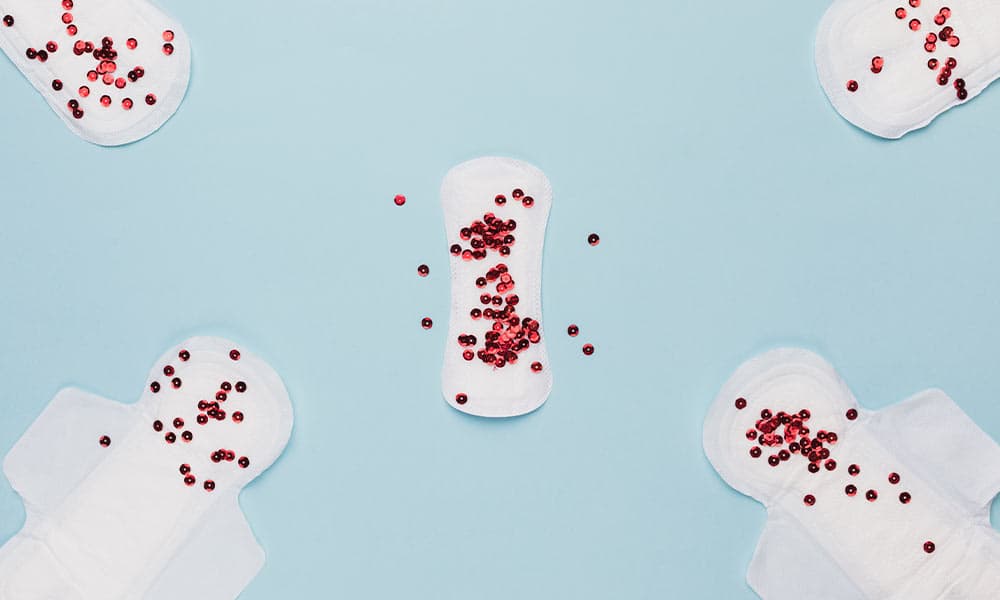
It is normal to have blood clots during periods. But if the clots are large and happen often, it might mean there's an underlying health problem.
Blood clots are most common during the first few days of your period when bleeding is heaviest. While some clotting is normal, it's important to know when it could be a sign of a health issue.
This blog post covers what period blood clots are, what causes them, and when you should see a doctor.
Period blood clots are gel-like masses of blood and tissue that are passed during menstruation. They form when the body sheds the uterine lining and the blood pools slightly in the uterus before being expelled.
Clotting is a natural process meant to prevent excessive bleeding. However, the appearance and frequency of these clots can provide clues about your menstrual and reproductive health.
People often search for “period blood clots pictures normal” or “big period blood clots pictures” to compare their own experiences. Here's what you need to know about appearance:
• Small clots less than the size of a grape or coin are generally normal, especially on heavier flow days.
• Large clots, particularly those larger than a quarter (about 1 inch or more), may indicate an underlying issue, such as fibroids or hormonal imbalances.
• Bright red clots are usually fresh blood and often occur at the start of your period.
• Dark red or brownish clots are older blood that has had time to oxidize; this is also normal, especially toward the end of your period.
• Most women describe clots as jelly-like or gelatinous, with a slightly slippery or stringy consistency.
• If the clots appear to contain a lot of tissue-like material, it’s important to monitor and seek medical advice.
• Occasional clots, especially during the first two days of a heavy period, are expected.
• Frequent or excessive clotting, especially with heavy bleeding or pain, may signal a problem.
Yes, period blood clots are usually normal, especially during the first few days of heavy flow. Most people get small blood clots during their period, and it's usually nothing to worry about.
According to some sources, clots are very common, but if they are larger than the size of a coin and occur frequently with symptoms like prolonged bleeding, it may indicate conditions like fibroids, endometriosis, or hormonal imbalances.
Bright red clots appear early in the cycle. Dark red or maroon clots on heavy days, and brown clots show up later as older blood exits.
Your body releases natural anticoagulants to keep blood flowing, but when bleeding is fast, clots can form before they break down. This is a normal response.
Several factors can cause or worsen the presence of menstrual clots:
• When periods are abnormally heavy, blood pools faster than the body can expel it, increasing clot size and frequency.
• These non-cancerous growths in or on the uterus can interfere with normal uterine contractions, leading to larger blood clots during your period.
• Estrogen and progesterone regulate the thickness of the uterine lining. An imbalance can cause it to grow too thick, resulting in heavier bleeding and more clotting.
• Sometimes, especially early in pregnancy, blood clots may signal a miscarriage. These clots often contain greyish tissue and are different from regular menstrual clots.
• Both conditions involve uterine tissue growing where it shouldn't and often lead to painful periods with frequent clots.
• Rarely, a clotting disorder like von Willebrand disease can make your blood less able to stay fluid, leading to excessive or prolonged clotting.
Yes, in many cases, passing jelly-like blood clots during your period is completely normal, especially during the heaviest flow days. Here is what they look like
• Color: Dark red, maroon, or occasionally brown-black
• Texture: Soft, gelatinous, and slippery
• Surface feel: Sometimes stringy or mixed with mucus from the cervix
• Size: Typically smaller than 1 inch
When your flow is heavy, blood can pool in the uterus before it exits. The body naturally releases anticoagulants to keep menstrual blood fluid, but when the volume of blood exceeds the anticoagulant capacity, some of it begins to clot.
This results in jelly-like masses of coagulated blood and tissue, commonly noticed when changing pads or using the restroom.
Treatment varies based on the specific cause of clotting. Common approaches include:
• Pills, patches, or IUDs may regulate hormone levels and lighten menstrual flow, reducing clotting.
• Frequent heavy bleeding can result in iron deficiency, and taking supplements can help boost iron levels.
• Drugs like ibuprofen reduce menstrual flow and relieve cramps.
• For severe cases involving fibroids or endometriosis, procedures like endometrial ablation, myomectomy, or hysterectomy may be recommended.
While some clotting is normal, you can reduce its frequency and severity with simple lifestyle changes:
• Stay Hydrated: Drinking enough water keeps blood flowing smoothly and prevents it from thickening.
• Exercise Often: Regular movement improves circulation and balances hormones, reducing clot formation.
• Maintain a Healthy Weight: A healthy weight helps regulate estrogen, preventing excess bleeding and clotting.
• Track Your Cycle: Monitoring your period helps spot unusual clotting patterns or hormonal changes early.
• Avoid Smoking: Smoking thickens blood and disrupts hormones, both of which can increase clotting.
• Eat Nutrient-Rich Foods: A balanced diet supports hormonal health and reduces heavy flow and clotting.
• Manage Stress: Lowering stress keeps your hormones balanced and your cycle more regular.
You should speak with a gynecologist if you experience:
• Clots larger than a quarter, consistently
• Soaking through a pad or tampon every hour
• Periods lasting more than 7 days
• Severe menstrual cramps or pelvic pain
• Foul-smelling clots or discharge
• Clots accompanied by missed periods or suspected pregnancy
Period blood clots are usually a normal part of menstruation, especially when they’re small, infrequent, and jelly-like. But if you’re seeing big period blood clots or noticing changes in frequency, color, or pain level, don’t ignore it.
Contact us, the best gynecology hospital in Bangalore, if you’re concerned. Early diagnosis can make a huge difference in managing your reproductive health.

Dr. Kavitha Lakshmi Easwaran is a senior gynaecologist with over 28 years of experience, known for her patient-centric approach, clinical expertise, and commitment to supporting women’s health at every stage of life.
Regular antenatal care helps monitor the health of both mother and baby, identify potential concerns early, and prepare for a safer delivery with month-by-month guidance.
Read MoreUnderstand the complete pregnancy ultrasound scan timeline, including dating scans, NT scans, anomaly scans, and growth Doppler scans for expecting mothers.
Read MoreLearn what routine screenings, pelvic exams, Pap smears, ultrasound, and hormone tests are recommended during a comprehensive women's wellness checkup.
Read More