
September 15th, 2025
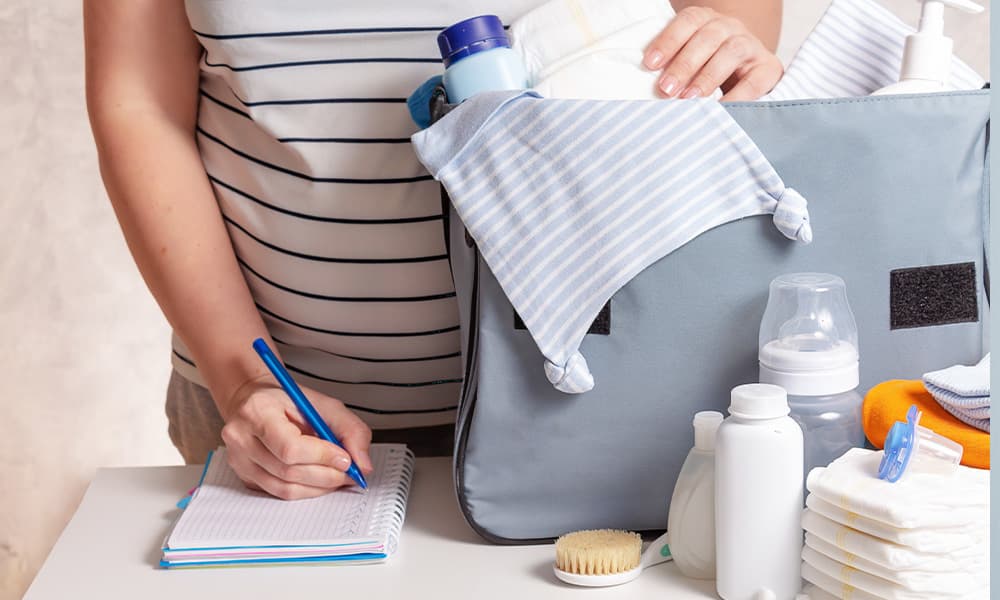
Postpartum can be challenging for every parent, regardless of whether this is their first or third kid. Many soon-to-be parents focus on getting ready for their new baby above all else, frequently ignoring the necessities that aid in a mother's recovery.
There are a lot of things to get ready for, packing the hospital bag, picking the perfect baby name, and much more. But keeping the mother's and the baby's postpartum necessities organized is equally necessary.
We provide a list of postpartum necessities in this article to help you and your child have a comfortable postpartum during this time.
The postpartum phase, the fourth trimester, lasts roughly 12 weeks after the baby is born. Feeling overburdened, worn out, or uncertain about how to care for your child during this time is quite normal. You may get the baby blues, a brief mood shift that normally passes fast, as many new mothers do.
On the other hand, postpartum depression may be indicated if you're experiencing acute or prolonged depression. Remember that you're never alone on this road and that asking for help is a show of strength.
Menstrual pads are essential for controlling bleeding after childbirth and assuring your comfort while you heal. They offer mild cushioning to shield the delicate perineal region from irritation from clothing and are made to withstand different flow volumes.
Tampons and menstruation cups should be avoided during this period as they can raise the risk of infection and other issues.
Try using an ice pack or heating pad to ease pain in your breasts or vagina. Both choices might provide you with much-needed relief during this recuperation period by reducing pain and promoting your healing process.
During your breastfeeding journey, ice packs and heating pads can be quite beneficial. To promote milk flow, you might find it helpful to place a heating pad on your breasts for ten minutes or so before nursing. After nursing, you can use an ice pack to help minimize any swelling that may develop.
A pain reliever is one of the most important things you may use to aid in your recovery. This spray helps relieve any pain or itching you may be feeling by numbing the area, giving you immediate relief.
This spray can be a lifesaver due to its effective numbing properties. Just be sure to select one made especially for postpartum care, and always consult with your doctor to ensure the ingredients are appropriate for your delicate areas.
Regardless of whether you had a C-section or a normal delivery, supportive underwear is a necessary postpartum accessory. These clothes provide your abdominal region with mild compression and support, making you more comfortable while minimizing any discomfort as you heal.
During the first few days following birth, you can wear supportive underwear regularly or anytime you need more support during the day.
Wearing comfortable clothes will help you feel more relaxed and confident during your postpartum recovery. If you're nursing, choose clothing that fits loosely or can be adjusted to make nursing easier. Soft clothing is ideal for C-section recovery.
For a few months, as your body recovers, you'll probably still be dressed in maternity clothes. In the end, pick clothes that make it easy for you to take care of your infant and multitask.
A nursing or breastfeeding bra is essential for new mothers to support them during this period. To facilitate breastfeeding, these bras are made with cups that are simple to open.
Additionally, they adapt to the variations in breast size and form that occur during pregnancy and lactation. Your breasts may feel bloated, sore, or leaky during the first few days, but a supportive and comfy bra will help you feel much better.
Medications, vaginal tears, c-section wounds, a lack of activity, or inadequate hydration frequently bring on constipation following labor. Pharmacies sell stool softeners and suppositories, which can help ease this discomfort. It's important to consult your gynecologist to choose the right option and determine how often to use it.
For a few weeks, many doctors advise using a stool softener every day to avoid straining, which may worsen pain from tears. The majority of stool softeners are acceptable to use while nursing, but make sure to check with your doctor first.
Disposable underwear is necessary for your postpartum healing process. It will assist in controlling excessive bleeding and possible leaks while offering an adequate and comfortable fit.
Note: The key difference between disposable and supportive underwear is that disposable underwear manages postpartum bleeding, while supportive underwear provides abdominal support and promotes pelvic floor recovery.
There are many benefits to breastfeeding. It's a good idea to prepare a few useful items in advance to make breastfeeding easier:
• Nursing bras or tank tops for convenient access
• Nursing pads to stop leakage
• Nipple balm to ease pain
• Breastfeeding tops and covers
• A Nursing Pillow for Comfort
• A Breast Pump for convenience
Burp cloths and bibs will become your go-to necessities as you make your way through your new journey as a parent, particularly during feeding time.
Conversely, bibs will keep your baby's clothing clean, sparing you the trouble of changing clothes frequently and guaranteeing your baby's comfort all day.
During the first few weeks after delivery, your baby will use a lot of diapers, which are necessary to keep your child clean, cozy, and content.
When it comes to wet wipes, choose non-allergenic and fragrance-free ones to prevent irritation.
To keep your infant warm and comfortable after giving birth, you should have light and fluffy blankets.
Like diapers, your baby is going to need a lot of onesies throughout the first few weeks of life because newborns are inevitably messy.
Hand mittens can help shield your baby's sensitive skin from unintentional scratches.
Use soft and breathable clothes for babies including tops, pants, socks, and hats.
A baby thermometer is a tool that every parent needs to monitor their baby's health.
• Empty Bags
• Footwears
• Device Chargers
• Bag of toiletries
• Comfortable maternity clothing
• Box of Tissues
• Constipation
• Changes in hormones
• Hemorrhoids
• Pain from C-section incision
• Tiredness
• Abdominal pain
• Difficulty urinating
• Nipple and breast soreness
• Perineal discomfort
• Vaginal bleeding or discharge
Rest and hydration are essential throughout the first few weeks following delivery. Put your physical and mental well-being first and consult your doctor if something doesn't feel right.

Dr. Kavitha Lakshmi Easwaran is a senior gynaecologist with over 28 years of experience, known for her patient-centric approach, clinical expertise, and commitment to supporting women’s health at every stage of life.
Regular antenatal care helps monitor the health of both mother and baby, identify potential concerns early, and prepare for a safer delivery with month-by-month guidance.
Read MoreUnderstand the complete pregnancy ultrasound scan timeline, including dating scans, NT scans, anomaly scans, and growth Doppler scans for expecting mothers.
Read MoreLearn what routine screenings, pelvic exams, Pap smears, ultrasound, and hormone tests are recommended during a comprehensive women's wellness checkup.
Read More