
September 15th, 2025
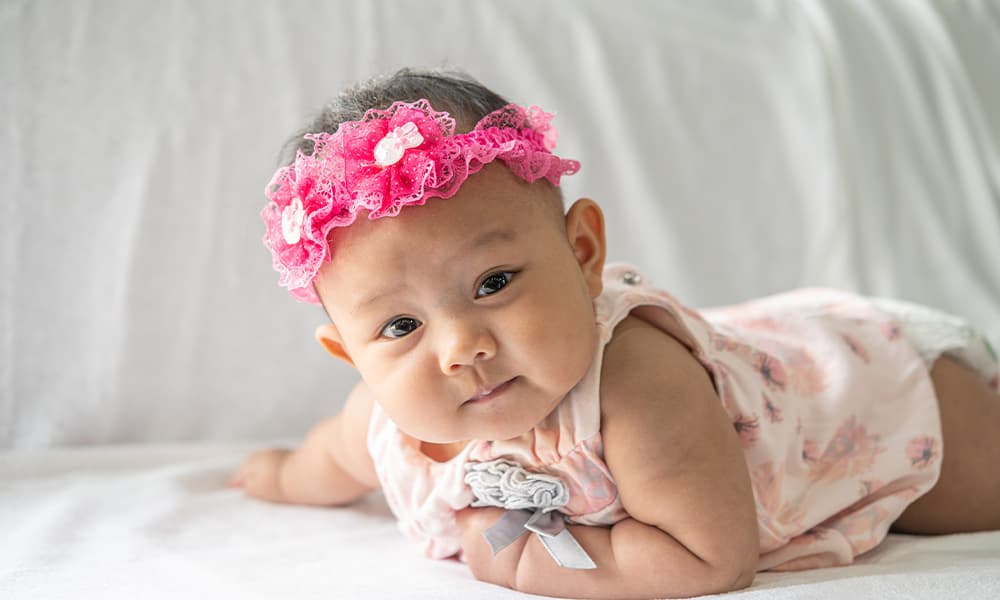
How should a newborn be dressed for bed? Dressing a newborn for varying temperatures can be challenging as it’s vital to ensure their safety and comfort.
As parents, we understand how important it is to provide a secure and comfortable sleeping environment for our children to promote their development and well-being. The secret to creating happy days and restful nights is to dress your infant for sleep.
For a more practical approach, here are some recommendations for dressing your baby for both day and night during the winter and summer seasons.
Babies under 6 months old should not be exposed to direct sunlight since their skin provides very little defence. A single layer of light cotton is perfect for hot days because it is breathable and comfortable to sleep in.
Wear a light shirt or simply a diaper on warm evenings. If your infant kicks off blankets, use a single sheet that is tightly tucked in, making sure it doesn't cover their face.
Always remember to dress your baby in more than one layer of clothing than you do. For instance, dress the baby in a sweater, a sleepsuit, and a jacket or jumper. Your infant is probably cold if you are.
Remove hats and additional clothing when you're indoors if it wakes your infant. This keeps them cozy and prevents overheating.
It should be sufficient to use a lightweight sheet and blanket or a sleepsuit with a sleeping bag. To lower the risk of SIDS, dress your newborn for the cold without overheating them.
Rather than using additional blankets, use an extra layer of clothing in a sleeping bag if your infant feels cold.
Note: In the early days, you will probably have to change your baby's diapers several times during the night. Choose sleepwear with hooks or zippers to help with those sleepy, late-night changes. This will allow you to instantly return to calming your child without having to fumble with difficult buttons.
Babies may overheat if they wear hats, as they release heat through their heads. Additionally, avoid loose clothing like hats, as they can fall off and hide your baby's face, which could make breathing difficult.
Babies may wear a cap during the first few hours after birth to help control their body temperature. Hats, however, are not required to maintain the temperature inside once you get home.
A common tip for dressing your baby for sleep is to add one extra layer than what you would wear at night. Since your baby shouldn't have loose blankets or sheets, this keeps them safe.
This is only a general guide, though. The temperature and your baby's preferences will determine the best sleeping clothes, but it's crucial to avoid overdressing or using too much blanket.
Older people might overlayer, yet overheating is a serious risk factor for SIDS. During the first six months, this danger is greater, but toddlers can remain at risk.
Ensuring your child is as comfortable as possible during the night matters most when getting them dressed for bed. Since simplicity is the safest, keeping things simple is crucial.
Many parents prefer to use onesies, often known as sleepsuits. They help keep your baby warm without overheating and come in a range of fabrics for varying conditions. Choose comfortable fabrics and allow for movement, such as cotton, which is soft and breathable.
A secure baby sleeping bag or suit is yet another great choice. These are perfect for newborns who don't want to be swaddled or who have outgrown it, which usually happens when they start rolling over at three to four months.
A sleeping bag keeps your baby warm and eliminates the need for blankets. It also keeps their head and face exposed for a safer night's sleep.
You can start using thin, lightweight blankets or coverings if your baby has outgrown or no longer loves being swaddled, which usually happens around 3-4 months when they start rolling over.
While arranging their sleeping space, make sure the blankets are tucked in at chest level and position your baby's feet at the bottom of the cot. The blankets or coverings mustn't cover your baby's face or head.
Swaddling usually gives newborns a sense of security and comfort. Soft textiles like cotton or muslin are perfect for effortless wrapping because they are lightweight, breathable, and flexible.
You can use swaddle bags as an alternative if swaddling feels challenging. It is better to stop swaddling when they start to roll over; you can use wearable blankets or sleep sacks.
Wrapping minimizes startle-induced waking and helps babies settle to sleep. It is safe from birth until babies begin rolling over at the age of three to four months.
Use muslin or light cotton wraps, making sure they don't cover the chin or head and remain below the shoulders. While allowing for leg movement, the wrap should fit securely around the hips and chest.
Note: Swaddling involves tightly wrapping their arms and body for a baby's comfort and security, and wrapping is looser; it provides warmth without significantly limiting movement.
The ideal room temperature for your baby's sleep is between 68-72°F (20-22°C). By staying within this range, you can prevent your child from becoming too hot or too cold.
Creating cool, dark sleeping spaces will help your infant sleep better at night.
When dressing your infant for sleep, try to wear one more layer than you would if you wanted to be comfortable in the same space.
For extra comfort, start with a comfy onesie as the starting layer and add long sleeves or footies as necessary.
• Your infant's hair or neck is sweating.
• The cheeks of your infant are flushed.
• The centre of your baby—the back, neck, chest, and stomach—feels sweaty or clammy.
• Cold hands and feet are normal, but if blue or blotchy, warm them up.
• Check chest, neck, back, and tummy for signs of cold.
• Waking up repeatedly during the night.
• Excessive movement during sleep.
Temperature readings from baby monitors can differ depending on the monitor model, placement, and room conditions.
Accuracy can also be impacted by camera heat. Avoid obstructing airflow, use a separate thermometer, and position the monitor in a well-ventilated area.
• Check Room Temperature
• Layer Wisely
• Select the Correct Fabrics
• Check for the Right Fit
• Avoid Possible Risks
As a new parent, deciding how to dress your baby for bedtime is one of the many decisions you’ll face. Trust your gut and follow these suggestions because the end goal is a restful night's sleep for both of you.

Dr. Kavitha Lakshmi Easwaran is a senior gynaecologist with over 28 years of experience, known for her patient-centric approach, clinical expertise, and commitment to supporting women’s health at every stage of life.
Regular antenatal care helps monitor the health of both mother and baby, identify potential concerns early, and prepare for a safer delivery with month-by-month guidance.
Read MoreUnderstand the complete pregnancy ultrasound scan timeline, including dating scans, NT scans, anomaly scans, and growth Doppler scans for expecting mothers.
Read MoreLearn what routine screenings, pelvic exams, Pap smears, ultrasound, and hormone tests are recommended during a comprehensive women's wellness checkup.
Read More