
September 12th, 2025
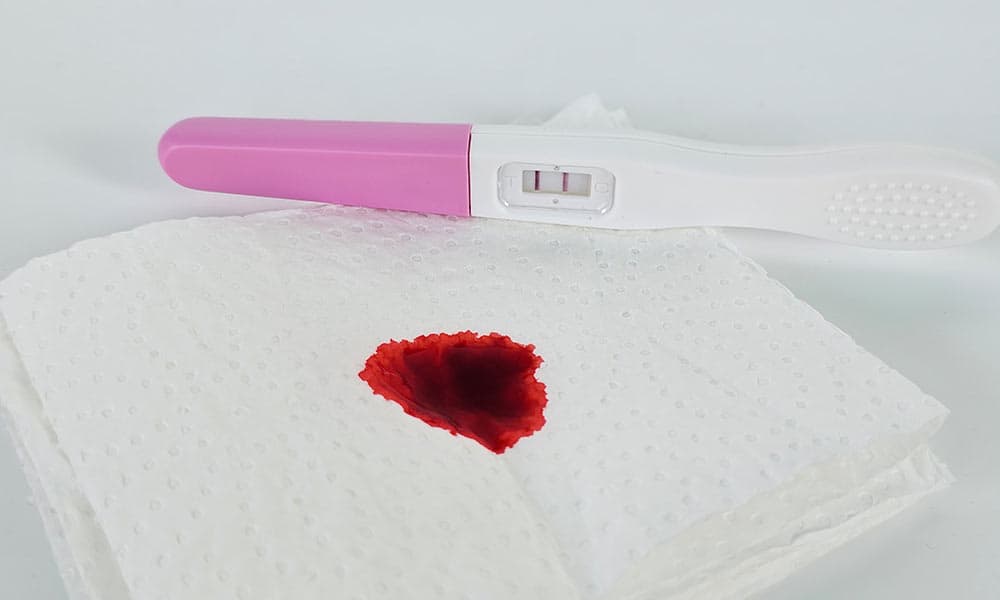
The short answer: No.
Your body stops menstruating during pregnancy to support the developing embryo. But some women do experience light bleeding or spotting, and that can easily be mistaken for a period.
In this blog, we’ll explain why this happens, how to tell if it’s normal, and when to see a doctor.
Menstruation happens only when ovulation occurs and the released egg is not fertilized. The uterine lining sheds, resulting in a period. But during pregnancy:
• Ovulation stops
• Your body maintains the uterine lining to support the baby
• Any bleeding that occurs isn’t a true period
So if you're pregnant and bleeding, something else is causing it, and understanding the cause is important.
Let’s explore the most common reasons for bleeding during pregnancy, trimester by trimester.
Bleeding is most common in the first 12 weeks. It may be harmless, or it could signal a complication.
• It happens when the fertilized egg attaches to the uterus
• Timing: 10–14 days after conception
• Clue: Light spotting, pink or brown, lasts 1–2 days
• Needs Attention? Generally not; this is considered normal
• Fluctuations in early pregnancy can make the cervix more sensitive
• Clue: Spotting after sex or physical activity
• Requires Evaluation If: Spotting is frequent or increases in volume
• The fertilized egg implants outside the uterus (commonly in a fallopian tube)
• Symptoms: Sharp lower abdominal pain, dizziness, shoulder pain
• Urgency: Immediate medical attention is critical
• Bleeding with strong cramps, clots, or tissue
• Clue: Heavy red bleeding, persistent pain
• Action: Emergency medical evaluation needed
• Infections like UTIs or STIs may irritate the cervix
• Cervical exams or sex may also trigger light bleeding
• Subchorionic Hemorrhage: Blood trapped between placenta and uterine wall
• Gestational Trophoblastic Disease (GTD): Abnormal cell growth that mimics pregnancy
Bleeding later in pregnancy needs closer attention and evaluation.
• A common cause of minor spotting after checkups
• Usually painless and harmless
• Increased blood flow can make vaginal tissues more prone to bleeding
• Clue: Light bleeding post-intercourse
• Seek Advice If: Bleeding is persistent or unusually heavy
• Placenta covers the cervix partially or fully
• Symptoms: Painless, bright red bleeding in the second or third trimester
• Evaluation: Ultrasound required; may need precautions
• Placenta detaches from uterine wall before delivery
• Clue: Heavy bleeding with abdominal pain and fetal distress
• Action: Requires emergency hospital care
• Bleeding may occur as the body prepares for early delivery
• Symptoms: Contractions before 37 weeks, back pain, pressure
• Rare but life-threatening, usually during labor in women with prior C-sections
• Clue: Severe pain, rapid bleeding, loss of fetal heartbeat
• Urgency: Immediate cesarean section is essential
• Timing: Period – Monthly, regular | Pregnancy – Early pregnancy (weeks 4–8)
• Flow: Period – Moderate to heavy | Pregnancy – Light spotting
• Duration: Period – 3–7 days | Pregnancy – 1–2 days
• Color: Period – Bright red, may contain clots | Pregnancy – Pink or brown
• Pain/Cramping: Period – Yes | Pregnancy – Often painless
It is completely normal to experience spotting during pregnancy.
Spotting occurs in roughly 15–25% of pregnancies during the first few months. Pregnancy increases blood flow to the cervix, making it more sensitive and prone to bleeding.
Implantation spotting may happen 10–14 days after conception.
Seek medical attention immediately if you experience bleeding along with:
• Intense cramps or belly pain
• Feeling lightheaded or fainting
• Heavy bleeding or passing clots
• Sharp pelvic or lower abdominal pain
• Bright red bleeding soaking a pad
Especially in early pregnancy, bleeding with pain could signal ectopic pregnancy or miscarriage.
• Pregnancy Test
• Ultrasound
• hCG Blood Test
No, you cannot have your period while pregnant.
Yes, light bleeding or spotting can happen and isn’t always dangerous.
Bleeding during pregnancy can be scary, but you don’t have to manage it alone.
Book an appointment with Dr. Kavitha Lakshmi Easwaran for further queries.

Dr. Kavitha Lakshmi Easwaran is a senior gynaecologist with over 28 years of experience, known for her patient-centric approach, clinical expertise, and commitment to supporting women’s health at every stage of life.
Regular antenatal care helps monitor the health of both mother and baby, identify potential concerns early, and prepare for a safer delivery with month-by-month guidance.
Read MoreUnderstand the complete pregnancy ultrasound scan timeline, including dating scans, NT scans, anomaly scans, and growth Doppler scans for expecting mothers.
Read MoreLearn what routine screenings, pelvic exams, Pap smears, ultrasound, and hormone tests are recommended during a comprehensive women's wellness checkup.
Read More