
September 12th, 2025
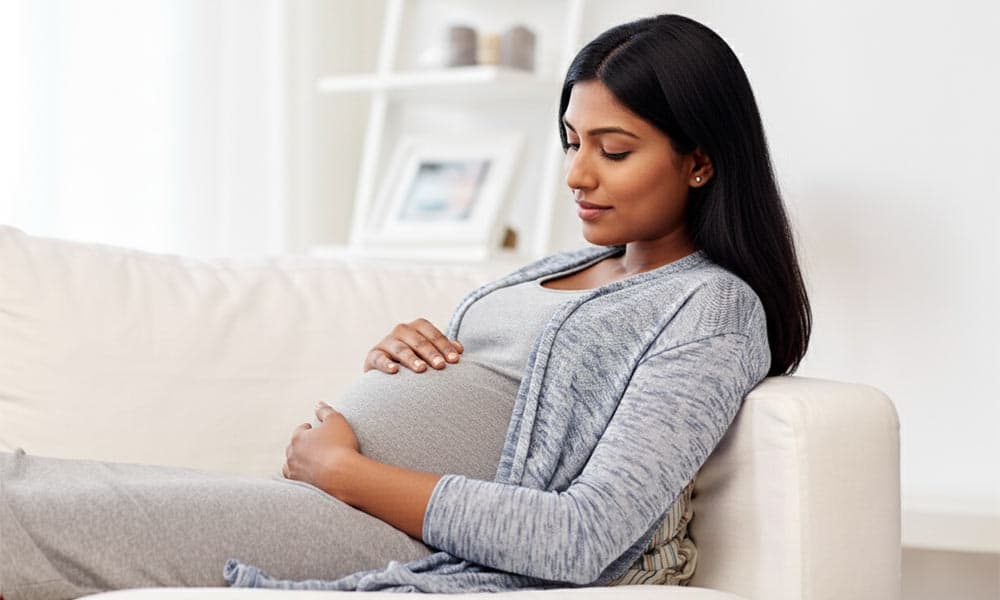
When you’re in your thirties, you might see all kinds of fertility advice online—cutting out gluten, drinking green juice, or trying acupuncture. But do these really help? And how much can you actually control your fertility?
Simple lifestyle changes, like eating fewer refined carbs and staying active, support fertility. However, since everyone’s body is different, the best way to know what works for you is to talk to a healthcare professional who can guide you based on your needs.
Taking care of your body and making simple lifestyle changes can boost your chances of getting pregnant. Here are some helpful tips for getting pregnant after 30 years.
1. Quit Alcohol
Avoiding alcohol is important for improving fertility, especially when trying to conceive. Drinking too much can affect the balance of hormones, reduce the quality of sperm and eggs, and make pregnancy more difficult.
Alcohol affects sperm motility, ovulation, and general reproductive health. Limiting or avoiding alcohol is the best way to improve your chances of getting pregnant.
2. Include Antioxidant-Rich Foods in Your Diet
Antioxidants help neutralise free radicals that might harm sperm and egg cells. Some good sources include:
• Fruits: Berries, oranges, pomegranates, guavas, papayas
• Vegetables: Spinach, carrots, bell peppers, beets, sweet potatoes
• Nuts & Seeds: Almonds, walnuts, flaxseeds, sunflower seeds
• Whole grains & legumes: Brown rice, lentils, chickpeas
• Indian superfoods: Amla, turmeric, tulsi, curry leaves, moringa
3. Track Ovulation Accurately
• Use ovulation prediction kits (OPKs) to detect LH surge
• Monitor estrogen levels to identify fertile window early
• Understand limitations of OPKs in PCOS
• Track cervical mucus and basal body temperature
4. Reduce Your Stress
• Set work-life boundaries
• Practice relaxation techniques like meditation
• Stay active with yoga or walking
• Get 7–9 hours of quality sleep
• Spend time with loved ones and hobbies
5. Add Folic Acid to the Diet
• Leafy greens: Spinach, methi, mustard greens
• Legumes: Lentils, chickpeas, black beans
• Vegetables: Broccoli, beetroot
• Fruits: Oranges, bananas, guava, strawberries
• Nuts & seeds: Almonds, flaxseeds, walnuts
6. Keep a Healthy Weight
Maintaining a BMI between 18.5 and 24.9 helps regulate reproductive hormones and improve fertility outcomes.
7. Quit Smoking and Vaping
Smoking lowers egg quality, sperm count, and hormone balance. Quitting improves chances of natural conception.
8. Reduce Carbs and Avoid Sugars
• Avoid refined carbs and processed sugars
• Choose whole grains, fruits, and vegetables
9. Find the Right Balance in Exercise
Too much or too little exercise can disrupt ovulation. Moderate activity supports fertility best.
10. Have Sex Every Two Days
Sperm can live up to five days. Having sex every two days helps maintain sperm quality and covers the fertile window.
Yes, fertility declines after 35, but many women still conceive naturally with healthy lifestyle habits or medical support if needed.
Yes, pregnancy is possible after 35 or even 40, though egg quantity and quality decline with age. Tracking ovulation improves chances.
• Track ovulation using LH tests
• Identify fertile window of 5–6 days
• Understand estrogen and LH patterns
Conceiving in your thirties is possible with healthy lifestyle choices and patience. If you need expert guidance, consult Sai Speciality Center, one of the best gynaecology hospitals in Bangalore.
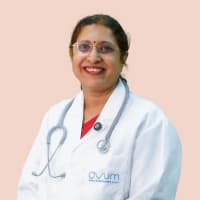
Dr. Kavitha Lakshmi Easwaran is a senior gynaecologist with over 28 years of experience, known for her patient-centric approach, clinical expertise, and commitment to supporting women’s health at every stage of life.
Regular antenatal care helps monitor the health of both mother and baby, identify potential concerns early, and prepare for a safer delivery with month-by-month guidance.
Read MoreUnderstand the complete pregnancy ultrasound scan timeline, including dating scans, NT scans, anomaly scans, and growth Doppler scans for expecting mothers.
Read MoreLearn what routine screenings, pelvic exams, Pap smears, ultrasound, and hormone tests are recommended during a comprehensive women's wellness checkup.
Read More