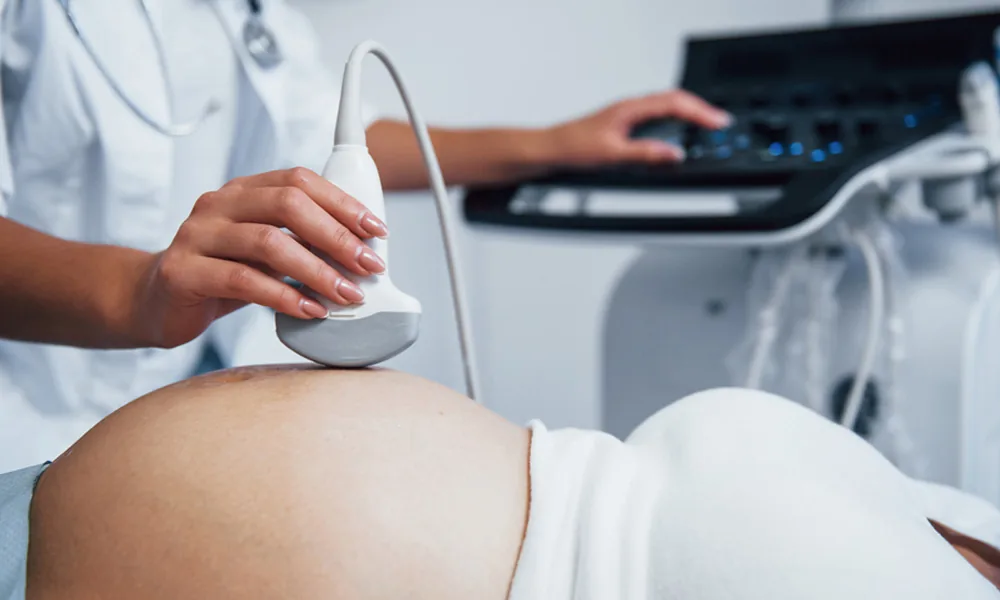


Uterine Prolapse Surgery in Bangalore
Uterine prolapse happens when the muscles and ligaments that hold the womb weaken and the womb slips down into the vagina. Mild prolapse often needs no surgery. Pelvic floor exercises, lifestyle changes or a pessary come first, and vaginal surgery is advised when symptoms are troublesome or other treatments have not helped. The operation lifts and supports the pelvic organs, either by removing the womb (vaginal hysterectomy) with support stitches, or by keeping the womb and repairing its supports. At Sai Speciality Center in Kasturi Nagar, Bengaluru, prolapse is assessed by Dr. Kavitha Lakshmi Easwaran, MBBS, MD (OBG), who explains the options before you decide.
Quick answers
- Does every prolapse need surgery? No. If there are no symptoms, or the prolapse is not bothering you, no treatment may be needed.
- What is tried before surgery? Pelvic floor exercises, weight and bowel care, a pessary, and sometimes vaginal hormone treatment.
- Is the womb always removed? No. Some women can have the womb kept and supported, which matters if you want a future pregnancy.
- Can prolapse come back? Yes, it can return after surgery, so lifestyle steps afterwards matter.
- How long is recovery? Often around six to eight weeks before returning to heavy lifting, and the exact plan is set by your surgeon.
What Is Uterine Prolapse?
Pregnancy and childbirth, especially several vaginal deliveries, are the commonest causes. Other contributors are ageing and menopause, being overweight, long-term constipation and straining, a persistent cough and heavy lifting. Prolapse is graded from 1 to 4, where 4 is the most severe. The womb may also come down together with the bladder (cystocele) or the back passage (rectocele), and the repair can be planned to treat all of them at the same operation.
Common symptoms include a feeling of heaviness or dragging in the pelvis, a lump or bulge at or outside the vaginal opening, a sensation of sitting on a ball, trouble emptying the bladder or bowel, leaking urine, backache and discomfort during sex.
Treatment Before Surgery
- Pelvic floor exercises: regular exercises, ideally taught by a women's health physiotherapist, strengthen the muscles that support the womb.
- Lifestyle: keep a healthy weight, prevent constipation with fibre, fluids and walking, avoid heavy lifting and high-impact exercise such as running or trampolining, and stop smoking to reduce coughing.
- Pessary: a plastic or silicone support placed in the vagina. It can be a good long-term choice, or a way to wait until surgery.
- Vaginal hormone treatment: cream, tablets or a ring can help the vaginal tissues after menopause.
The right option depends on which organs are affected, how severe the prolapse is, your age and general health, and whether you plan to have children. Surgery for prolapse is generally postponed until the family is complete.
When Is Vaginal Surgery Advised?
- Symptoms are troublesome and exercises or a pessary have not helped
- The prolapse is severe, for example the womb is outside the vaginal opening
- You do not want a pessary, or it keeps falling out or causing irritation
- Bladder or bowel symptoms are being caused by the prolapse
Types of Prolapse Surgery
- Vaginal hysterectomy with support stitches: the womb is removed through the vagina and the top of the vagina is attached to the strong ligaments inside the pelvis so that it stays up. There is no abdominal cut.
- Uterus-preserving surgery: the womb is kept and its supports are repaired or shortened. This may suit women who want to keep the womb and do not plan another pregnancy soon. Pregnancy after any prolapse repair needs specialist advice.
- Repair of the front or back vaginal wall: done when the bladder or bowel also bulges into the vagina, often at the same operation.
- Surgery through the abdomen or by keyhole: in some cases the pelvic organs are lifted from above. Your surgeon will say if this route suits you.
- Surgery that closes the vagina: an option for older women who no longer have sex and wish for a shorter operation. It cannot be undone.
Vaginal mesh is no longer routinely used for prolapse repair, and should be considered only after a detailed talk about risks. If you have had a mesh operation in the past and think it is causing problems, ask your doctor to review it. For hysterectomy in general, read our hysterectomy page.
Before the Operation
- A pelvic examination to grade the prolapse and see which organs are involved
- Urine tests and, where needed, bladder tests, plus cervical screening if due
- Blood tests and a review of your medicines, diabetes, blood pressure and other conditions
- Treatment of any urine infection first. See our page on UTI treatment
- Anaesthesia assessment
Recovery After Prolapse Surgery
The hospital stay is usually a few days. Full recovery often takes around six to eight weeks. In that time:
- Walk a little every day, and rest when you are tired
- Avoid heavy lifting and straining until your surgeon allows it
- Keep your bowels soft with fibre, fluids and any medicine advised
- Avoid sex until your doctor confirms it is safe
- Restart pelvic floor exercises when advised
Contact the clinic or go to hospital if you have fever, heavy bleeding, severe pain, foul-smelling discharge or difficulty passing urine.
Risks and Recurrence
Prolapse surgery is generally safe, but it carries risks, including bleeding, infection, a reaction to the anaesthetic, injury to the bladder or bowel, urine infection and difficulty emptying the bladder after the operation. Some women notice new or continuing urine leakage, or pain during sex. Prolapse can come back, particularly with heavy lifting, constipation, chronic cough or weight gain, which is why the lifestyle steps continue after surgery. Your surgeon will discuss the risks that apply to you.
Prolapse Treatment Near Banaswadi, KR Puram, Horamavu, Ramamurthy Nagar and Tin Factory
Sai Speciality Center is at 201-1, 1st A Cross, 2nd Main Road, East of NGEF Layout, Kasturi Nagar, Bengaluru 560043. Patients from Banaswadi, KR Puram, Horamavu, Ramamurthy Nagar, Tin Factory and Kalyan Nagar come to the clinic for gynaecological surgical consultations. After menopause, menopause care can also help with vaginal tissue health.
Meet the Surgeon
Dr. Kavitha Lakshmi Easwaran is a Senior Consultant Obstetrician and Gynaecologist (MBBS, MD (OBG), Karnataka Medical Council registration 69643). Her approach is to grade the prolapse carefully, try non-surgical care where it can help, and explain the surgical choices, the risks and the chance of recurrence before you decide.
Frequently Asked Questions
Do I need surgery for uterine prolapse?
Not always. If there are no symptoms or it is not bothering you, no treatment may be needed. Exercises, lifestyle changes or a pessary are tried first.
What is a pessary?
A pessary is a plastic or silicone device placed in the vagina to support the womb and other pelvic organs. Many women use one for years, and it can be removed and cleaned.
Will my womb be removed during prolapse surgery?
Not necessarily. A vaginal hysterectomy with support stitches is one option, and some women can have uterus-preserving surgery. Your surgeon will explain which suits you.
How long does it take to recover from prolapse surgery?
The hospital stay is usually a few days, and full recovery often takes around six to eight weeks. Your surgeon will give you a plan for lifting, exercise and sex.
Can prolapse come back after surgery?
Yes. It can return, especially with heavy lifting, constipation, chronic cough or weight gain. Pelvic floor exercises and healthy habits lower the chance.
Can I get pregnant after prolapse surgery?
Prolapse surgery is generally kept until the family is complete. If you may want a baby, tell your doctor first so that non-surgical options or uterus-preserving surgery can be discussed.
Is prolapse surgery done with mesh?
Vaginal mesh is no longer routinely used for prolapse repair. If mesh is ever suggested, ask for a full explanation of the benefits and risks.
Will prolapse surgery fix urine leakage?
Not always. Some women notice leakage settle, and others find it continues or appears for the first time. Tell your doctor about any leakage before surgery so it can be assessed.
Can exercise alone treat uterine prolapse?
Exercises can improve mild prolapse and lessen symptoms, but they cannot lift a womb that has already come down a long way. Your doctor will grade it and advise.
Where can I discuss prolapse treatment near Banaswadi or KR Puram?
Sai Speciality Center in Kasturi Nagar sees patients from Banaswadi, KR Puram, Horamavu, Ramamurthy Nagar and Tin Factory. Call 80887 01001 or 99019 25700 to book.
Book a Surgical Consultation in Bangalore
If you feel a bulge, heaviness or leakage, or have been advised prolapse surgery, call 80887 01001 or 99019 25700, or use the contact page. Bring any earlier reports and a list of your medicines.
This page is general information, was last updated in October 2026, and does not replace advice from your doctor.