UTI Treatment in Bangalore
A urinary tract infection (UTI) is an infection caused by bacteria in the urinary system, most often in the bladder. It causes burning when passing urine, a frequent urge to go and lower abdominal discomfort. UTIs are very common in women. Most are treated with a short course of antibiotics chosen by your doctor, often guided by a urine test. A kidney infection, a UTI in pregnancy or repeated UTIs need prompt, closer care. At Sai Speciality Center in Kasturi Nagar, Bengaluru, UTIs are assessed and treated under Dr. Kavitha Lakshmi Easwaran, MBBS, MD (OBG).
Quick answers
- What are the symptoms? Burning or pain when passing urine, needing to go more often or urgently, cloudy or blood-tinged urine and lower abdominal pain.
- Do I need a urine test? A urine test helps confirm the infection. A culture test helps choose the right antibiotic, especially if infections keep returning or you are pregnant.
- Can I just take leftover antibiotics? No. The wrong antibiotic or a half course can leave the infection untreated and add to antibiotic resistance.
- When is it urgent? Fever, shivering, back or side pain below the ribs, vomiting, blood in the urine, pregnancy or diabetes.
- What counts as recurrent? Two infections in six months or three in twelve months.
Symptoms of a UTI
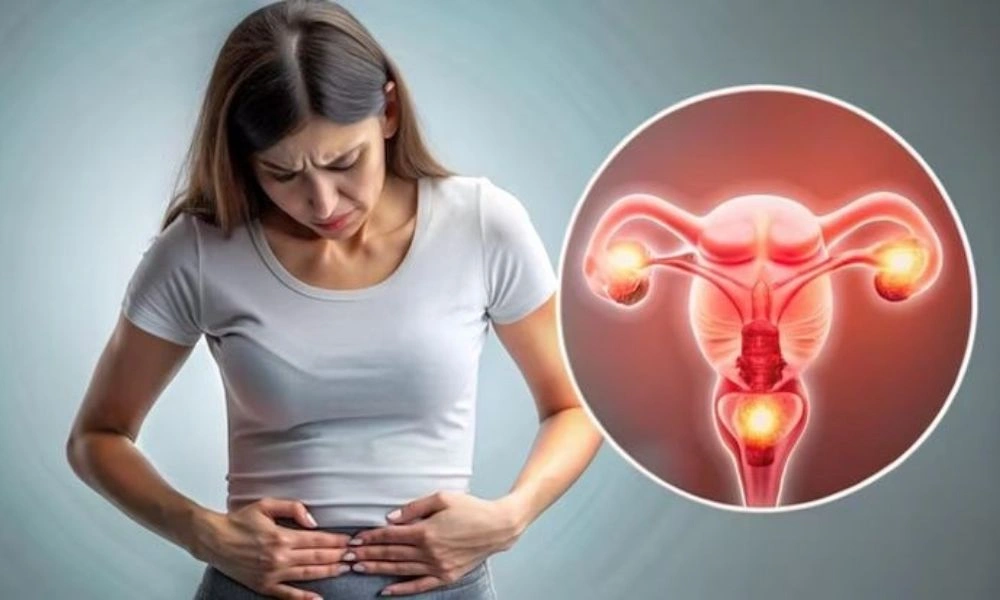
Symptoms of a bladder infection (cystitis) usually include:
- Burning or pain when passing urine
- Needing to pass urine more often, including at night, or suddenly and urgently
- Cloudy, dark, strong-smelling or blood-tinged urine
- Pain or pressure in the lower abdomen
- Feeling tired or unwell
If the infection reaches the kidneys, you may also have fever or chills, pain in the back or side just under the ribs, nausea or vomiting. A kidney infection can become serious quickly and needs medical care the same day.
Causes and Risk Factors
Bacteria from the bowel, usually E. coli, travel up the urethra into the bladder. Women get UTIs more often than men because the urethra is shorter and sits close to the anus and vagina. Risk is higher with:
- Sexual activity
- Pregnancy
- Menopause, when lower oestrogen changes the tissues around the urethra
- Diabetes
- Kidney stones or anything that blocks urine flow
- Holding urine for long periods or not drinking enough water
- Using a urinary catheter
When to See a Doctor Urgently
Do not wait if you have any of the following:
- Fever, shivering or a very low temperature
- Pain in your back or side below the ribs
- Vomiting, or you cannot keep fluids down
- Blood in your urine
- You are pregnant, diabetic, aged 65 or over, or have a weak immune system
- Symptoms getting worse quickly or not improving within two days
Go to a hospital emergency department if you feel confused, very drowsy or are struggling to speak.
How a UTI Is Diagnosed
- History and examination. Your symptoms, how often they have occurred and any pregnancy, diabetes or menopause are reviewed.
- Urine routine and microscopy. Looks for pus cells and bacteria.
- Urine culture and sensitivity. Grows the bacteria and shows which antibiotics work. It is especially useful when infections recur, in pregnancy, or when the first treatment fails.
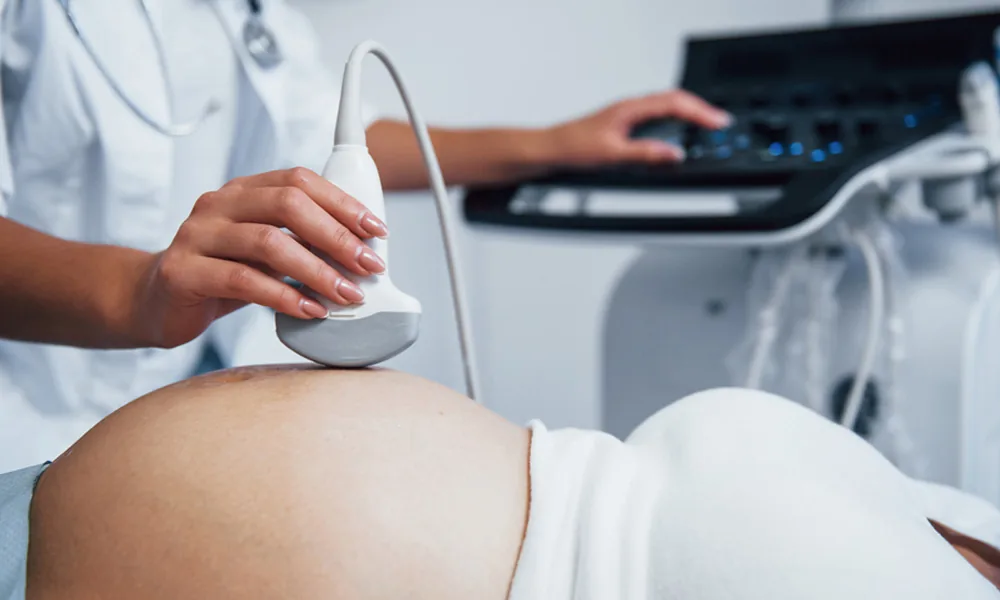
- Ultrasound. Advised for repeated infections, blood in the urine, severe pain or a suspected stone or blockage.
UTI Treatment
Treatment is based on your symptoms, test results, whether you are pregnant and which antibiotics are likely to work. Resistance to common antibiotics is widespread in India, which is one reason a culture test matters.
- Antibiotics. A short course for a simple bladder infection, and a longer or stronger course for a kidney infection. Always finish the course your doctor prescribes, even when you feel better.
- Pain and fever relief. Paracetamol is commonly used. Check with your doctor before taking other painkillers.
- Fluids. Drink enough to pass pale urine regularly. Limiting coffee, alcohol and fruit juice may reduce bladder irritation.
Avoid taking antibiotics on your own or using old prescriptions. This can hide the problem and make the infection harder to treat.
UTI in Pregnancy
Pregnant women are more likely to develop UTIs, and an infection that is not treated can reach the kidneys and affect the pregnancy. Some women have bacteria in the urine without symptoms, so a urine test is part of routine antenatal care. Antibiotics that are safe in pregnancy are chosen, and a follow-up test may be done to confirm the infection has cleared. See a doctor promptly if you have urinary symptoms while pregnant.
Recurrent UTIs
Having two UTIs in six months or three in a year is considered recurrent. It does not mean you are doing something wrong, but it is worth finding the cause. Your doctor may check for diabetes, a stone, incomplete bladder emptying or, after menopause, vaginal dryness. Options can include:
- Culture-guided treatment for each episode
- Vaginal oestrogen for women after menopause
- A low-dose preventive antibiotic for a limited period in selected women
- Scans or a specialist referral if the cause is unclear
Our page on recurrent UTI treatment explains this in more detail.
How to Lower Your Risk of UTIs
- Drink enough water through the day and do not hold in urine
- Empty your bladder fully and pass urine soon after sex
- Wipe from front to back
- Wash the genital area with water or a mild unscented wash, and avoid douching
- Wear loose cotton underwear
- Avoid spermicidal lubricants if they irritate you
Cranberry products may help prevent repeat bladder infections in some women, but they do not treat an infection that has started. Talk to your doctor first if you are pregnant or take blood thinners.
Conditions That Can Feel Like a UTI
Burning on passing urine is not always a UTI. Vaginal infections, sexually transmitted infections, kidney stones, pelvic infection and bladder pain syndrome can cause similar symptoms, which is why a proper assessment and a urine test help.
UTI Treatment Near Banaswadi, KR Puram, Horamavu, Ramamurthy Nagar and Tin Factory
Sai Speciality Center is at 201-1, 1st A Cross, 2nd Main Road, East of NGEF Layout, Kasturi Nagar, Bengaluru 560043. Patients from Banaswadi, KR Puram, Horamavu, Ramamurthy Nagar, Tin Factory and Kalyan Nagar visit the clinic for urinary and general care.
Meet the Doctor
Dr. Kavitha Lakshmi Easwaran is a Senior Consultant Obstetrician and Gynaecologist (MBBS, MD (OBG), Karnataka Medical Council registration 69643). She sees women with urinary infections, recurrent UTIs, pregnancy-related urinary problems and other women's health concerns at the clinic.
Frequently Asked Questions
What causes a UTI?
Bacteria, usually from the bowel, enter the urethra and travel into the bladder. Sex, pregnancy, menopause, diabetes, stones and not drinking enough water raise the risk.
What are the first signs of a UTI?
Burning when passing urine and needing to go more often or urgently are usually the first signs. Cloudy urine and lower abdominal discomfort often follow.
Can a UTI go away on its own?
A mild bladder infection sometimes clears by itself, but you should not wait if you are pregnant, have fever or back pain, or are not better within two days.
Do I need a urine culture test?
It is advised when infections keep coming back, you are pregnant, symptoms are severe or the first antibiotic did not work. It shows which antibiotic will work.
How long does UTI treatment take?
A simple bladder infection is usually treated with a short antibiotic course, and symptoms often ease within a few days. A kidney infection needs longer treatment. Finish the full course your doctor gives you.
Can I treat a UTI at home without antibiotics?
Fluids and paracetamol ease symptoms, but they do not clear a bacterial infection reliably. See a doctor rather than relying on home remedies.
Is a UTI dangerous in pregnancy?
It can be, because an untreated infection can reach the kidneys and affect the pregnancy. It is treated with pregnancy-safe antibiotics, so see a doctor promptly.
Why do I keep getting UTIs?
Repeated UTIs can be linked to sex, diabetes, stones, incomplete bladder emptying or low oestrogen after menopause. A doctor can look for the cause and suggest prevention.
Does cranberry juice cure a UTI?
No. Cranberry products may help prevent repeat bladder infections in some women, but they do not treat an active infection.
Where can I get UTI treatment near Banaswadi or KR Puram?
Sai Speciality Center in Kasturi Nagar sees patients from Banaswadi, KR Puram, Horamavu, Ramamurthy Nagar and Tin Factory. Call 80887 01001 or 99019 25700 to book.
Book a UTI Consultation in Bangalore
If you have burning, frequent urination or repeated infections, call 80887 01001 or 99019 25700, or use the contact page. Bring any earlier urine reports and a list of the antibiotics you have already taken.
This page is general information, was last updated in October 2026, and does not replace advice from your doctor.