Kidney Stone Treatment in Bangalore
Kidney stones are hard deposits that form when chemicals in the urine build up and crystallise. Small stones often pass on their own with pain relief and plenty of water, while larger stones, or stones with infection, can need hospital treatment. Pain from a stone can be severe and can feel like other conditions, including gynaecological ones, so a proper assessment matters. At Sai Speciality Center in Kasturi Nagar, Bengaluru, Dr. Kavitha Lakshmi Easwaran, MBBS, MD (OBG), assesses stone symptoms, arranges urine tests and scans, and advises on pain relief, fluids and prevention. If a stone needs a procedure, she will explain this and advise when to see a urologist.
Quick answers
- What does a kidney stone feel like? Often severe pain in the side or lower back that comes and goes and may spread to the groin or the area around the vaginal opening.
- Can it pass by itself? Many small stones do, though it can take several weeks.
- How much water should I drink? The NHS suggests about 2.5 to 3 litres a day for adults, unless your doctor has told you to limit fluids.
- When is it urgent? Severe pain, fever or shivering, vomiting, or not passing urine.
- Can I be treated while pregnant? Yes. Ultrasound is used for scanning rather than CT.
Symptoms of Kidney Stones
Small stones are common and often cause no symptoms. They may pass unnoticed in the urine. Larger stones can cause:
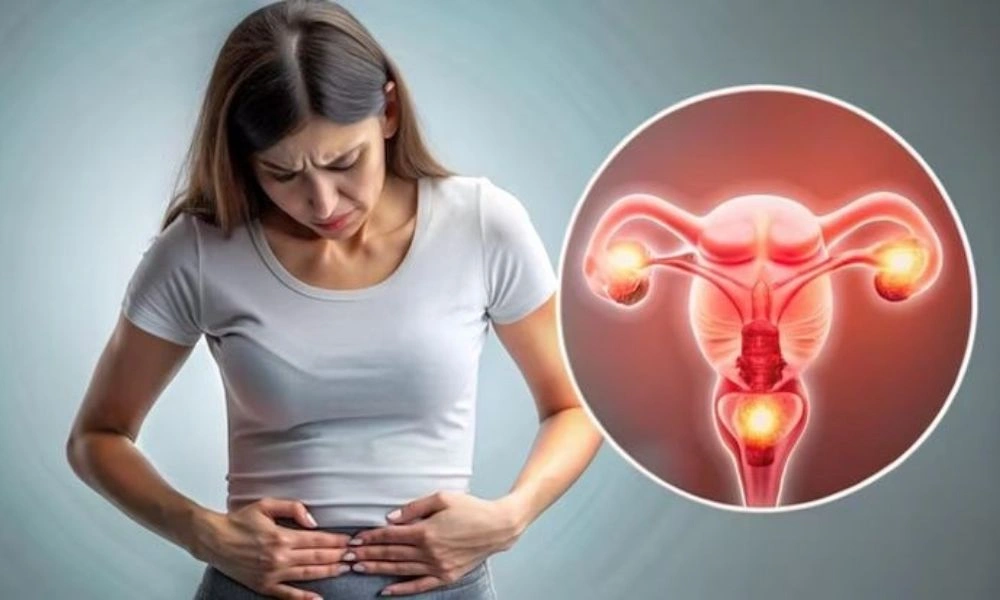
- Severe pain in the side of the abdomen or lower back, which may spread to the groin or the area around the vaginal opening
- Pain that comes and goes, with spells of severe pain followed by milder pain
- Nausea or vomiting
- Needing to pass urine often, or cloudy urine
- Fever, or feeling hot, cold or shivery
Women can have other causes of similar pain, such as an infection, an ovarian cyst that has twisted or burst, or a pregnancy problem. A gynaecological assessment helps find the real cause quickly. See our pages on ovarian cyst removal and UTI treatment.
When to Get Urgent Help
Go to a hospital emergency department the same day if you think you have a kidney stone and you have severe pain, a high temperature or shivering, repeated vomiting so you cannot keep fluids down, little or no urine, or if you are pregnant. A stone with infection can damage the kidney if it is not treated quickly.
How Kidney Stones Are Diagnosed
A doctor can often suspect a stone from your symptoms. The assessment may include questions about your medicines, diet, fluid intake and any family history of stones, and then:
- Urine tests to look for blood, infection and crystals
- Blood tests to check kidney function and chemicals such as calcium
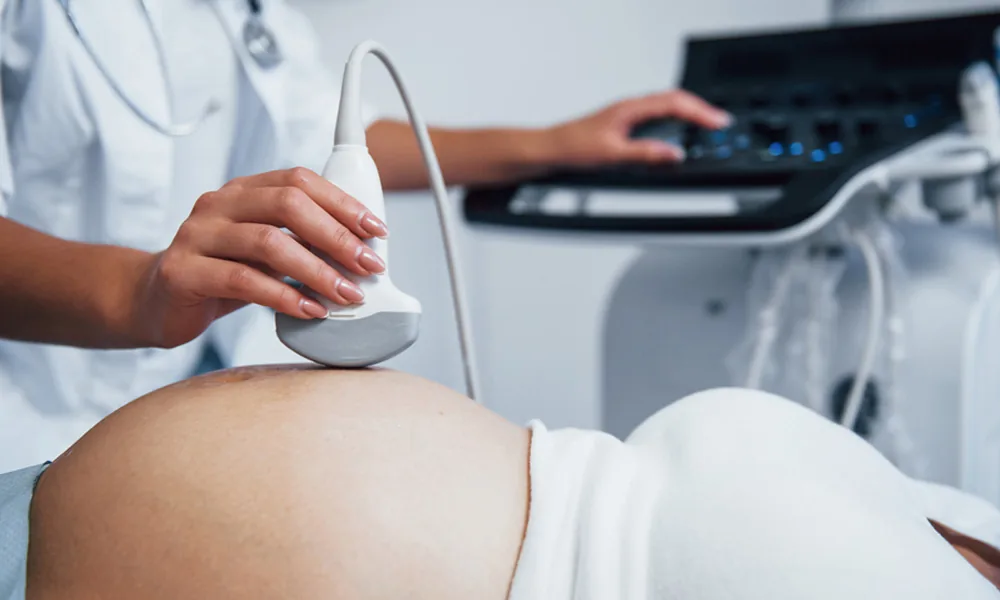
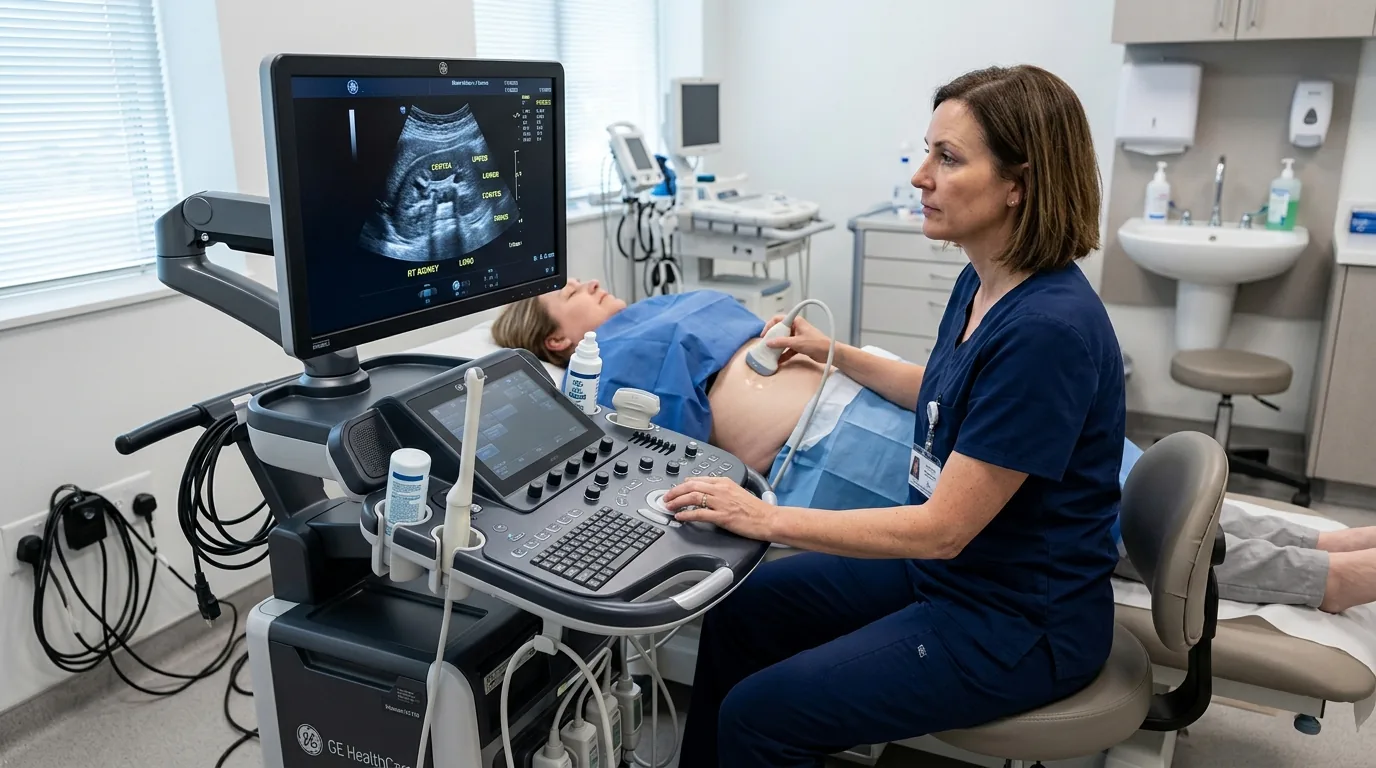
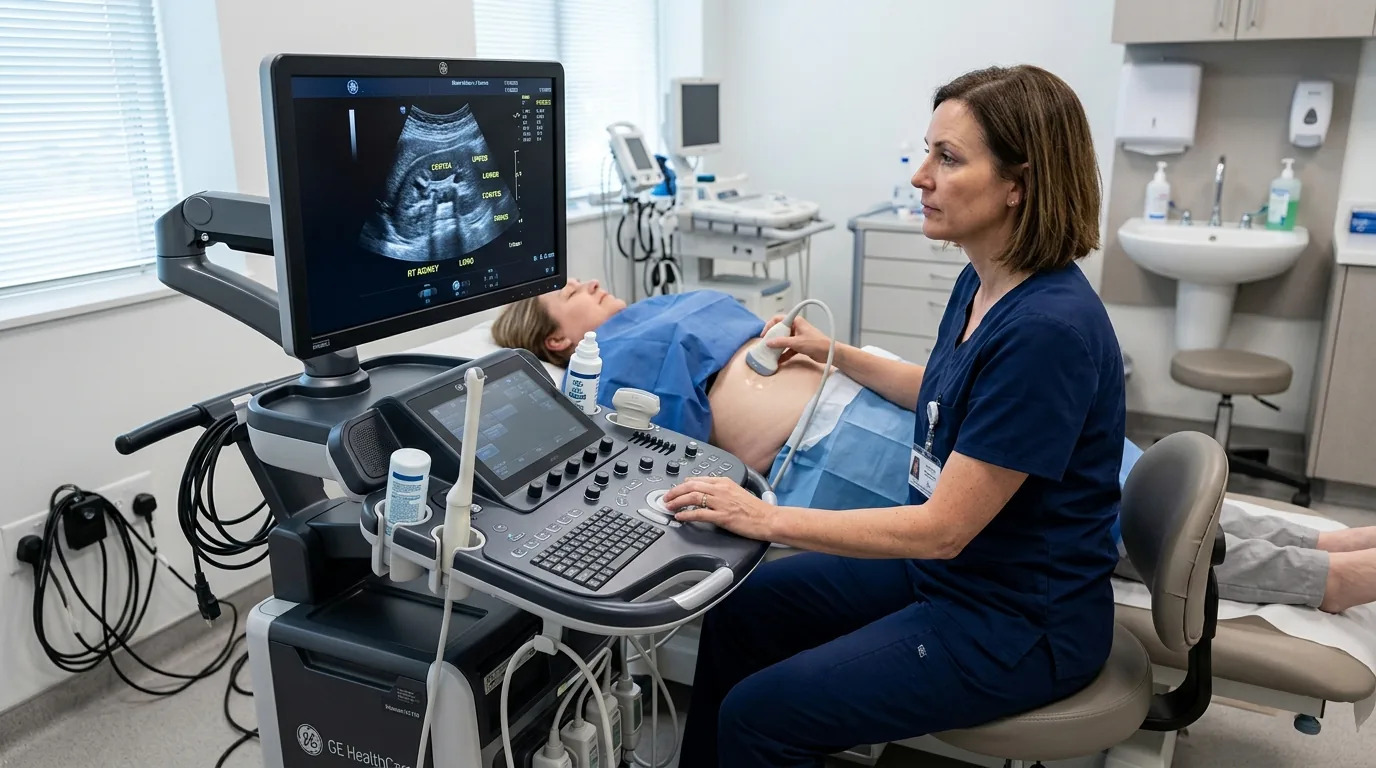
- Ultrasound, which is the scan used in pregnancy and in children, and is often the first scan for others
- CT scan for adults with severe pain, when the stone size and position must be known
If you pass a stone, keeping it for the laboratory can help show why it formed.
Treatment at Home
Most stones are treated at home with medicines and plenty of water, and passing them can take several weeks. Your doctor may advise:
- Painkillers for the pain
- Anti-sickness medicine if you feel sick
- A medicine that helps the stone pass, where suitable
- Drinking enough water that your urine stays pale
Do not take anti-inflammatory painkillers without advice if you have kidney disease, are pregnant, or have stomach problems. Come back for review if the pain is not easing, because a stone that does not move can block the kidney.
When a Procedure Is Needed
Larger stones, stones that block the flow of urine, and stones with infection may need hospital treatment. The usual options are:
- Shock wave therapy, given from outside the body, which breaks the stone into pieces that can pass. No anaesthetic is needed.
- Telescope treatment, in which a thin tube is passed up the urethra, or through a small cut in the back, to remove or break up the stone. This is done under general anaesthetic.
These procedures are performed by urologists. If you need one, Dr. Kavitha will explain why and advise on the next step.
Preventing Kidney Stones
Stones often come back, so prevention is worth the effort. The NHS advises:
- Drink about 2.5 to 3 litres of water a day as an adult. In hot weather, or if you sweat a lot, you may need more
- Fresh lemon juice in water may help
- Limit fizzy, caffeinated and alcoholic drinks
- Get enough calcium in your diet
- Keep salt below 6 g a day
- Check your urine colour. Dark urine suggests you need more fluid
Do not make big changes to your diet without speaking to your doctor. Risk is higher with a high-protein, low-fibre diet, long periods of inactivity, repeated urine infections, a family history, or a previous stone. Treating infections early helps, and recurrent infection is covered on our recurrent UTI treatment page.
Kidney Stones in Pregnancy
Stones can occur in pregnancy, and the pain may be mistaken for other pregnancy problems. Ultrasound is used for scanning rather than CT. Anyone who is pregnant with severe side pain, fever or vomiting should be seen the same day. Our antenatal care team works with the doctor treating the stone.
Kidney Stone Care Near Banaswadi, KR Puram, Horamavu, Ramamurthy Nagar and Tin Factory
Sai Speciality Center is at 201-1, 1st A Cross, 2nd Main Road, East of NGEF Layout, Kasturi Nagar, Bengaluru 560043. Patients from Banaswadi, KR Puram, Horamavu, Ramamurthy Nagar, Tin Factory and Kalyan Nagar come to the clinic for urinary and general care consultations.
Meet the Doctor
Dr. Kavitha Lakshmi Easwaran is a Senior Consultant Obstetrician and Gynaecologist (MBBS, MD (OBG), Karnataka Medical Council registration 69643). Her approach is to find the true cause of pelvic and flank pain, treat infection early, advise on prevention, and say plainly when a urologist is the right specialist.
Frequently Asked Questions
What are the first signs of a kidney stone?
Severe pain in the side or lower back that comes in waves is the classic sign. It may spread to the groin, with nausea, frequent urination, cloudy urine or blood in the urine.
Can a kidney stone pass without treatment?
Many small stones pass by themselves with pain relief and plenty of water, though it can take several weeks. A stone that does not move, or that causes fever, needs medical care.
How much water should I drink to prevent kidney stones?
The NHS suggests about 2.5 to 3 litres a day for adults. Drink more in hot weather, and ask your doctor first if you have kidney or heart disease.
When does a kidney stone need a procedure?
When it is large, blocks the flow of urine, causes infection or keeps causing severe pain. Shock wave therapy or telescope treatment are the usual options.
Can a kidney stone cause fever?
Yes, and it is a warning sign. Fever with pain can mean an infection behind a blocked stone, and it needs urgent care.
Can I treat a kidney stone with home remedies?
Drinking water, and sometimes lemon juice in water, is reasonable. Home remedies do not replace an assessment, and severe pain, fever or vomiting need a doctor.
Are kidney stones dangerous in pregnancy?
They can cause severe pain and infection. Ultrasound is used for scanning, and a pregnant woman with side pain, fever or vomiting should be seen the same day.
Can kidney stones come back?
Yes. Drinking enough fluid, limiting salt, eating enough calcium and treating infections early lower the chance.
Which doctor should I see for a kidney stone?
A doctor can begin the assessment, and a urologist performs stone procedures. Dr. Kavitha will examine you, arrange tests and advise whether you need a urologist.
Where can I get kidney stone symptoms checked near Banaswadi or KR Puram?
Sai Speciality Center in Kasturi Nagar sees patients from Banaswadi, KR Puram, Horamavu, Ramamurthy Nagar and Tin Factory. Call 80887 01001 or 99019 25700 to book.
Book a Consultation in Bangalore
If you have side or lower back pain, blood in the urine or repeated urine infections, call 80887 01001 or 99019 25700, or use the contact page. Severe pain with fever or vomiting needs hospital care the same day, so do not wait for an appointment.
This page is general information, was last updated in October 2026, and does not replace advice from your doctor.