Endometriosis Treatment in Bangalore
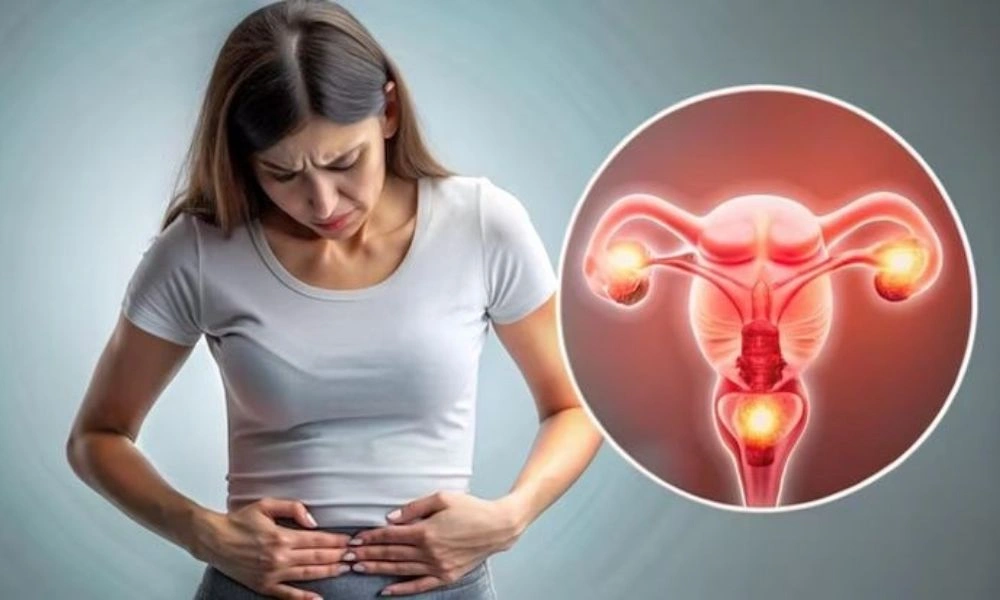
Endometriosis is a long-term condition in which tissue similar to the lining of the womb grows outside the uterus, most often on the ovaries, the pelvic lining, the bowel or the bladder. It causes painful periods, pelvic pain, pain during sex and, in some women, difficulty getting pregnant. The World Health Organization estimates that about 10 percent of women of reproductive age have it, and it often goes undiagnosed for years. There is no cure, but pain medicines, hormone treatment and, when needed, surgery can control symptoms and protect fertility. At Sai Speciality Center in Kasturi Nagar, Bengaluru, endometriosis is assessed and treated under Dr. Kavitha Lakshmi Easwaran, MBBS, MD (OBG).
Quick answers
- Is severe period pain normal? Mild cramps are common. Pain that stops you from working, studying or going about your day is not something to put up with, and it deserves a check for endometriosis.
- Is a scan enough to diagnose it? A good ultrasound or MRI can show many cases, but a normal scan does not rule it out.
- Is surgery always needed? No. Many women are managed with pain relief and hormone treatment.
- Can I get pregnant? Many women with endometriosis conceive, either naturally or with treatment.
- Can it be cured? No, but symptoms can be controlled and the condition monitored.
What Is Endometriosis?
Each month, the lining of the womb thickens and then sheds as a period. In endometriosis, similar tissue sits outside the womb and responds to the same hormones. It bleeds in the same monthly rhythm, but the blood has nowhere to go, which causes inflammation, pain and sometimes scar tissue (adhesions) that can stick organs together.
When the tissue grows inside the ovary it can form a cyst called an endometrioma. When it grows deeper into the pelvic wall, bowel or bladder, it is called deep endometriosis. The amount of pain does not always match the amount of disease, so some women with limited disease have severe pain and others have few symptoms.
Symptoms of Endometriosis
- Painful periods that are worse than the cramps you had before
- Pelvic or lower abdominal pain outside your period
- Pain during or after sex
- Pain when passing stool or urine, especially around your period
- Heavy periods or bleeding between periods
- Bloating, nausea or tiredness that follow your cycle
- Difficulty getting pregnant
- Low mood or anxiety linked to long-term pain
Some women have no symptoms and find out only when they are tested for infertility.
Why Diagnosis Often Takes Years
The World Health Organization reports that diagnosis takes four to twelve years on average. Painful periods are often dismissed as normal, and the symptoms overlap with other conditions. Seeing a gynaecologist early shortens this wait.
A simple period and pain diary helps your doctor. For two or three cycles, write down the days of bleeding, the days and place of pain, a pain score out of 10, any pain with sex, urine or stool, and what relieved it.
How Endometriosis Is Diagnosed
Current European guidance (ESHRE 2022) no longer treats surgery as the necessary first step. The usual path is:
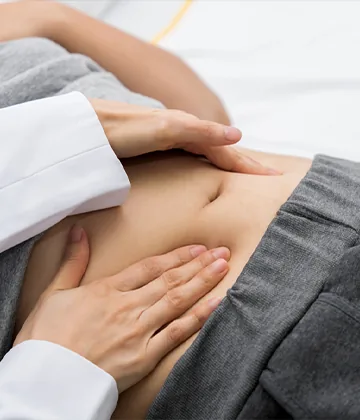
- History and examination. Your symptoms are the starting point. A pelvic examination can be normal even when endometriosis is present, so it does not rule the condition out.
- Imaging. A transvaginal ultrasound or an MRI can show endometriomas and deep disease. A negative result does not exclude superficial endometriosis.
- Laparoscopy. A keyhole operation to look inside the pelvis is considered when imaging is negative and treatment has not worked, or when surgery is planned anyway. Tissue is sent for confirmation.
Blood tests, including CA-125, are not used to diagnose endometriosis. In many women, a diagnosis can be made from symptoms and imaging and treatment started without an operation.
Endometriosis Treatment Options
The right treatment depends on your symptoms, your age, how bad the pain is and whether you want to become pregnant now. Options are discussed together and chosen with you.
Pain relief
Anti-inflammatory painkillers such as ibuprofen or naproxen are commonly used, alone or alongside other treatment. Check with your doctor first, especially if you have stomach, kidney or asthma problems.
Hormone treatment
Hormone treatment reduces or stops the monthly cycle of bleeding in the tissue, which eases pain. Options include:
- Combined hormonal pills
- Progestogen-only treatment, including a hormone-releasing coil or an implant
- GnRH medicines, usually second-line because of side effects, often given with add-back therapy
- Aromatase inhibitors, for pain that does not respond to other treatment
Most of these prevent pregnancy while you take them, so they are not an option if you are trying to conceive.
Surgery
Surgery can reduce pain when medicines have not worked. It may also be advised for an endometrioma or for deep disease. Where possible, the surgeon removes (excises) the lesions and takes care to protect the ovaries. Deep endometriosis involving the bowel or bladder should be treated by a surgeon with specific experience. Our page on endometriosis surgery explains what to expect.
Hysterectomy is considered only for women who do not wish to have children and whose symptoms have not responded to other treatment. It is not a guaranteed cure.
Treatment after surgery
If you are not trying to conceive, hormone treatment after surgery can lower the chance of pain returning and of an endometrioma coming back. If you are trying to conceive, hormone suppression is not used just to improve pregnancy rates.
Physiotherapy and self-care
Pelvic floor physiotherapy, regular exercise, heat and counselling for the effects of long-term pain can all improve quality of life alongside medical treatment.
Endometriosis and Fertility
Endometriosis is found in 25 to 50 percent of women who have difficulty conceiving, according to the World Health Organization. But it does not always cause infertility, and many women conceive. Pregnancy is not a treatment for endometriosis, and symptoms can return afterwards.
If you are trying to conceive, the plan depends on how advanced the disease is, your age, your partner's sperm tests and whether your tubes are open:
- For minimal or mild disease, keyhole surgery may improve the chance of a natural pregnancy, and IUI with ovarian stimulation can be considered
- IVF is more often advised when the tubes are damaged, there is a male factor, the disease is more advanced or earlier treatment has not worked
- Surgery is not routinely done before IVF unless it is needed for pain or a large cyst
- A scoring tool called the Endometriosis Fertility Index helps predict the chance of pregnancy after surgery and guides these decisions
Our infertility evaluation page describes the tests that come first.
Conditions That Can Feel Similar
Several other problems cause pelvic pain or heavy periods, and some can occur together with endometriosis. They include adenomyosis, fibroids, ovarian cysts, pelvic infection, irritable bowel syndrome and urinary infections. A proper examination and the right scan help sort them out.
When Should You See a Gynaecologist?
- Period pain that interferes with work, study or daily life
- Pelvic pain on most days or pain that is getting worse
- Pain during sex
- Pain or bleeding when passing urine or stool around your period
- Trying to conceive for six to twelve months without success, depending on your age
Go to a hospital urgently if you have sudden severe abdominal pain, especially with fever, vomiting or fainting.
What to Expect at Your First Visit
- A discussion of your pain, periods, bowel and urine symptoms and pregnancy plans
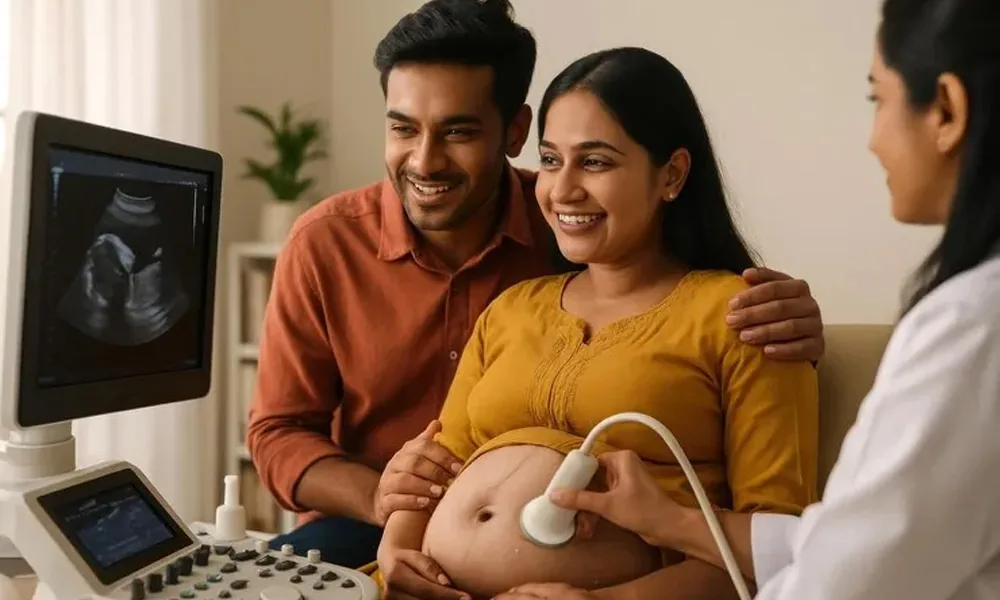
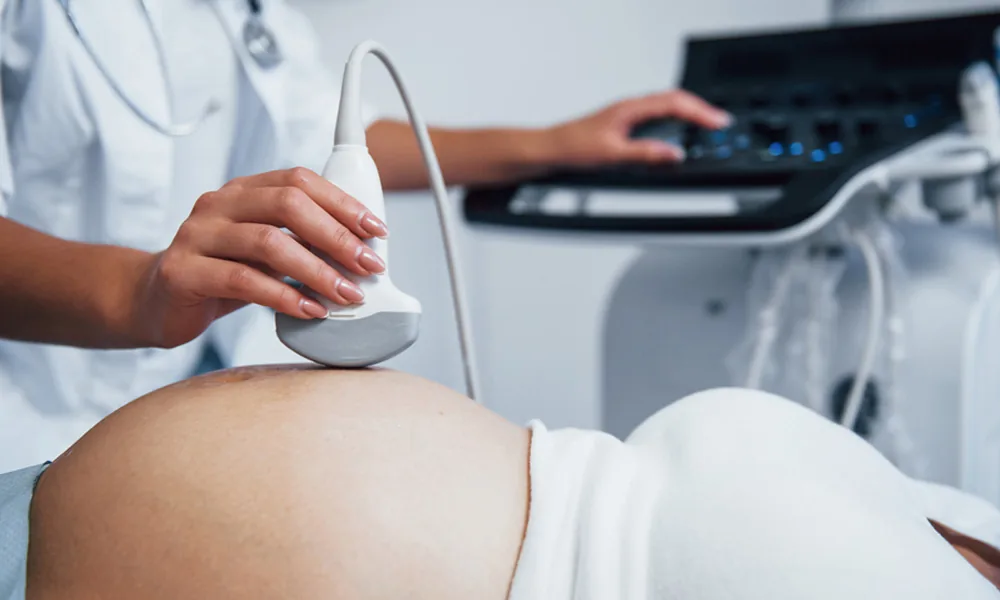
- An examination and, if needed, a transvaginal ultrasound
- A treatment plan with the options explained, and a follow-up date
Bring earlier scans and reports, a list of your medicines and your pain diary if you have kept one.
Endometriosis Treatment Near Banaswadi, KR Puram, Horamavu, Ramamurthy Nagar and Tin Factory
Sai Speciality Center is at 201-1, 1st A Cross, 2nd Main Road, East of NGEF Layout, Kasturi Nagar, Bengaluru 560043. Women from Banaswadi, KR Puram, Horamavu, Ramamurthy Nagar, Tin Factory and Kalyan Nagar visit the clinic for pelvic pain and endometriosis care. Long-term follow-up is part of treatment, so a clinic close to home is easier to keep going to.
Meet the Doctor
Dr. Kavitha Lakshmi Easwaran is a Senior Consultant Obstetrician and Gynaecologist (MBBS, MD (OBG), Karnataka Medical Council registration 69643). She sees women with painful periods, pelvic pain, endometriosis and fertility concerns at the clinic.
Frequently Asked Questions
What is endometriosis?
Endometriosis is a condition in which tissue similar to the womb lining grows outside the uterus, causing pain, heavy periods and sometimes difficulty getting pregnant.
What are the first signs of endometriosis?
The most common first sign is painful periods that are worse than usual. Pelvic pain between periods, pain during sex and bowel or bladder pain around your period are also common.
Is very painful period pain normal?
Mild cramps are common, but pain that stops you from carrying on with daily life is not normal and should be checked by a gynaecologist.
How is endometriosis diagnosed?
Usually from your symptoms, an examination and a transvaginal ultrasound or MRI. Laparoscopy is used when imaging is negative and treatment has not worked, or when surgery is planned.
Is a normal ultrasound enough to rule out endometriosis?
No. Superficial endometriosis often does not show on scans. If your symptoms continue, tell your doctor even if your scan was normal.
Can endometriosis be cured?
There is no cure. Pain medicines, hormone treatment and surgery can control symptoms, and symptoms can return after treatment, so follow-up is important.
Do I need surgery for endometriosis?
Not always. Many women are managed with pain relief and hormone treatment. Surgery is considered when these do not work, for an endometrioma, or for deep disease.
Can I get pregnant if I have endometriosis?
Yes, many women do, naturally or with treatment such as IUI or IVF. The right option depends on the extent of the disease, your age and your partner's tests.
Does pregnancy cure endometriosis?
No. Symptoms may ease during pregnancy, but pregnancy is not a treatment and the condition can come back afterwards.
What is the difference between endometriosis and adenomyosis?
In endometriosis, womb-like tissue grows outside the uterus. In adenomyosis, it grows into the muscular wall of the uterus. The two can occur together.
What happens if endometriosis is not treated?
Pain can continue or worsen, and cysts or scar tissue may develop, which can affect fertility. Early assessment helps you choose a treatment before problems build up.
Where can I get endometriosis treatment near Banaswadi or KR Puram?
Sai Speciality Center in Kasturi Nagar sees women from Banaswadi, KR Puram, Horamavu, Ramamurthy Nagar and Tin Factory. Call 80887 01001 or 99019 25700 to book.
Book an Endometriosis Consultation in Bangalore
If you have painful periods or pelvic pain, the first step is a consultation and, if needed, a scan. Call 80887 01001 or 99019 25700, or use the contact page.
This page is general information, was last updated in October 2026, and does not replace advice from your doctor.