
PCOS (PMOS) Treatment in Bangalore
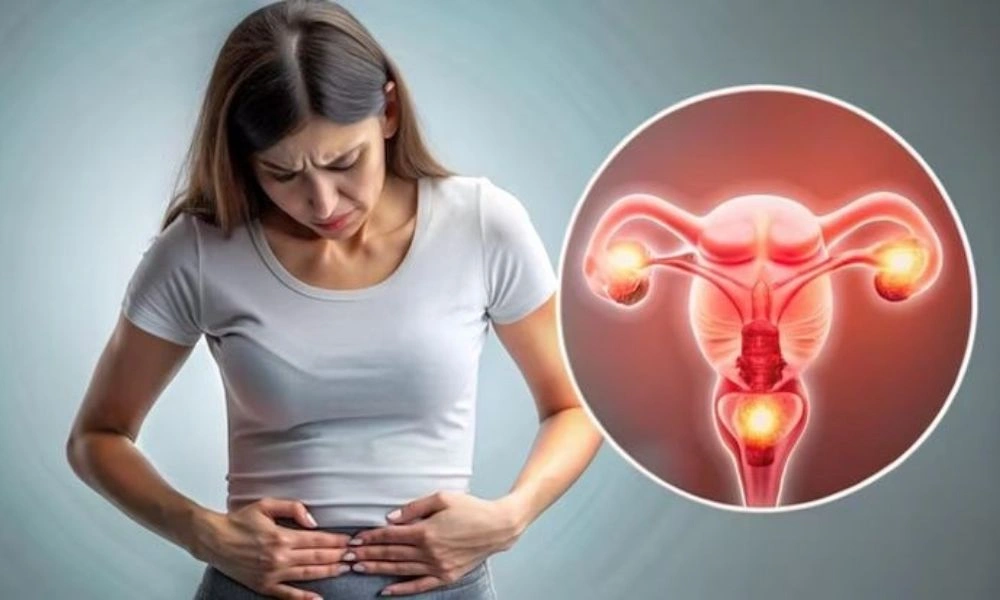
PCOS, officially renamed PMOS (polyendocrine metabolic ovarian syndrome) in May 2026, is a long-term hormonal and metabolic condition that affects an estimated 10 to 13 percent of women of reproductive age. It commonly causes irregular periods, acne, extra facial or body hair and difficulty conceiving, and it raises the long-term risk of diabetes and heart disease. There is no cure, but good treatment controls symptoms, supports fertility and lowers long-term risk. At Sai Speciality Center in Kasturi Nagar, Bengaluru, PCOS care is provided under Dr. Kavitha Lakshmi Easwaran, MBBS, MD (OBG).
Quick answers
- Is PCOS the same as PMOS? Yes. PMOS is the new official name for the same condition. The old name is being phased out over about three years.
- Is PCOD different from PCOS? In India the two terms are often used interchangeably. Doctors diagnose one condition using the criteria below.
- Can PCOS be cured? No, but it can be managed well with lifestyle changes and, when needed, medicines.
- Can I get pregnant with PCOS? Yes. Most women with PCOS can conceive, sometimes with ovulation medicines.
- How is it diagnosed? By history, examination, blood tests and an ultrasound or AMH test, after other causes are ruled out.
PCOS, PCOD and PMOS: What the Names Mean
The name polycystic ovary syndrome suggested that the problem was cysts in the ovaries. In fact, a woman can have PCOS without ovarian cysts, and having many small follicles on a scan does not by itself mean PCOS. The condition involves hormones, insulin and metabolism as well as the ovaries.
In May 2026, a global consensus published in The Lancet renamed it polyendocrine metabolic ovarian syndrome (PMOS) to reflect this. The change follows 14 years of work with patients and health professionals. The new name will be fully adopted in the 2028 update of the international guideline, so until then doctors continue to use the diagnostic criteria described below. You will still see PCOS on most reports and websites for some time.
Symptoms of PCOS
Symptoms vary from woman to woman, and some women have only one or two. Common signs are:
- Irregular, infrequent or absent periods
- Heavy or prolonged bleeding in some women
- Acne or oily skin
- Extra hair on the face, chest or abdomen
- Thinning hair on the scalp
- Weight gain, especially around the abdomen
- Dark, velvety patches of skin on the neck or underarms
- Difficulty getting pregnant
- Low mood, anxiety or poor sleep
Irregular periods are normal in the first years after periods begin and around menopause, so doctors look at your age and the full picture before diagnosing PCOS.
What Causes PCOS?
The exact cause is not fully understood. Several factors work together: higher levels of male-type hormones (androgens), insulin resistance, which makes the body produce more insulin, and a family tendency. High insulin can push the ovaries to make more androgens, which disturbs ovulation. Weight gain can make this worse, but women of normal weight can have PCOS too.
How PCOS Is Diagnosed
In adults, PCOS is diagnosed when at least two of these three features are present and other conditions have been ruled out:
- Irregular or absent ovulation, seen as irregular periods
- Signs of high androgens, such as acne and extra hair, or a raised blood testosterone
- Polycystic-looking ovaries on ultrasound, or a raised AMH blood level
The 2023 international guideline allows an AMH blood test to be used instead of an ultrasound in adults. If a woman already has irregular periods and signs of high androgens, neither is needed. In teenagers, AMH and ultrasound are not used, because they can be misleading in the early years after periods start.
Because other conditions can look like PCOS, your doctor may also check:
- Thyroid function (TSH)
- Prolactin
- Testosterone and related hormones
- Blood sugar, such as fasting glucose or an oral glucose tolerance test
- Cholesterol and blood pressure
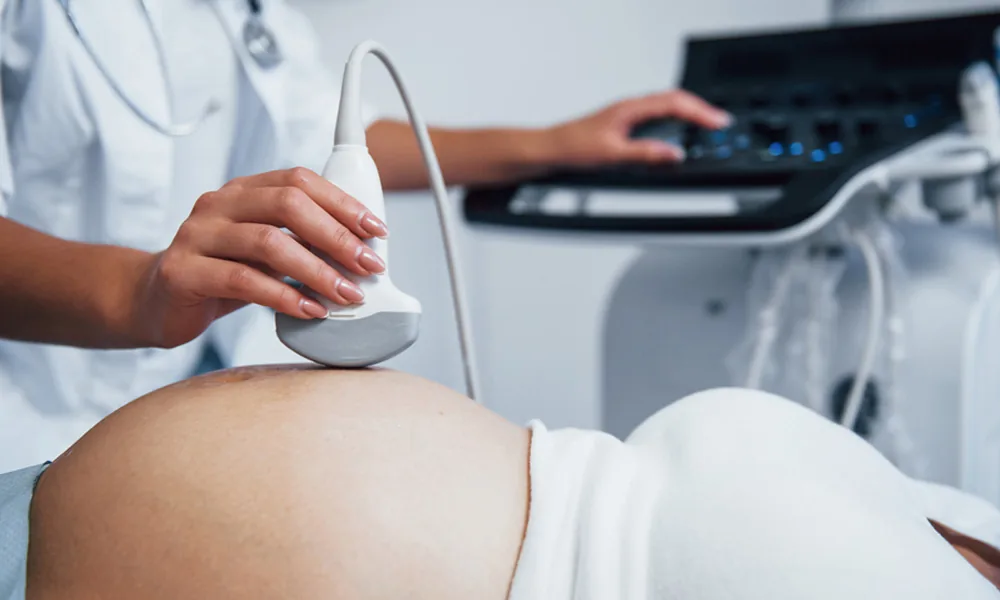
- A pelvic ultrasound
Health Risks Beyond Periods and Fertility
PCOS is not only a reproductive condition. Over the long term it is linked with:
- Insulin resistance and type 2 diabetes
- High blood pressure and high cholesterol
- Thickening of the uterine lining when periods are very infrequent
- Sleep apnoea and fatty liver
- Anxiety, depression and negative body image
- Higher chances of gestational diabetes and high blood pressure in pregnancy
This is why regular check-ups matter even when periods or fertility are not a concern. Most of these risks can be reduced with early treatment and healthy habits.
PCOS Treatment Options
Treatment depends on what bothers you most and whether you want to become pregnant now. It is chosen together with your doctor.
Lifestyle changes come first
Regular physical activity and a balanced diet are recommended for every woman with PCOS, even when weight does not change. If you are overweight, losing a modest amount, around 5 to 10 percent of body weight, can improve periods, ovulation and blood sugar. There is no single "PCOS diet". Our guide to PCOS weight gain and how to control it covers practical steps.
Medicines to regulate periods and treat acne or hair growth
Combined oral contraceptive pills are commonly used to regulate cycles, protect the uterine lining and reduce acne and unwanted hair. Anti-androgen medicines may be added for hair and acne. These are not suitable for everyone, especially if you are trying to conceive, so your doctor will check your history first.
Medicines for insulin resistance
Metformin may be suggested for some women, mainly those with insulin resistance, higher body weight or abnormal blood sugar. It is not needed by everyone with PCOS.
Ovulation induction for pregnancy
If you are trying to conceive, ovulation medicines are the usual next step. Letrozole is now widely used as a first choice, and clomiphene or injections may be used in other cases. Your doctor monitors the response with scans to reduce the chance of twins. Read more on our ovulation induction page.
IUI, IVF and surgery
If ovulation induction does not work, IUI or IVF may be discussed. A minor laparoscopic procedure on the ovaries is occasionally an option in selected cases. Surgery is not a first-line treatment for PCOS.
Emotional health and sleep
Mood and sleep problems are common with PCOS and deserve treatment in their own right. Tell your doctor if you feel low, anxious or constantly tired.
PCOS and Pregnancy
PCOS is one of the most common reasons for irregular ovulation, but most women with PCOS can become pregnant, either on their own or with ovulation treatment. Planning ahead helps. A preconception check-up allows blood sugar, thyroid, weight and medicines to be reviewed before you conceive.
Pregnancy with PCOS carries a higher chance of early miscarriage, gestational diabetes, high blood pressure and preterm birth, so it should be identified early in antenatal care and monitored more closely. With good care, most of these pregnancies go well.
When Should You See a Gynaecologist?
Book a consultation if you have:
- Periods more than 35 days apart, fewer than nine in a year, or none for three months
- Acne, extra hair or hair thinning that is getting worse
- Been trying to conceive for six to twelve months, depending on your age
- Sudden weight gain or dark patches of skin
- Very heavy bleeding or bleeding that lasts more than seven days
Our page on irregular periods treatment explains how cycle problems are assessed.
What to Expect at Your First Visit
- A discussion of your periods, weight changes, skin and hair symptoms, family history and pregnancy plans
- A physical examination, including blood pressure and weight
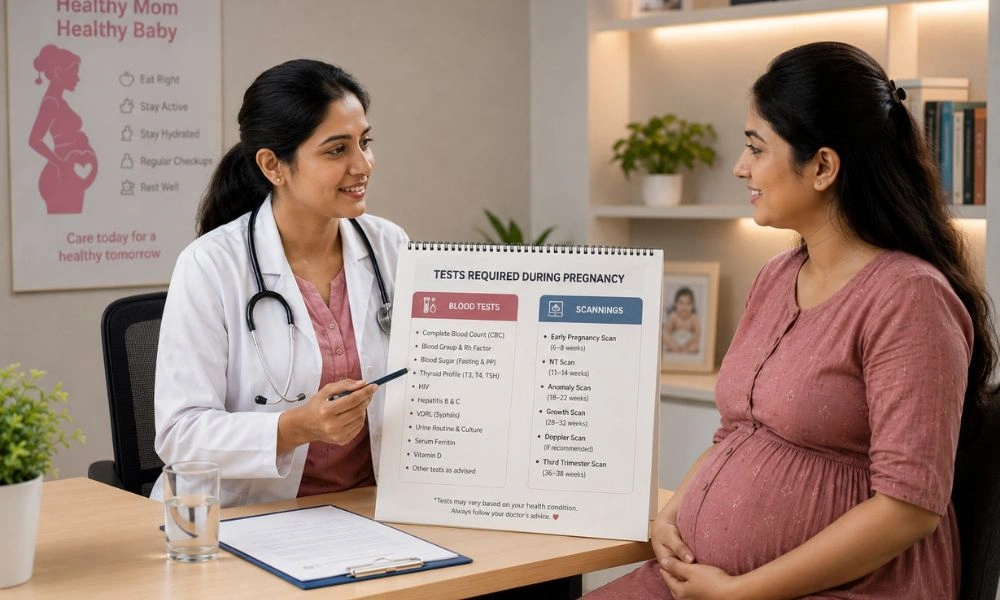
- Blood tests and a pelvic ultrasound if needed
- A treatment plan that matches your main concern, with a follow-up date
Bring earlier scans and blood reports, a list of your medicines and a note of the first day of your last period.
PCOS Treatment Near Banaswadi, KR Puram, Horamavu, Ramamurthy Nagar and Tin Factory
Sai Speciality Center is at 201-1, 1st A Cross, 2nd Main Road, East of NGEF Layout, Kasturi Nagar, Bengaluru 560043. Women from Banaswadi, KR Puram, Horamavu, Ramamurthy Nagar, Tin Factory and Kalyan Nagar visit the clinic for PCOS evaluation and long-term follow-up. Because PCOS care involves repeat visits, a clinic close to home makes it easier to keep up.
Meet the Doctor
Dr. Kavitha Lakshmi Easwaran is a Senior Consultant Obstetrician and Gynaecologist (MBBS, MD (OBG), Karnataka Medical Council registration 69643). She sees women with PCOS, irregular periods, hormonal problems and fertility concerns at the clinic.
Frequently Asked Questions
What is PCOS, and why is it now called PMOS?
PCOS is a hormonal and metabolic condition that affects ovulation. In May 2026 it was officially renamed polyendocrine metabolic ovarian syndrome (PMOS), because it involves far more than the ovaries.
What is the difference between PCOD and PCOS?
In India the terms are often used for the same condition. Doctors diagnose it using the same criteria, whichever name is used on your report.
What are the first signs of PCOS?
Irregular periods are the most common first sign. Others include acne, extra facial or body hair, thinning scalp hair and weight gain around the abdomen.
How is PCOS diagnosed?
Doctors look for at least two of three features: irregular ovulation, signs of high androgens, and polycystic-looking ovaries on ultrasound or a raised AMH level. Other causes such as thyroid problems are ruled out first.
Can PCOS be cured?
There is no cure, but symptoms can be controlled and long-term risks lowered with lifestyle changes and, when needed, medicines.
Can I get pregnant if I have PCOS?
Yes. Many women with PCOS conceive on their own or with ovulation medicines. If that does not work, IUI or IVF can be discussed.
Do I need to lose weight to treat PCOS?
Not everyone does. Healthy eating and regular activity help all women with PCOS. If you are overweight, losing 5 to 10 percent of your body weight can improve periods and ovulation.
Is there a special diet for PCOS?
No single diet suits everyone. A balanced diet with vegetables, fibre, protein and fewer sugary or highly processed foods is a sensible base, adjusted to your blood sugar and weight.
Are birth control pills safe for PCOS?
Combined pills are commonly used to regulate periods and reduce acne and hair growth. They are not suitable for everyone, so your doctor checks your history first. They are not used if you are trying to conceive.
Does PCOS increase the risk of diabetes?
Yes. PCOS is linked with insulin resistance and a higher risk of type 2 diabetes, so blood sugar is checked at diagnosis and then regularly.
Will PCOS affect my pregnancy?
PCOS raises the chance of gestational diabetes, high blood pressure and early miscarriage. Early antenatal care and closer monitoring help most pregnancies go well.
Where can I get PCOS treatment near Banaswadi or KR Puram?
Sai Speciality Center in Kasturi Nagar sees women from Banaswadi, KR Puram, Horamavu, Ramamurthy Nagar and Tin Factory. Call 80887 01001 or 99019 25700 to book.
Book a PCOS Consultation in Bangalore
If your periods are irregular or you are trying to conceive, the first step is a consultation and a few simple tests. Call 80887 01001 or 99019 25700, or use the contact page.
This page is general information, was last updated in October 2026, and does not replace advice from your doctor.