
Postnatal Care
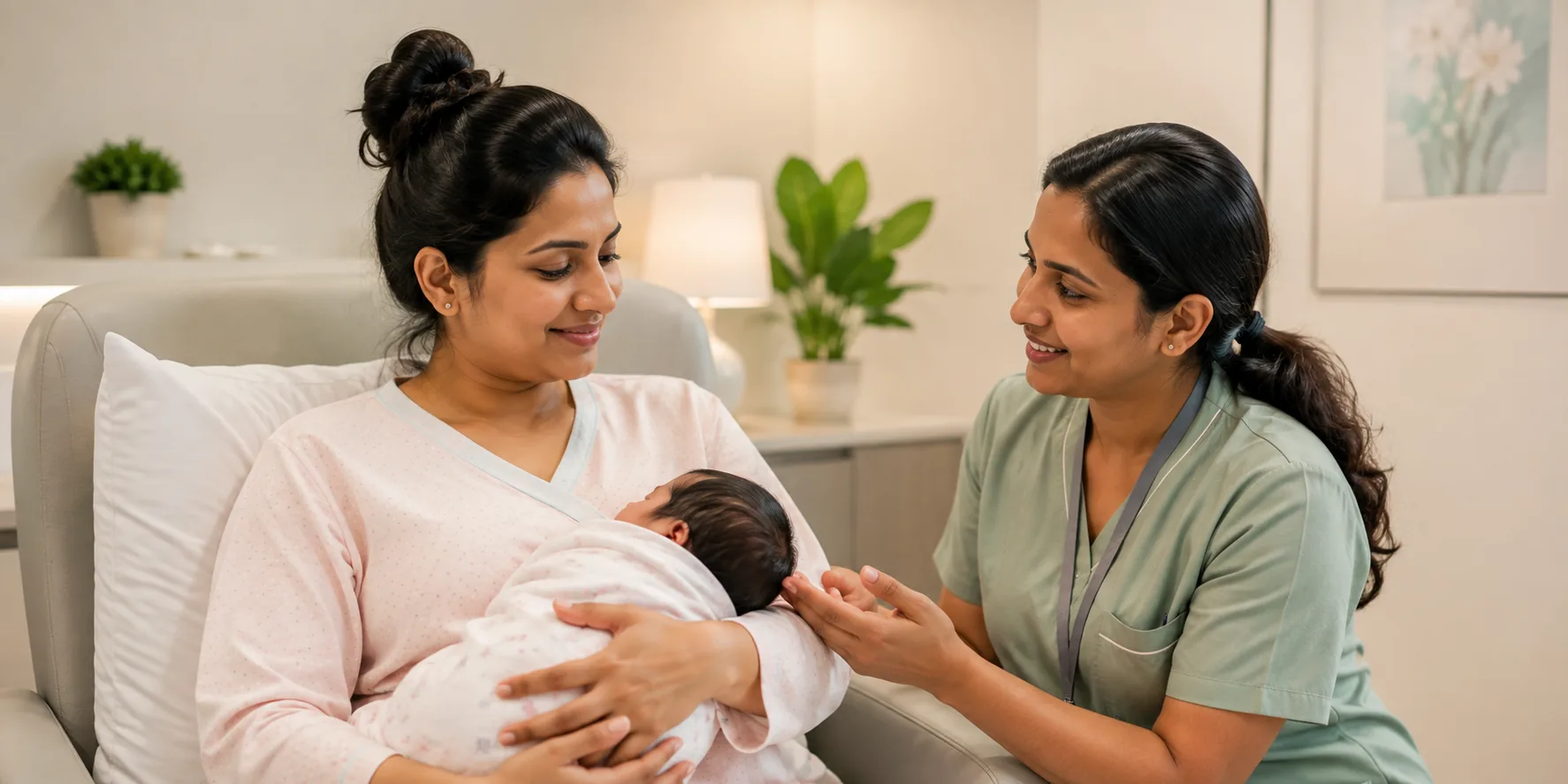
Sai Speciality Center provides comprehensive postnatal care for mothers and newborns after childbirth. Our postnatal services focus on helping mothers recover safely after delivery, supporting breastfeeding, monitoring the baby's health, and identifying any physical or emotional concerns during the weeks following birth.
Whether you have had a normal vaginal delivery or a Caesarean section, regular postnatal care helps ensure a smooth recovery for both mother and baby.
Postnatal care, also known as postpartum care, refers to the medical care provided to a mother and her baby after childbirth. The postnatal period begins immediately after delivery and continues for approximately six weeks, although some women may require follow-up care for a longer period.
This phase is important because the mother's body undergoes significant physical and hormonal changes while adapting to caring for a newborn. Regular postnatal check-ups help monitor healing, breastfeeding, emotional wellbeing and the baby's growth.
The World Health Organization (WHO) recommends routine postnatal care for every mother and newborn to identify complications early and support healthy recovery.
The weeks after childbirth are different for every woman. While many mothers recover without complications, some may experience physical or emotional challenges that require medical care.
Recovery After Normal Delivery
Women who have had a vaginal delivery may need follow-up care for healing, pain management, breastfeeding support, and overall recovery.
Recovery After Caesarean Section
Recovery after a Caesarean delivery includes monitoring wound healing, pain control, infection prevention, and gradual return to normal activities.
Breastfeeding Support
Many new mothers experience challenges such as:
- Difficulty breastfeeding
- Poor baby latch
- Breast pain
- Engorgement
- Cracked nipples
- Low milk supply
Early guidance helps improve breastfeeding success.
Postpartum Bleeding
Vaginal bleeding after delivery is normal during the first few weeks. However, excessive bleeding, large clots, or foul-smelling discharge should be evaluated immediately.
Wound Healing
Women may require follow-up for:
- Caesarean wound care
- Episiotomy healing
- Perineal tears
- Infection prevention
Emotional Wellbeing
Hormonal changes after childbirth can affect emotional health.
Some mothers experience:
- Mood swings
- Anxiety
- Difficulty sleeping
- Feeling overwhelmed
- Postpartum depression
Early support and medical care can improve recovery.
Urinary and Pelvic Floor Problems
Some women experience:
- Urinary leakage
- Pelvic pain
- Pelvic floor weakness
- Difficulty controlling bowel movements
These conditions can often be managed with early treatment and pelvic floor rehabilitation.
| Postnatal Concern | Common Symptoms | Diagnosis | Management |
|---|---|---|---|
| Recovery After Delivery | Pain, fatigue | Physical examination | Recovery guidance and medicines |
| Caesarean Wound Care | Pain, redness | Wound assessment | Dressing and infection management |
| Breastfeeding Problems | Pain, poor latch | Breastfeeding assessment | Lactation support |
| Postpartum Bleeding | Heavy bleeding | Clinical examination | Medical treatment if required |
| Postpartum Depression | Sadness, anxiety | Mental health assessment | Counselling and treatment |
| Urinary Problems | Leakage, burning | Urine tests and examination | Pelvic floor exercises or treatment |
| Family Planning | Birth spacing | Consultation | Contraceptive counselling |
Every new mother should attend a postnatal check-up even if she feels well.
Book an appointment if you have:
- Heavy vaginal bleeding
- Fever after delivery
- Severe abdominal pain
- Redness or discharge from the Caesarean wound
- Breast pain or swelling
- Difficulty breastfeeding
- Pain during urination
- Urinary leakage
- Severe constipation
- Persistent pelvic pain
- Mood changes lasting more than two weeks
- Concerns about wound healing
- Questions about contraception or family planning
Routine postnatal visits also help assess recovery, discuss nutrition, and monitor emotional wellbeing.
Seek Immediate Medical Attention If You Have
- Very heavy bleeding soaking pads quickly
- Large blood clots
- High fever
- Severe abdominal pain
- Difficulty breathing
- Chest pain
- Severe headache with blurred vision
- Foul-smelling vaginal discharge
- Red, painful or swollen Caesarean wound
- Thoughts of harming yourself or your baby
These symptoms require urgent medical care.
During a postnatal consultation, the doctor evaluates both the mother's recovery and any concerns related to the newborn.
The consultation includes a review of:
- Delivery history
- Current symptoms
- Breastfeeding
- Bleeding pattern
- Pain
- Emotional wellbeing
- Sleep
- Nutrition
- Medical history
Physical Examination
The doctor may assess:
- Blood pressure
- Weight
- Caesarean wound
- Perineal healing
- Breast health
- Uterus recovery
- Pelvic floor strength
Investigations (When Required)
Depending on symptoms, investigations may include:
- Complete Blood Count (CBC)
- Blood Sugar Test
- Urine Examination
- Wound Culture
- Ultrasound (if required)
- Thyroid Function Test
- Infection Screening
Not every woman requires investigations. Tests are recommended based on symptoms and clinical findings.
Recovery after childbirth is personalised according to the mother's health, delivery type and individual needs.
Postpartum Health Monitoring
Routine follow-up includes:
- Recovery assessment
- Blood pressure monitoring
- Wound healing
- Pain management
- Uterine recovery
- Bleeding assessment
Breastfeeding Counselling
The doctor provides guidance on:
- Proper baby latch
- Breastfeeding positions
- Milk supply concerns
- Breast care
- Managing engorgement
- Expressing breast milk
Nutrition After Delivery
Good nutrition supports healing and breastfeeding.
Recommendations may include:
- Iron supplements
- Calcium
- Protein-rich foods
- Adequate fluids
- Vitamin supplements (when required)
Nutrition advice is personalised according to the mother's recovery and breastfeeding status.
Pelvic Floor Recovery
Women experiencing pelvic floor weakness or urinary leakage may benefit from:
- Pelvic floor exercises
- Lifestyle advice
- Referral for physiotherapy if required
Emotional Health Support
The doctor screens for emotional wellbeing during postnatal visits.
Support may include:
- Counselling
- Family support advice
- Mental health referral when necessary
Early recognition of postpartum depression leads to better outcomes for both mother and baby.
Family Planning and Contraception
Postnatal consultations include advice on:
- Birth spacing
- Contraceptive options
- Future pregnancy planning
Choosing the right contraceptive method depends on breastfeeding status, medical history, and personal preference.
Postnatal care at Sai Speciality Center is provided under the guidance of Dr. Kavitha Lakshmi Easwaran, Senior Consultant Obstetrician and Gynaecologist.
Her expertise includes:
- Postpartum Recovery
- Caesarean Follow-up
- Breastfeeding Support
- Postnatal Counselling
- Family Planning
- Women's Health
- High-Risk Pregnancy Follow-up
- Pelvic Health
With over 26 years of clinical experience, she provides compassionate care to help mothers recover safely after childbirth.
Sai Speciality Center provides comprehensive postnatal services including:
- Postnatal Consultation
- Caesarean Wound Care
- Breastfeeding Counselling
- Laboratory Services
- Pharmacy Support
- Nutrition Guidance
- Family Planning Counselling
- Follow-up Appointments
- Referral Support (when required)
The clinic offers continued care for mothers from the time of delivery through recovery.
Sai Speciality Center is located in Kasturi Nagar, Bangalore, and provides postnatal care for mothers from:
- KR Puram
- Tin Factory
- Banaswadi
- Horamavu
- Ramamurthy Nagar
Many mothers from these nearby areas visit the clinic for recovery after delivery, breastfeeding support, wound care, postnatal health checks and family planning advice.
Sai Speciality Center provides comprehensive postnatal care for mothers travelling from KR Puram, Tin Factory, Banaswadi, Horamavu and Ramamurthy Nagar, ensuring continued care after childbirth close to home.
What is postnatal care?
Postnatal care is the medical care provided to a mother and her baby after childbirth to monitor recovery, breastfeeding, emotional well-being, and overall health.
When should I have my first postnatal check-up?
Most women should have an early follow-up after delivery and a comprehensive postnatal check-up within six weeks. Your doctor may recommend additional visits depending on your health.
Is vaginal bleeding normal after delivery?
Yes. Bleeding is expected after childbirth and usually reduces over time. However, very heavy bleeding, large clots, or foul-smelling discharge requires immediate medical attention.
How long does it take to recover after a Caesarean section?
Recovery varies from person to person, but most women begin to feel better within several weeks. Complete healing may take longer, and regular follow-up is important.
What should I do if breastfeeding is painful?
Pain during breastfeeding may be caused by poor latch, engorgement or nipple injury. Early breastfeeding support can help improve comfort and feeding.
Can I exercise after childbirth?
Light activity such as walking is often encouraged after delivery, but more strenuous exercise should begin only after medical advice, depending on your recovery.
When can I start using contraception after delivery?
Contraception can be started soon after childbirth, depending on the chosen method and whether you are breastfeeding. Your doctor will help you select the most suitable option.
What are the signs of postpartum depression?
Persistent sadness, anxiety, loss of interest, sleep problems, difficulty bonding with the baby, or thoughts of self-harm should be discussed with a healthcare professional immediately.
Recovery after childbirth is just as important as pregnancy care. Regular postnatal check-ups help monitor healing, support breastfeeding, address emotional wellbeing, and ensure both mother and baby remain healthy.