July 14th, 2026
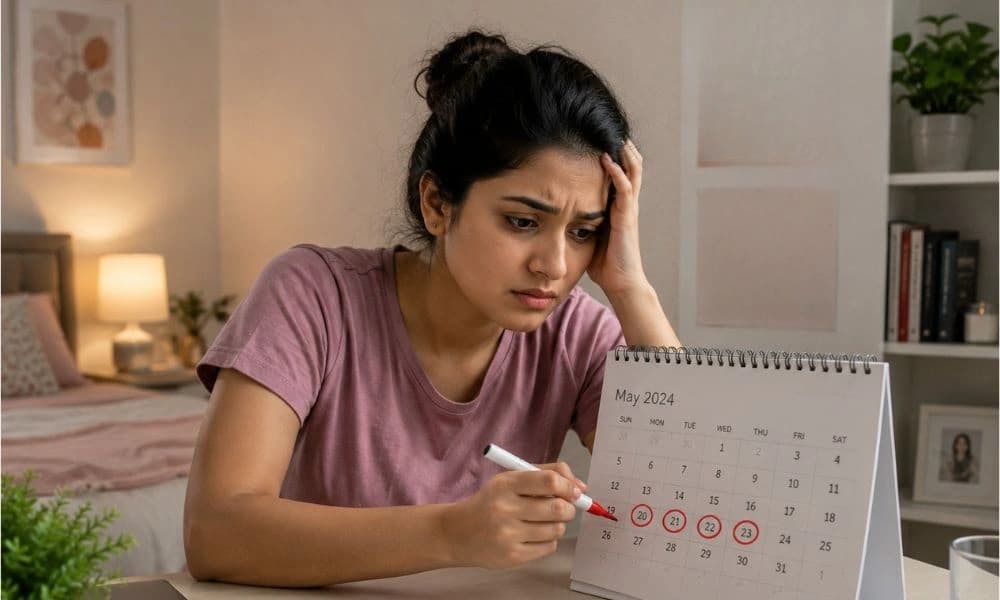
PCOS can cause irregular periods, acne, weight gain, excess facial hair, hair thinning, dark patches on the skin, and difficulty getting pregnant. If you are looking for PCOS treatment near Tin Factory, early gynecologist consultation can help identify hormone imbalance, insulin resistance, ovulation issues, and fertility-related concerns.
PCOS, or polycystic ovary syndrome, is a common hormonal and metabolic condition that affects periods, ovulation, skin, hair growth, weight, and fertility. It is not only an “ovary problem.” It can affect the whole body, including metabolism and long-term health.
WHO describes PCOS as a chronic metabolic condition linked with higher long-term risk of insulin resistance, type 2 diabetes, and obesity. There is no permanent cure, but lifestyle changes, medicines, and fertility treatment can help manage symptoms and improve pregnancy chances.
Sai Speciality Center in Kasturi Nagar is accessible from Tin Factory, Mahadevapura, CV Raman Nagar, Indiranagar, Halasuru, Banaswadi, and nearby East Bangalore areas. The centre provides gynecology, fertility, pregnancy, maternity, and women’s healthcare services.
Many women ignore PCOS symptoms because they think irregular periods or acne are normal. But untreated PCOS can affect menstrual health, fertility, weight, skin health, and long-term metabolic health.
ACOG explains that PCOS affects more than the reproductive system and may increase the risk of insulin resistance, type 2 diabetes, cardiovascular disease, and metabolic syndrome.
Early diagnosis can help women manage symptoms better and reduce future health risks.
Irregular periods are one of the most common signs of PCOS. You may have periods that are delayed, missed, unpredictable, or very light.
You should visit a gynecologist if:
Irregular periods may mean ovulation is not happening regularly. This can affect fertility and pregnancy planning.
PCOS can increase androgen levels, which may lead to acne on the face, chin, jawline, chest, or back. This acne may keep returning even after using skincare products.
If acne is combined with irregular periods, weight gain, or facial hair growth, it should be checked by a gynecologist.
Unwanted hair growth on the upper lip, chin, chest, stomach, or back can happen due to high androgen levels. This is called hirsutism.
Not every woman with facial hair has PCOS, but if it comes with irregular periods or acne, PCOS evaluation is important.
Many women with PCOS struggle with weight gain, especially around the abdomen. This may be linked to insulin resistance.
Insulin resistance means the body has difficulty using insulin properly. It can increase cravings, weight gain, tiredness, and long-term diabetes risk.
PCOS can sometimes cause hair thinning on the scalp, especially near the crown or front hairline. This may happen because of an androgen imbalance.
If hair fall is severe or combined with irregular periods, acne, or facial hair, a hormone evaluation may be needed.
Dark, thick, velvety patches around the neck, underarms, inner thighs, or skin folds can be linked with insulin resistance.
This is one of the signs that PCOS may also be affecting metabolism, not just periods.
PCOS can affect ovulation. If ovulation is irregular, pregnancy may take longer.
You should consult a fertility doctor if:
PCOS does not mean you cannot get pregnant. Many women conceive with proper ovulation tracking, lifestyle changes, medicines, or fertility support.
| Sign | What It May Suggest | When to Visit |
|---|---|---|
| Irregular periods | Ovulation problem, hormone imbalance | If cycles are repeatedly delayed |
| Acne and oily skin | High androgen levels | If acne returns with period changes |
| Facial hair growth | Androgen imbalance | If hair growth is sudden or increasing |
| Weight gain | Insulin resistance | If weight gain is unexplained |
| Difficulty conceiving | Irregular ovulation | If pregnancy is delayed |
| Dark neck patches | Insulin resistance | If patches appear with weight gain |
PCOS is diagnosed based on symptoms, medical history, physical examination, blood tests, and ultrasound when needed.
Your gynecologist may ask about:
Common tests may include:
Not every woman needs every test. Your doctor will suggest tests based on your symptoms.
PCOS treatment depends on your symptoms and goals. The treatment plan may be different for a teenager, an unmarried woman, a woman trying to conceive, or someone with weight and insulin resistance concerns.
Lifestyle correction is usually one of the first steps. This includes:
Even modest weight improvement may help periods and ovulation in some women.
If periods are delayed or absent, your doctor may suggest medicines to regulate cycles and protect the uterine lining. Do not take hormonal tablets without medical advice.
For acne, excess hair growth, or hair thinning, treatment may include hormonal medicines, skin care guidance, anti-androgen medicines, or dermatologist referral when needed.
These treatments should be taken only after medical evaluation.
If insulin resistance or high blood sugar risk is present, your doctor may advise lifestyle changes, sugar monitoring, or medicines such as insulin-sensitizing treatment when appropriate.
If you are trying to conceive, treatment may include:
Sai Speciality Center’s website mentions infertility management up to Intrauterine Insemination under Dr. Kavitha Lakshmi Easwaran’s profile.
PCOS usually cannot be “cured” permanently, but it can be managed well. Symptoms can improve with the right treatment, lifestyle changes, and regular follow-up.
The goal of treatment is to:
Book a consultation if you have:
Do not wait for symptoms to become severe. Early PCOS care can prevent complications and improve treatment results.
Sai Speciality Center in Kasturi Nagar is convenient for women from Tin Factory and nearby East Bangalore locations. The centre offers care for gynecology, fertility, pregnancy, maternity, and women’s wellness.
Dr. Kavitha Lakshmi Easwaran is listed as a Senior Consultant Obstetrician and Gynaecologist with 26 years of experience in women’s healthcare. Her listed expertise includes comprehensive gynecological care, high-risk obstetrics, gynecological procedures, and infertility management up to IUI.
PCOS signs include irregular periods, acne, facial hair, weight gain, hair thinning, dark skin patches, and difficulty conceiving.
PCOS is not just a period problem. It can affect hormones, metabolism, fertility, and long-term health.
If you are searching for PCOS treatment near Tin Factory, Sai Speciality Center in Kasturi Nagar is accessible for gynecology and fertility-related PCOS care.
You should visit a gynecologist if you have irregular periods, missed periods, acne, facial hair growth, weight gain, hair thinning, or difficulty getting pregnant.
Yes. PCOS can affect ovulation, which may make pregnancy take longer. With proper treatment, many women with PCOS can conceive.
No. Not every woman with PCOS is overweight. PCOS can occur in women with different body types.
Yes. Many women do not need IVF. Treatment may include lifestyle changes, medicines, ovulation tracking, and IUI if required.
Sai Speciality Center in Kasturi Nagar is accessible from Tin Factory for PCOS, gynecology, fertility, pregnancy, and women’s health care.
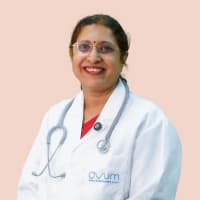
Dr. Kavitha Lakshmi Easwaran is a senior gynaecologist with over 28 years of experience, known for her patient-centric approach, clinical expertise, and commitment to supporting women’s health at every stage of life.
Regular antenatal care helps monitor the health of both mother and baby, identify potential concerns early, and prepare for a safer delivery with month-by-month guidance.
Read MoreUnderstand the complete pregnancy ultrasound scan timeline, including dating scans, NT scans, anomaly scans, and growth Doppler scans for expecting mothers.
Read MoreLearn what routine screenings, pelvic exams, Pap smears, ultrasound, and hormone tests are recommended during a comprehensive women's wellness checkup.
Read More