
Home > Specialities > Maternity Care > Delivery Guidance
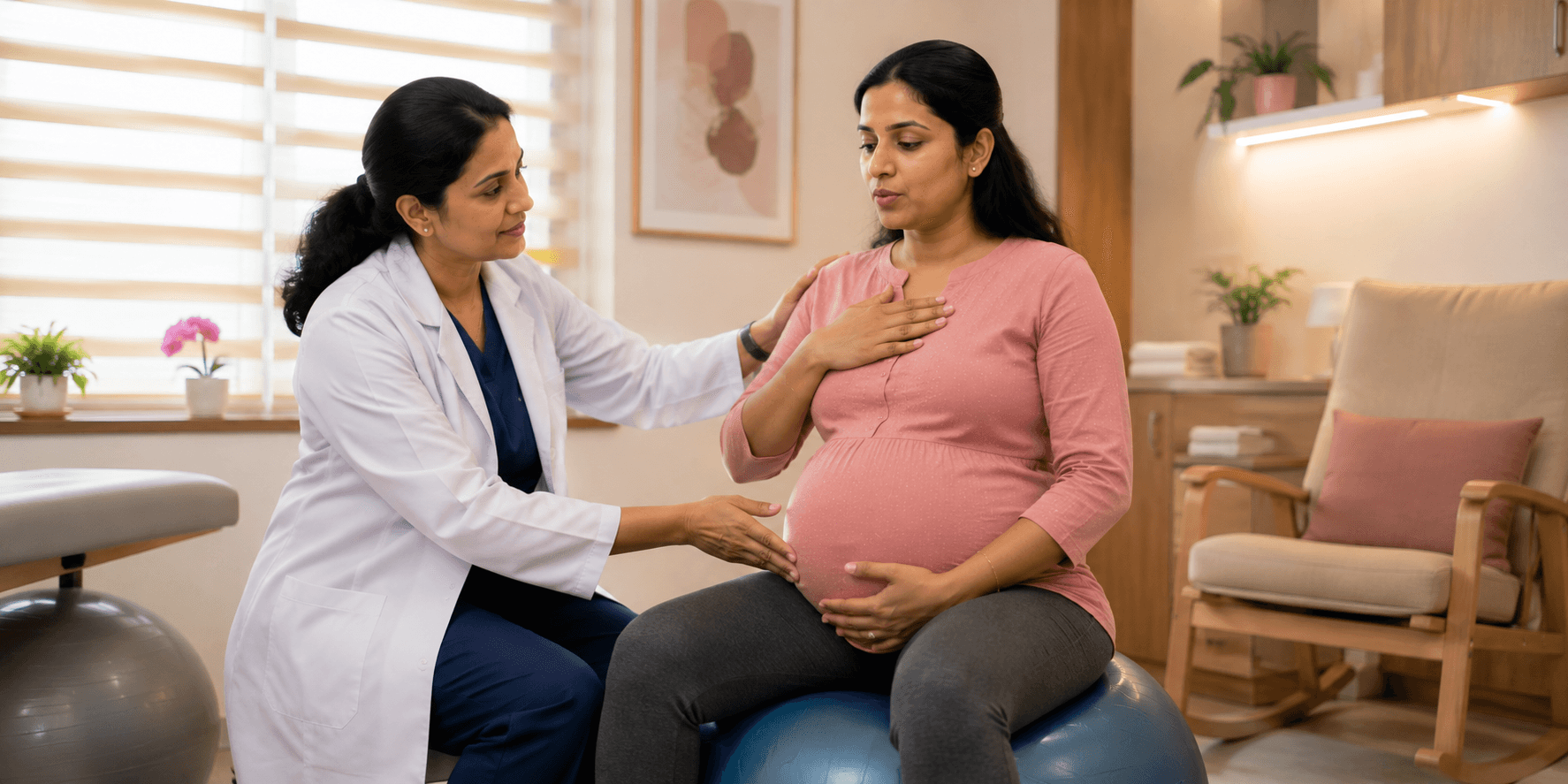
Sai Speciality Center provides comprehensive delivery guidance to help expectant mothers prepare for childbirth with confidence. From the final weeks of pregnancy to labour, delivery and immediate post-delivery care, our experienced obstetrician offers personalised guidance based on the health of the mother, the baby's condition, and the progress of pregnancy.
Whether you are planning a normal vaginal delivery or require a Caesarean section for medical reasons, our team helps you understand your options, prepare for labour and make informed decisions for a safe childbirth experience.
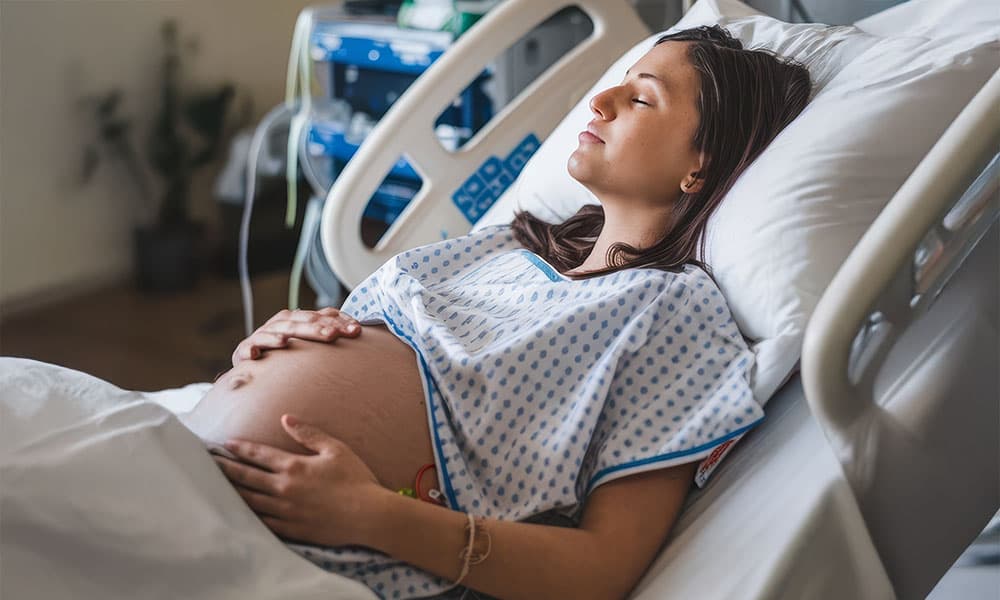
Delivery guidance is the medical counselling and planning provided during the later stages of pregnancy to prepare expectant mothers for labour and childbirth. It includes monitoring the baby's position, assessing the mother's health, discussing the safest mode of delivery, and educating parents about labour, pain management, and hospital admission.
Every pregnancy is unique. Some women may have a straightforward vaginal delivery, while others may require assisted delivery or a Caesarean section based on medical needs. Proper planning helps reduce anxiety and ensures timely medical care.
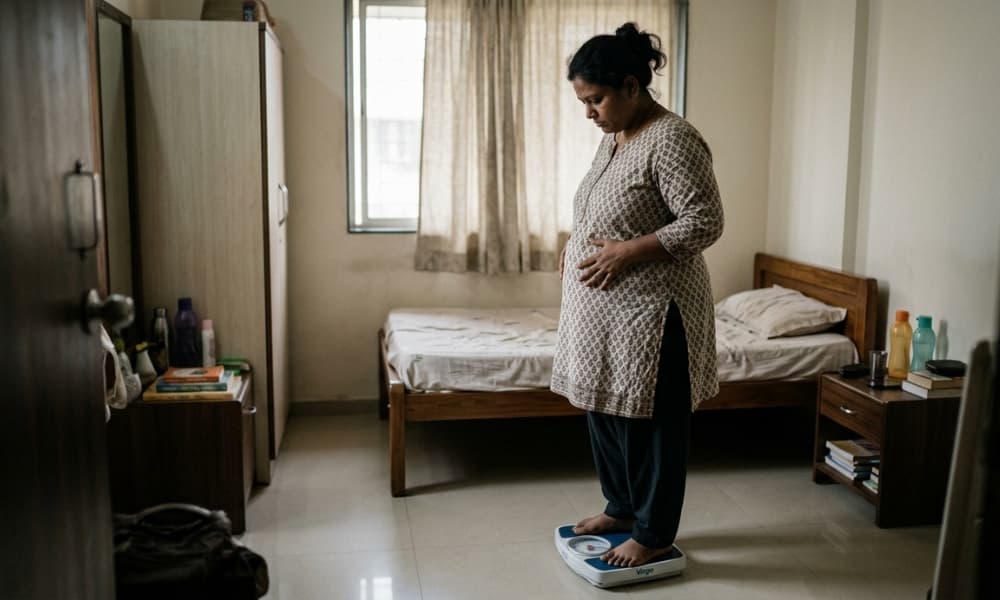
As the due date approaches, many women experience changes that indicate the body is preparing for labour. Understanding these signs helps expectant mothers know when to seek medical care.
Regular contractions that become stronger, longer, and closer together are one of the first signs of labour. Unlike false labour pains, true labour contractions continue even after resting.
Leakage of clear fluid from the vagina may indicate that the amniotic sac has ruptured. This requires prompt medical evaluation, even if contractions have not started.
A small amount of blood-stained mucus may be passed before labour begins. This is often a normal sign that the cervix is preparing for delivery.
Any noticeable decrease in your baby's movements during late pregnancy should be evaluated immediately.
If the baby is not in the head-down position near the due date, additional monitoring and delivery planning may be required.
Women who have had a previous Caesarean section require individual assessment to determine whether a vaginal birth after Caesarean (VBAC) or a repeat Caesarean section is the safest option.
Women with gestational diabetes, high blood pressure, twin pregnancy or other pregnancy complications may need planned delivery and closer monitoring.
| Delivery Concern | Common Symptoms | Assessment | Management |
|---|---|---|---|
| Labour Pain | Regular contractions | Clinical examination | Labour monitoring |
| Water Breaking | Leakage of fluid | Physical examination | Hospital admission and monitoring |
| Reduced Baby Movements | Less fetal activity | NST, Ultrasound | Fetal assessment |
| Breech Baby | Abnormal fetal position | Ultrasound | Delivery planning |
| Previous Caesarean | Previous surgery | Pregnancy review | VBAC or repeat Caesarean planning |
| High-Risk Pregnancy | Diabetes, hypertension | Maternal and fetal monitoring | Planned delivery |
| Post-Term Pregnancy | Pregnancy beyond 40 weeks | Ultrasound, NST | Induction or delivery planning |
Visit your doctor immediately if you experience:
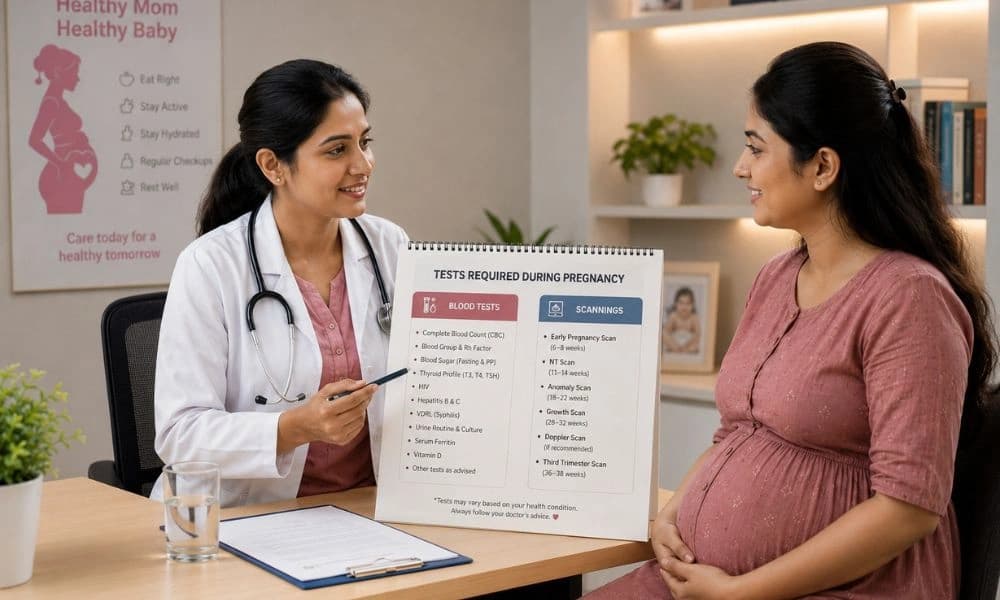
Regular antenatal visits during the final weeks of pregnancy are essential to monitor your health and prepare for delivery.
These situations require emergency medical care.
During the last trimester, the doctor regularly evaluates both the mother and baby to determine the safest delivery plan.
The consultation includes reviewing:
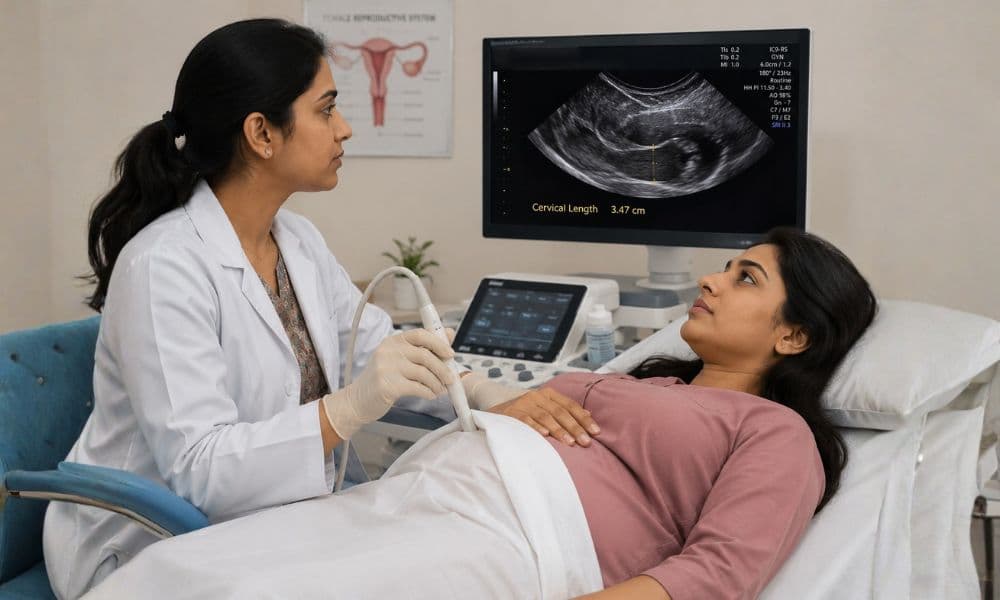
The doctor may assess:
Depending on the pregnancy stage, investigations may include:
These tests help assess the mother's health and the baby's wellbeing before delivery.
Every pregnancy is different, so the delivery plan is personalised according to the health of the mother and baby.
Your doctor will discuss:
If there are no medical complications, vaginal delivery is usually the preferred mode of childbirth because it generally allows quicker recovery and a shorter hospital stay.
The doctor monitors labour closely to ensure the safety of both mother and baby.
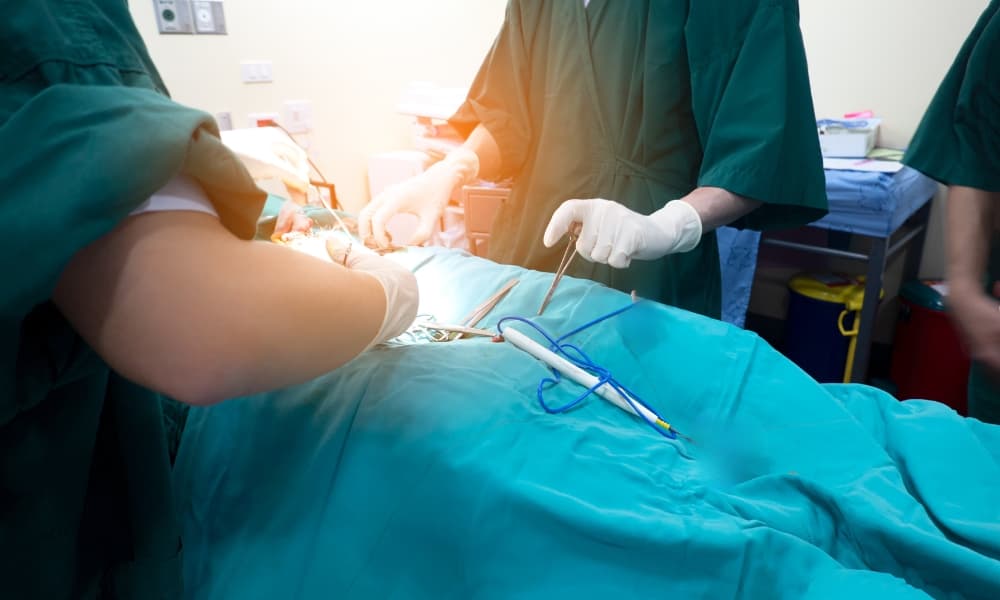
A Caesarean delivery may be recommended if:
The doctor explains the reasons, benefits, risks and expected recovery before the procedure.
Pain relief options may include:
The choice depends on the mother's preferences, labour progress and medical condition.
After delivery, both mother and baby receive immediate medical assessment.
This includes:
Dr. Kavitha Lakshmi Easwaran, Senior Consultant Obstetrician and Gynaecologist provide delivery guidance at Sai Speciality Center.
Her expertise includes:
With over 26 years of clinical experience, she provides personalised delivery planning and evidence-based maternity care.
Sai Speciality Center offers pregnancy and delivery guidance supported by modern medical facilities, including:
Delivery Guidance for Nearby Areas
Sai Speciality Center is located in Kasturi Nagar, Bangalore, and provides delivery guidance for expectant mothers from:
Many women from these nearby areas visit the clinic for labour preparation, delivery planning, high-risk pregnancy management and post-delivery guidance.
Sai Speciality Center provides personalised delivery guidance for expectant mothers travelling from KR Puram, Tin Factory, Banaswadi, Horamavu and Ramamurthy Nagar, helping families prepare for a safe and confident childbirth experience.
Delivery planning usually begins during the third trimester, around 28–32 weeks of pregnancy, and is reviewed during each antenatal visit.
True labour usually involves regular contractions that become stronger, longer and closer together. They continue even if you change positions or rest.
Go to the hospital if your contractions are regular and increasing in intensity, your water breaks, you have vaginal bleeding, or you notice reduced baby movements.
Some women may be suitable candidates for a Vaginal Birth After Caesarean (VBAC). Your doctor will evaluate your previous delivery, current pregnancy and overall health before making a recommendation.
If your baby is not in the head-down position near your due date, your doctor will discuss the safest delivery option, which may include an attempt to turn the baby or a planned Caesarean section.
Yes. Pain management options may include breathing techniques, movement during labour and medical pain relief such as an epidural, depending on your condition and the delivery facility.
Carry your medical records, identification, comfortable clothing, toiletries, maternity pads, baby clothes, diapers and any items recommended by your healthcare provider.
After delivery, the healthcare team monitors both mother and baby, supports breastfeeding, performs newborn assessments, and provides guidance on postnatal recovery before discharge.
Planning your delivery with an experienced obstetrician helps you understand your childbirth options, prepare for labour and ensure timely medical care if complications arise. Personalised delivery guidance supports a safer and more confident birth experience for both mother and baby.

Book your delivery guidance appointment with Dr. Kavitha Lakshmi Easwaran at Sai Speciality Center, Kasturi Nagar, Bangalore.

Book your delivery guidance appointment with Dr. Kavitha Lakshmi Easwaran at Sai Speciality Center, Kasturi Nagar, Bangalore.
✦ Our Resources

Best Women's Wellness Checkup Near Hennur: What Tests Should Women Consider?
Read More
Pregnancy Vaccination Schedule Near Marathahalli: Which Vaccines Are Needed and When?
Read More
High-Risk Pregnancy Care: What Modern Maternity Clinics in Bengaluru Offer
Read More
How to Increase Your Chances of a Normal Delivery Naturally – Bangalore Women’s Guide
Read More
Everything You Need to Know About Pregnancy Care at Sai Speciality Center
Read More
Period Acne: Why You Get It and How to Prevent Acne Before Your Period Naturally
Read More
Boil Under Breast: Causes, Symptoms, Treatment, and What They Look Like
Read More
Period Blood Clots: What They Look Like, Why They Happen, and When to Worry
Read More
Nausea Third Trimester: Is It Common for Morning Sickness to Come Back?
Read More
Phantom Kicks After Pregnancy: They are Normal, Here's Why They Feel So Real
Read More
Feel free to reach out to us