Halim (Aliv) Seeds in Pregnancy and After Delivery: Are They Safe?
Quick answer: Avoid halim (aliv) seeds in pregnancy unless your gynaecologist says they are fine for you. They are traditionally believed to stimulate the womb, and there are no good human safety studies. After delivery, a small amount is usually fine for most mothers, but the claim that they increase breast milk rests mostly on tradition, and good human trials are lacking. Feeding your baby often is what builds milk supply.
What are halim seeds?
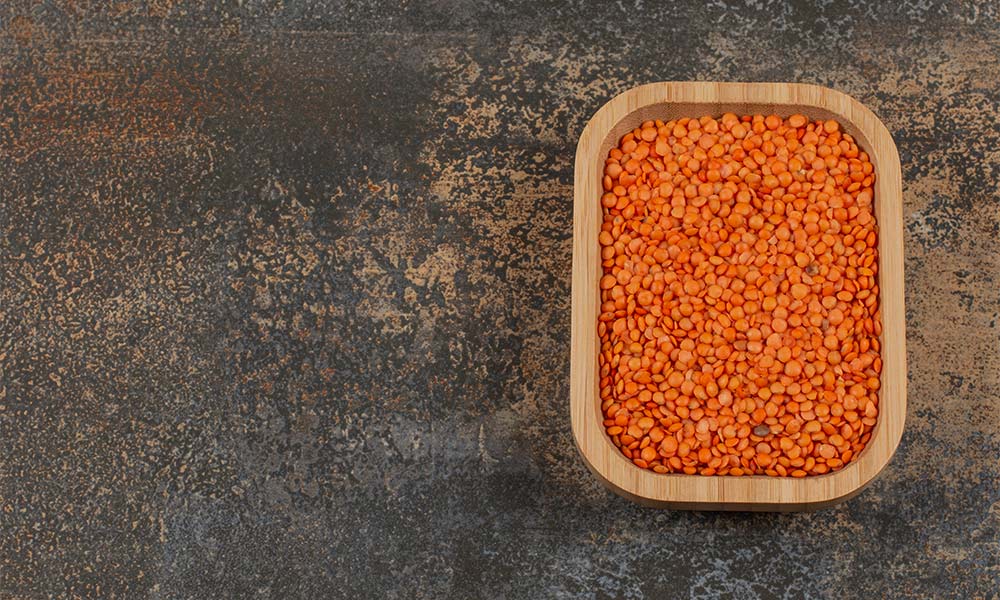
Halim seeds, also called aliv, asaliya and garden cress seeds, are the small reddish-brown seeds of Lepidium sativum. They contain iron, folate and fibre, and in India they are often soaked in milk or water, or made into ladoos and kheer. Our main guide covers halim seeds for periods, with benefits and side effects. This page covers pregnancy and the months after birth.
Can you eat halim seeds in pregnancy?
It is safest to avoid them. Here is why:
- Traditional belief. In Indian home medicine, halim seeds are called "heating" and are believed to stimulate the womb. That is why many families tell pregnant women to stay away from them.
- No human safety studies. We do not have good research showing what happens when pregnant women eat halim seeds at any stage. Without that, it is wiser not to take the risk.
- No proven benefit that you cannot get elsewhere. The iron and fibre in the seeds are easy to get from other foods, such as leafy greens, pulses, jaggery in small amounts and fruit.
This applies to all three trimesters. If your doctor has advised iron-rich foods or supplements, follow that advice. Our guide to foods to avoid during pregnancy lists other foods to be careful with.
I ate halim seeds before I knew I was pregnant
Do not panic. A few days of small amounts of a food is very unlikely to cause harm. Stop them now, and mention it at your next antenatal visit so that your doctor knows.
Halim seeds and labour
Some people eat halim seeds in the ninth month in the hope that labour will start. There is no good evidence that this works, and it is not a safe way to try to bring on labour. Ask your gynaecologist about your due date and options for induction if you are overdue.
Halim seeds after delivery
Halim ladoos and halim kheer are a common postnatal food in India. A mother who has delivered can use the extra iron, folate and fibre, because blood loss at birth lowers iron stores and constipation is common. A small amount is usually fine for most mothers.
- Start small. Try half a teaspoon of soaked seeds a day for the first few days, then up to about one teaspoon (around 5 g) a day. There is no medically fixed dose.
- Soak them first. Soak the seeds in water, milk or coconut water for 2 to 4 hours. Add a squeeze of lemon, since vitamin C helps your body absorb the iron.
- Watch the sugar. Ladoos and kheer carry sugar and ghee, and portions add up quickly.
- Watch your baby. If your baby has more gas, loose stools or fussiness after you start the seeds, stop and ask your doctor.
Do halim seeds increase breast milk?
Many families give halim seeds to new mothers for exactly this reason. The honest answer is that nobody can say for sure. Most of what is said about halim seeds and milk supply comes from tradition and small or animal studies, and large, well-designed human trials are lacking. A scoping review of clinical studies on plant galactagogues (foods and herbs claimed to boost milk) is listed under sources if you want to read further.
What does raise milk supply is well understood. Milk is made in response to milk being removed, so:
- Feed your baby often, day and night, and let the baby finish one breast before offering the other.
- Check the latch. A poor latch is a common cause of low supply and sore nipples.
- Keep skin-to-skin contact with your baby.
- Eat regular meals, drink water when thirsty and rest as much as you can.
If you are worried about supply, a doctor or lactation consultant can check the latch and your baby's weight gain. Our postnatal care and postpartum essentials guide cover the weeks after birth.
Who should ask a doctor first
- Thyroid conditions. Garden cress belongs to the same plant family as cabbage and mustard, and large amounts may affect thyroid function.
- Diabetes on medicines. The seeds may lower blood sugar, so your dose may need a review.
- Allergy to mustard or related seeds. Stop at once if you get a rash, swelling of the lips or trouble breathing.
- Anaemia. Halim seeds help a little but do not replace iron tablets. Get your haemoglobin and ferritin tested if you feel tired, breathless or pale.
Halim seeds and PCOS
Some women ask whether halim seeds help PCOS (also called PMOS). They add fibre and iron to your diet, but they do not treat PCOS or restore regular periods. PCOS needs a proper diagnosis and a plan that usually covers diet, exercise and, where needed, medicines. Read our page on PCOS (PMOS) and PCOD treatment.
When to see a gynaecologist
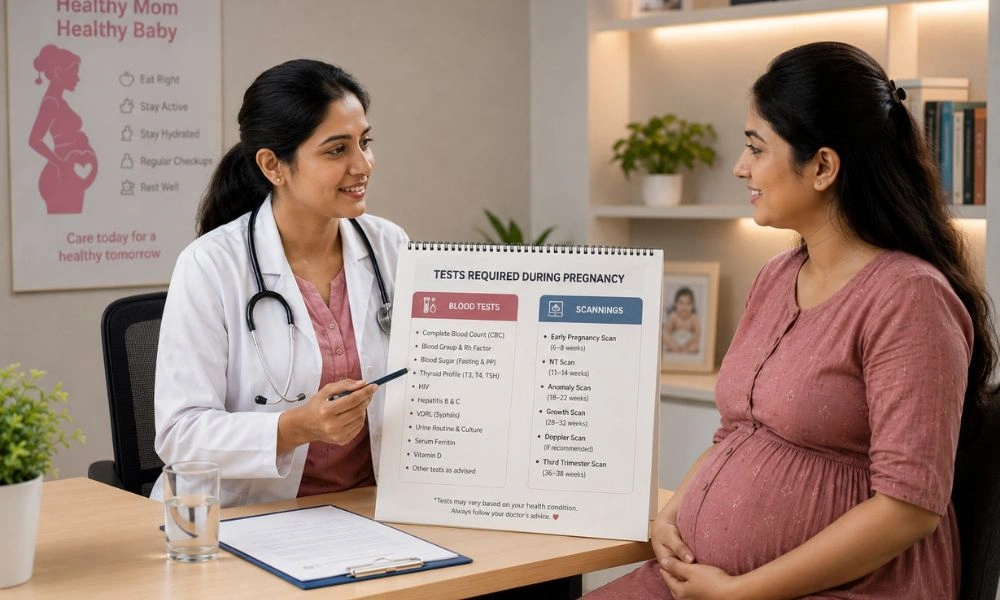
- You are pregnant and unsure which foods and herbs are safe.
- You have heavy bleeding after delivery, a fever, or a wound that is red, swollen or leaking.
- Your baby is not feeding well or not gaining weight.
- You feel very tired, breathless or low in mood in the weeks after birth.
Dr. Kavitha Lakshmi Easwaran sees mothers for antenatal care and postnatal check-ups at our clinic in Kasturi Nagar, Bangalore. You can book an appointment.
Frequently asked questions
Is halim seed safe in pregnancy?
It is safest to avoid it. Halim seeds are traditionally believed to stimulate the womb, and there are no good human safety studies. Eat them only if your gynaecologist agrees.
Can I eat halim seeds in the first trimester?
Avoid them, as in the rest of pregnancy. If you ate some before you knew you were pregnant, stop and mention it at your next visit.
Can I eat halim seeds in the third trimester?
It is better to avoid them. There is no proof they help labour, and they are not a safe way to try to bring on labour. Talk to your gynaecologist if you are overdue.
When can I start halim seeds after delivery?
Many mothers start in the first weeks after birth in the form of ladoos or soaked seeds. Start with half a teaspoon, build up to about one teaspoon a day, and ask your doctor first if you have thyroid disease or diabetes.
Do halim seeds increase breast milk?
This is a traditional belief, and strong human evidence is lacking. Feeding often and checking the latch are the proven ways to build supply.
How much halim should a new mother eat?
There is no fixed dose. About one teaspoon (around 5 g) of soaked seeds a day is a common household amount. Stop if you or your baby develop gas, loose stools or a rash.
Can halim seeds cause a miscarriage?
Good human studies on this do not exist, which is why caution is advised. If you are bleeding or cramping in pregnancy, see a doctor straight away rather than looking for a cause in your diet.
Are halim seeds good for PCOS?
They add fibre and iron, but they do not treat PCOS. See a gynaecologist for a diagnosis and treatment plan.
This guide is general information and does not replace a medical consultation.
Sources
Speak to a gynaecologist about your own symptoms
This article is general health information and does not replace an examination. If your symptoms are severe, keep coming back, or you are unsure what they mean, you can see Dr. Kavitha Lakshmi Easwaran, Senior Consultant Obstetrician and Gynaecologist, at Sai Speciality Center in Kasturi Nagar, Bengaluru.
Related care at the clinic: Postnatal Care in Bangalore.
Book an appointment Call 80887 01001 Call 99019 25700
For heavy bleeding, severe pain, reduced baby movements or any emergency, call the clinic or go to the nearest hospital straight away.