Home > Specialities > Gynaecology Care > Endometriosis Treatment
Sai Speciality Center provides evaluation and personalised treatment planning for women experiencing severe period pain, long-term pelvic pain, painful sex, painful bowel movements, heavy bleeding, or difficulty becoming pregnant. Endometriosis is a long-term condition, but suitable medical care can help control symptoms, protect quality of life, and support fertility goals.
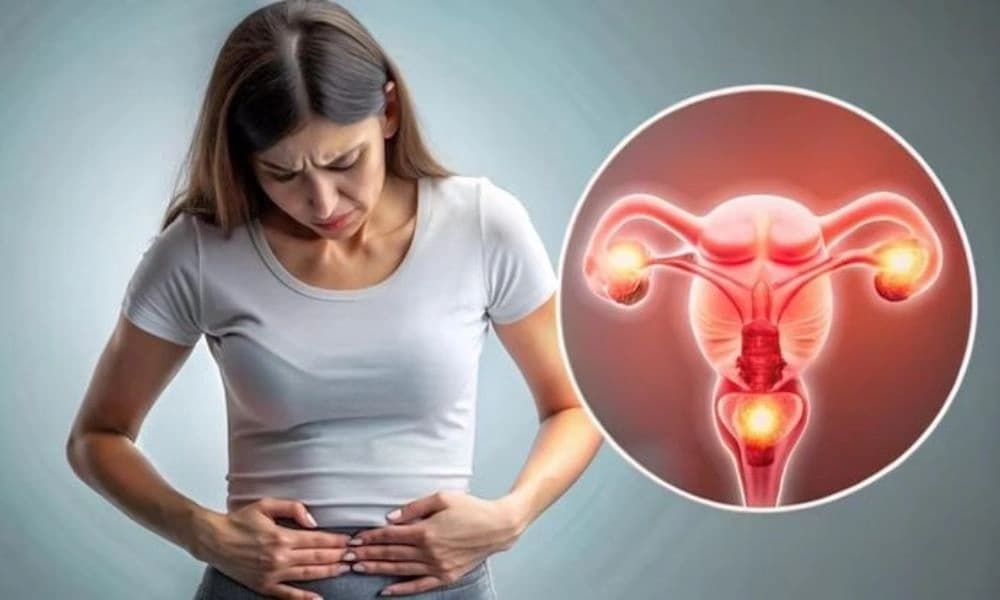
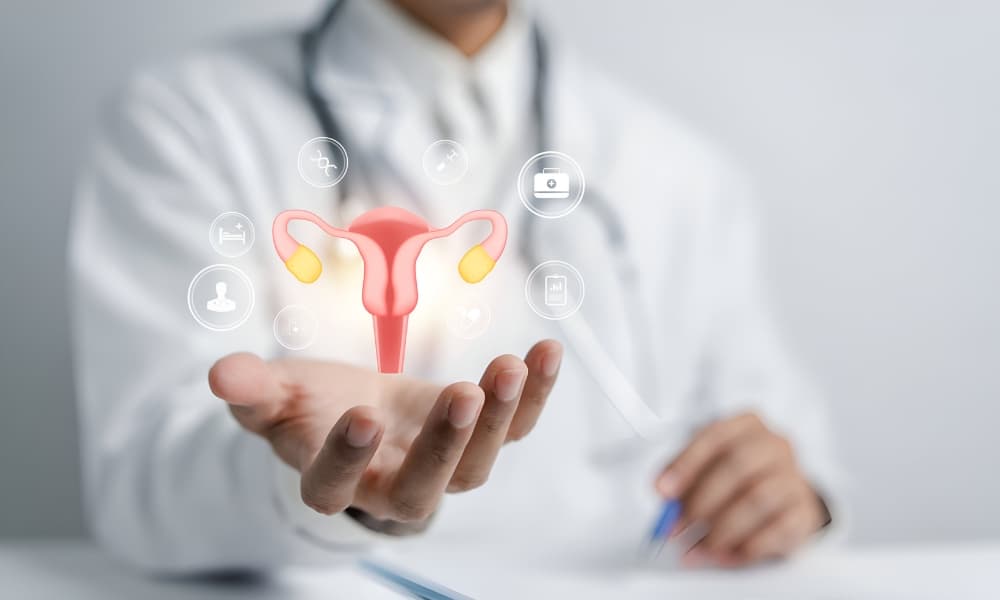
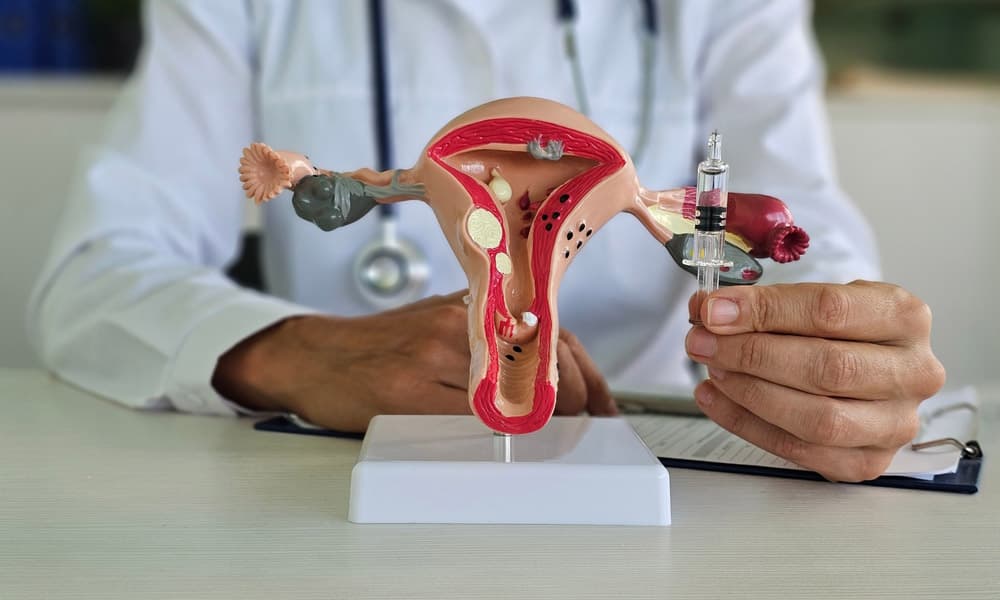
Endometriosis is a condition in which tissue similar to the lining of the uterus grows outside the uterus. It commonly affects the ovaries, fallopian tubes and tissues within the pelvis. In some women, it can also affect the bowel, bladder or areas outside the pelvis.
This tissue responds to hormonal changes during the menstrual cycle. It can cause inflammation, pain, scar tissue, and cysts called endometriomas. Endometriosis is not cancer, and it is not an infection.
The condition can affect teenagers and adults. Some women have severe symptoms, while others have mild symptoms or discover endometriosis during fertility evaluation. The level of pain does not always show how much endometriosis is present.
Endometriosis is a chronic condition. There is currently no single permanent cure, but medicines, hormonal treatment, surgery and fertility support can help manage its effects.
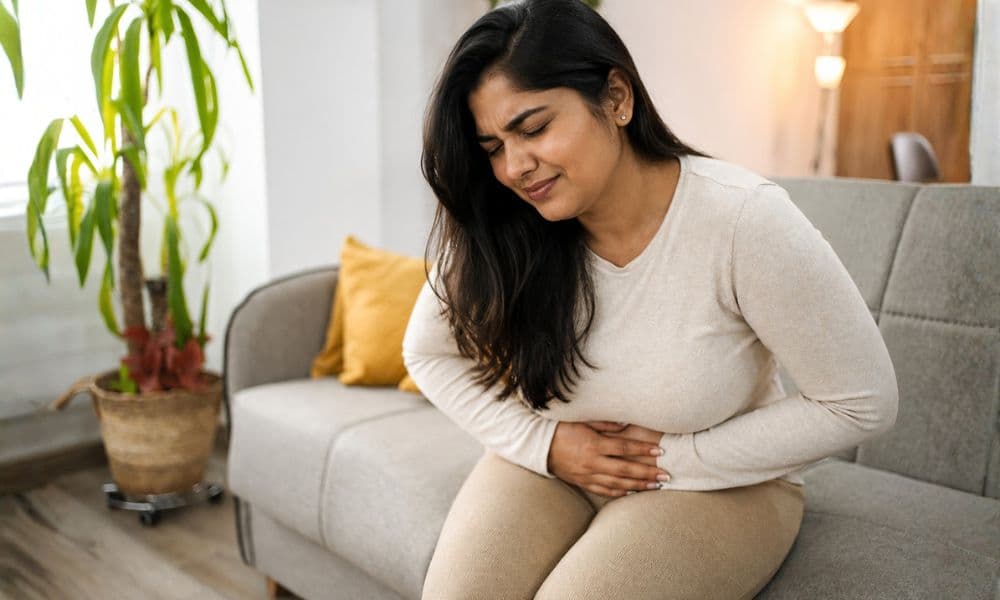
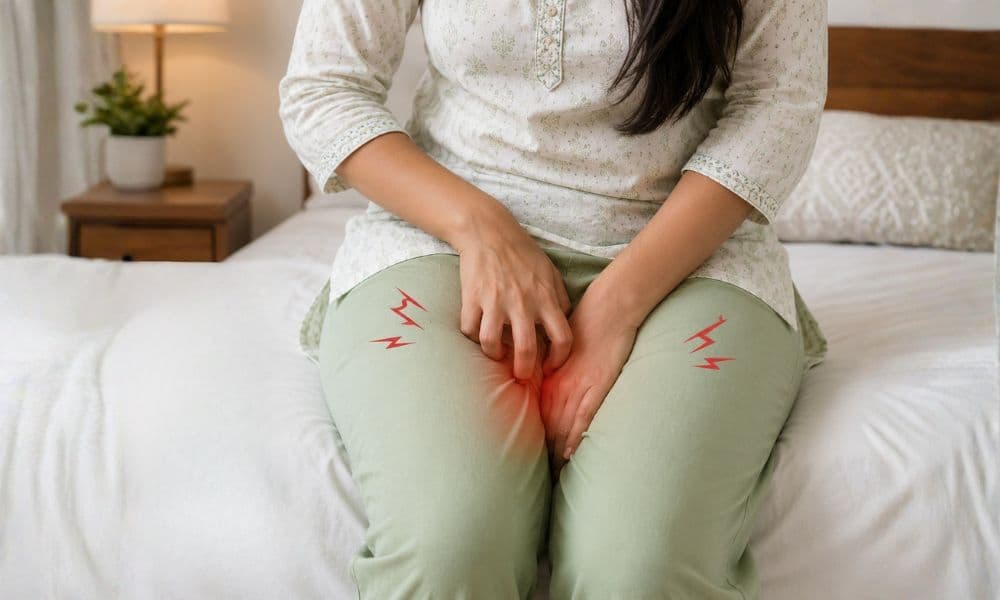
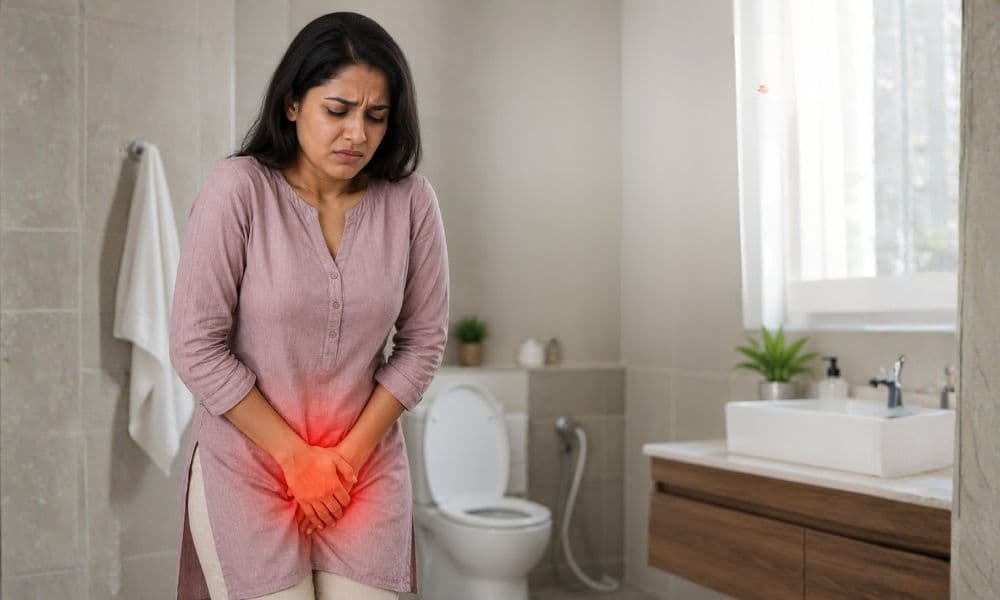
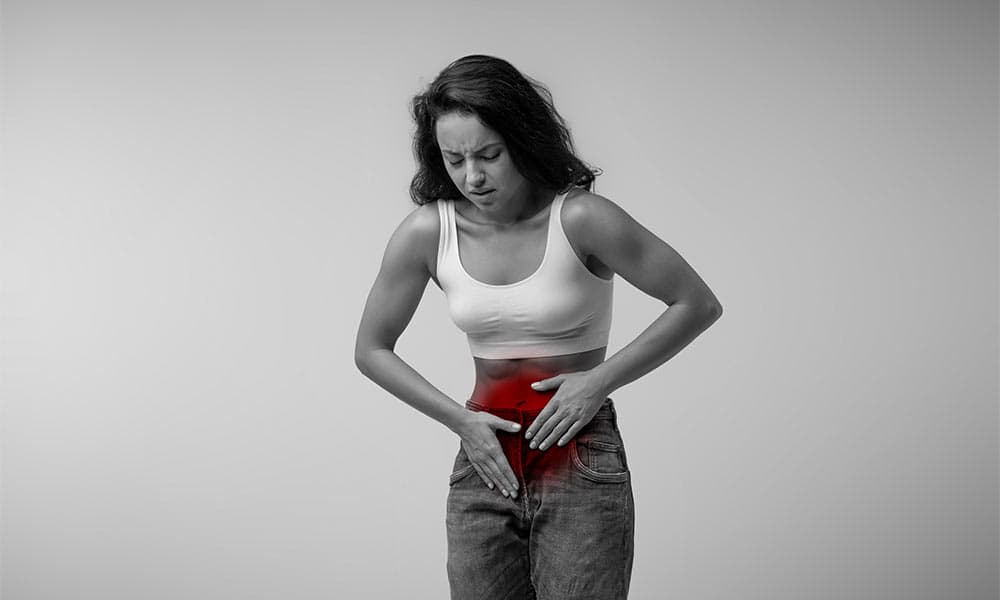
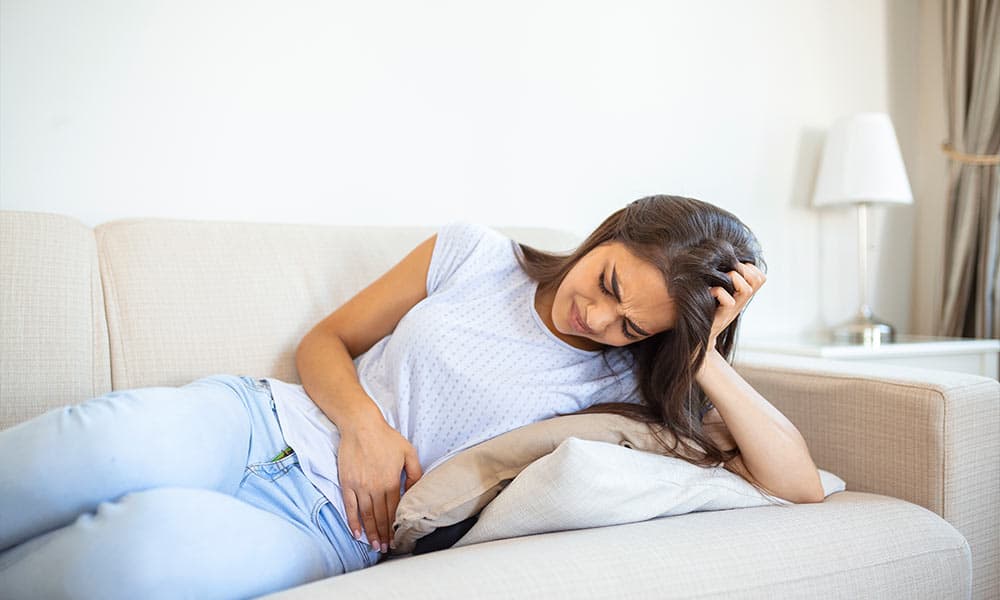
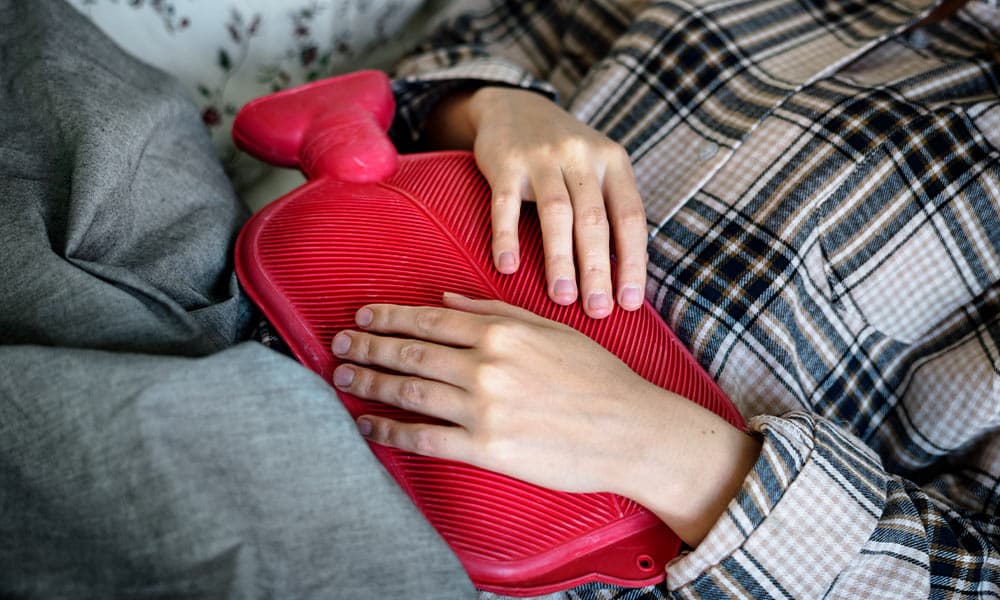
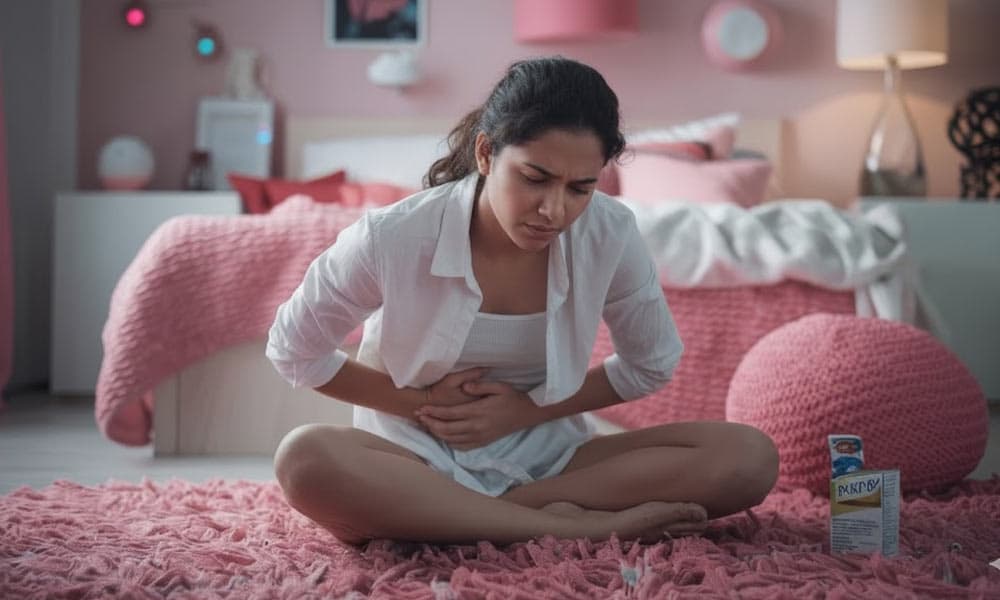
The most common symptom of endometriosis is pelvic pain, especially before and during periods. However, symptoms vary from one woman to another.
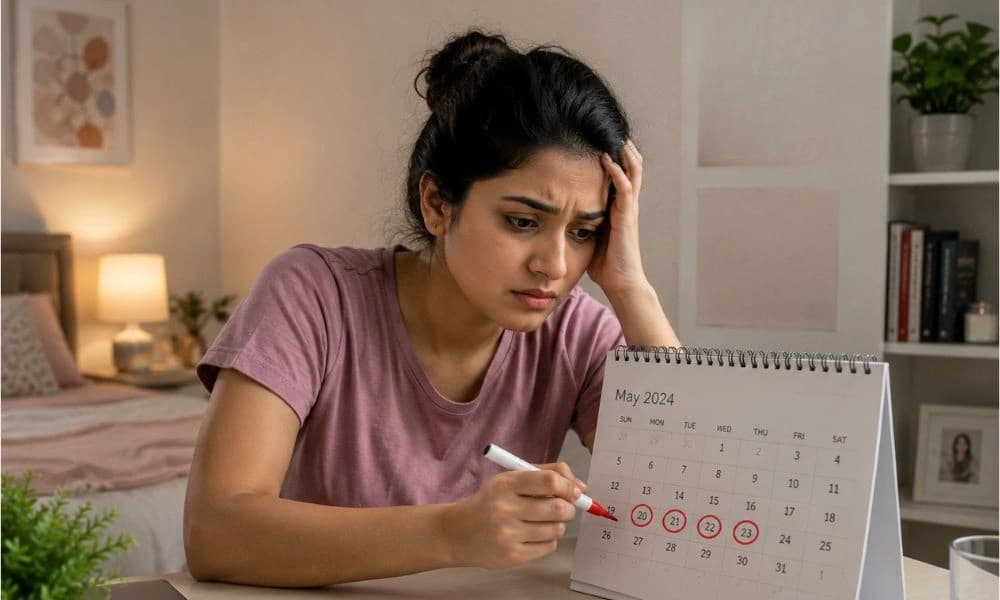
Period pain may begin before bleeding starts and continue for several days. The pain may affect work, sleep, studies, and normal daily activities.
Some women experience pelvic or lower abdominal pain even when they are not having their period. This pain may be constant or may come and go.
Endometriosis can cause deep pelvic pain during or after sex. Persistent pain during sexual activity should be discussed with a gynaecologist.
When endometriosis affects tissues around the bowel or bladder, women may experience pain while passing stool or urine. These symptoms may become worse during periods.
Some women with endometriosis experience heavy bleeding, prolonged periods or spotting between periods.
Endometriosis may be associated with abdominal bloating, nausea, constipation or diarrhoea, particularly around the time of menstruation.
Endometriosis can make pregnancy more difficult for some women because inflammation, scar tissue or ovarian cysts may affect the ovaries, fallopian tubes or implantation. However, many women with endometriosis can still become pregnant naturally or with fertility support.
| Main concern | Common symptoms | Diagnosis may include | Treatment may include |
|---|---|---|---|
| Painful periods | Severe cramps, back pain and pelvic pain | Medical history, examination and ultrasound | Pain medicines, hormonal treatment or surgery |
| Chronic pelvic pain | Pain between periods or continuous discomfort | Symptom review, pelvic examination and imaging | Medicines, hormonal care and pain-management support |
| Endometrioma | Pelvic pain, painful periods or fertility difficulty | Pelvic ultrasound or MRI when needed | Monitoring, medicines, fertility planning or surgery |
| Bowel or bladder symptoms | Painful bowel movements, urination pain or bleeding during periods | Examination, imaging and specialist assessment | Hormonal treatment or planned surgery |
| Pain during sex | Deep pain during or after sexual activity | Medical history, examination and ultrasound | Medicines, hormonal care, physiotherapy or surgery |
| Fertility difficulty | Delay in becoming pregnant | Fertility tests, ultrasound and partner evaluation | Ovulation support, surgery, IUI or referral for advanced fertility care |
Treatment is different for every woman. The doctor will consider the symptoms, age, severity of the condition and future pregnancy plans before recommending care.
Period pain should not be ignored when it repeatedly prevents you from working, studying, sleeping or completing normal activities.
Consult a gynaecologist if you experience:
Endometriosis symptoms can be similar to ovarian cysts, fibroids, pelvic infections, irritable bowel syndrome and urinary conditions. A proper medical evaluation is important before beginning treatment.
Seek urgent medical attention if you experience sudden severe pelvic pain, fainting, heavy bleeding, severe weakness, fever, vomiting or pain during pregnancy. These symptoms may be caused by another condition that requires immediate assessment.
There is no single blood test that confirms endometriosis. Diagnosis begins with a detailed discussion about the symptoms and how they change during the menstrual cycle.
The doctor may ask about:
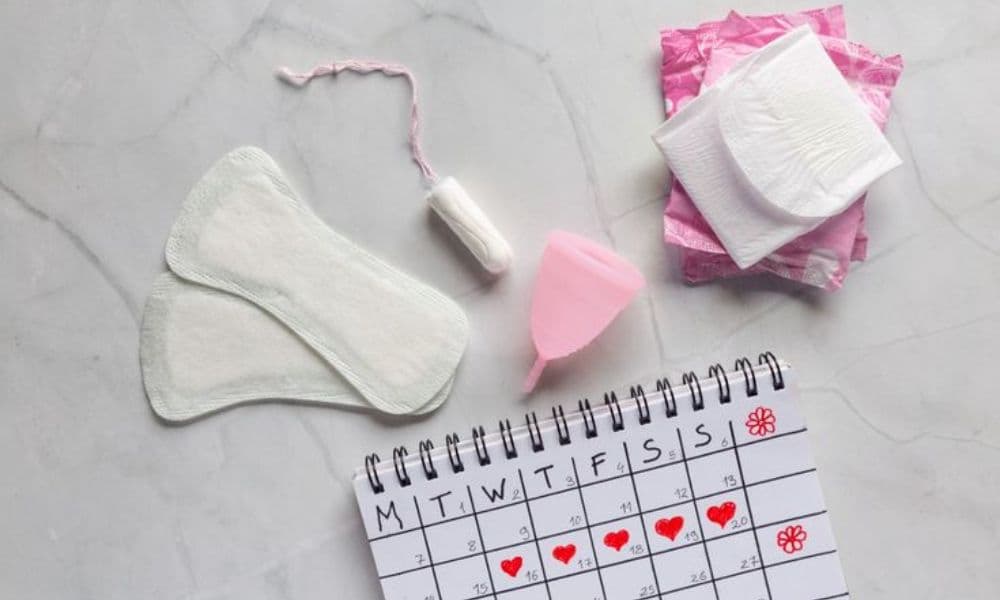
Keeping a symptom and menstrual diary can help the doctor understand whether the pain follows a regular pattern.
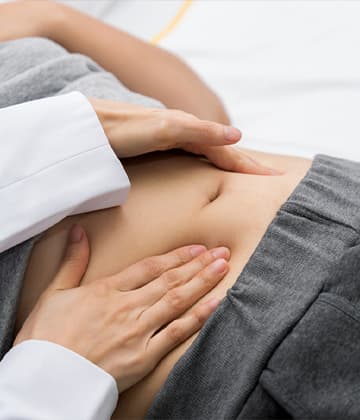
An abdominal or pelvic examination may be advised to check for tenderness, swelling or reduced movement of the pelvic organs. The doctor should explain the examination and obtain consent before proceeding.
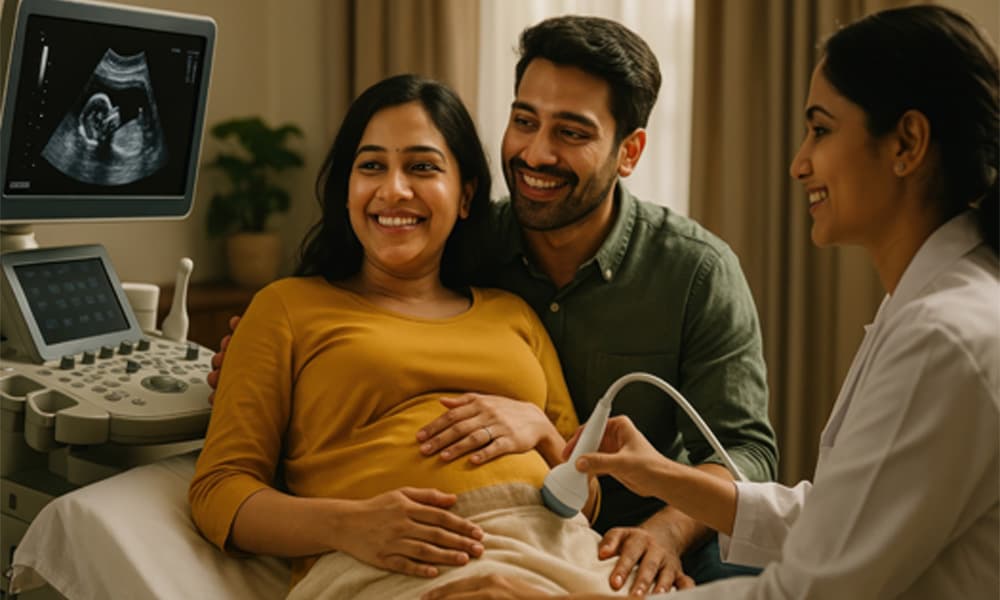
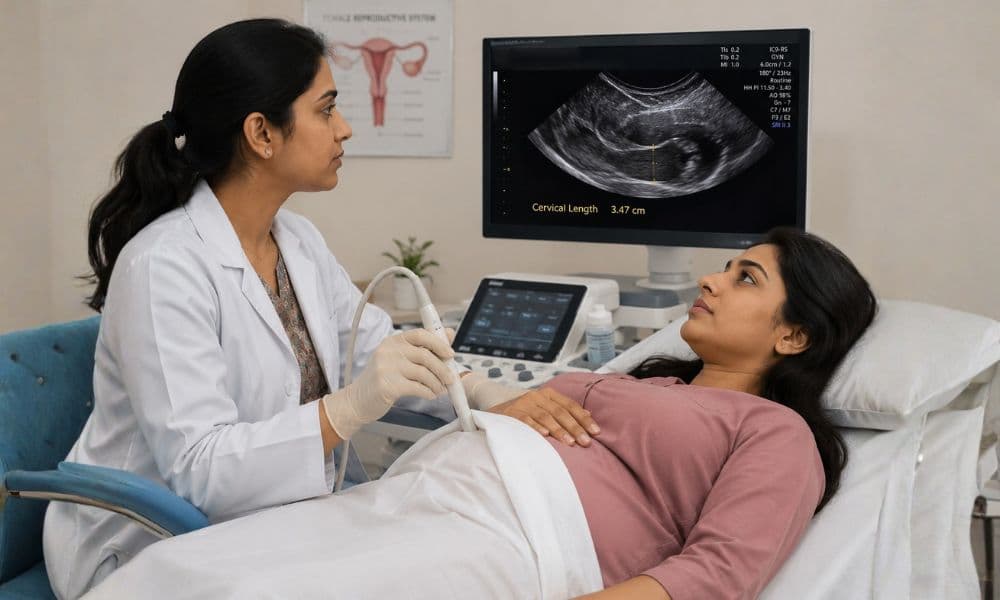
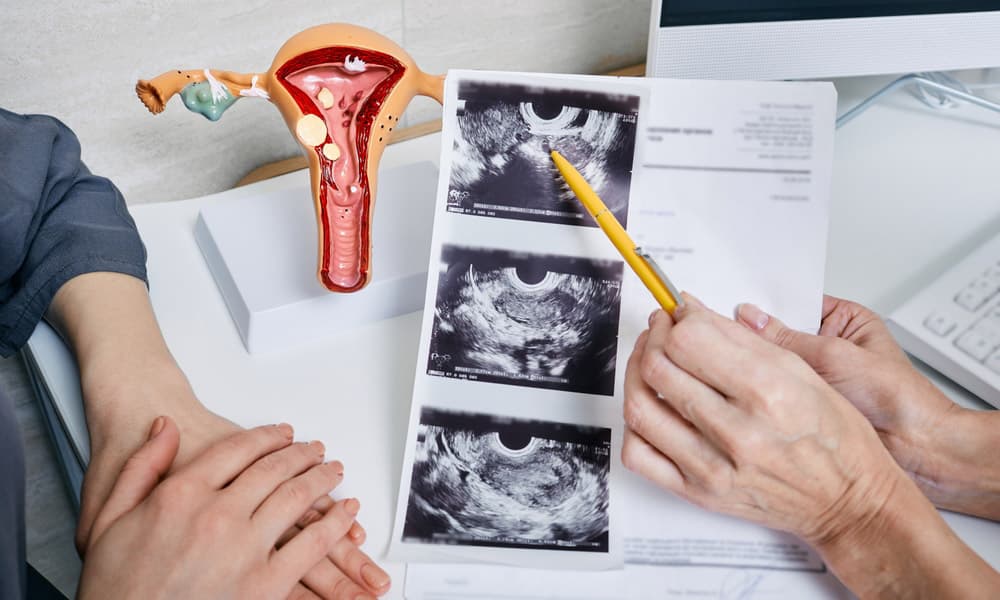
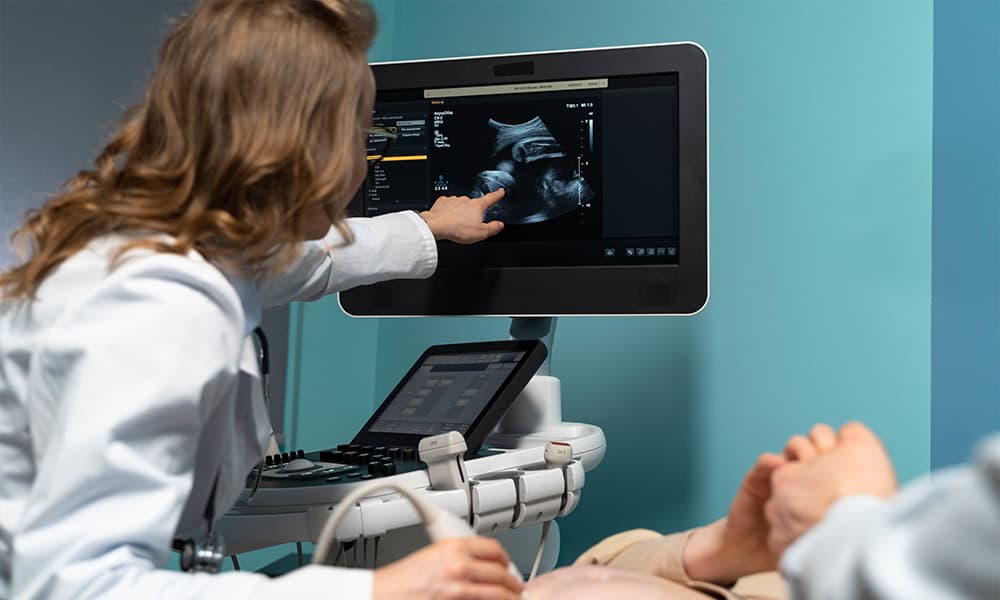
An ultrasound can help identify ovarian cysts called endometriomas and other conditions such as fibroids. However, a normal ultrasound does not always rule out endometriosis because small or superficial areas may not be visible.
An MRI may be recommended when deep endometriosis is suspected or when the condition may involve the bowel, bladder or other pelvic organs. It can also help with surgical planning.
Laparoscopy is keyhole surgery performed through small cuts in the abdomen. It allows the doctor to examine the pelvic organs directly. Endometriosis tissue may also be treated or removed during the same procedure.
Not every patient needs immediate surgery. Current assessment may be based on symptoms, examination and imaging, followed by medical treatment when appropriate.
Treatment aims to reduce pain, control symptoms, support fertility and improve daily life. The recommended approach depends on whether pregnancy is currently desired.
Pain medicines may be used to manage period pain and pelvic discomfort. They may work best when taken as advised before or at the beginning of the menstrual period.
Pain medicines can reduce symptoms but do not remove endometriosis tissue.
Hormonal medicines can reduce or stop ovulation and menstrual bleeding, which may reduce endometriosis-related pain.
Options may include:
Hormonal treatment is generally not used to improve natural conception while a woman is actively trying to become pregnant.
Surgery may be considered when pain remains severe, medicines do not provide enough relief, an endometrioma is present, or fertility may be affected.
During laparoscopic surgery, visible endometriosis and scar tissue may be removed. Surgery can reduce pain, but symptoms may return later. Medical treatment may sometimes be advised after surgery to reduce the chance of pain returning.
Endometriosis involving the bowel, bladder, ureter or other organs may require treatment by a specialist team. Surgery should be carefully planned because it can be more complex than surgery for mild pelvic endometriosis.
Women with endometriosis who are planning pregnancy may require:
The treatment plan should consider the woman’s age, pain, ovarian reserve, previous surgery and how long she has been trying to become pregnant.
Endometriosis consultations at Sai Speciality Center are provided under the guidance of Dr. Kavitha Lakshmi Easwaran, Senior Consultant Obstetrician and Gynaecologist.
Her listed areas of care include comprehensive gynaecology, gynaecological procedures, vaginal surgery, high-risk pregnancy, and infertility management up to IUI.
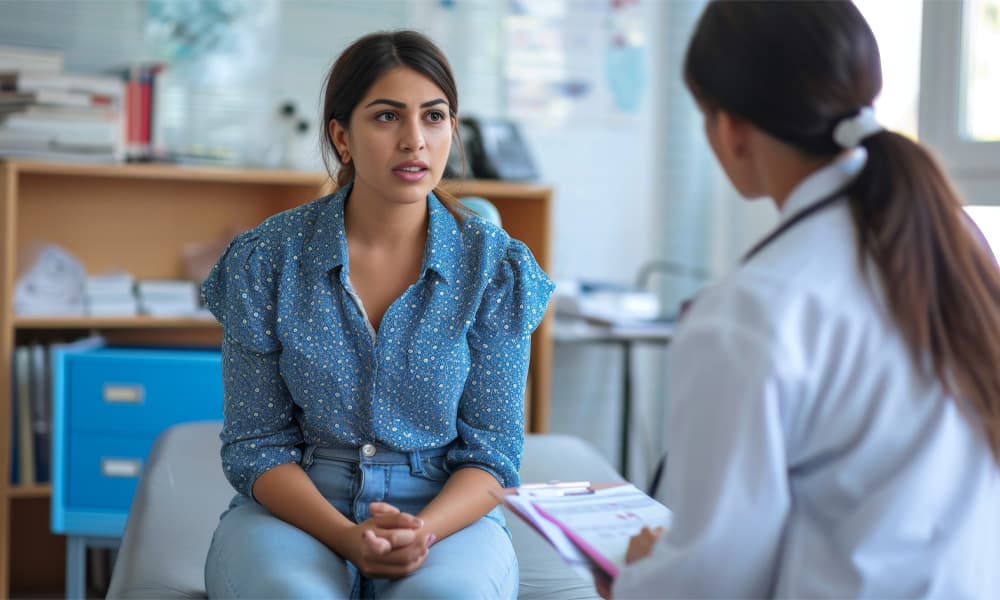
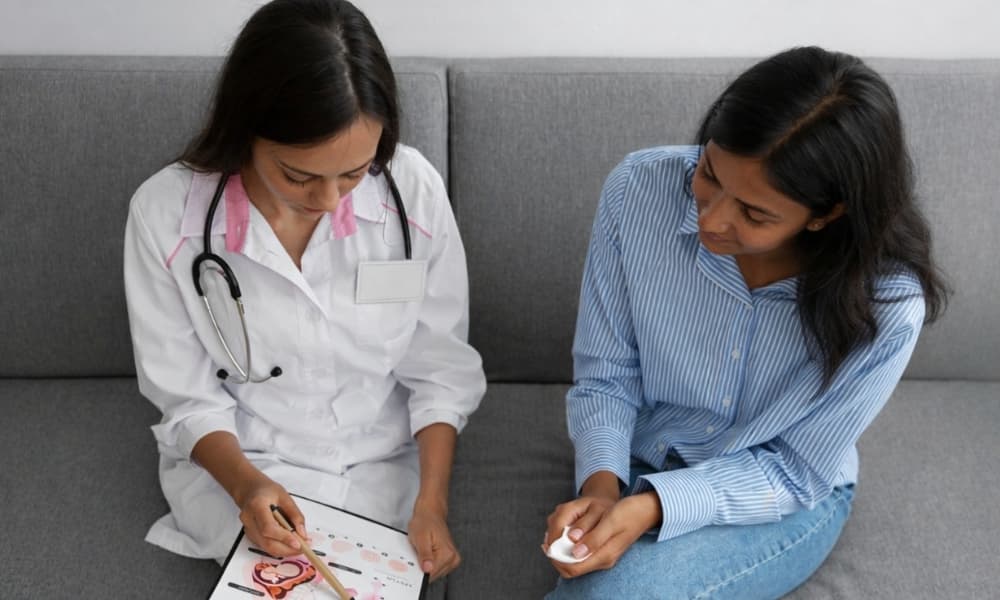
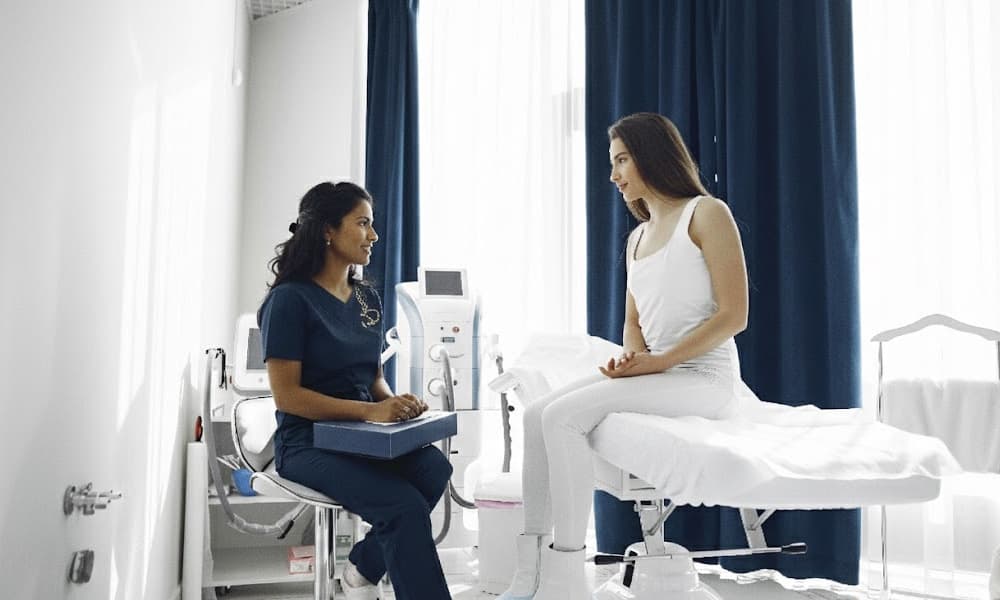
During an endometriosis consultation, the doctor can review symptoms, menstrual history, and scan reports and explain whether medical management, further imaging, fertility evaluation, or a surgical opinion is appropriate.
The website should clearly state where advanced laparoscopic surgery is performed and which hospital or surgical team provides the procedure.
Endometriosis evaluation and follow-up may include:
Patients should receive clear information about treatment benefits, possible side effects, recovery, fertility impact, and follow-up requirements.
Sai Speciality Center is located in Kasturi Nagar, Bangalore. The clinic provides endometriosis consultation and treatment planning for women travelling from:
Women from these areas can consult for severe period pain, chronic pelvic pain, painful sex, endometriomas and fertility concerns.
Sai Speciality Center is located in Kasturi Nagar and provides endometriosis evaluation and treatment guidance for women travelling from KR Puram, Tin Factory, Banaswadi, Horamavu and Ramamurthy Nagar.
There is currently no guaranteed permanent cure. Medicines and surgery can help control symptoms, but the condition or pain may return.
No. Severe period pain may also be caused by fibroids, ovarian cysts, pelvic infections, or other conditions. Medical evaluation is needed.
Ultrasound may detect ovarian endometriomas or deep endometriosis, but it may not show every type of endometriosis.
Yes, it may affect fertility in some women. However, many women with endometriosis become pregnant naturally or with suitable treatment.
No. Many women begin with pain medicines or hormonal treatment. Surgery is considered based on symptoms, test results, fertility plans, and response to medicines.
Yes. Surgery can reduce symptoms, but endometriosis or pain may return. Follow-up treatment may be advised.
No. Endometriosis is not cancer, although it is a long-term condition that requires proper medical care.
Yes. Teenagers with severe period pain that affects school, sleep or daily activities should receive medical evaluation.
Severe period pain, chronic pelvic discomfort, painful sex, or fertility difficulties should not be accepted as normal. Early evaluation can help identify the cause and provide a suitable treatment plan.

Book your endometriosis treatment appointment with Dr. Kavitha Lakshmi Easwaran at Sai Speciality Center, Kasturi Nagar, Bangalore.

Book your endometriosis treatment appointment with Dr. Kavitha Lakshmi Easwaran at Sai Speciality Center, Kasturi Nagar, Bangalore.
✦ Our Resources
Best Women's Wellness Checkup Near Hennur: What Tests Should Women Consider?
Read More
Pregnancy Vaccination Schedule Near Marathahalli: Which Vaccines Are Needed and When?
Read More
High-Risk Pregnancy Care: What Modern Maternity Clinics in Bengaluru Offer
Read More
How to Increase Your Chances of a Normal Delivery Naturally – Bangalore Women’s Guide
Read More
Everything You Need to Know About Pregnancy Care at Sai Speciality Center
Read More
Period Acne: Why You Get It and How to Prevent Acne Before Your Period Naturally
Read More
Boil Under Breast: Causes, Symptoms, Treatment, and What They Look Like
Read More
Period Blood Clots: What They Look Like, Why They Happen, and When to Worry
Read More
Nausea Third Trimester: Is It Common for Morning Sickness to Come Back?
Read More
Phantom Kicks After Pregnancy: They are Normal, Here's Why They Feel So Real
Read More
Feel free to reach out to us