Home > Specialities > Maternity Care > High-Risk Pregnancy Care
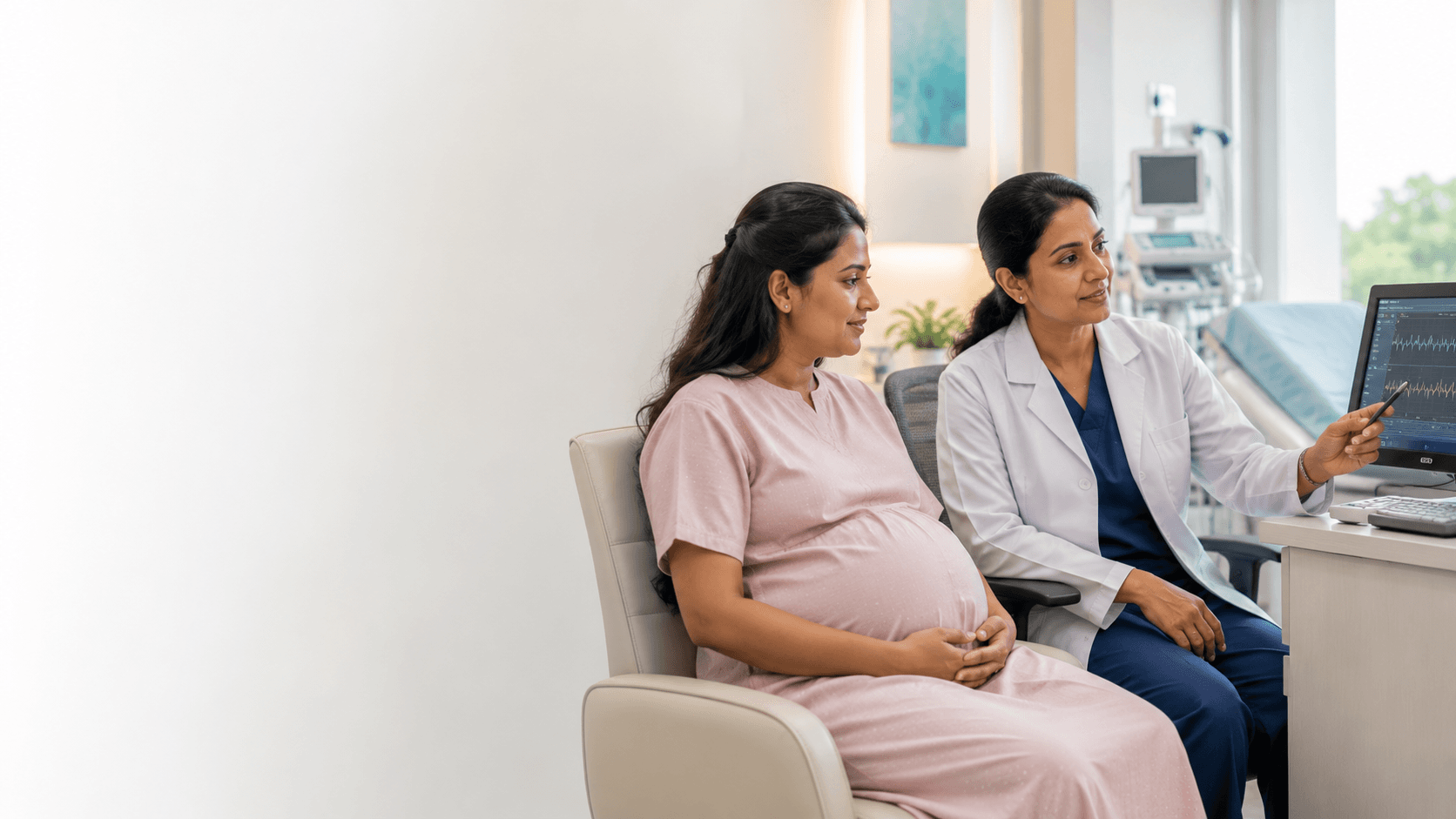
Sai Speciality Center provides comprehensive high-risk pregnancy care for women who require extra monitoring during pregnancy due to medical conditions, pregnancy complications, or previous pregnancy history. Our goal is to protect the health of both mother and baby through early diagnosis, regular monitoring and personalised treatment.
Whether you have diabetes, high blood pressure, thyroid disorders, multiple pregnancy or a previous pregnancy complication, our experienced obstetrician provides specialised care to help you have a safer pregnancy and delivery.
A high-risk pregnancy is one in which the mother, baby or both have a greater chance of developing health complications during pregnancy, labour or delivery. While many women with high-risk pregnancies have healthy babies, they often require more frequent antenatal visits, additional scans and closer medical supervision.
A pregnancy may be considered high-risk because of the mother's medical condition, age, previous pregnancy history or problems that develop during pregnancy.
Regular monitoring helps identify complications early, allowing timely treatment and improving pregnancy outcomes. According to the World Health Organization (WHO), quality antenatal care is essential for reducing maternal and newborn complications.
High-risk pregnancies may require additional care throughout pregnancy. Some women have pre-existing medical conditions, while others develop complications after becoming pregnant.
Women with chronic hypertension or pregnancy-induced hypertension require regular blood pressure monitoring because uncontrolled blood pressure can affect both the mother and baby.
Diabetes that develops during pregnancy requires careful monitoring of blood sugar levels, dietary management, and regular fetal growth assessment to reduce pregnancy complications.
Both hypothyroidism and hyperthyroidism can affect pregnancy and fetal development. Proper thyroid management helps support a healthy pregnancy.
Women with one or more previous miscarriages may require closer monitoring during future pregnancies to identify and manage possible risk factors.
Pregnancies involving twins or more babies have a higher chance of complications such as premature labour, growth differences and high blood pressure, requiring more frequent antenatal visits and ultrasound scans.
Women who become pregnant after the age of 35 may have an increased risk of gestational diabetes, hypertension, chromosomal abnormalities, and pregnancy complications.
Women with a previous Caesarean delivery may require additional monitoring and delivery planning depending on the reason for the previous surgery and the current pregnancy.
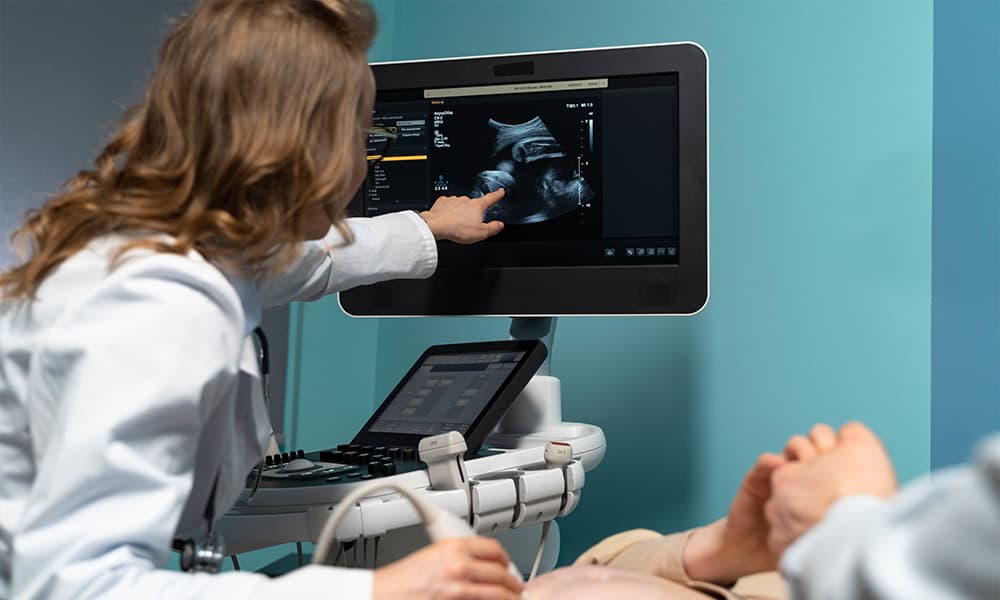
If the baby's growth is slower or faster than expected, additional ultrasound scans and fetal monitoring may be recommended.
| Pregnancy Concern | Common Symptoms | Diagnosis | Management |
|---|---|---|---|
| Gestational Diabetes | High blood sugar | Glucose tolerance test | Diet, blood sugar monitoring, medicines if required |
| Pregnancy Hypertension | High BP, swelling | Blood pressure monitoring | Medicines, fetal monitoring |
| Thyroid Disorders | Fatigue, weight changes | Thyroid profile | Medication adjustment |
| Twin Pregnancy | Multiple fetuses | Ultrasound | Frequent antenatal care |
| Previous Miscarriage | Pregnancy after miscarriage | Medical history, scans | Close pregnancy monitoring |
| Fetal Growth Restriction | Reduced baby growth | Growth scan, Doppler | Frequent fetal surveillance |
| Previous Caesarean | Previous surgery | Clinical evaluation | Delivery planning |
Book a consultation as early as possible if you:
Early specialist care helps identify risks before they become serious.
These symptoms require emergency medical evaluation.
Every high-risk pregnancy begins with a comprehensive maternal and fetal assessment.
The doctor reviews:
At each visit, the doctor may assess:
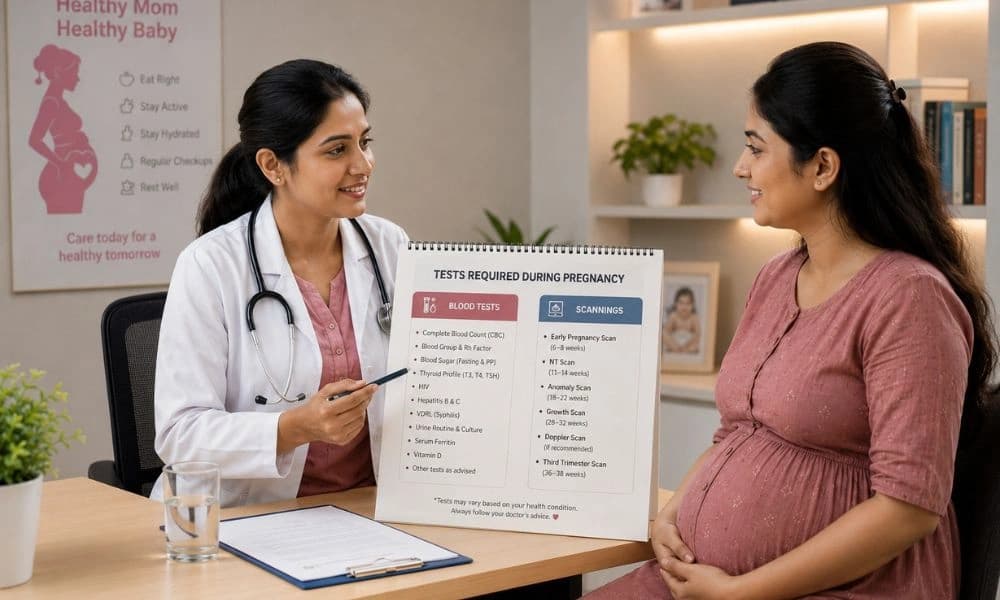
Depending on the condition, investigations may include:
Tests are recommended according to the pregnancy stage and individual medical condition.
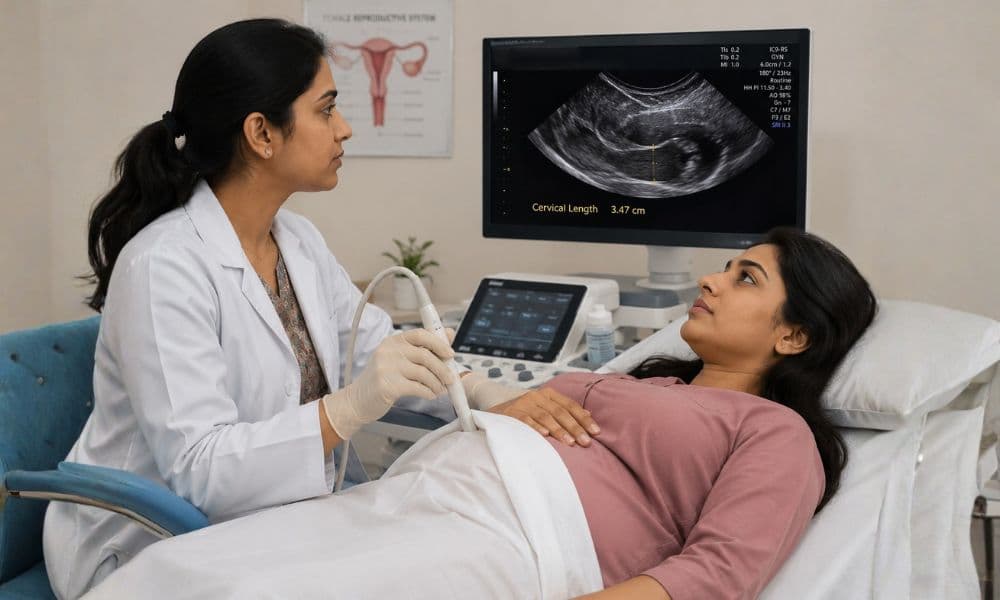
Additional scans help monitor:
Regular monitoring helps identify complications early and supports timely medical decisions.
Every high-risk pregnancy requires an individualised care plan based on the mother's health and the baby's development.
Women with high-risk pregnancies often require more frequent antenatal appointments to monitor maternal and fetal health.
Women with hypertension require:
For gestational diabetes, management may include:
Good blood sugar control helps reduce pregnancy complications.
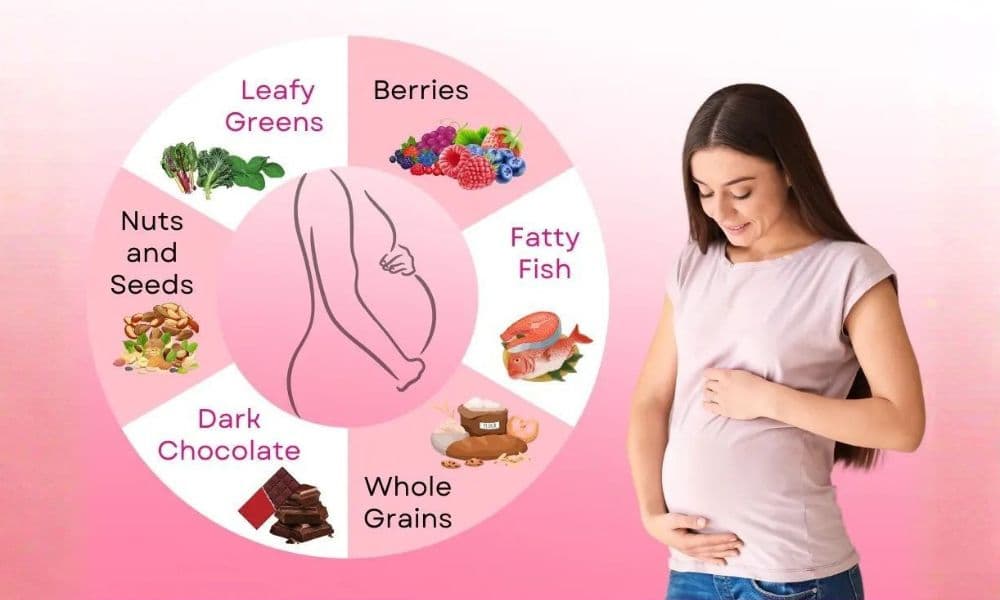
A healthy diet supports both mother and baby.
The doctor may recommend:
Nutritional advice is personalised according to the mother's medical condition.
Additional fetal monitoring may include:
These tests help evaluate the baby's wellbeing throughout pregnancy.
The safest mode and timing of delivery are discussed based on:
Some women may have a normal vaginal delivery, while others may require a planned Caesarean section.
High-risk pregnancy care at Sai Speciality Center is provided under the guidance of Dr. Kavitha Lakshmi Easwaran, Senior Consultant Obstetrician and Gynaecologist.
Her expertise includes:
With over 26 years of clinical experience, she provides evidence-based care for women with complex pregnancies.
Sai Speciality Center offers comprehensive pregnancy care supported by modern diagnostic facilities.
Services include:
Women receive coordinated care throughout pregnancy to help achieve the best possible outcomes.
Sai Speciality Center is located in Kasturi Nagar, Bangalore, and provides high-risk pregnancy care for women from:
Many expectant mothers from these nearby areas visit the clinic for specialised monitoring of gestational diabetes, pregnancy hypertension, twin pregnancies, thyroid disorders and other pregnancy-related complications.
Sai Speciality Center provides expert high-risk pregnancy care for women travelling from KR Puram, Tin Factory, Banaswadi, Horamavu and Ramamurthy Nagar, ensuring advanced pregnancy monitoring close to home.
A pregnancy may be considered high-risk if the mother has conditions such as diabetes, hypertension, thyroid disease, multiple pregnancy, previous pregnancy complications or is aged 35 years or older.
Yes. With regular antenatal care, early diagnosis and appropriate medical management, many women with high-risk pregnancies deliver healthy babies.
Women with high-risk pregnancies usually require more frequent check-ups than those with uncomplicated pregnancies. The schedule depends on the specific condition and stage of pregnancy.
Tests may include blood investigations, urine tests, glucose tolerance tests, thyroid function tests, ultrasound scans, Doppler studies, Non-Stress Tests (NST) and other investigations based on your condition.
Not always. The mode of delivery depends on your health, your baby's condition, the progress of pregnancy and any pregnancy-related complications.
If not properly managed, gestational diabetes can increase the risk of complications. Regular blood sugar control and fetal monitoring help reduce these risks.
Yes. Blood pressure can often be managed with medication, regular monitoring and lifestyle advice to reduce the risk of complications for both mother and baby.
Seek immediate medical attention if you experience heavy bleeding, severe abdominal pain, leakage of fluid, severe headache, blurred vision, reduced fetal movements, chest pain or difficulty breathing.
A high-risk pregnancy requires timely monitoring, expert guidance, and personalised care. Regular antenatal visits and early management of complications can help improve the health of both mother and baby.

Book your high-risk pregnancy care appointment with Dr. Kavitha Lakshmi Easwaran at Sai Speciality Center, Kasturi Nagar, Bangalore.

Book your high-risk pregnancy care appointment with Dr. Kavitha Lakshmi Easwaran at Sai Speciality Center, Kasturi Nagar, Bangalore.
✦ Our Resources

Best Women's Wellness Checkup Near Hennur: What Tests Should Women Consider?
Read More
Pregnancy Vaccination Schedule Near Marathahalli: Which Vaccines Are Needed and When?
Read More
High-Risk Pregnancy Care: What Modern Maternity Clinics in Bengaluru Offer
Read More
How to Increase Your Chances of a Normal Delivery Naturally – Bangalore Women’s Guide
Read More
Everything You Need to Know About Pregnancy Care at Sai Speciality Center
Read More
Period Acne: Why You Get It and How to Prevent Acne Before Your Period Naturally
Read More
Boil Under Breast: Causes, Symptoms, Treatment, and What They Look Like
Read More
Period Blood Clots: What They Look Like, Why They Happen, and When to Worry
Read More
Nausea Third Trimester: Is It Common for Morning Sickness to Come Back?
Read More
Phantom Kicks After Pregnancy: They are Normal, Here's Why They Feel So Real
Read More
Feel free to reach out to us