
Home > Specialities > Gynaecology Care > Menopause Care

Sai Speciality Center provides personalised menopause and perimenopause care for women experiencing hot flashes, irregular periods, sleep problems, mood changes, vaginal dryness, urinary discomfort, and other hormonal changes. Care focuses on understanding each woman’s symptoms, health history, and treatment preferences before recommending lifestyle support, non-hormonal treatment, or hormone therapy.
Menopause is a natural stage when menstrual periods stop permanently because the ovaries produce lower levels of reproductive hormones. Menopause is confirmed after 12 continuous months without a period when there is no other medical or physical cause. Natural menopause commonly occurs between 45 and 55 years of age.
Perimenopause is the transition leading up to menopause. During this period, hormone levels may change unpredictably. Periods may become irregular, and symptoms such as hot flashes, night sweats and sleep problems may begin.
Menopause is not a disease. However, symptoms can affect sleep, work, relationships, sexual health and daily comfort. Menopause care helps women understand these changes and choose safe, suitable treatment.
Menopause symptoms differ from one woman to another. Some women experience mild changes, while others have symptoms that continue for several years.
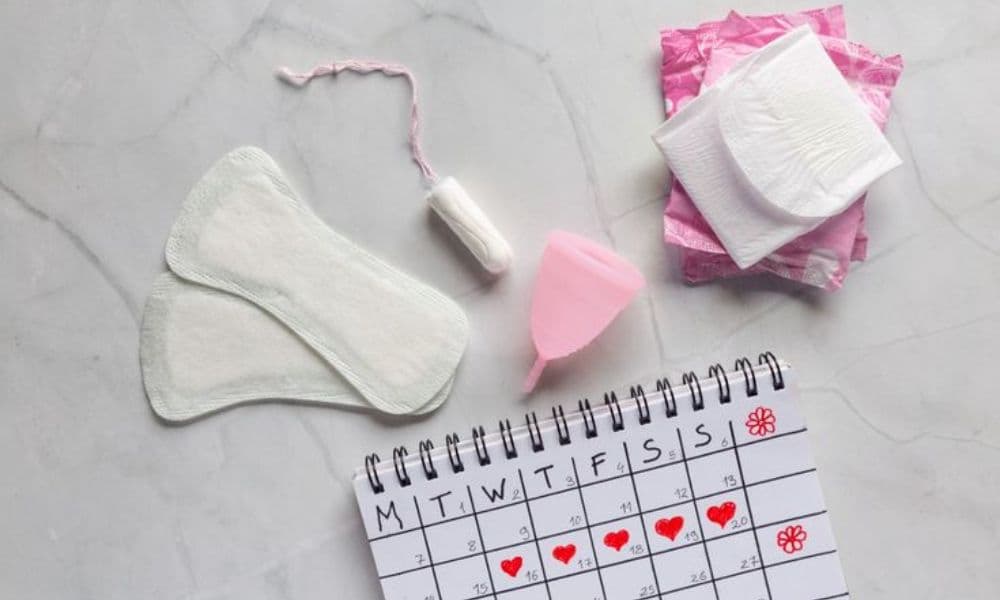
During perimenopause, periods may become irregular, lighter, heavier, shorter or longer. A woman may sometimes miss several periods before menstruation stops completely.
Bleeding after menopause is not considered normal and should always be evaluated by a gynaecologist.
A hot flash is a sudden feeling of heat, commonly affecting the face, neck and chest. It may be accompanied by sweating, redness or a fast heartbeat.
Night sweats can interrupt sleep and lead to tiredness, poor concentration and irritability during the day.
Women may have difficulty falling asleep, wake frequently or feel tired even after sleeping. Night sweats, anxiety and changing hormone levels may contribute to sleep problems.
Perimenopause and menopause may be associated with mood changes, anxiety, irritability, low mood, forgetfulness or difficulty concentrating. Persistent depression or severe anxiety requires proper mental-health assessment and should not automatically be blamed only on menopause.
Lower oestrogen levels may make vaginal tissues thinner, drier and less flexible. This can cause burning, itching, discomfort or pain during sexual activity.
Some women experience repeated urinary infections, urine leakage, urinary urgency or discomfort while passing urine. Menopause-related changes can affect the tissues around the vagina, bladder and urinary opening.
Low sexual desire may be linked to hormonal changes, vaginal pain, stress, relationship concerns, poor sleep or other health conditions. Treatment depends on the underlying cause.
Lower oestrogen levels can contribute to reduced bone strength after menopause. Health assessment may include discussion about bone health, physical activity, diet, smoking, alcohol use and other medical risks.
| Main concern | Common symptoms | Assessment may include | Treatment may include |
|---|---|---|---|
| Hot flashes | Sudden heat, sweating and facial redness | Symptom and medical-history review | Lifestyle changes, HRT, CBT or non-hormonal medicines |
| Sleep problems | Night waking, tiredness and poor concentration | Sleep and symptom assessment | Sleep guidance, symptom control and CBT |
| Vaginal dryness | Burning, dryness and painful sex | Medical history and examination when required | Lubricants, moisturisers or vaginal oestrogen |
| Urinary concerns | Urgency, leakage, discomfort or repeated UTI | Urine test and pelvic assessment when relevant | Bladder care, vaginal treatment or further evaluation |
| Mood changes | Anxiety, irritability or low mood | Menopause and mental-health assessment | Lifestyle support, CBT, HRT or mental-health treatment |
| Irregular bleeding | Unpredictable, heavy or prolonged periods | Examination, blood tests and ultrasound when needed | Treatment based on the cause |
| Early menopause | Symptoms before 45 years | Medical history and selected hormone tests | Hormone treatment and long-term health support |
Treatment should be personalised. The doctor will consider the woman’s age, uterus status, symptoms, medical history, family history and personal preferences.
Consult a gynaecologist when menopause symptoms affect sleep, work, emotional health, sexual comfort or daily activities.
Book a consultation if you experience:
Seek urgent medical attention for very heavy bleeding with fainting, severe weakness, chest discomfort or breathing difficulty.
Diagnosis begins with a detailed discussion about menstrual changes, symptoms, medicines, contraception, previous surgery and medical history.
For women aged 45 or older who have typical menopause symptoms and menstrual changes, diagnosis is generally based on symptoms. Routine hormone or ovarian tests are not usually required. NICE recommends considering an FSH blood test mainly for symptomatic women aged 40 to 45 or when menopause is suspected before the age of 40.
Depending on the symptoms, the doctor may recommend:
Not every woman requires every test. Tests are selected to exclude pregnancy, thyroid disease, anaemia, uterine conditions and other causes of symptoms.
Treatment depends on which symptoms affect the woman most and whether she has medical conditions that change the safety of certain treatments.
Simple changes may help reduce symptoms and improve general health. These may include regular exercise, balanced nutrition, maintaining bone health, improving sleep habits and managing stress.
Women with hot flashes may benefit from lightweight clothing, a cooler bedroom and reducing personal triggers such as spicy foods, caffeine, smoking or alcohol. Menopause-focused cognitive behavioural therapy can also help manage hot flashes and sleep problems.
Hormone replacement therapy, or HRT, replaces hormones that reduce during menopause. It can help manage hot flashes, night sweats, sleep problems, mood symptoms and vaginal dryness.
Women who still have a uterus normally require oestrogen with a progestogen to protect the uterine lining. Women who have had a total hysterectomy may be offered oestrogen-only HRT. The lowest effective dose should be selected based on individual needs.
HRT is not suitable for everyone. The doctor should review personal and family history, including breast cancer, unexplained bleeding, blood clots, stroke, heart disease and liver problems. The benefits and risks should be discussed individually rather than applying one decision to every woman.
Vaginal oestrogen may be offered for dryness, soreness and urinary symptoms. It is available in forms such as creams, tablets, gels, pessaries or rings. Non-hormonal moisturisers and lubricants are alternatives for women who cannot or do not want to use vaginal oestrogen.
Women who cannot take HRT or prefer not to use it may be offered other options. These can include cognitive behavioural therapy and selected prescription medicines for hot flashes, mood changes or sleep problems.
Menopause before 45 is described as early menopause. When ovarian function reduces before 40, it may be diagnosed as premature ovarian insufficiency.
Women with early menopause may require additional assessment and treatment for symptom control, bone health and long-term wellbeing. Diagnosis before 40 should not be based on one blood test alone.
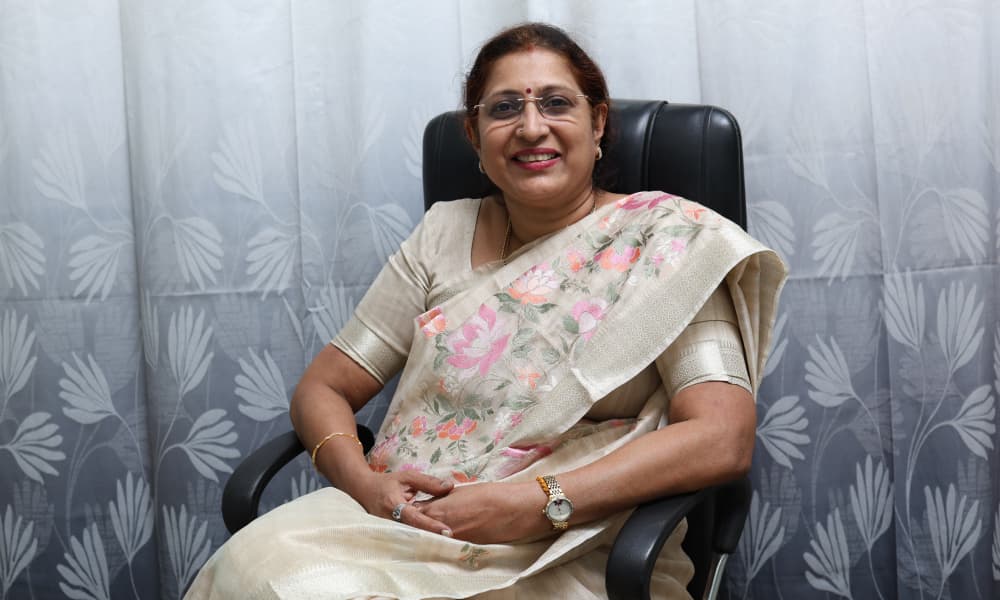
Menopause consultations at Sai Speciality Center are provided under the guidance of Dr. Kavitha Lakshmi Easwaran, Senior Consultant Obstetrician and Gynaecologist.
Her listed areas of expertise include comprehensive gynaecological care, high-risk obstetrics, gynaecological procedures and infertility management up to IUI. The clinic website currently lists her qualifications as MBBS and MD in Obstetrics and Gynaecology.
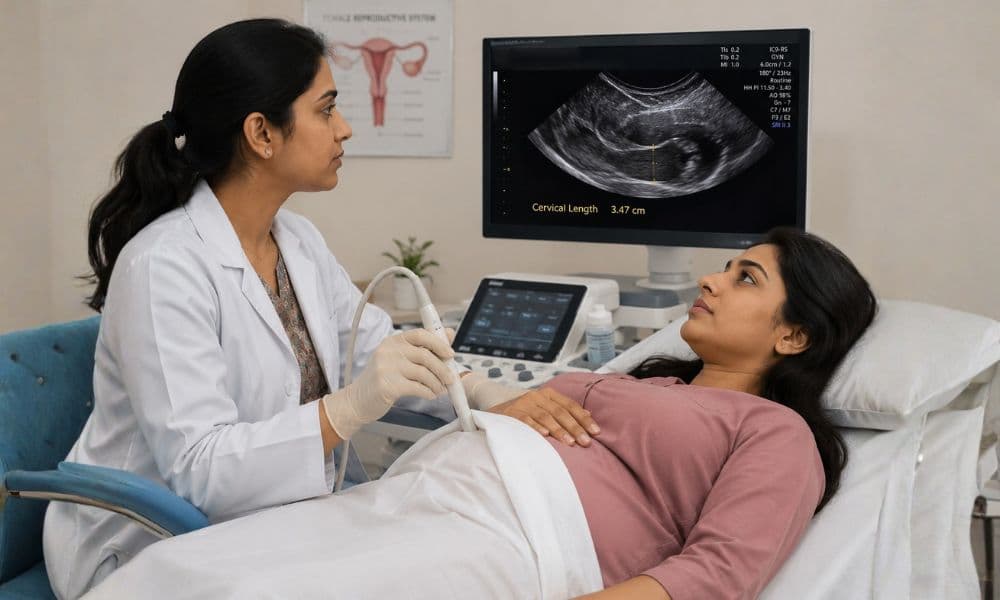
During a menopause consultation, the doctor can assess menstrual changes, hot flashes, vaginal symptoms, urinary concerns and general health risks before discussing a suitable care plan.
Menopause care may include:
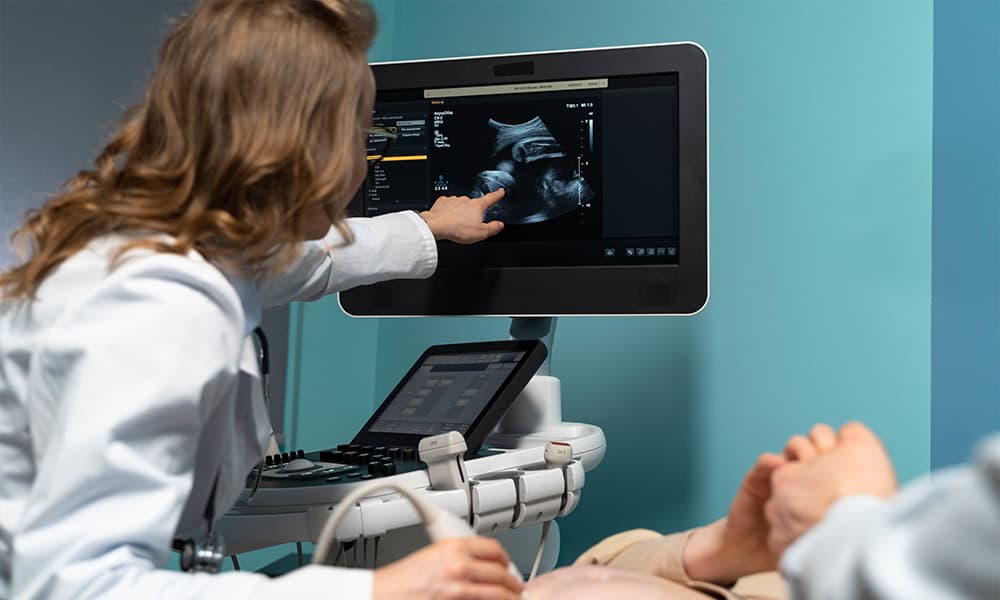
Sai Speciality Center currently lists laboratory, pharmacy, and ultrasound support on its website. The clinic should clearly state which services are available onsite and which are arranged through associated centres.
Sai Speciality Center is located in Kasturi Nagar, Bangalore. The clinic provides menopause consultations for women travelling from:
Sai Speciality Center is located in Kasturi Nagar and provides menopause care for women travelling from KR Puram, Tin Factory, Banaswadi, Horamavu and Ramamurthy Nagar.
Perimenopause is the transition when periods and hormones begin changing. Menopause is confirmed after 12 months without a menstrual period.
Natural menopause commonly occurs between 45 and 55 years, but it may happen earlier or later.
No. Any bleeding or spotting after menopause should be evaluated by a gynaecologist.
No. Women over 45 with typical symptoms generally do not need routine hormone testing to diagnose menopause.
No. HRT suitability depends on symptoms, age and personal medical risks. Benefits and risks should be discussed with a doctor.
Yes. Lower oestrogen levels can cause dryness, soreness and pain during sex. Vaginal treatments and non-hormonal moisturisers may help.
No. HRT is not a contraceptive. Women who may still become pregnant should discuss contraception with their doctor.
Yes. Lifestyle changes, CBT, vaginal moisturisers and selected non-hormonal medicines may help.
Hot flashes, sleep problems, vaginal discomfort and emotional changes should not be silently accepted when they affect daily life. A menopause consultation can help identify suitable and safe treatment choices.

Book your menopause care appointment with Dr. Kavitha Lakshmi Easwaran at Sai Speciality Center, Kasturi Nagar, Bangalore.

Book your menopause care appointment with Dr. Kavitha Lakshmi Easwaran at Sai Speciality Center, Kasturi Nagar, Bangalore.
✦ Our Resources

Best Women's Wellness Checkup Near Hennur: What Tests Should Women Consider?
Read More
Pregnancy Vaccination Schedule Near Marathahalli: Which Vaccines Are Needed and When?
Read More
High-Risk Pregnancy Care: What Modern Maternity Clinics in Bengaluru Offer
Read More
How to Increase Your Chances of a Normal Delivery Naturally – Bangalore Women’s Guide
Read More
Everything You Need to Know About Pregnancy Care at Sai Speciality Center
Read More
Period Acne: Why You Get It and How to Prevent Acne Before Your Period Naturally
Read More
Boil Under Breast: Causes, Symptoms, Treatment, and What They Look Like
Read More
Period Blood Clots: What They Look Like, Why They Happen, and When to Worry
Read More
Nausea Third Trimester: Is It Common for Morning Sickness to Come Back?
Read More
Phantom Kicks After Pregnancy: They are Normal, Here's Why They Feel So Real
Read More
Feel free to reach out to us