
Home > Specialities > Gynaecology Care > General Gynaecology
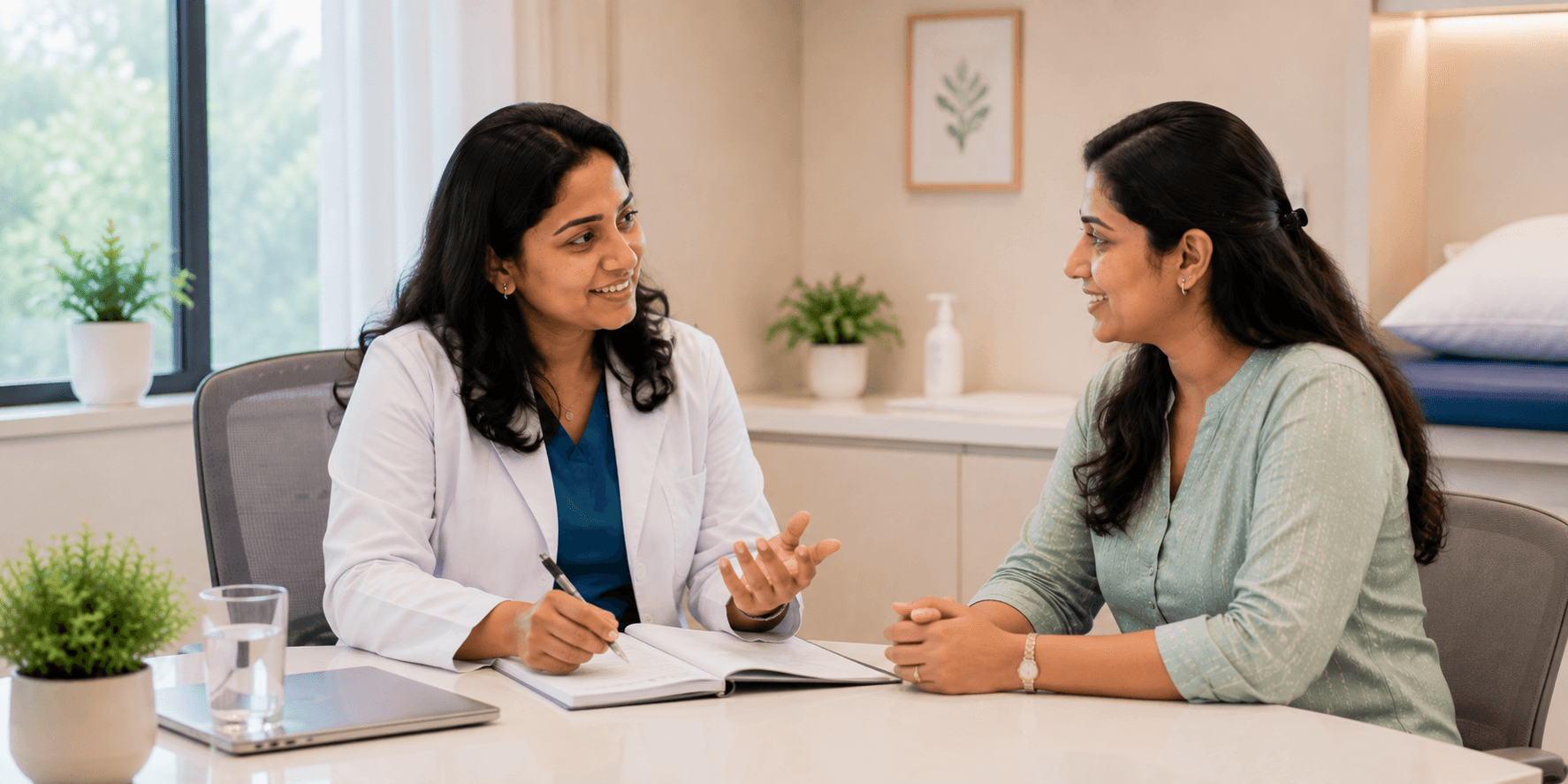
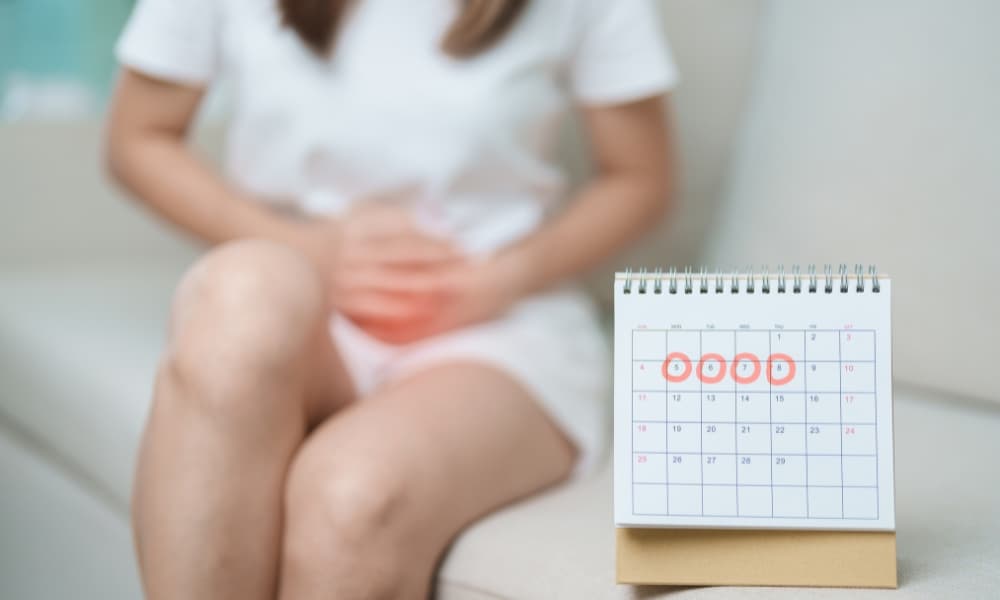
Sai Speciality Center provides general gynaecology care for women experiencing irregular periods, heavy bleeding, pelvic pain, vaginal infections, hormonal changes, urinary concerns, and menopause symptoms. Consultations focus on understanding the cause of the problem and providing suitable treatment based on the patient’s age, symptoms, health history, and future pregnancy plans.
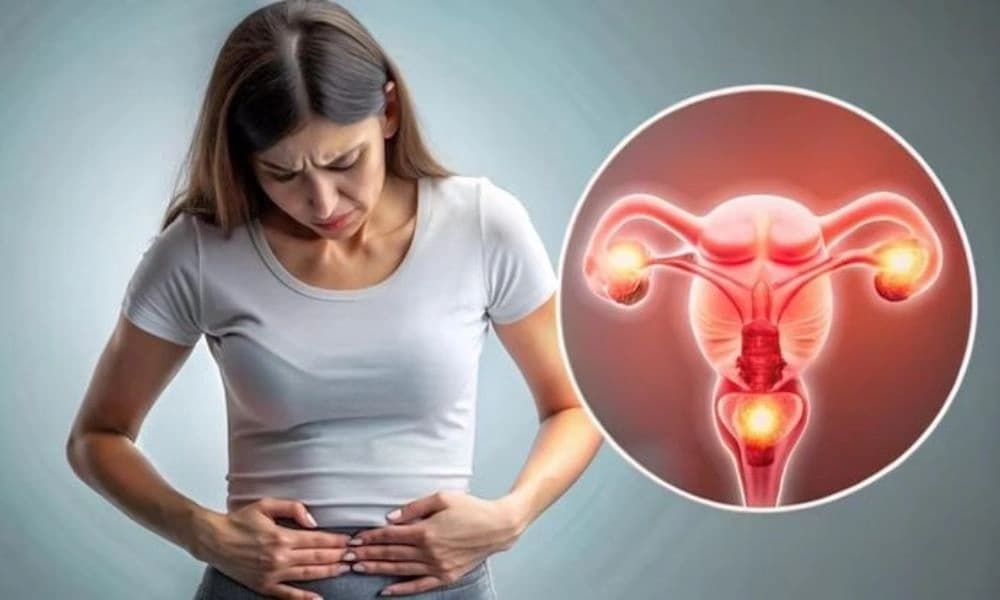
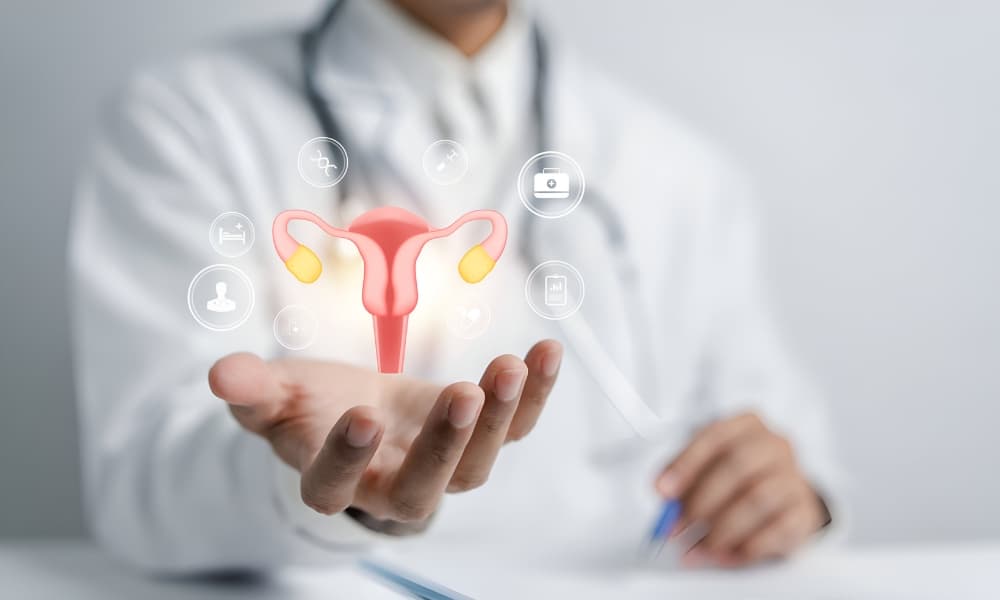
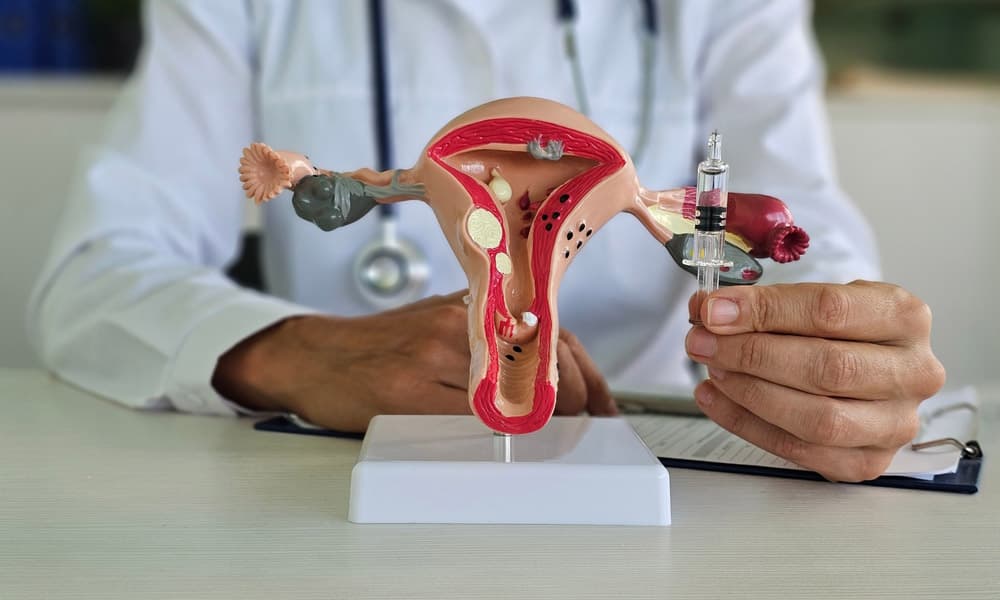
General gynaecology focuses on the health of the female reproductive system, including the uterus, ovaries, cervix, vagina, menstrual cycle and reproductive hormones. Women may require gynaecology care from adolescence through the reproductive years and menopause.
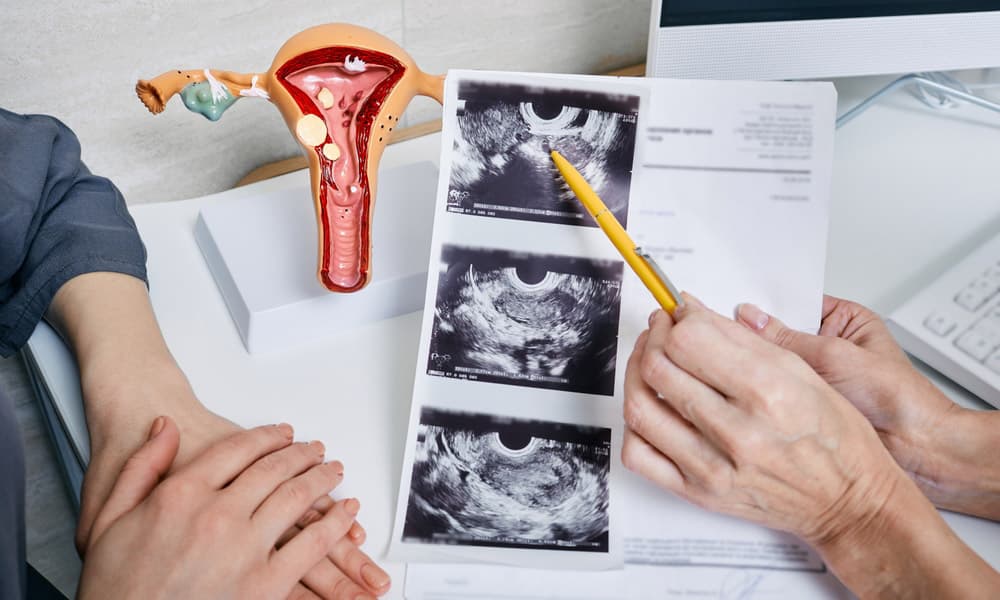
A general gynaecology consultation can help with period problems, pelvic discomfort, vaginal discharge, hormonal concerns, preventive screening and reproductive-health questions. It can also help identify conditions such as PCOS, fibroids, ovarian cysts, endometriosis and pelvic infections.
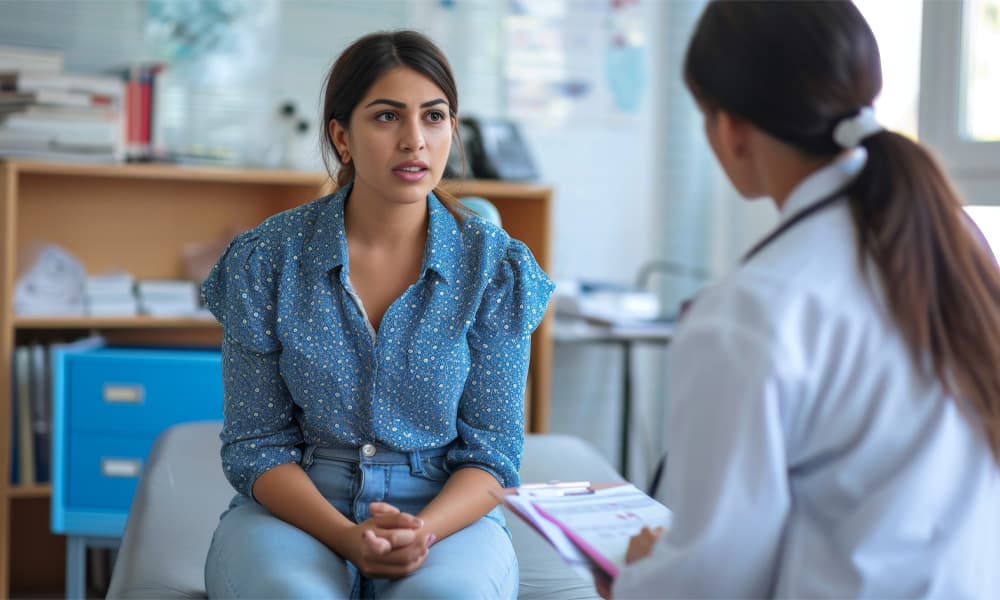
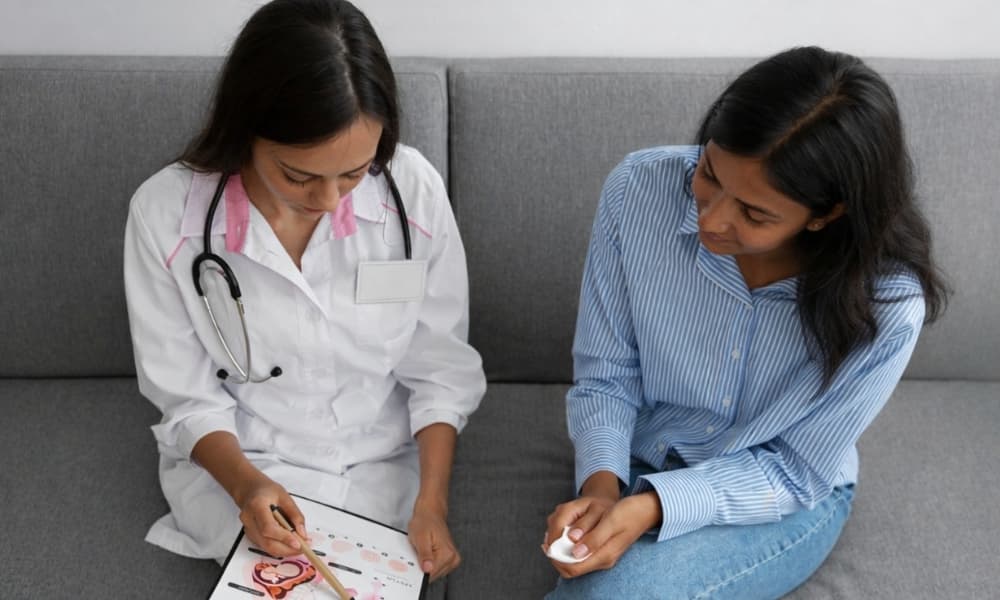
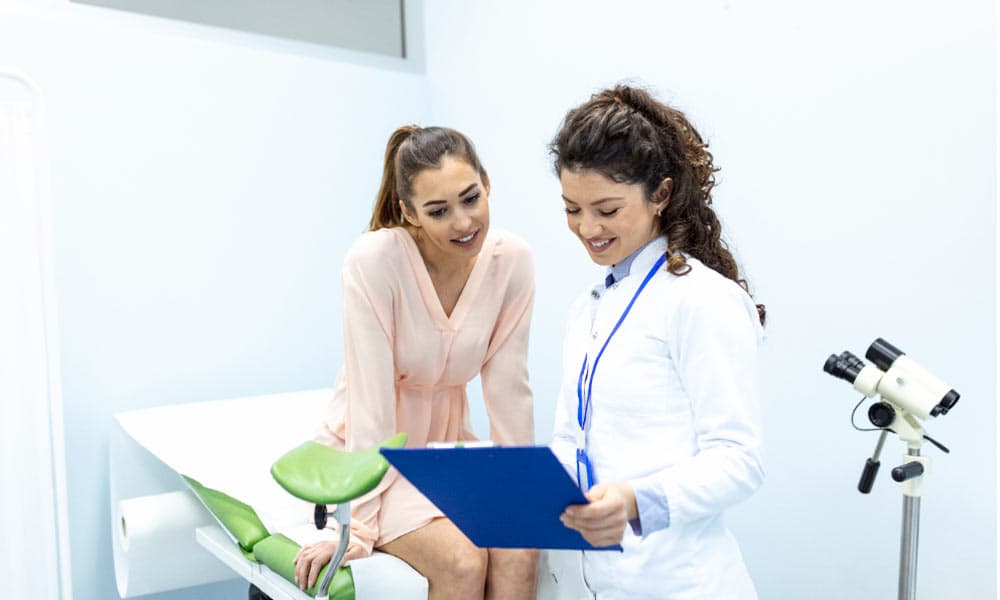
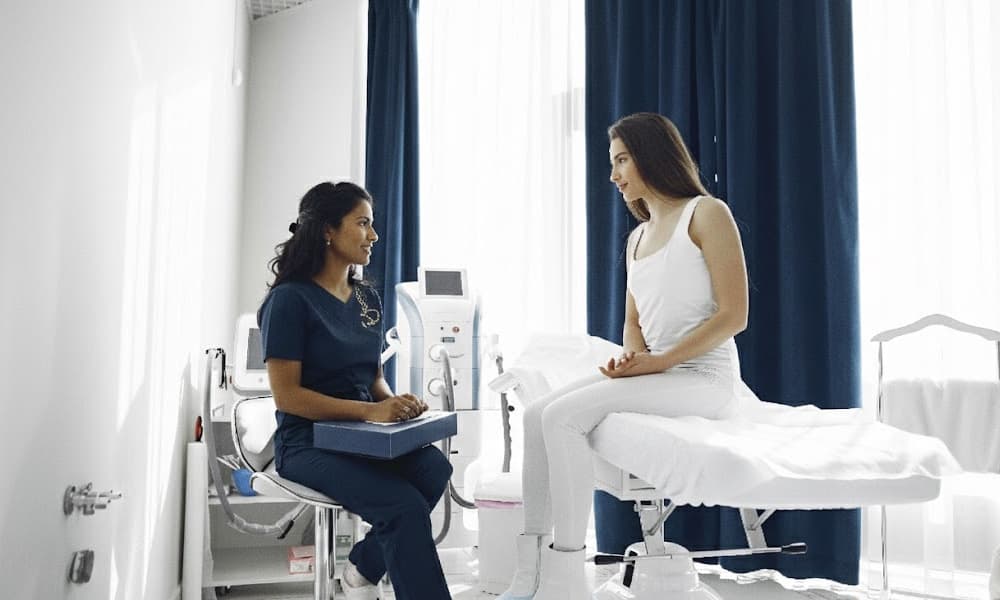
At Sai Speciality Center, the consultation begins with a private discussion about the patient’s symptoms and medical history. Tests are recommended only when they are relevant. The doctor then explains the possible cause and available treatment choices in simple language.
Gynaecological symptoms may be common, but they should not be ignored when they continue, become severe or affect daily life.
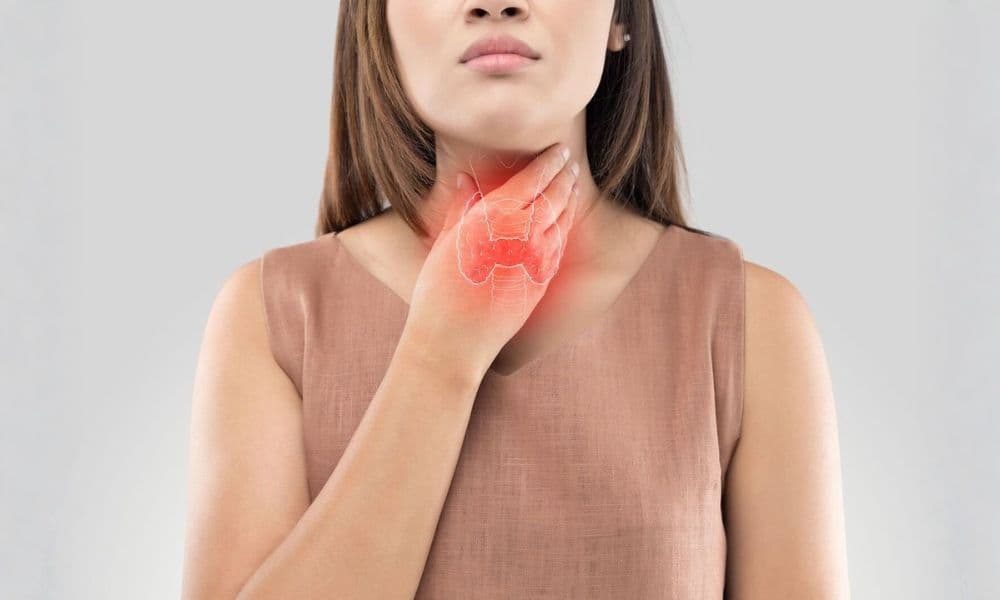
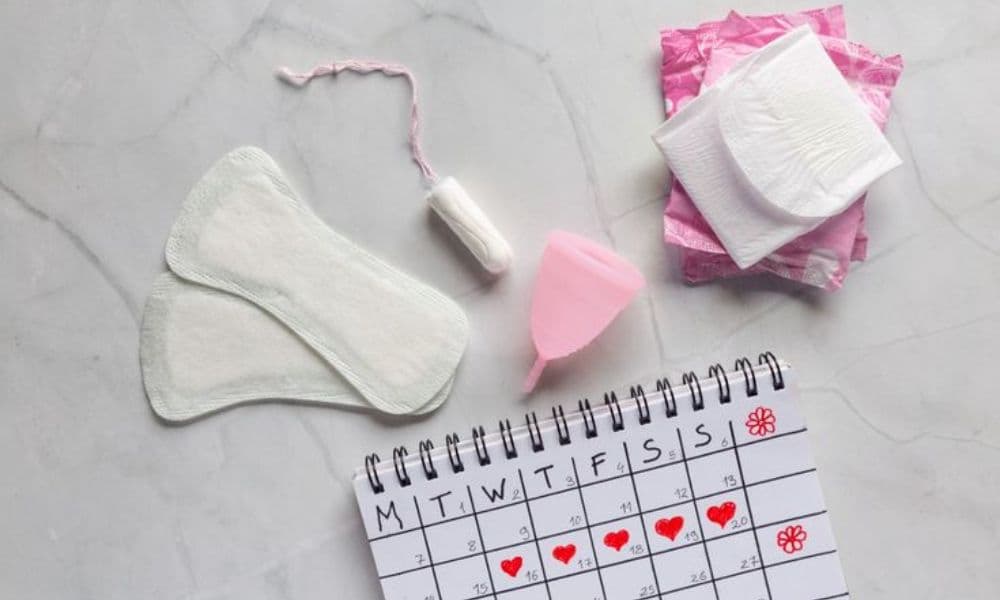
Irregular periods may include delayed, missed, frequent or unpredictable menstrual cycles. They can be connected to pregnancy, PCOS, thyroid problems, stress, weight changes, medicines or perimenopause.
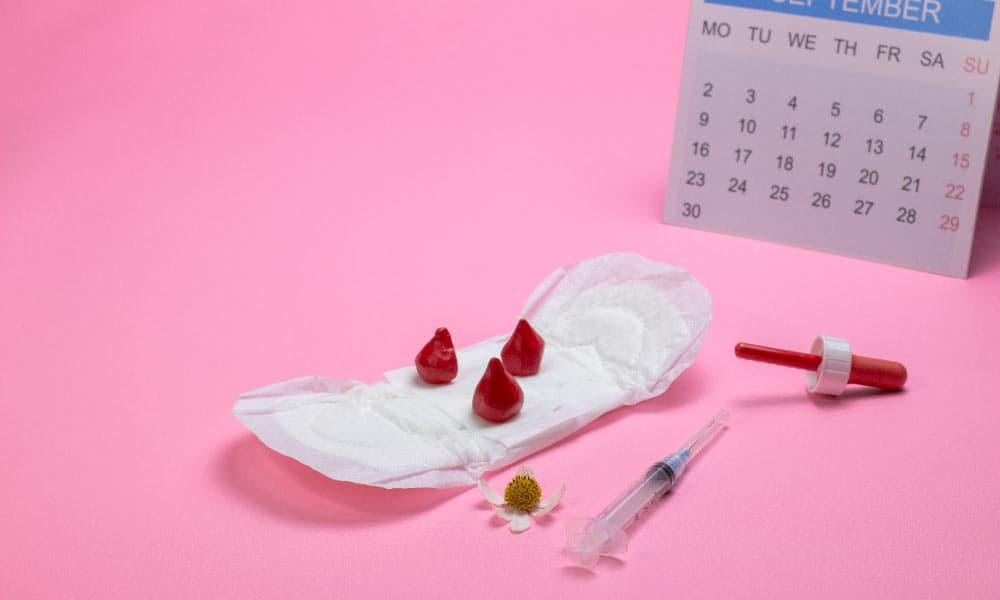
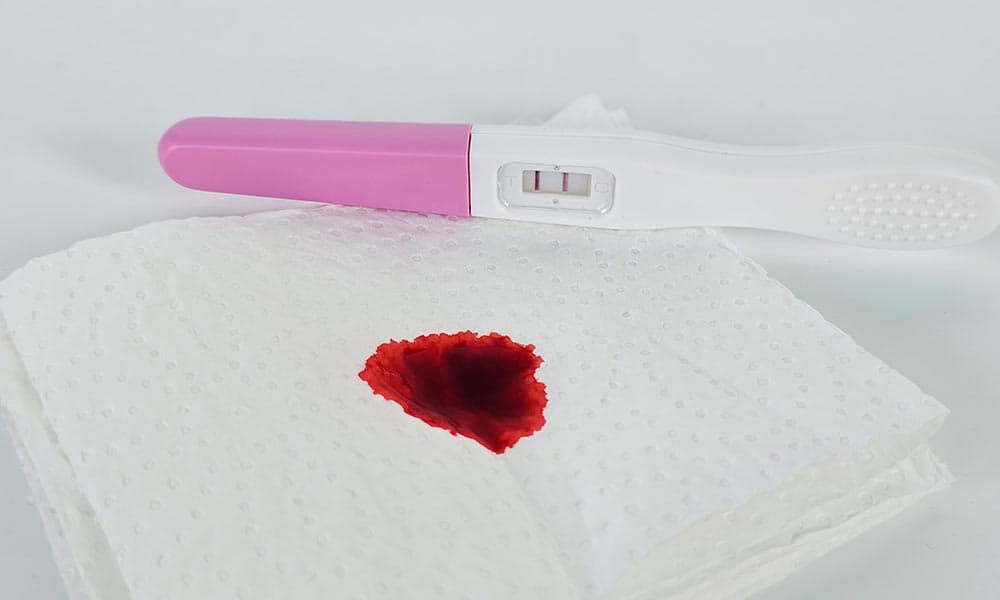
Heavy bleeding may involve frequent pad changes, large blood clots or periods lasting longer than seven days. Continued blood loss can cause anaemia, tiredness, weakness and dizziness. ACOG advises medical evaluation when menstrual bleeding becomes unusually heavy, prolonged or different from the patient’s normal pattern.
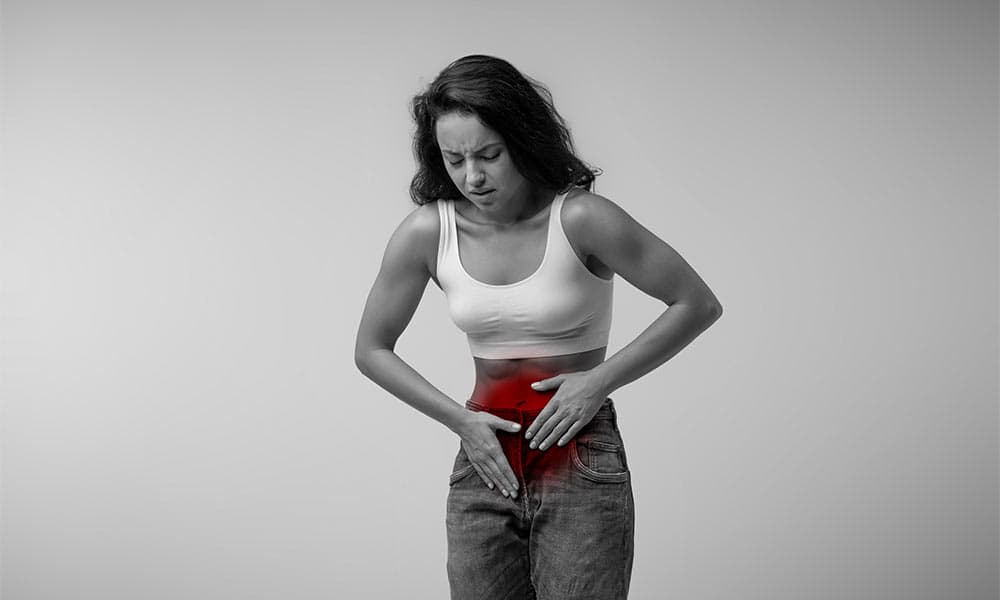
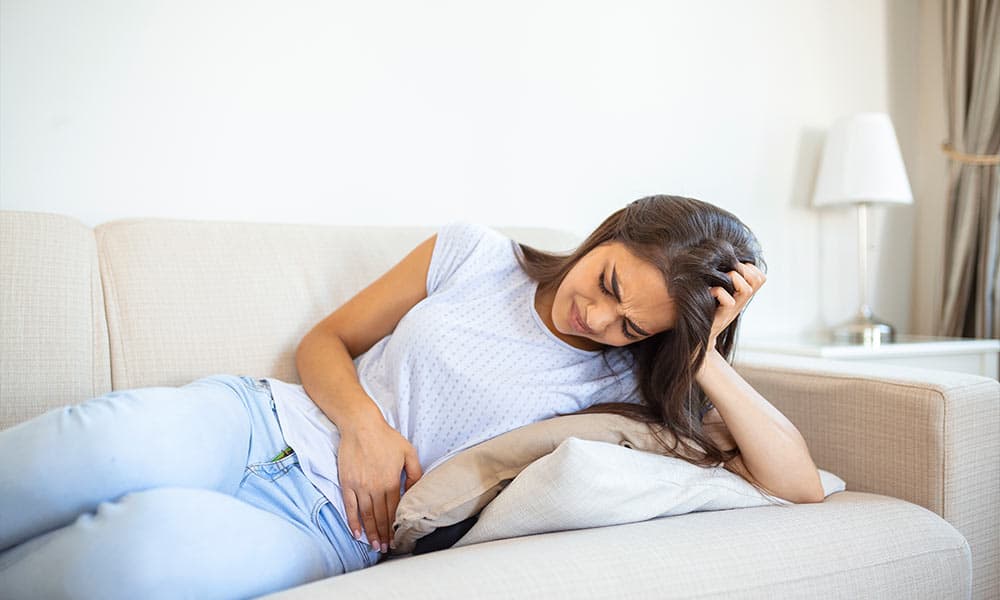
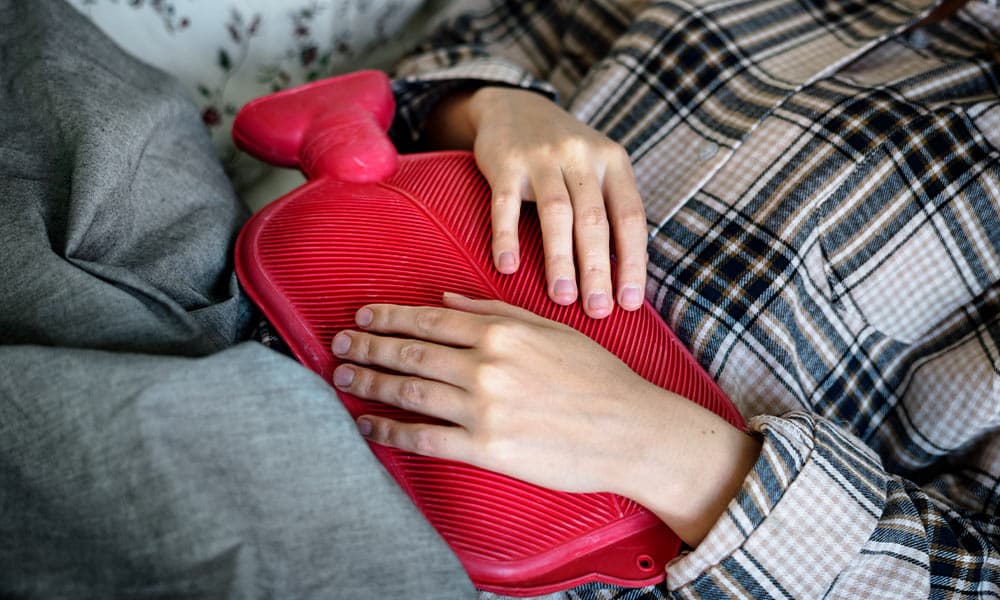
Mild period discomfort is common, but severe pain that affects work, sleep, studies or everyday activities requires evaluation. Possible causes include endometriosis, fibroids, ovarian cysts or pelvic infection.
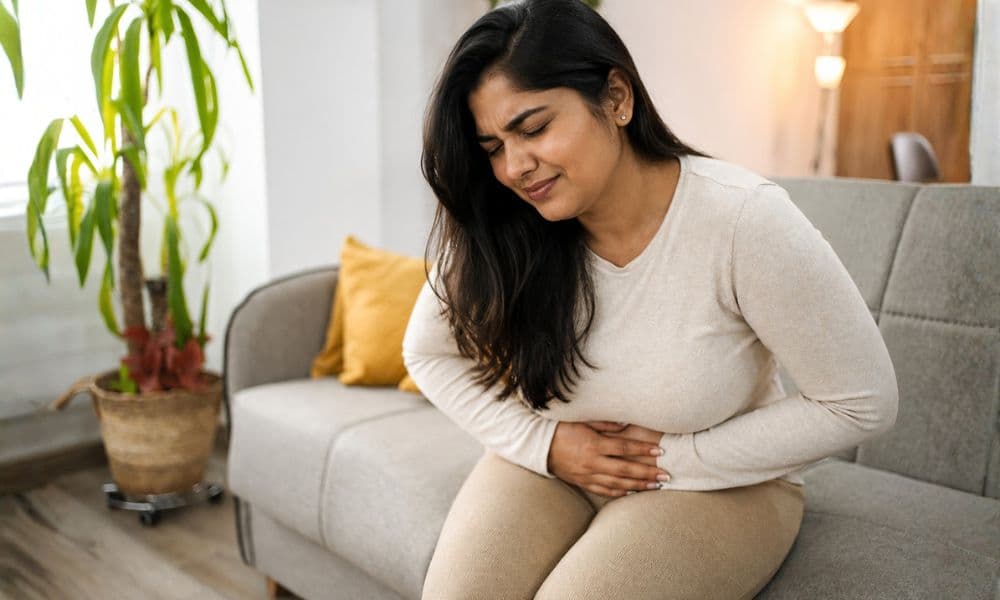
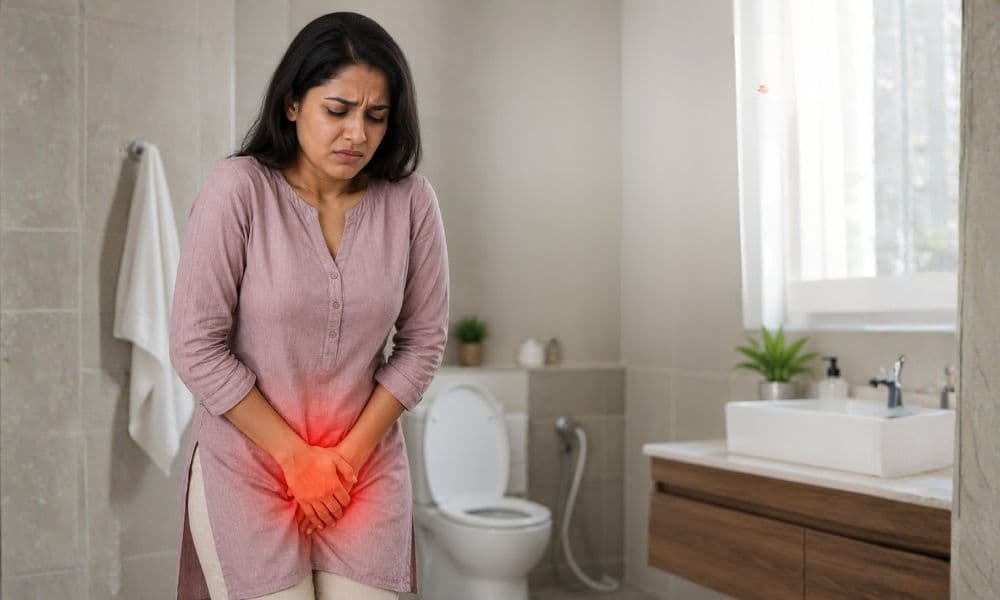
Pelvic pain may occur during periods, sexual activity, urination or bowel movements. Pain can result from gynaecological, urinary or digestive conditions, so the cause should be properly assessed.
PCOS may cause irregular periods, acne, excess facial hair, weight changes, scalp hair thinning and difficulty becoming pregnant. WHO describes PCOS as a hormonal condition associated with irregular periods, abnormal ovulation and fertility problems.
Fibroids may cause heavy bleeding, pelvic pressure and frequent urination. Ovarian cysts may cause one-sided pelvic pain, bloating or irregular periods. Many cysts are harmless, but persistent, large or painful cysts need medical assessment.
Endometriosis can cause severe period pain, chronic pelvic pain, pain during sex and fertility difficulty. Symptoms may also affect urination or bowel movements, particularly during periods.
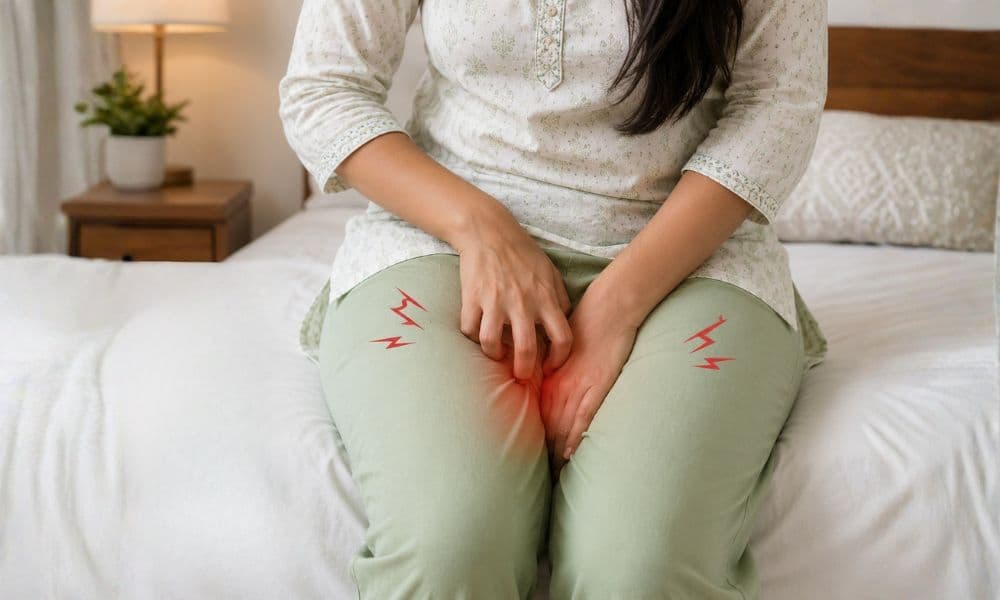
A change in the colour, smell, texture or amount of vaginal discharge may indicate an infection. Itching, soreness, pain during urination or pain during sex can also occur. Patients should avoid self-treatment when symptoms are new, severe or repeatedly return.
Perimenopause and menopause may cause irregular periods, hot flashes, sleep problems, mood changes, vaginal dryness and urinary discomfort. Natural menopause usually occurs between 45 and 55 years.
Women may consult for repeated urinary infections, urine leakage, vaginal dryness or pain during sex. These symptoms can be connected to infection, menopause-related changes, pelvic-floor concerns or another medical condition.
| Concern | Common symptoms | Diagnosis may include | Treatment may include |
|---|---|---|---|
| Period problems | Irregular, painful, heavy or prolonged periods | Pregnancy test, blood tests and ultrasound | Medicines, hormonal care or treatment of the underlying cause |
| PCOS | Irregular cycles, acne, excess hair and fertility difficulty | Hormone tests, blood-sugar tests and ultrasound when required | Lifestyle guidance, medicines and fertility support |
| Fibroids or ovarian cysts | Pelvic pain, pressure, bloating or heavy bleeding | Pelvic examination and ultrasound | Monitoring, medicines, procedures or surgery |
| Vaginal infection | Itching, burning, unusual discharge or smell | Examination, vaginal swab or urine test | Antifungal, antibiotic or other cause-specific treatment |
| Endometriosis | Severe period pain, pelvic pain and painful sex | History, examination, ultrasound or laparoscopy | Pain relief, hormonal treatment or surgery |
| Menopause concerns | Hot flashes, dryness, sleep or urinary problems | Symptom and medical-history review | Lifestyle support, non-hormonal care or hormone treatment |
Treatment is personalised. The same symptom can have different causes, so medicines should not be started without a proper evaluation.
Consult a gynaecologist when you notice a change from your normal menstrual or reproductive-health pattern.
Book a consultation for:
Bleeding between periods or after sex should be medically checked, even though it is not always caused by a serious problem. Any bleeding after menopause also requires evaluation, even if it occurs only once.
Seek urgent medical help for:
These symptoms may require emergency care rather than a routine clinic appointment.
The diagnostic process begins with a detailed and private discussion. The doctor may ask about the menstrual cycle, bleeding pattern, pain, discharge, urinary symptoms, medicines, previous pregnancies, and future pregnancy plans.
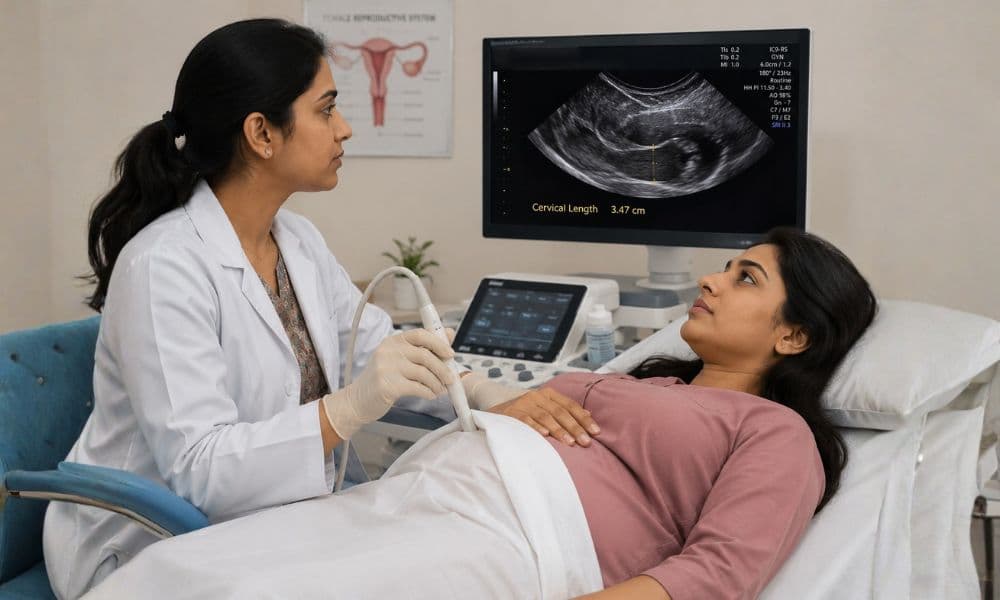
A general, abdominal, or pelvic examination may be recommended depending on the symptoms. Pelvic examinations are commonly considered for abnormal bleeding, vaginal discharge, pelvic pain, urinary concerns or pain during sex. The doctor should explain why an examination is required and obtain consent before proceeding.
Depending on the symptoms, the doctor may advise:
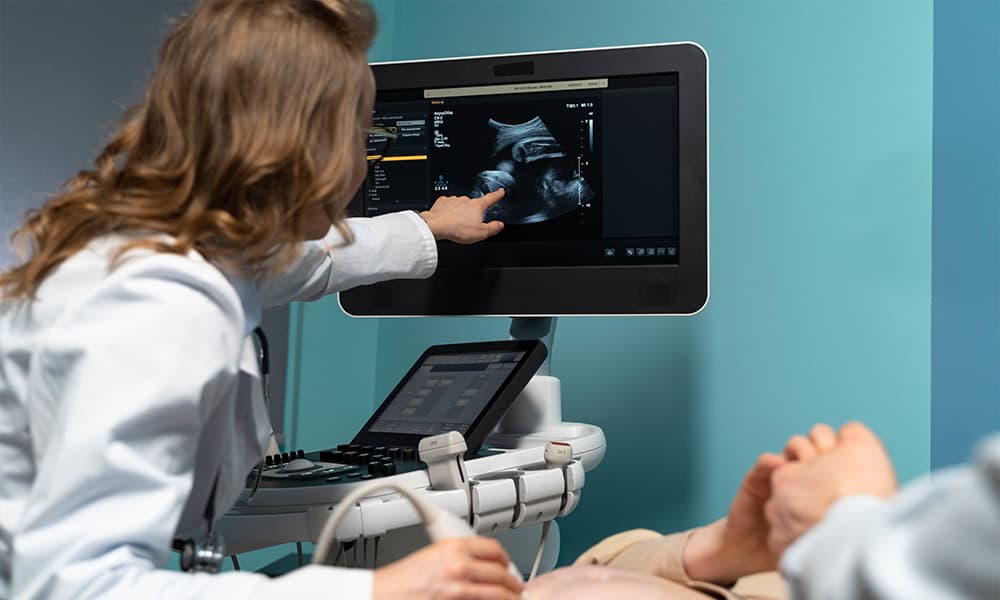
Not every patient needs every test. For abnormal bleeding, commonly considered investigations include a pregnancy test, complete blood count, infection testing and pelvic ultrasound when appropriate.
After reviewing the results, the doctor will explain the condition, treatment choices and follow-up plan.
Treatment depends on the diagnosed condition, severity of symptoms, patient’s age, medical history and reproductive goals.
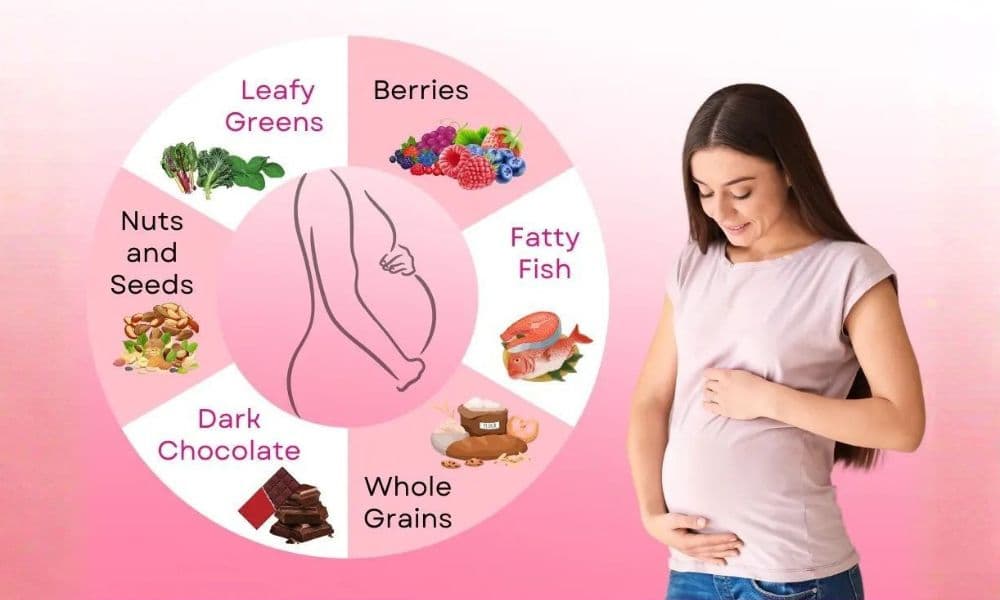
Lifestyle guidance may support the management of PCOS, irregular periods, menopause and general health. Advice may include balanced nutrition, physical activity, better sleep and stress management.
Medicines may be prescribed to:
The medicine selected depends on the confirmed or suspected cause.
Preventive gynaecology care may include cervical-screening guidance, breast-health awareness, contraception counselling, sexual-health support and health checks based on age and risk factors.
Some conditions may require hysteroscopy, laparoscopy, cervical procedures or treatment for uterine polyps, fibroids, ovarian cysts and endometriosis.
Surgery may be considered when symptoms are severe, medicines have not helped or the condition requires surgical treatment. The doctor will assess whether a minimally invasive or uterus-preserving option is suitable.
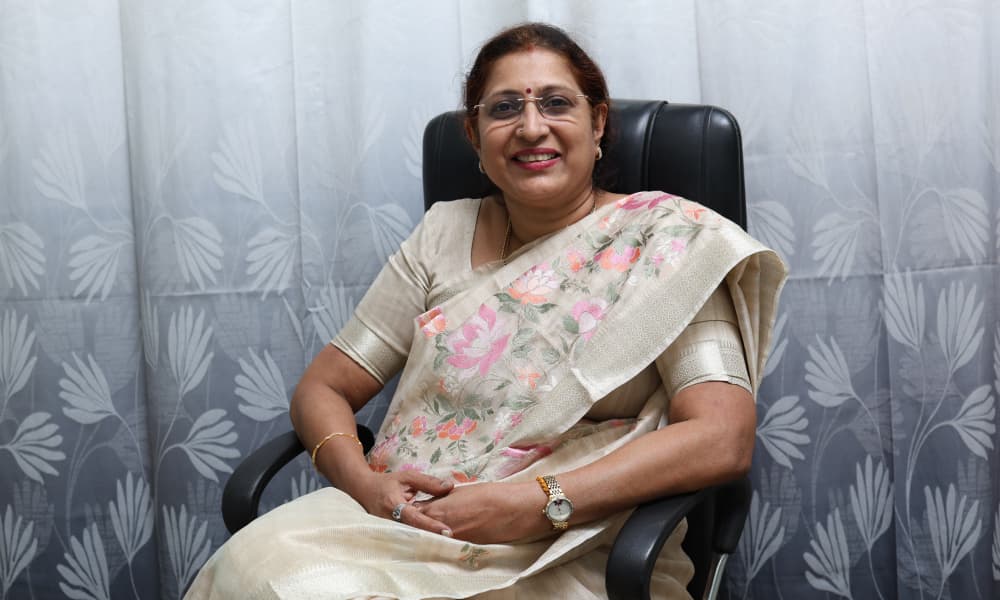
General gynaecology consultations at Sai Speciality Center are provided under the guidance of Dr. Kavitha Lakshmi Easwaran, Senior Consultant Obstetrician and Gynaecologist.
Her qualifications include:
Her listed areas of expertise include comprehensive gynaecological care, high-risk obstetrics, gynaecological procedures, vaginal surgery and infertility management up to IUI. The clinic’s homepage currently states that she has 26 years of experience.
The website should use one verified experience figure consistently because some current articles mention 28 years.
Patient support may include:
The clinic should clearly explain which tests and procedures are available onsite and which are arranged through associated laboratories or hospitals.
Sai Speciality Center is located in Kasturi Nagar, Bangalore. The clinic provides general gynaecology consultations for women travelling from:
Women from these areas can consult for period problems, PCOS, pelvic pain, vaginal infections, menopause, urinary concerns and other women’s health needs.
Sai Speciality Center is located in Kasturi Nagar and provides general gynaecology care for women travelling from KR Puram, Tin Factory, Banaswadi, Horamavu and Ramamurthy Nagar.
General gynaecology covers periods, PCOS, pelvic pain, infections, fibroids, ovarian cysts, endometriosis, menopause and other reproductive-health concerns.
Yes. Women can consult regardless of marital status for period problems, hormonal concerns, infections, pelvic pain or preventive advice.
No. A pelvic examination is recommended only when symptoms or a procedure make it medically relevant.
Yes. Bleeding between periods or after sex should be evaluated to identify the cause.
No. Any bleeding or spotting after menopause should be checked by a doctor.
No. Some only require observation or medicines. Surgery depends on symptoms, size, location, scan findings and fertility plans.
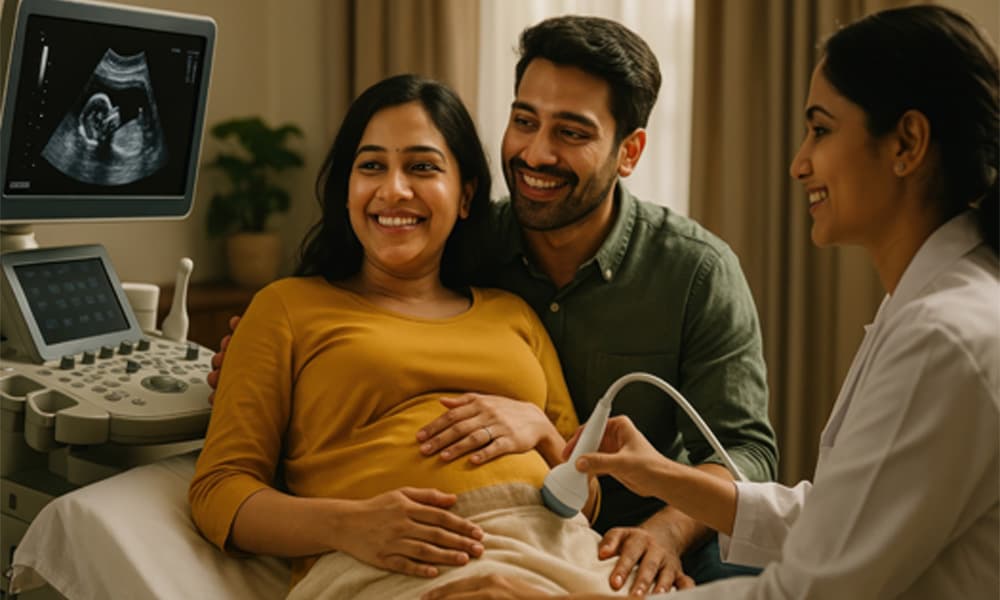
Yes. The doctor can perform an initial fertility evaluation and recommend ovulation monitoring, treatment or referral when required.
Period changes, pelvic pain, unusual discharge and other women’s health symptoms should not be ignored when they continue or affect daily life. A consultation can help identify the cause and provide a suitable treatment plan.

Book your general gynaecology appointment with Dr. Kavitha Lakshmi Easwaran at Sai Speciality Center, Kasturi Nagar, Bangalore.

Book your general gynaecology appointment with Dr. Kavitha Lakshmi Easwaran at Sai Speciality Center, Kasturi Nagar, Bangalore.
✦ Our Resources
Best Women's Wellness Checkup Near Hennur: What Tests Should Women Consider?
Read More
Pregnancy Vaccination Schedule Near Marathahalli: Which Vaccines Are Needed and When?
Read More
High-Risk Pregnancy Care: What Modern Maternity Clinics in Bengaluru Offer
Read More
How to Increase Your Chances of a Normal Delivery Naturally – Bangalore Women’s Guide
Read More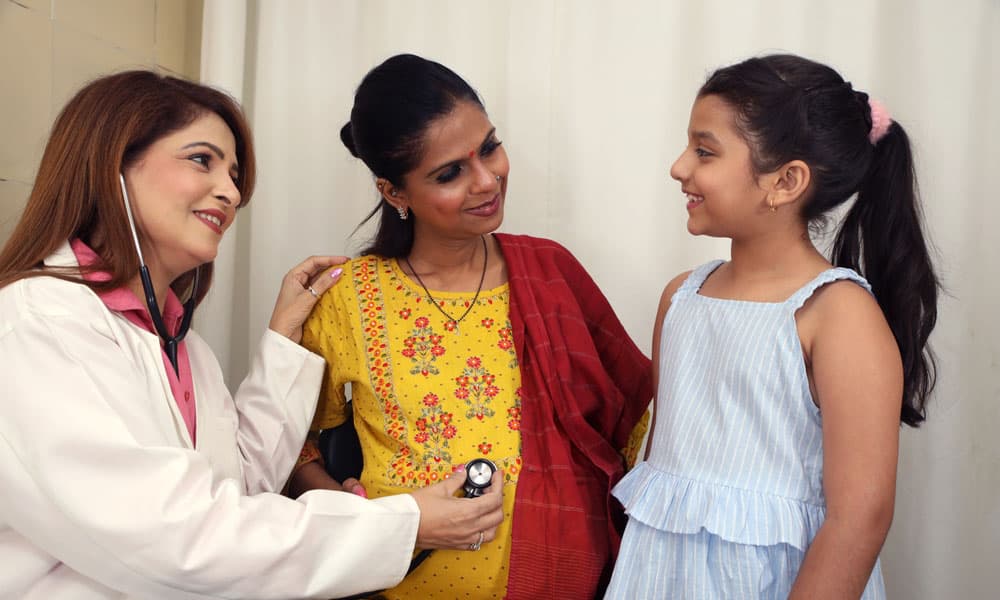
Everything You Need to Know About Pregnancy Care at Sai Speciality Center
Read More
Period Acne: Why You Get It and How to Prevent Acne Before Your Period Naturally
Read More
Boil Under Breast: Causes, Symptoms, Treatment, and What They Look Like
Read More
Period Blood Clots: What They Look Like, Why They Happen, and When to Worry
Read More
Nausea Third Trimester: Is It Common for Morning Sickness to Come Back?
Read More
Phantom Kicks After Pregnancy: They are Normal, Here's Why They Feel So Real
Read More
Feel free to reach out to us