
Home > Specialities > Gynaecology Care > Ovarian Cyst Treatment

Sai Speciality Center provides evaluation and personalised treatment planning for women with ovarian cysts. Care may be required for pelvic pain, bloating, irregular periods, pain during sex, frequent urination, or fertility concerns. Treatment depends on the cyst’s type, size, appearance, symptoms, the patient’s age, and whether she has reached menopause.
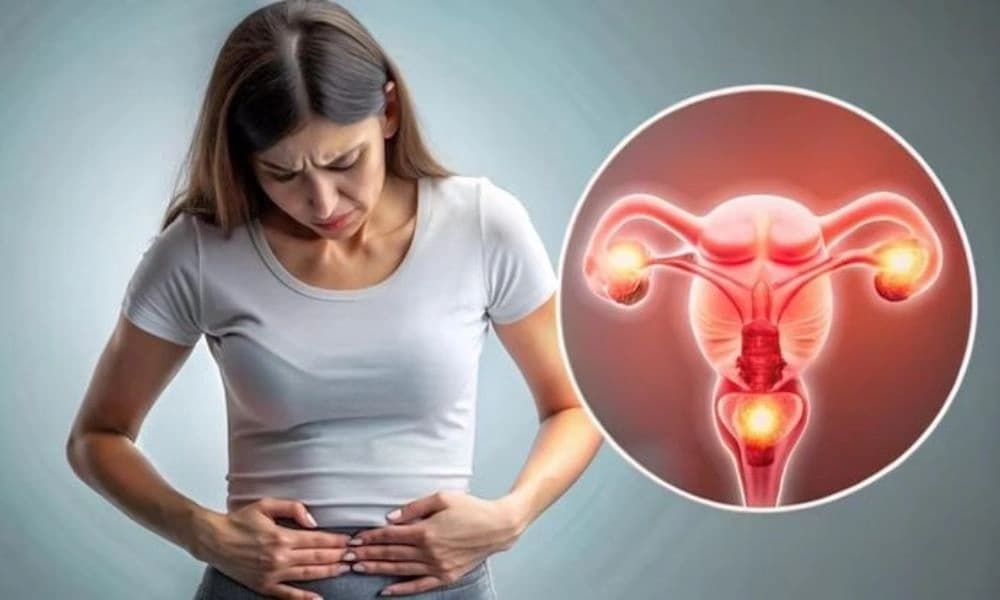
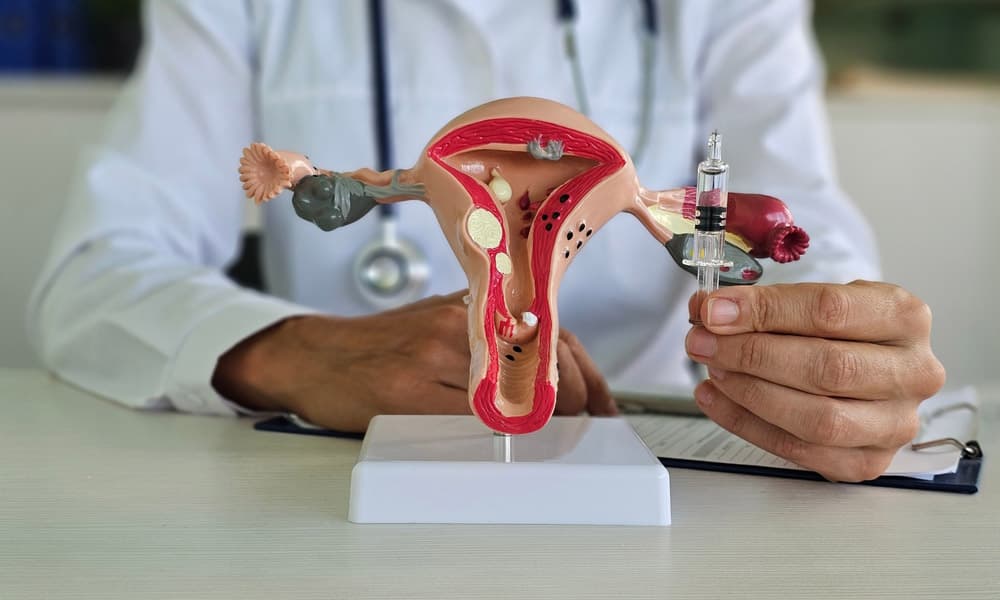
An ovarian cyst is a fluid-filled sac that develops inside or on the surface of an ovary. Ovarian cysts are common, especially during the reproductive years. Most are non-cancerous and disappear naturally within a few months without treatment.
A woman may develop a cyst on one ovary or both ovaries. Some cysts form as a normal part of the menstrual cycle. These are called functional cysts and are usually harmless and short-lived.
Other cysts may develop because of conditions such as endometriosis or abnormal tissue growth. Although most ovarian cysts are benign, cysts that are complex, persistent, growing, or found after menopause require careful assessment.
Having an ovarian cyst is different from having PCOS. PCOS is a hormonal condition that affects periods and ovulation, while an ovarian cyst is a separate fluid-filled or tissue-filled growth on an ovary.
Many ovarian cysts do not cause symptoms and are found during an ultrasound performed for another reason. Symptoms are more likely when the cyst becomes large, breaks open, twists the ovary, or presses on nearby organs.
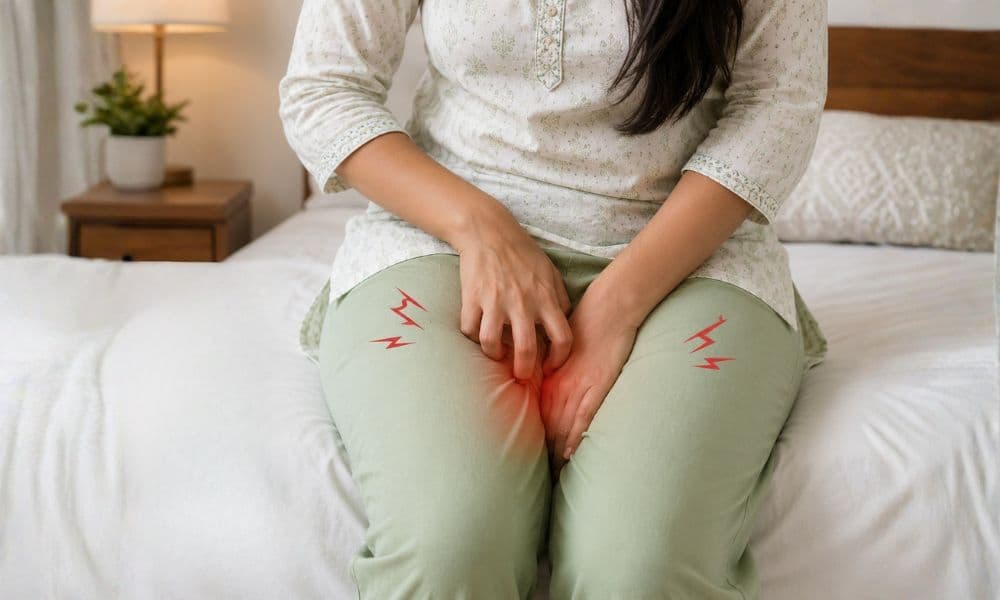
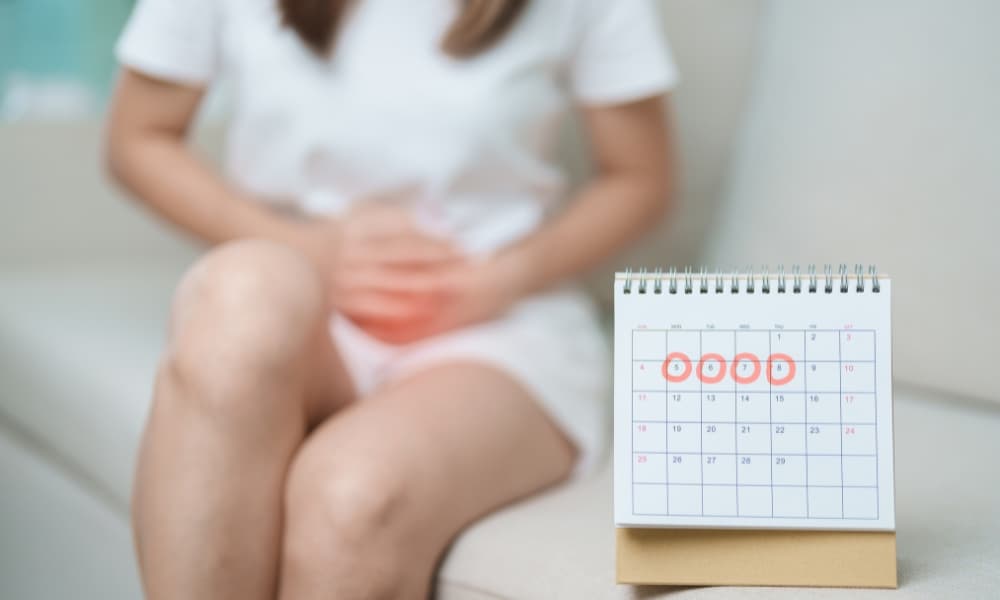
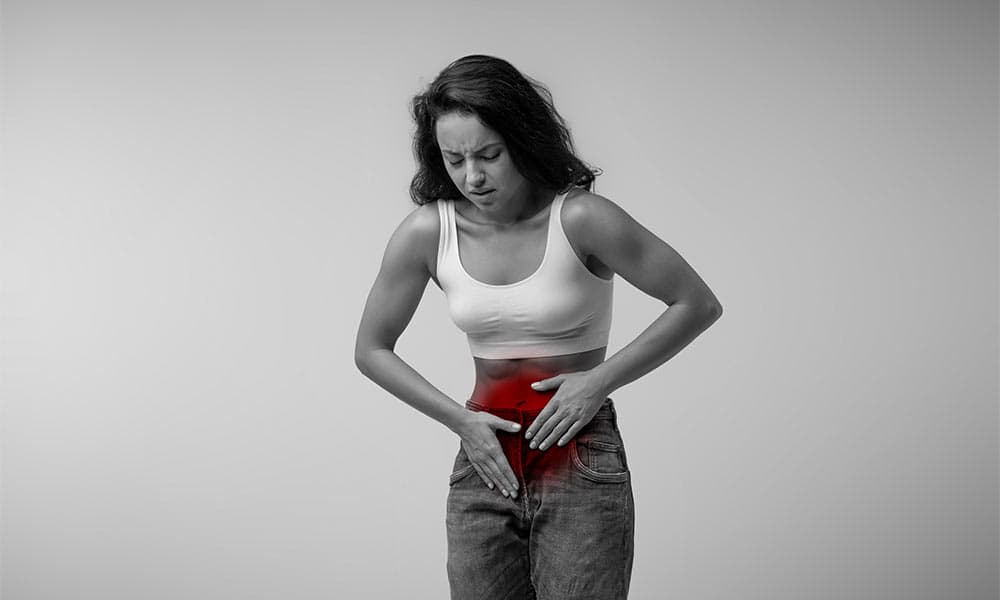
Ovarian cyst pain may feel dull, heavy or uncomfortable. Some women may feel pain mainly on one side of the lower abdomen.
Sudden and severe pain may occur if a cyst ruptures or causes the ovary to twist. This requires urgent medical attention.
A larger cyst may cause bloating, fullness or visible swelling in the lower abdomen. Some women may feel full soon after starting a meal.
Ovarian cysts may sometimes be associated with heavy, light or irregular periods. However, menstrual changes may also be caused by PCOS, fibroids, thyroid problems or other hormonal conditions.
Some cysts can cause deep pelvic pain during or after sexual activity. Persistent pain should be evaluated rather than managed repeatedly with pain medicines.
A large cyst may press on the bladder and cause frequent urination. Pressure on the bowel may cause discomfort or difficulty passing stool.
Most ovarian cysts do not prevent pregnancy. However, cysts related to endometriosis or another underlying condition may sometimes affect fertility. Treatment decisions should consider the woman’s pregnancy plans.
| Main concern | Common symptoms | Diagnosis may include | Treatment may include |
|---|---|---|---|
| Simple functional cyst | Often no symptoms or mild pelvic discomfort | Pelvic ultrasound and follow-up scan | Observation and repeat ultrasound |
| Large or persistent cyst | Pelvic pressure, bloating, pain or frequent urination | Ultrasound and further imaging when needed | Monitoring or surgical removal |
| Ruptured cyst | Sudden pelvic pain, sometimes with weakness or bleeding | Examination, ultrasound and blood tests | Observation, pain treatment or urgent hospital care |
| Ovarian torsion | Sudden severe one-sided pain, nausea or vomiting | Urgent examination and imaging | Emergency surgery |
| Endometrioma | Painful periods, pelvic pain, painful sex or fertility difficulty | Ultrasound and assessment for endometriosis | Medicines, monitoring, fertility care or surgery |
| Complex cyst | May have no symptoms or cause persistent pain | Detailed ultrasound, blood tests and specialist review | Monitoring, surgery or referral depending on findings |
Treatment is different for every patient. The doctor will review the cyst’s appearance, size, symptoms and possible effect on fertility before recommending a plan.
Consult a gynaecologist when pelvic pain, bloating or changes in periods continue or return repeatedly. A medical review is also important when a scan has already found an ovarian cyst.
Book a consultation if you experience:
Women who have reached menopause need careful evaluation because the chance of an ovarian cyst being cancerous is higher after menopause, although most cysts are still not cancer.
Seek urgent care if you have sudden, severe pelvic pain or abdominal pain accompanied by nausea or vomiting. These symptoms may indicate ovarian torsion, cyst rupture or internal bleeding.
Urgent assessment is also needed for:
Diagnosis begins with a discussion about the patient’s symptoms, periods, pregnancy possibility, previous cysts, medicines, and family medical history.
The doctor may ask when the pain began, whether it occurs on one side, whether it changes during the menstrual cycle and whether the patient has bloating, bleeding, or urinary symptoms.
An abdominal or pelvic examination may be recommended to check for tenderness, swelling or a pelvic mass. The doctor should explain the examination and obtain the patient’s consent.
A pregnancy test may be required because pregnancy-related conditions can also cause pelvic pain or appear as a mass during evaluation.
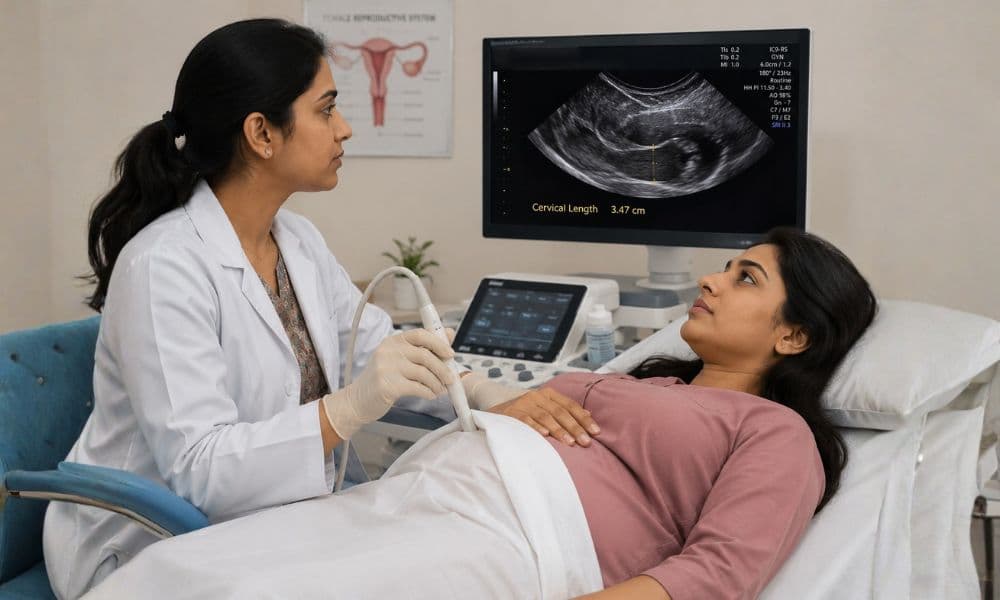
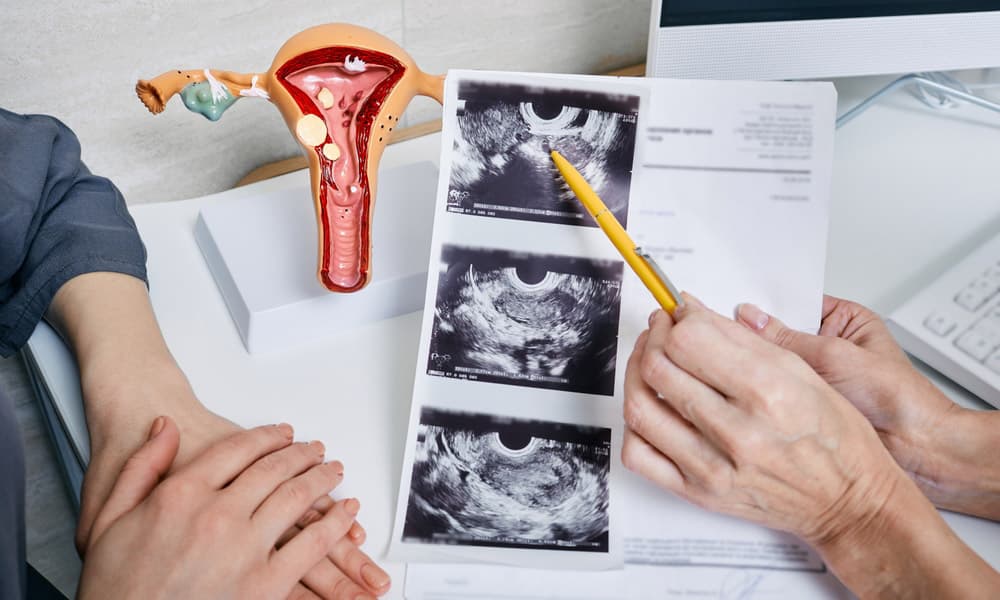
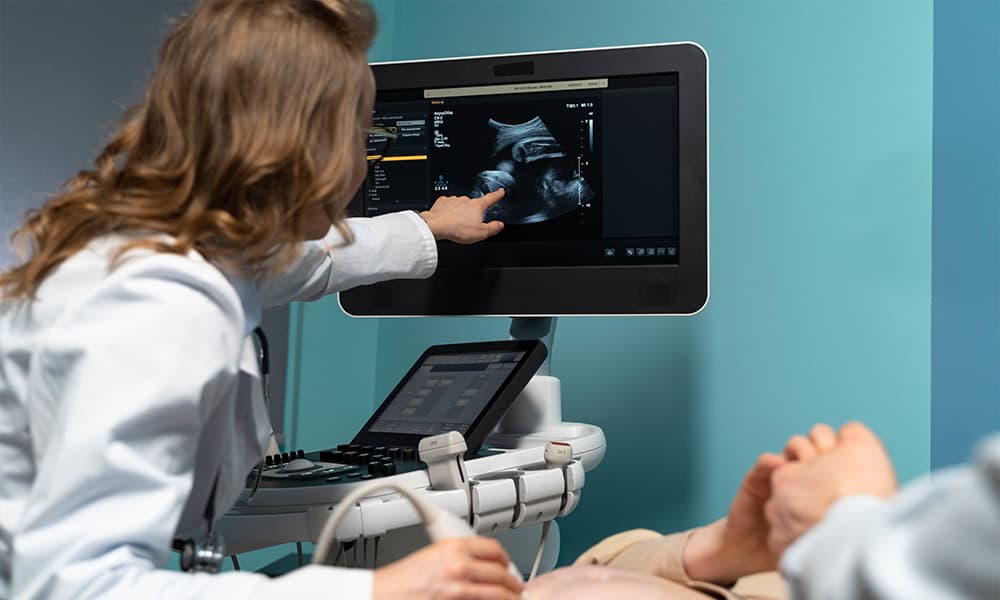
Ultrasound is the main imaging test used to assess an ovarian cyst. It helps the doctor understand:
A transvaginal ultrasound may provide a clearer image of the ovaries. If a cyst appears simple and the patient has no serious symptoms, the doctor may recommend another ultrasound after a few weeks or months.
Blood tests may be recommended when the patient has heavy bleeding, signs of infection or concern about the cyst’s appearance.
A tumour-marker blood test may sometimes be used when a cyst appears unusual or is found after menopause. An abnormal result does not automatically mean cancer because conditions such as endometriosis, infection, fibroids and menstruation can also affect the result.
MRI or another scan may be advised when the ultrasound does not provide enough information or when surgery is being planned.
Treatment is based on the cyst’s size, appearance and symptoms. The patient’s age, menopause status and fertility goals are also important.
Many simple cysts disappear without treatment. The doctor may recommend monitoring the symptoms and repeating the ultrasound after a few weeks or months.
If the cyst disappears or becomes smaller, no further treatment may be needed. A cyst that continues to grow or remains present may require further evaluation.
Pain medicines may be recommended for mild discomfort. Hormonal medicines may sometimes be considered to manage menstrual or hormonal concerns linked to the patient’s condition.
Medicines do not remove every type of ovarian cyst. Patients should not take hormonal tablets or repeated pain medicines without first understanding the cause of the cyst.
When a cyst is linked to endometriosis, hormonal problems or another condition, treatment should address the underlying cause.
An endometrioma, for example, may require pain management, hormonal treatment, fertility planning or surgery depending on the symptoms and pregnancy goals.
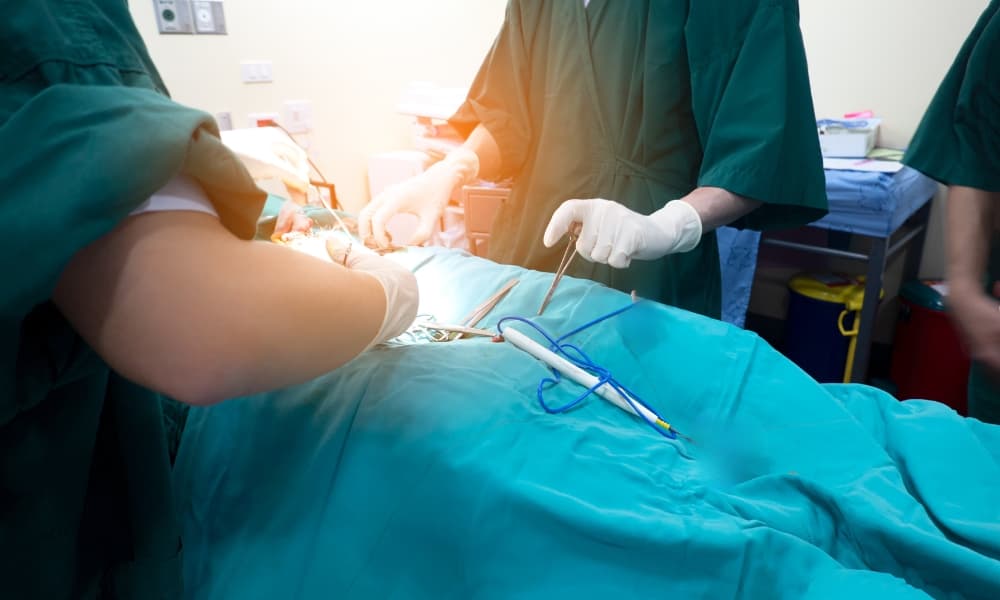
Large, persistent or painful cysts may require surgery. Many cysts can be removed through laparoscopy, also known as keyhole surgery.
During laparoscopy, the surgeon uses small cuts and a camera to examine the ovary and remove the cyst. This method generally causes less pain and allows faster recovery than open surgery.
Open surgery, or laparotomy, may be recommended when a cyst is very large or there is concern that it may be cancerous.
The cyst is normally sent for laboratory testing after removal. In some cases, the affected ovary may also need to be removed.
For women who have not reached menopause, the surgeon will usually try to remove only the cyst and preserve healthy ovarian tissue whenever it is medically safe.
If one ovary must be removed, the remaining ovary may continue to release hormones and eggs. Patients should discuss future pregnancy plans before any operation.
Ovarian cyst consultations at Sai Speciality Center are provided under the guidance of Dr. Kavitha Lakshmi Easwaran, Senior Consultant Obstetrician and Gynaecologist.
Her areas of expertise listed by Sai Speciality Center include comprehensive gynaecological care, gynaecological procedures, vaginal surgeries, high-risk obstetrics and infertility management up to IUI. The official website currently lists her as having 26 years of experience.
During an ovarian cyst consultation, the doctor can review the patient’s symptoms and ultrasound reports and explain whether monitoring, further testing, or surgical treatment should be considered.
Sai Speciality Center’s website lists consultation support, laboratory services, pharmacy assistance, and ultrasound facilities. Patients should be informed clearly about which tests are performed at the clinic and which procedures are arranged through an associated hospital.
Support for ovarian cyst care may include:
Sai Speciality Center is located in Kasturi Nagar, Bangalore, and provides ovarian cyst evaluation for women travelling from:
Women from these areas can consult for pelvic pain, bloating, irregular periods, painful sex, fertility concerns, or an ovarian cyst found during a scan.
Sai Speciality Center is located in Kasturi Nagar and provides ovarian cyst evaluation and treatment planning for women travelling from KR Puram, Tin Factory, Banaswadi, Horamavu, and Ramamurthy Nagar.
No. Many simple cysts disappear naturally and only require observation or a repeat ultrasound.
Most ovarian cysts are non-cancerous. Complex cysts, persistent cysts, and cysts detected after menopause may require further evaluation.
Some ovarian cysts may be associated with heavy, light, or irregular periods. Other hormonal or uterine conditions may also cause these changes.
Most cysts do not affect fertility. The effect depends on the cyst type, size, and whether an underlying condition such as endometriosis is present.
Medicines may help control pain or related hormonal symptoms, but they do not remove every type of cyst. Many simple cysts disappear naturally.
Surgery may be advised when a cyst is large, persistent, painful, growing, or has an unusual appearance.
A removed cyst does not grow back, but a new cyst can develop on the same or the other ovary.
No. PCOS is a hormonal condition involving ovulation and periods. An ovarian cyst is a separate sac or growth on an ovary.
Persistent pelvic pain, bloating, painful periods, or an ovarian cyst found during an ultrasound should not be ignored. Early evaluation can help determine whether the cyst only needs monitoring or requires further treatment.

Book your ovarian cyst treatment appointment with Dr. Kavitha Lakshmi Easwaran at Sai Speciality Center, Kasturi Nagar, Bangalore.

Book your ovarian cyst treatment appointment with Dr. Kavitha Lakshmi Easwaran at Sai Speciality Center, Kasturi Nagar, Bangalore.
✦ Our Resources

Best Women's Wellness Checkup Near Hennur: What Tests Should Women Consider?
Read More
Pregnancy Vaccination Schedule Near Marathahalli: Which Vaccines Are Needed and When?
Read More
High-Risk Pregnancy Care: What Modern Maternity Clinics in Bengaluru Offer
Read More
How to Increase Your Chances of a Normal Delivery Naturally – Bangalore Women’s Guide
Read More
Everything You Need to Know About Pregnancy Care at Sai Speciality Center
Read More
Period Acne: Why You Get It and How to Prevent Acne Before Your Period Naturally
Read More
Boil Under Breast: Causes, Symptoms, Treatment, and What They Look Like
Read More
Period Blood Clots: What They Look Like, Why They Happen, and When to Worry
Read More
Nausea Third Trimester: Is It Common for Morning Sickness to Come Back?
Read More
Phantom Kicks After Pregnancy: They are Normal, Here's Why They Feel So Real
Read More
Feel free to reach out to us