
SSC Logo
banner

Home > Specialities > Gynaecology Care > Recurrent UTI Treatment

Recurrent UTI Treatment

detailImg

Recurrent UTI Treatment

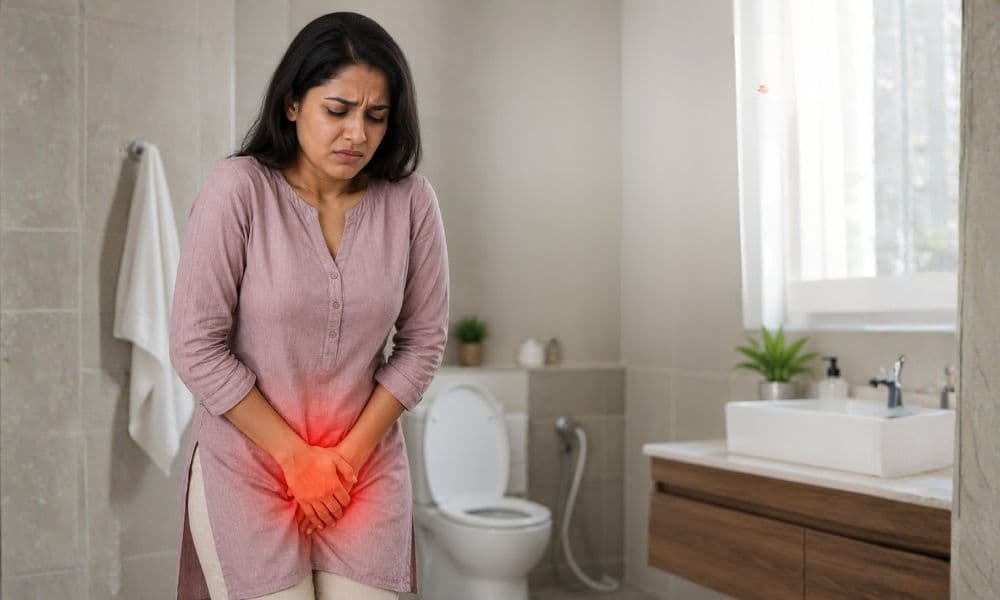
Sai Speciality Center provides evaluation and treatment planning for women who experience repeated urinary tract infections. Care focuses on confirming whether the symptoms are caused by a bacterial infection, identifying possible triggers, and choosing treatment that reduces unnecessary antibiotic use. Women may consult for burning urination, frequent urination, urinary urgency, lower abdominal discomfort, or repeated infections after sexual activity or menopause.

What Is a Recurrent Urinary Tract Infection?

A urinary tract infection, or UTI, develops when bacteria enter the urinary system and multiply. Most UTIs in women affect the bladder and are known as bladder infections or cystitis. Without suitable treatment, some infections can travel to the kidneys and become more serious.

A recurrent UTI means that infections return repeatedly. In adults, it is generally defined as:

  • Two or more UTIs within six months, or
  • Three or more UTIs within twelve months

Repeated urinary symptoms should be properly evaluated because burning, pelvic discomfort and frequent urination can also occur with vaginal infections, sexually transmitted infections, urinary stones, painful bladder syndrome or menopause-related vaginal changes.

Symptoms and Conditions Treated

Recurrent UTIs may cause the same symptoms each time, or the symptoms may vary between episodes. Some women notice infections after sexual activity, while others develop them during pregnancy, after menopause or alongside conditions such as diabetes.

Burning or pain during urination

A burning feeling while passing urine is one of the most common symptoms of a bladder infection. The pain may occur at the beginning, throughout or near the end of urination.

Frequent or urgent urination

A woman may feel the need to pass urine repeatedly, even when only a small amount comes out. Some women experience a sudden urge that is difficult to control.

Lower abdominal discomfort

Bladder infections can cause pain, pressure or heaviness in the lower abdomen. Persistent pelvic pain between infections may need evaluation for another urinary or gynaecological condition.

Changes in urine

Urine may appear cloudy, bloody or have a strong smell. However, urine smell alone does not confirm an infection and should be considered along with symptoms and test results.

UTI symptoms after sexual activity

Sexual activity can be a trigger for repeated UTIs in some women. The doctor may ask whether infections regularly begin after intercourse because this can affect the prevention plan.

UTI after menopause

Lower oestrogen levels after menopause can cause changes in vaginal and urinary tissues. These changes may result in vaginal dryness, irritation, bladder symptoms and repeated UTIs.

Common Concerns, Diagnosis and Treatment

Main concernCommon symptomsDiagnosis may includeTreatment may include
Repeated bladder infectionBurning urination, urgency, and frequent urinationUrine test and urine cultureAntibiotic selected according to symptoms and culture results
UTI after sexual activitySymptoms beginning after intercourseMedical history and urine cultureTrigger-based prevention and selected preventive medicine
Postmenopausal UTIRepeated UTI, vaginal dryness or irritationUrine testing and pelvic assessmentVaginal oestrogen for suitable women and infection treatment
Possible kidney infectionFever, chills, back pain, nausea or vomitingUrine and blood tests, with imaging when requiredUrgent antibiotic treatment and hospital care when necessary
Persistent symptoms with negative testsBurning, urgency or pelvic pain without confirmed bacteriaExamination and tests for other conditionsTreatment based on the actual cause rather than repeated antibiotics
UTI during pregnancyBurning, urgency, pain or sometimes no symptomsUrine culture and pregnancy assessmentPregnancy-safe antibiotics and closer follow-up

The correct treatment depends on whether an active bacterial infection is present, which bacteria caused it, previous antibiotic exposure, pregnancy status, allergies, and other health conditions.

When Should You Consult a Doctor?

Consult a doctor when UTI symptoms return after treatment or when you experience two infections within six months or three infections within one year. Repeatedly taking over-the-counter medicines or unused antibiotics can delay the correct diagnosis and contribute to antibiotic resistance.

Book a consultation if you experience:

  • Repeated burning or pain during urination
  • Frequent or urgent urination
  • Lower abdominal pain or pressure
  • Blood in the urine
  • Symptoms returning shortly after antibiotics
  • UTIs repeatedly occurring after sexual activity
  • Repeated infections after menopause
  • UTI symptoms during pregnancy
  • Diabetes with repeated urinary infections
  • Persistent symptoms despite negative urine tests
  • Difficulty emptying the bladder

Pregnant women should contact their healthcare provider promptly when UTI symptoms develop because urinary infections during pregnancy need suitable antibiotic treatment and follow-up.

When is urgent medical care required?

Seek urgent medical attention if urinary symptoms occur with:

  • Fever or chills
  • Pain in the back, side or below the ribs
  • Nausea or vomiting
  • Severe weakness or confusion
  • Inability to pass urine
  • Heavy blood in the urine
  • Severe symptoms during pregnancy

Fever, chills, back or side pain, nausea and vomiting may indicate that the infection has reached the kidneys. Kidney infections require prompt medical treatment.

How Are Recurrent UTIs Diagnosed?

The diagnosis begins with a detailed discussion about the symptoms and previous infections. The doctor may ask how frequently infections occur, whether urine cultures were positive, which antibiotics were previously used, and whether symptoms are connected to sexual activity, pregnancy, or menopause.

Urine examination

A urine test can check for signs of infection, blood, and inflammation. When UTIs repeatedly return, a urine culture is particularly useful because it can identify the bacteria and show which antibiotics are likely to work.

Current recurrent-UTI guidance recommends confirming repeated infections through urine testing and culture rather than relying only on symptoms or repeatedly prescribing the same antibiotic.

Medical and pelvic assessment

The doctor may review:

  • Previous urine-culture reports
  • Antibiotic history and allergies
  • Pregnancy possibility
  • Diabetes or blood-sugar control
  • Menopause symptoms
  • Vaginal discharge, dryness or irritation
  • Urinary leakage
  • Difficulty emptying the bladder
  • History of kidney stones

A pelvic examination may be advised when vaginal infection, prolapse, menopause-related changes or another gynaecological condition is suspected.

Additional tests

Most otherwise healthy women with uncomplicated recurrent UTIs do not automatically need extensive imaging or bladder procedures. Ultrasound, specialist imaging or cystoscopy may be considered when there is persistent blood in the urine, kidney stones, repeated kidney infections, difficulty passing urine, unusual bacteria or poor response to treatment.

Recurrent UTI Treatment Options

Treatment has two goals: clearing the current infection and reducing the chance of another infection. The plan should be individualised and reviewed regularly.

Antibiotics for an active infection

A confirmed bacterial bladder infection is normally treated with antibiotics. The choice and duration depend on the urine-culture result, symptoms, allergies, pregnancy status and previous treatments.

Patients should complete the prescribed course and avoid using leftover antibiotics. Repeated antibiotic use without proper testing can cause side effects and make future infections harder to treat.

Review of possible triggers

The doctor may assess whether infections are related to:

  • Sexual activity
  • Menopause-related vaginal changes
  • Incomplete bladder emptying
  • Urinary stones
  • Diabetes
  • Pregnancy
  • Certain contraceptive methods
  • Repeated unnecessary antibiotic use

Correcting an underlying factor can be more helpful than repeatedly treating each episode without investigating why it returns.

Trigger-based antibiotic prevention

When UTIs reliably occur after an identifiable trigger, a doctor may consider a single preventive antibiotic dose linked to that trigger. This approach is only suitable for selected patients after current infections have been treated and other measures have been considered.

Daily preventive antibiotics

Low-dose daily antibiotics may be considered when infections continue despite other measures. The doctor should discuss possible side effects, antibiotic resistance and the need for regular review.

Preventive antibiotics should not be started without a clear diagnosis and medical supervision.

Methenamine hippurate

Updated NICE guidance allows methenamine hippurate to be considered as an alternative to daily antibiotic prevention for some non-pregnant women with recurrent UTIs. It is not appropriate for every patient and should be prescribed after reviewing kidney health, other medicines and the cause of recurrence.

Vaginal oestrogen after menopause

For women in perimenopause or menopause, vaginal oestrogen may help reduce recurrent UTIs when low oestrogen has caused changes in vaginal and urinary tissues. Suitability should be discussed with a gynaecologist, especially when there is a history of hormone-sensitive cancer or unexplained bleeding.

Hydration and bladder habits

Drinking adequate fluids may help support recovery and regular urination. Women should avoid repeatedly delaying urination and should take time to empty the bladder comfortably.

Cranberry products may be discussed as an optional preventive measure, but results vary and they should not replace urine testing or prescribed treatment. Patients taking other medicines should check with their doctor before using supplements.

Doctor Expertise

Recurrent UTI consultations at Sai Speciality Center are provided under the guidance of Dr. Kavitha Lakshmi Easwaran, Senior Consultant Obstetrician and Gynaecologist.

Her qualifications listed by the clinic include MBBS and MD in Obstetrics and Gynaecology. Her areas of care include comprehensive women’s healthcare and gynaecological conditions. Sai Speciality Center also currently lists urinary and general care among its services.

During the consultation, the doctor can evaluate recurrent urinary symptoms, vaginal infections, menopause-related changes, and pregnancy-related concerns. Women with kidney stones, structural urinary problems, repeated kidney infections, or complex bladder conditions may require referral to a urologist or another appropriate specialist.

Facilities and Patient Support

Recurrent UTI evaluation may include:

  • Private gynaecology consultation
  • Urine-test and culture coordination
  • Blood-sugar assessment when required
  • Pelvic assessment
  • Menopause-care support
  • Review of previous reports and antibiotics
  • Follow-up after treatment
  • Referral for ultrasound or urology assessment

The clinic should clearly state which tests are performed onsite and which are provided through associated laboratories or hospitals.

Recurrent UTI Care for Nearby Areas

Sai Speciality Center is located in Kasturi Nagar, Bangalore, and provides recurrent UTI consultations for women travelling from:

  • KR Puram
  • Tin Factory
  • Banaswadi
  • Horamavu
  • Ramamurthy Nagar

Sai Speciality Center is located in Kasturi Nagar and provides recurrent UTI evaluation and treatment planning for women travelling from KR Puram, Tin Factory, Banaswadi, Horamavu and Ramamurthy Nagar.

Frequently Asked Questions

How many UTIs are considered recurrent?

Two or more UTIs within six months, or three or more within twelve months, are generally considered recurrent UTIs.

Why does my UTI keep returning?

Possible reasons include reinfection, antibiotic resistance, sexual triggers, menopause-related changes, diabetes, urinary stones, or incomplete bladder emptying.

Do I need a urine culture every time?

Urine culture is especially important when infections repeatedly return, symptoms do not improve, or previous antibiotics have failed.

Can recurrent UTI be treated without antibiotics?

An active bacterial infection may require antibiotics. Preventive options for selected women can include vaginal oestrogen, methenamine hippurate and changes based on individual triggers.

Can menopause cause repeated UTIs?

Menopause-related reduction in oestrogen can change vaginal and urinary tissues, increasing the risk of repeated infections in some women.

Can UTI symptoms occur without infection?

Yes. Vaginal infections, painful bladder syndrome, urinary stones and menopause-related irritation can cause similar symptoms.

Can recurrent UTIs affect the kidneys?

A bladder infection can sometimes spread to the kidneys. Fever, chills, side or back pain, nausea and vomiting require urgent assessment.

Can I take the same antibiotic used for my previous UTI?

Do not reuse old antibiotics without medical advice. The bacteria and antibiotic sensitivity may be different during a new infection.

Book a Recurrent UTI Consultation

Repeated burning urination, urinary urgency, and infections that return after treatment should not be ignored. Proper urine testing can help confirm the cause and reduce unnecessary antibiotic use.

Book a recurrent UTI consultation with Dr. Kavitha Lakshmi Easwaran at Sai Speciality Center, Kasturi Nagar.

CTA: Book Appointment | Call Now | WhatsApp Us | Get Directions

CTA Background Mobile

We provide the highest level of satisfaction, care & services to our patients.

✦ Our Resources

Trusted Resources for Your Well-Being

Resource
August 11th, 2026

Regular antenatal care helps monitor the health of both mother and baby, identify potential concerns early, and prepare for a safer delivery with month-by-month guidance.

Read More
Resource
August 11th, 2026

Understand the complete pregnancy ultrasound scan timeline, including dating scans, NT scans, anomaly scans, and growth Doppler scans for expecting mothers.

Read More
Resource
August 11th, 2026

Learn what routine screenings, pelvic exams, Pap smears, ultrasound, and hormone tests are recommended during a comprehensive women's wellness checkup.

Read More
Resource
August 11th, 2026

Discover essential vaccines during pregnancy such as Tdap / Td and influenza, their recommended timing, and how they protect both mother and newborn.

Read More
Resource
August 11th, 2026

A complete postpartum recovery guide covering physical healing, lochia, pelvic floor care, emotional wellness, nutrition, and red flags after childbirth.

Read More
Resource
July 14th, 2026

Boric acid is sometimes used as a vaginal suppository for recurrent yeast infections or bacterial vaginosis, but it should not be used during pregnancy unless a gynecologist specifically advises it.

Read More
Resource
July 14th, 2026

Period symptoms like heavy bleeding, severe cramps, irregular cycles, or spotting between periods should not be ignored. Visiting a specialist early helps detect hormonal issues, PCOS, and fibroids.

Read More
Resource
July 14th, 2026

Regular prenatal tests help track the mother's health, baby's growth, blood levels, sugar levels, and possible pregnancy risks. Learn which tests every expecting mother needs.

Read More
Resource
July 14th, 2026

If you have been trying to conceive for 12 months without success, or 6 months if above 35, early fertility evaluation can help identify causes and the right path forward.

Read More
Resource
July 14th, 2026

PCOS can cause irregular periods, acne, weight gain, excess facial hair, and fertility issues. Early consultation can help manage hormonal imbalance and improve pregnancy chances.

Read More
Resource
June 18th, 2026

Regular prenatal tests help track maternal and fetal health throughout pregnancy. Discover essential pregnancy tests near Ramamurthy Nagar for expecting mothers.

Read More
Resource
June 18th, 2026

PCOS can cause irregular periods, acne, weight changes, and ovulation difficulties. Learn key symptoms not to ignore and effective treatment options near Horamavu.

Read More
Resource
June 18th, 2026

A fertility checkup helps couples evaluate ovulation, egg reserve, sperm quality, and reproductive health. Explore key tests for couples near Banaswadi.

Read More
Resource
June 18th, 2026

Persistent pelvic pain, heavy bleeding, irregular cycles, and unusual discharge are health red flags. Know when to consult a gynecologist near KR Puram.

Read More
Resource
May 21st, 2026

Many Indian women in their 30s and 40s notice unusual changes in their bodies and emotions, but often assume it is due to stress, busy schedules, or aging. However, these symptoms may actually be linked to perimenopause, a natural transition phase before menopause. Early awareness can help women take better care of their physical and emotional health.

Read More
Resource
May 21st, 2026

Many women in their late 30s and 40s notice sudden weight gain even when their eating habits have not changed much. Clothes may feel tighter, belly fat may increase, and losing weight can become more difficult than before. In many cases, this is linked to perimenopause.

Read More
Resource
May 21st, 2026

Many women experience constant tiredness, weight gain, hair fall, mood changes, or irregular periods without realizing that these symptoms may be linked to hypothyroidism. Because the signs develop slowly, they are often ignored or mistaken for stress, aging, or lifestyle problems.

Read More
Resource
May 21st, 2026

Many women struggle with stubborn belly fat even after following diets and exercise routines. In many cases, the problem may not only be calories or lack of activity — it may be linked to cortisol, the body’s main stress hormone.

Read More
Resource
May 21st, 2026

When couples face difficulty conceiving, fertility discussions often focus more on women. However, male fertility plays an equally important role in pregnancy. In many cases, fertility problems may be linked to sperm health, hormone imbalance, lifestyle habits, or underlying medical conditions in men.

Read More
Resource
May 21st, 2026

Preparing for embryo transfer is one of the most important stages in the IVF journey. Along with medications and medical care, nutrition also plays a major role in supporting implantation, hormone balance, and overall reproductive health.

Read More
Resource
May 21st, 2026

Vaginal itching and burning are common problems many women experience at some point in life. While yeast infections are often blamed first, they are not the only reason behind these uncomfortable symptoms. In many cases, irritation, hormonal imbalance, infections, allergies, or skin conditions may be the actual cause.

Read More
Resource
May 21st, 2026

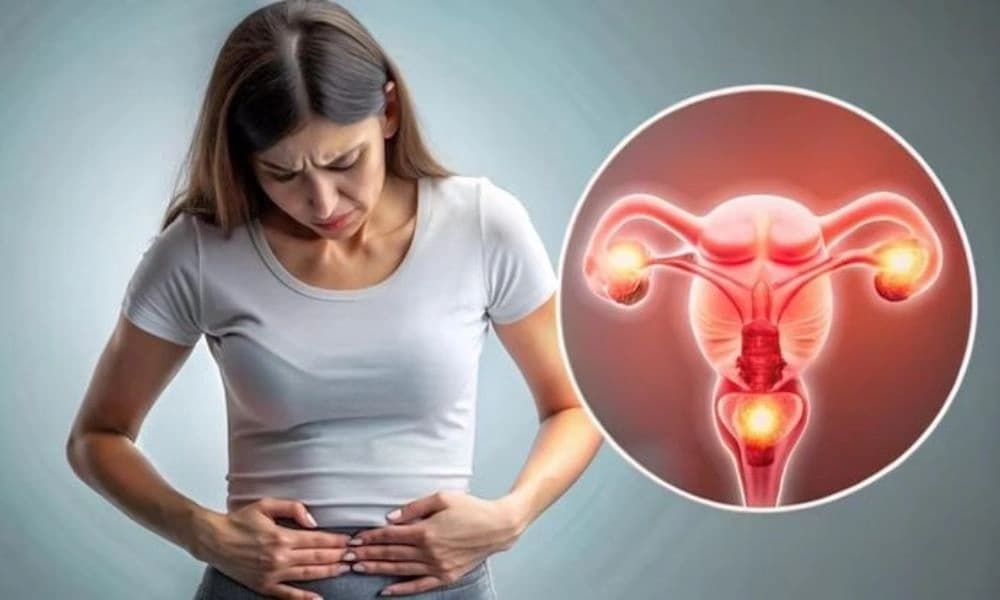
Urinary tract infections (UTIs) are one of the most common health problems affecting women. While many women recover completely after treatment, some continue to experience repeated infections that return every few months. This condition is known as recurrent UTI.

Read More
Resource
May 21st, 2026

Pregnancy involves several important scans and health checkups that help monitor both the mother and the baby. One such important test is the cervical length scan, which helps doctors assess the risk of preterm labor and pregnancy complications.

Read More
Resource
May 21st, 2026

Menstrual hygiene is an important part of women’s health, yet many myths and misconceptions still exist even in modern cities like Bangalore. On Menstrual Hygiene Day, it is important to discuss the common myths women continue to believe and understand the facts behind safe menstrual care.

Read More
Resource
May 21st, 2026

World Infertility Awareness Month helps bring attention to the emotional, physical, and medical challenges faced by couples struggling to conceive. Infertility affects millions of couples worldwide, yet many people still hesitate to talk openly about it due to stress, stigma, and misinformation.

Read More
Resource
April 18th, 2026

IVF Success Tips by Sai Speciality Center, Bangalore Experts

Read More
Resource
April 15th, 2026

Pregnancy is a special phase in a woman’s life that brings many physical and emotional changes.

Read More
Resource
April 9th, 2026

Understanding PCOS and Its Impact on Women’s Health

Read More
Resource
March 9th, 2026

Laparoscopic Surgery for Endometriosis: What to Expect

Read More
Resource
March 05th, 2026

Natural Ways to Improve Egg Quality for Better Fertility

Read More
Resource
March 03th, 2026

Irregular Periods: Causes, Diagnosis, and Treatment Options

Read More
Resource
February 29th, 2026

High-Risk Pregnancy Warning Signs Every Mother Should Know

Read More
Resource
February 09th, 2026

Early Signs of Endometriosis and When to See a Gynecologist

Read More
Resource
February 04th, 2026

IVF Success Rate by Age: Fertility Insights for Women

Read More
Resource
January 09, 2026

Egg Freezing in Bangalore: Cost, Procedure, and Success Rates

Read More
Resource
January 06, 2026

Best Age for Pregnancy: Fertility Guide for Women After 30

Read More
Resource
January 04, 2026

PCOS Symptoms and Treatment Options for Women in Bangalore

Read More
Resource
November 24th, 2025

PCOD Weight Gain: Why It Happens and How to Control It

Read More
Resource
November 10th, 2025

High-Risk Pregnancy Care: What Modern Maternity Clinics in Bengaluru Offer

Read More
Resource
November 04th, 2025

Sexual Health and Hygiene Tips Every Gynaecologist Recommends

Read More
Resource
October 24th, 2025

How to Prepare Your Body and Mind for Normal Delivery in Bangalore

Read More
Resource
October 10th, 2025

How to Increase Your Chances of a Normal Delivery Naturally – Bangalore Women’s Guide

Read More

Resource
October 3rd, 2025

How Early Diagnosis Can Improve PCOD Treatment Success in Bangalore

Read More
Resource
September 19th, 2025

Top Gynaecological Services Every Woman Should Know About

Read More
Resource
September 12th, 2025

Everything You Need to Know About Pregnancy Care at Sai Speciality Center

Read More
Resource
September 12th, 2025

Comprehensive Guide to IVF and Fertility Treatments in Bangalore

Read More
Resource
September 12th, 2025

Pregnancy After Miscarriage: A Complete Guide to Healing and Hope

Read More
Resource
September 12th, 2025

Period Acne: Why You Get It and How to Prevent Acne Before Your Period Naturally

Read More

Resource
September 12th, 2025

Boil Under Breast: Causes, Symptoms, Treatment, and What They Look Like

Read More
Resource
September 12th, 2025

Why Do I Have White Discharge Before My Period?

Read More
Resource
September 12th, 2025

Pineapple in Pregnancy

Read More
Resource
September 12th, 2025

Period Blood Clots: What They Look Like, Why They Happen, and When to Worry

Read More
Resource
September 12th, 2025

What to Do Instead of Douching?

Read More
Resource
September 12th, 2025

Stringy Period Blood

Read More
Resource
September 12th, 2025

How to Choose a Maternity Hospital for Normal Delivery?

Read More
Resource
September 12th, 2025

Why Does My Period Blood Smell So Bad?
Read More
Resource
September 12th, 2025

Prodromal Labor

Read More
Resource
September 12th, 2025

How to Improve Egg Quality – 9 Ways to Boost Fertility

Read More
Resource
September 12th, 2025

Best Obstetrics and Gynaecology Hospital in Bangalore

Read More
Resource
September 12th, 2025

When Do Babies Start Crawling?

Read More
Resource
September 12th, 2025

Why is My Period Brown on the First Day?

Read More
Resource
September 12th, 2025

Maximum Delay In Periods If Not Pregnant

Read More
Resource
September 12th, 2025

What are Vaginal Boils?

Read More
Resource
September 12th, 2025

Two Periods in One Month

Read More
Resource
September 12th, 2025

Bleeding During Pregnancy? Here’s Why It’s Not Your Period

Read More
Resource
September 12th, 2025

Endometriosis While Pregnant

Read More
Resource
September 12th, 2025

Are Intimacy Issues Secretly Contributing to Infertility?

Read More
Resource
September 12th, 2025

Top 10 ways to get pregnant after 30–35 years naturally and safely

Read More
Resource
September 13th, 2025

Is nausea common in the third trimester? Learn causes, symptoms, remedies, and when to see a doctor

Read More
Resource
September 14th, 2025

Learn fast and effective ways to relieve UTI symptoms within 24 hours, including home remedies and medical treatment

Read More
Resource
September 14th, 2025

Consult Dr. Kavitha Lakshmi Easwaran, one of the best gynecologists in Bangalore, offering expert pregnancy, infertility, and gynecological care at Sai Speciality Center

Read More
Resource
September 14th, 2025

Learn whether ovulating more than once a month is possible, how ovulation works, what hyperovulation means, and how it affects fertility and pregnancy

Read More
Resource
September 14th, 2025

Learn safe home remedies, medicines, and medical options to reduce heavy menstrual bleeding, manage pain, and understand when to see a doctor

Read More
Resource
September 14th, 2025

Understand the best age to conceive with PCOS, how age affects fertility, success rates, and treatment options to improve pregnancy outcomes

Read More
Resource
September 15th, 2025

Learn how soon after your period pregnancy can happen, fertility window timing, ovulation basics, and when conception is most likely

Read More
Resource
September 15th, 2025

Learn what PCOS belly looks like, its symptoms, causes, health risks, and effective ways to reduce abdominal fat with PCOS

Read More
Resource
September 15th, 2025

A complete checklist of postpartum essentials for new mothers and newborns to support recovery, comfort, and care after delivery

Read More
Resource
September 15th, 2025

A complete guide on how to dress babies for sleep safely and comfortably in different seasons, including temperature tips and sleepwear advice

Read More
Resource
September 18th, 2025

Phantom kicks after pregnancy are common and normal. Learn why they feel so real, what causes them, how long they last, and when to see a doctor.

Read More
Resource
September 18th, 2025

Learn everything about ultrasound scans during pregnancy, including types, importance, safety, timing, benefits, and how often they are needed.

Read More
Resource
September 18th, 2025

Learn how to do perineal massage during pregnancy to reduce tearing, prevent episiotomy, and prepare your body for a smoother vaginal delivery.

Read More
Resource
September 18th, 2025

Learn whether apple cider vinegar is safe during pregnancy, its benefits, side effects, precautions, and how to consume it safely while pregnant.

Read More
Resource
September 18th, 2025

Learn how spearmint tea helps manage PCOS by reducing testosterone levels, improving hormonal balance, and easing symptoms like acne and hirsutism.

Read More
Resource
September 18th, 2025

Learn how halim seeds (aliv seeds or garden cress seeds) support menstrual health, improve iron levels, regulate periods, and benefit women’s overall wellness.

Read More
Resource
September 18th, 2025

Learn whether it’s possible to get periods immediately, natural remedies, foods, yoga, exercises, medications, and safe ways to induce menstruation.

Read More
Resource
September 18th, 2025

Sai Speciality Center celebrates 10 years of dedicated gynecological services, highlighting patient success stories, expert care, facilities, and future goals.

Read More
Resource
September 20th, 2025

Experiencing period-like cramps but no period? Learn whether it could be an early sign of pregnancy or caused by other health conditions.

Read More
Resource
September 20th, 2025

Learn which foods to avoid during pregnancy to protect your baby’s health and reduce the risk of complications.

Read More
Resource
September 20th, 2025

Understand your fertile window, ovulation timing, and the phases of the menstrual cycle to know when pregnancy is most likely.

Read More
Resource
September 22nd, 2025

Helpful tips and guidance to prepare for a safe and smooth normal delivery during the 9th month of pregnancy.

Read More
Resource
September 22nd, 2025

Learn how to identify ovulation signs and symptoms to better understand your fertility and increase your chances of conception.

Read More
Resource
September 22nd, 2025

Understand whether painful periods indicate good fertility, their causes, and how menstrual pain relates to reproductive health.

Read More
Get In Touch Background

Get In Touch

Feel free to reach out to us