
July 14th, 2026
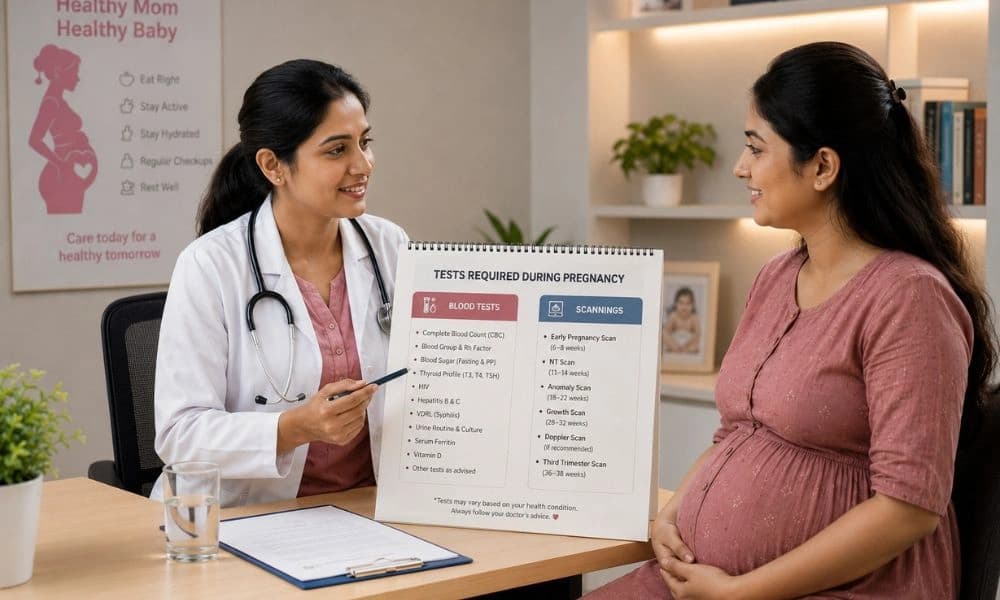
Pregnancy tests are not only for confirming pregnancy. Regular prenatal tests help track the mother’s health, the baby’s growth, blood levels, sugar levels, infections, and possible pregnancy risks. If you are looking for pregnancy care near Mahadevapura, timely checkups can help you plan a safer pregnancy journey.
Pregnancy brings many physical and hormonal changes. Some changes are normal, but some may need medical attention. Regular tests help doctors identify concerns early, such as anemia, gestational diabetes, thyroid imbalance, urinary infection, high blood pressure, fetal growth concerns, or blood group-related risks.
WHO recommends antenatal care to improve the health of pregnant women and babies through regular assessment, prevention, and timely treatment during pregnancy.
Sai Speciality Center in Kasturi Nagar is accessible from Mahadevapura, Tin Factory, CV Raman Nagar, Indiranagar, Halasuru, Banaswadi, and nearby East Bangalore areas. The centre provides women’s health, pregnancy, fertility, maternity, and gynecology care. Dr. Kavitha Lakshmi Easwaran is listed as a Senior Consultant Obstetrician and Gynaecologist with 26 years of experience in women’s healthcare.
The first pregnancy visit is very important. It helps confirm pregnancy location, estimate pregnancy age, check the mother’s health, and plan the next steps.
Common first-visit tests may include:
ACOG says blood type and Rh factor are usually checked during the first trimester. This is important because Rh incompatibility may need preventive treatment during pregnancy.
This test checks whether the mother’s blood group is A, B, AB, or O, and whether the Rh factor is positive or negative.
If the mother is Rh-negative and the baby is Rh-positive, the doctor may suggest preventive care to reduce complications. This is one of the basic but important tests in pregnancy.
A complete blood count helps check hemoglobin levels, red blood cells, white blood cells, and platelets.
Low hemoglobin is common in pregnancy and may cause tiredness, dizziness, weakness, breathlessness, or poor tolerance during delivery. If anemia is detected early, the doctor may suggest iron-rich food, supplements, or further evaluation.
Thyroid hormones play an important role in pregnancy. Untreated thyroid imbalance may affect the mother’s energy levels and pregnancy health.
A thyroid test may be advised early in pregnancy, especially if the mother has a history of thyroid problems, irregular periods, infertility, miscarriage, weight changes, or fatigue.
Blood sugar testing helps identify diabetes or gestational diabetes. Gestational diabetes usually develops during pregnancy and needs proper monitoring.
If blood sugar is high, the doctor may suggest diet changes, exercise, repeat testing, or medication when needed. Proper sugar control helps reduce risks for both mother and baby.
Urine testing is commonly done during pregnancy to check for infection, sugar, protein, and other changes.
Urinary tract infections are common in women and may sometimes occur without strong symptoms. If untreated, infection can cause discomfort and may affect pregnancy health. Symptoms like burning urination, lower abdominal pain, fever, or frequent urination should not be ignored.
Doctors may recommend screening for infections that can affect pregnancy, delivery, or the baby’s health. These may include tests for hepatitis B, HIV, syphilis, and other infections based on medical history and guidelines.
The purpose is not to create fear. It helps doctors plan safe pregnancy care, delivery precautions, and newborn care when needed.
Ultrasound scans help check baby growth, heartbeat, pregnancy age, placenta position, amniotic fluid, and fetal development.
ACOG recommends that all patients should be offered a second-trimester ultrasound for fetal structural defects, ideally between 18 and 22 weeks of pregnancy.
An early scan may be advised to confirm pregnancy location and heartbeat. Later scans may be planned based on baby growth, mother’s condition, or high-risk pregnancy factors.
First-trimester screening may include a blood test and ultrasound to assess the risk of certain chromosomal conditions. ACOG notes that first-trimester screening is usually done between 10 and 13 weeks of pregnancy.
This is a screening test, not a final diagnosis. If the result shows higher risk, the doctor may suggest genetic counseling, a detailed ultrasound, or diagnostic testing.
The anomaly scan is usually done in the second trimester. It checks the baby’s organs and structural development.
This scan is one of the most important pregnancy scans because it gives detailed information about fetal development. Your doctor will guide you about the right timing and preparation.
A growth scan may be advised in the later months of pregnancy to check baby weight, growth pattern, amniotic fluid, and placenta-related concerns.
Not every pregnancy needs frequent scans. The number of scans depends on the mother’s health, baby’s growth, previous pregnancy history, and doctor’s advice.
| Pregnancy Stage | Common Tests | Why It Matters |
|---|---|---|
| 6–8 weeks | Pregnancy confirmation, early scan | Confirms pregnancy age and location |
| First trimester | Blood group, CBC, thyroid, urine, infection screening | Checks mother’s baseline health |
| 10–13 weeks | First-trimester screening | Screens for selected chromosomal risks |
| 18–22 weeks | Anomaly scan | Checks baby’s structural development |
| 24–28 weeks | Blood sugar screening | Helps detect gestational diabetes |
| Third trimester | Growth scan, CBC, urine, BP monitoring | Tracks baby growth and delivery readiness |
Visit a gynecologist immediately if you notice:
These symptoms may not always mean something serious, but they should be checked quickly.
Some mothers may need closer pregnancy monitoring. This includes women with:
High-risk pregnancy does not always mean a bad outcome. It means the pregnancy needs closer follow-up and planned care.
If you live in Mahadevapura, Tin Factory, CV Raman Nagar, Indiranagar, Halasuru, or nearby East Bangalore, Sai Speciality Center in Kasturi Nagar can help with pregnancy checkups, routine scans guidance, blood test planning, gynecology care, maternity consultation, and high-risk pregnancy support.
The right pregnancy tests at the right time can help mothers stay informed, reduce risks, and prepare better for delivery.
Pregnancy tests help track both mother and baby’s health.
Important tests include blood group, CBC, thyroid, sugar test, urine test, infection screening, ultrasound scans, and fetal development screening.
If you are searching for pregnancy care near Mahadevapura, regular gynecologist visits can help you plan a safer pregnancy journey.
You should book your first pregnancy consultation as soon as your test is positive. Early evaluation helps confirm pregnancy location, estimate due date, and plan basic tests.
Common early pregnancy blood tests include blood group, Rh factor, complete blood count, thyroid profile, blood sugar, and infection screening.
The number of scans depends on your pregnancy condition. Common scans include early pregnancy scan, first-trimester screening scan, anomaly scan, and growth scan when needed.
Your doctor may advise thyroid testing because thyroid imbalance can affect pregnancy health. It is especially important if you have a thyroid history, infertility, miscarriage history, or symptoms.
Sai Speciality Center in Kasturi Nagar is accessible from Mahadevapura and nearby East Bangalore areas for pregnancy care, gynecology consultation, maternity guidance, and women’s health support.
Dr. Kavitha Lakshmi Easwaran is a senior gynaecologist with over 28 years of experience, known for her patient-centric approach, clinical expertise, and commitment to supporting women’s health at every stage of life.
Regular antenatal care helps monitor the health of both mother and baby, identify potential concerns early, and prepare for a safer delivery with month-by-month guidance.
Read MoreUnderstand the complete pregnancy ultrasound scan timeline, including dating scans, NT scans, anomaly scans, and growth Doppler scans for expecting mothers.
Read MoreLearn what routine screenings, pelvic exams, Pap smears, ultrasound, and hormone tests are recommended during a comprehensive women's wellness checkup.
Read More