
Home > Specialities > Gynaecology Care > Irregular Periods Treatment

Sai Speciality Center provides personalised evaluation and treatment for women experiencing delayed, missed, frequent, or unpredictable periods. Irregular periods may occur because of pregnancy, PCOS, thyroid problems, stress, weight changes, medicines, contraception or menopause. Treatment begins by identifying the cause rather than only trying to bring on a period.
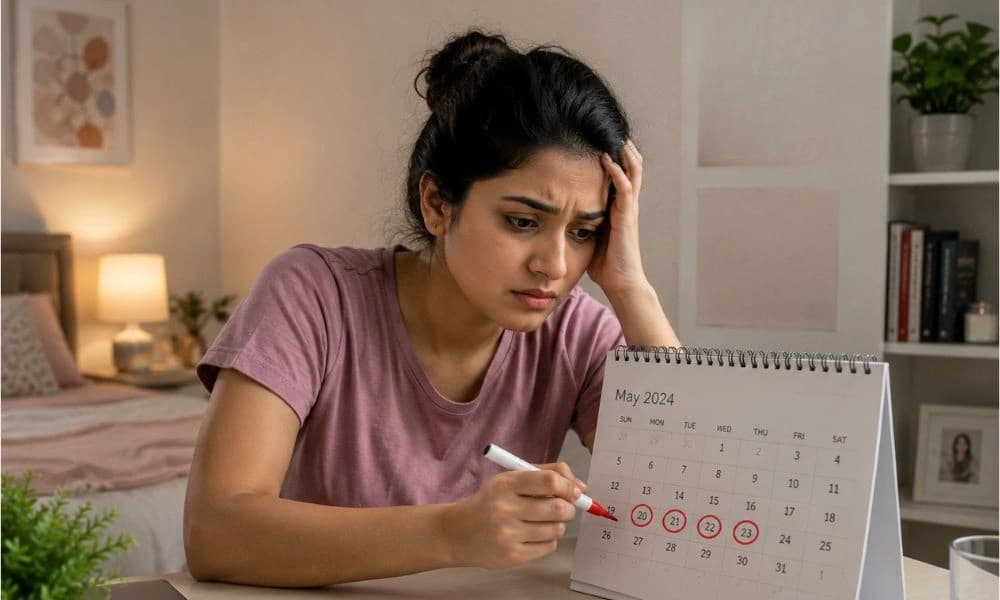
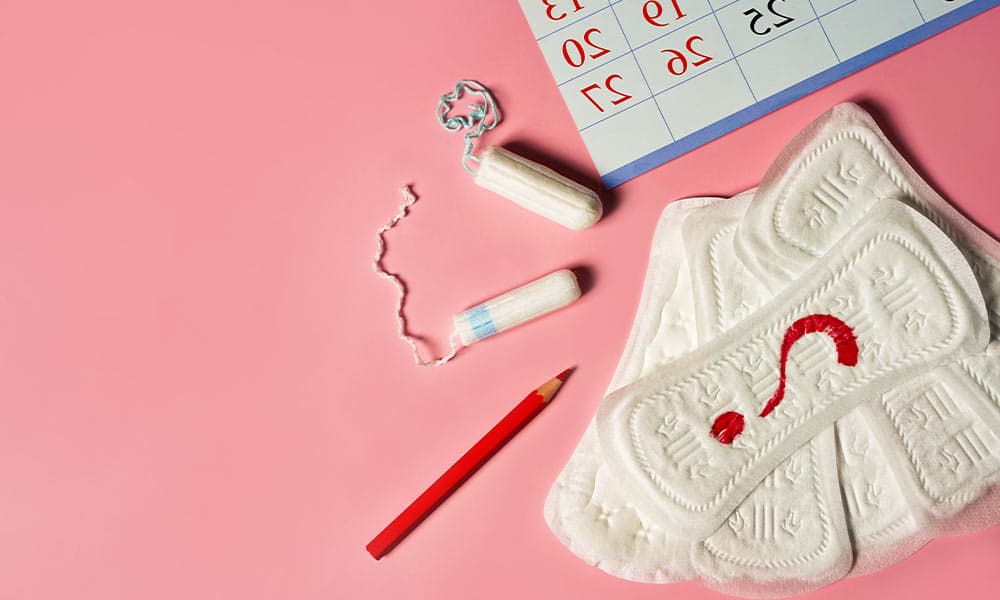
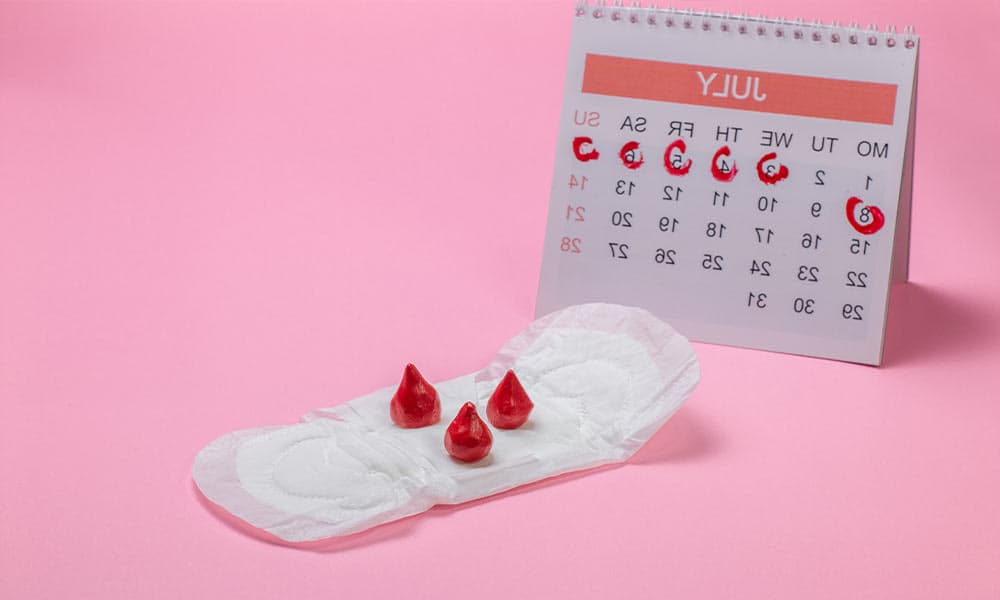
A menstrual cycle is counted from the first day of one period to the first day of the next period. An adult cycle may be considered irregular when it is repeatedly shorter than 21 days, longer than 35 days, or changes considerably from one month to another. Not having a period for three months or more also requires medical assessment when pregnancy, breastfeeding, and menopause are not the reason.
An occasional late period may happen and may not always indicate a serious condition. However, repeated cycle changes can be a sign that ovulation or hormone levels are being affected.
Treatment for irregular periods depends on the cause, the patient’s age, other symptoms, and whether she is planning a pregnancy.
Irregular periods can appear in different ways. Some women have long gaps between periods, while others experience bleeding more frequently than expected.
Common menstrual changes include:
Irregular cycles may be related to pregnancy, puberty, perimenopause, hormonal contraception, stress, major weight changes or excessive exercise. Medical conditions such as PCOS, thyroid disorders, diabetes and pelvic infections may also affect periods.
PCOS is a common cause of irregular or absent periods. It can affect ovulation and may also cause acne, weight changes, excess facial hair, scalp hair thinning or difficulty becoming pregnant.
The thyroid gland helps control many body functions, including the menstrual cycle. Too much or too little thyroid hormone can make periods lighter, heavier, irregular or absent.
Long-term stress, sudden weight loss, weight gain, eating disorders, or excessive exercise can affect the hormones that control ovulation and periods.
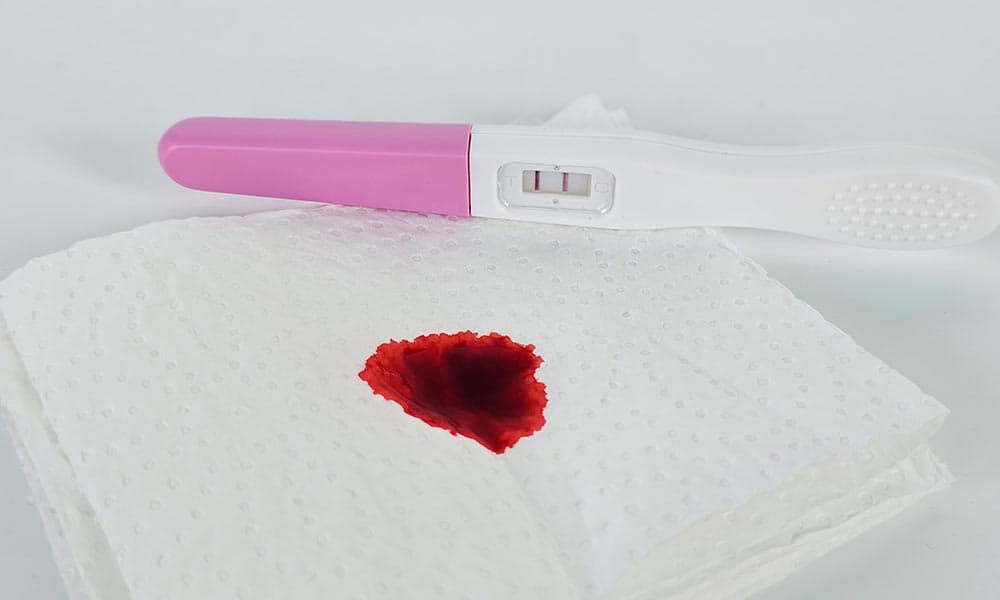
A missed period can be an early sign of pregnancy. Periods may also remain irregular or absent while breastfeeding because hormone levels are still changing.
During the years before menopause, ovulation may not happen every month. Periods may become shorter, longer, lighter, heavier or less predictable.
Fibroids, endometriosis, pelvic infections and other conditions affecting the reproductive system can change the timing, amount or duration of menstrual bleeding.
| Possible cause | Other signs that may occur | Diagnosis may include | Treatment may include |
|---|---|---|---|
| PCOS or PCOD | Acne, excess hair, weight changes and fertility difficulty | Hormone tests, blood sugar tests and ultrasound when needed | Lifestyle support, cycle-regulating medicines and fertility care |
| Thyroid disorder | Tiredness, weight changes, dry skin or increased sweating | Thyroid blood tests | Treatment to control the thyroid condition |
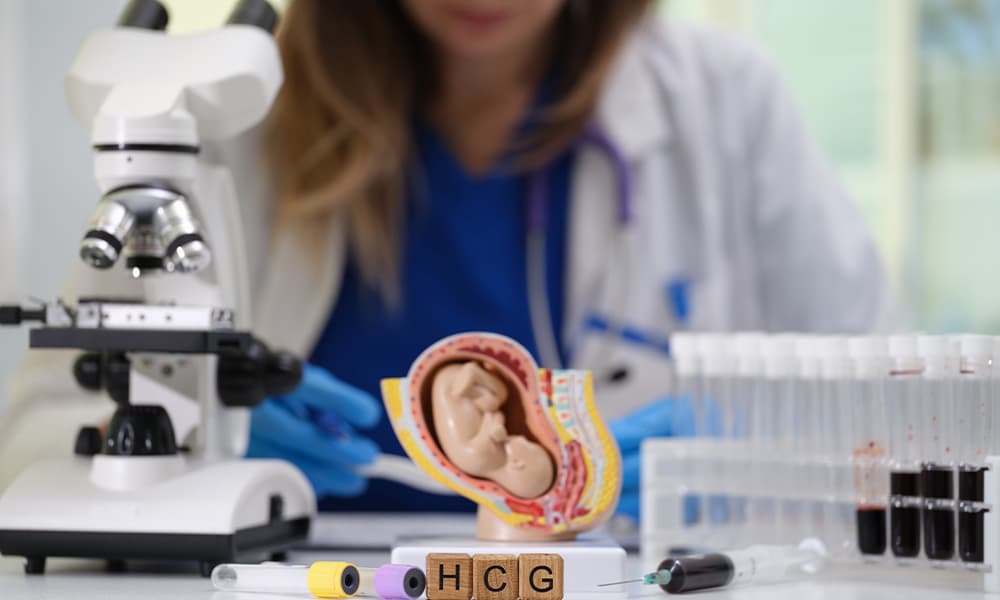
| Pregnancy | Missed period, nausea or breast tenderness | Urine or blood pregnancy test | Pregnancy care based on the result |
| Stress or weight changes | Sleep problems, anxiety, sudden weight loss or gain | Medical history and selected tests | Lifestyle support and treatment of the underlying concern |
| Perimenopause | Hot flashes, sleep changes and vaginal dryness | Symptom review and selected tests | Lifestyle support, medicines or hormone treatment for suitable women |
| Fibroids or other uterine conditions | Heavy bleeding, pelvic pressure or pain | Examination, ultrasound and blood tests | Medicines, monitoring, procedures or surgery |
Not every patient requires all these tests or treatments. The doctor will select the appropriate steps based on the patient’s symptoms and medical history.
Consult a gynaecologist when your periods remain unpredictable for several months, or there is a clear change from your usual pattern. You should also seek medical advice when periods last longer than seven days, occur with unexplained weight changes or facial hair growth, or when you are finding it difficult to become pregnant.
Bleeding between periods or after sexual activity should be checked. It is often not caused by a serious condition, but medical evaluation is important to identify the reason.
Book a consultation if you have:
Seek urgent medical attention if bleeding soaks through a pad or tampon every hour, especially when it is accompanied by dizziness, fainting, chest discomfort, or breathing difficulty. Sudden severe pelvic pain, heavy bleeding during pregnancy, or pelvic pain with fever and vomiting also require urgent assessment.
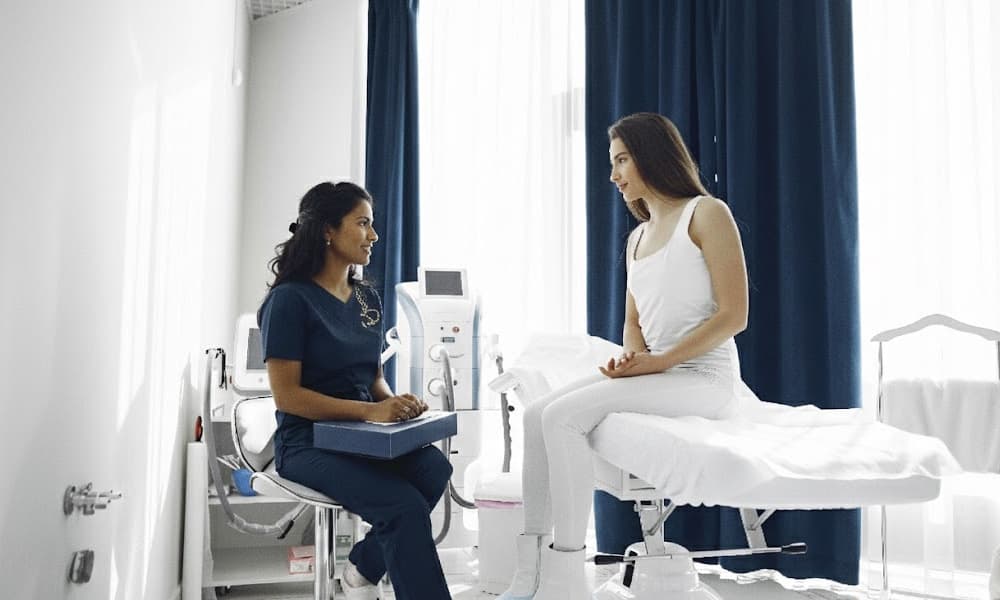
The diagnosis begins with a detailed discussion about the menstrual pattern. The doctor may ask when the irregularity started, how frequently periods occur, how long bleeding lasts, and whether the patient has pain, acne, excess hair growth, weight changes, or fertility concerns.
The doctor may also ask about pregnancy possibility, contraception, medicines, stress, physical activity, eating patterns, previous pregnancies and family medical history.
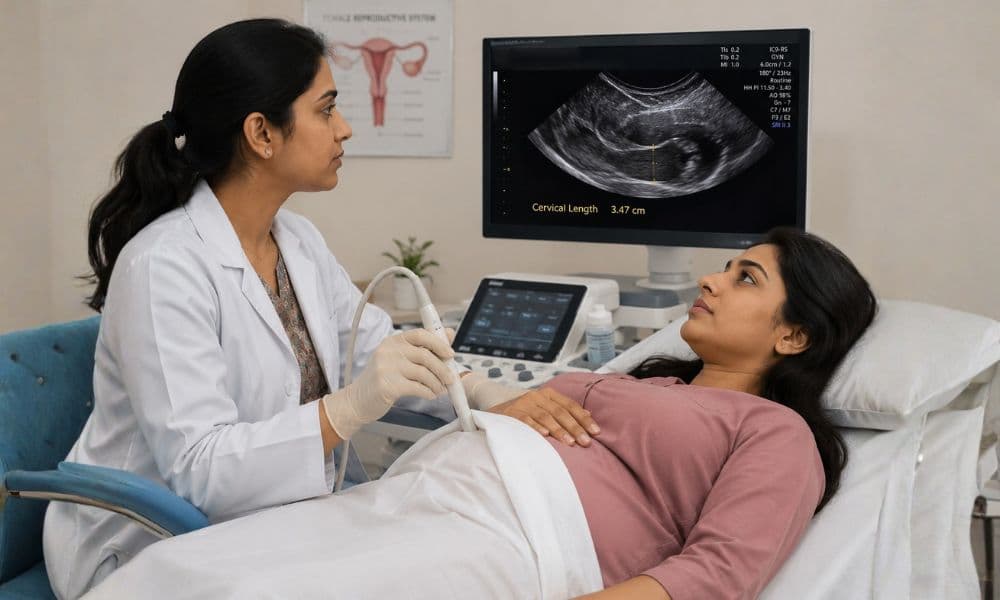
A general, abdominal or pelvic examination may be recommended depending on the symptoms. The doctor should explain why an examination is required and obtain the patient’s consent before proceeding.
Depending on the symptoms, tests may include:
There is no single test used for every patient. After reviewing the symptoms and reports, the doctor will explain whether the cycle changes are connected to PCOS, thyroid disease, pregnancy, perimenopause, stress or another condition.
Treatment is not always required for an occasional late or early period. When treatment is needed, it should focus on the underlying cause.
Healthy food habits, regular physical activity, adequate sleep and stress management may help when irregular periods are related to lifestyle, stress or PCOS.
Women should avoid extreme diets or excessive exercise. Sudden weight changes can affect ovulation and menstrual regularity.
Hormonal medicines may be recommended to make periods more predictable or protect the lining of the uterus. The type of medicine depends on the patient’s symptoms, age, medical history and pregnancy plans.
These medicines should not be started without a doctor’s evaluation because they may not be suitable for every patient.
When PCOS is the cause, treatment may include lifestyle support, medicines to regulate cycles, management of acne or unwanted hair and checks for blood sugar or metabolic concerns.
Women planning pregnancy may need ovulation monitoring or medicines that support egg release.
If thyroid disease, diabetes, or another medical condition is affecting the cycle, treating that condition may help periods become more regular.
Women with irregular periods may not ovulate every month, which can make it difficult to predict the fertile window. Evaluation may include hormone tests, ultrasound monitoring and assessment of the woman and her partner.
Treatment may include ovulation tracking, medicines to support ovulation, timed-intercourse guidance or IUI when medically suitable.
When irregular cycles also involve heavy bleeding, treatment may include medicines that reduce bleeding, hormonal options or procedures depending on the cause and severity.
Irregular-period consultations at Sai Speciality Center are provided under the guidance of Dr. Kavitha Lakshmi Easwaran, Senior Consultant Obstetrician and Gynaecologist.
Her listed areas of care include comprehensive gynaecology, menstrual concerns, high-risk pregnancy, gynaecological procedures, and infertility management up to IUI. The official website currently lists her as having 26 years of experience, although some blog pages mention 28 years. The clinic should verify and standardise this information before publication.
During the consultation, the doctor can assess whether irregular periods are related to PCOS, thyroid concerns, fertility problems, uterine conditions or natural life-stage changes.
Support for irregular-period evaluation may include gynaecology consultation, menstrual-history assessment, ultrasound coordination, blood-test coordination, fertility evaluation and follow-up care.
The website currently states that ultrasound, diagnostic laboratory support, consultation rooms and online consultation are available. The clinic should confirm which facilities are on-site and which are provided through associated centres before publishing these claims.
Sai Speciality Center is located in Kasturi Nagar, Bangalore, and provides consultations for women travelling from:
Women from these areas can consult for delayed periods, missed periods, frequent bleeding, PCOS symptoms, and fertility concerns.
Sai Speciality Center is located in Kasturi Nagar and provides irregular-period evaluation and treatment for women travelling from KR Puram, Tin Factory, Banaswadi, Horamavu and Ramamurthy Nagar.
The clinic’s registered address is 201-1, 1st A Cross, 2nd Main Road, East of NGEF Layout, Kasturi Nagar, Bengaluru 560043.
Periods may be irregular when cycles are repeatedly shorter than 21 days, longer than 35 days, vary each month considerably, or stop for three months.
Not always. A period may be delayed by stress, illness, pregnancy, travel or lifestyle changes. Repeated changes should be evaluated.
Yes. PCOS can affect ovulation and cause delayed, missed, or unpredictable periods.
Yes, when pregnancy is possible. A missed period is a common early sign of pregnancy.
Irregular cycles may mean that ovulation is not occurring regularly. This can make conception more difficult, but treatment can help in many cases.
Yes. Long-term or severe stress can affect the hormones involved in ovulation and menstruation.
No. An ultrasound is advised only when the doctor needs to examine the uterus, ovaries or uterine lining.
Treatment depends on the cause. Some causes can be corrected, while conditions such as PCOS may require long-term management.
Repeatedly delayed, missed, or unpredictable periods should not be ignored. Early evaluation can identify the cause and help protect menstrual, hormonal, and reproductive health.

Book your irregular periods treatment appointment with Dr. Kavitha Lakshmi Easwaran at Sai Speciality Center, Kasturi Nagar, Bangalore.

Book your irregular periods treatment appointment with Dr. Kavitha Lakshmi Easwaran at Sai Speciality Center, Kasturi Nagar, Bangalore.
✦ Our Resources

Best Women's Wellness Checkup Near Hennur: What Tests Should Women Consider?
Read More
Pregnancy Vaccination Schedule Near Marathahalli: Which Vaccines Are Needed and When?
Read More
High-Risk Pregnancy Care: What Modern Maternity Clinics in Bengaluru Offer
Read More
How to Increase Your Chances of a Normal Delivery Naturally – Bangalore Women’s Guide
Read More
Everything You Need to Know About Pregnancy Care at Sai Speciality Center
Read More
Period Acne: Why You Get It and How to Prevent Acne Before Your Period Naturally
Read More
Boil Under Breast: Causes, Symptoms, Treatment, and What They Look Like
Read More
Period Blood Clots: What They Look Like, Why They Happen, and When to Worry
Read More
Nausea Third Trimester: Is It Common for Morning Sickness to Come Back?
Read More
Phantom Kicks After Pregnancy: They are Normal, Here's Why They Feel So Real
Read More
Feel free to reach out to us