
August 11th, 2026
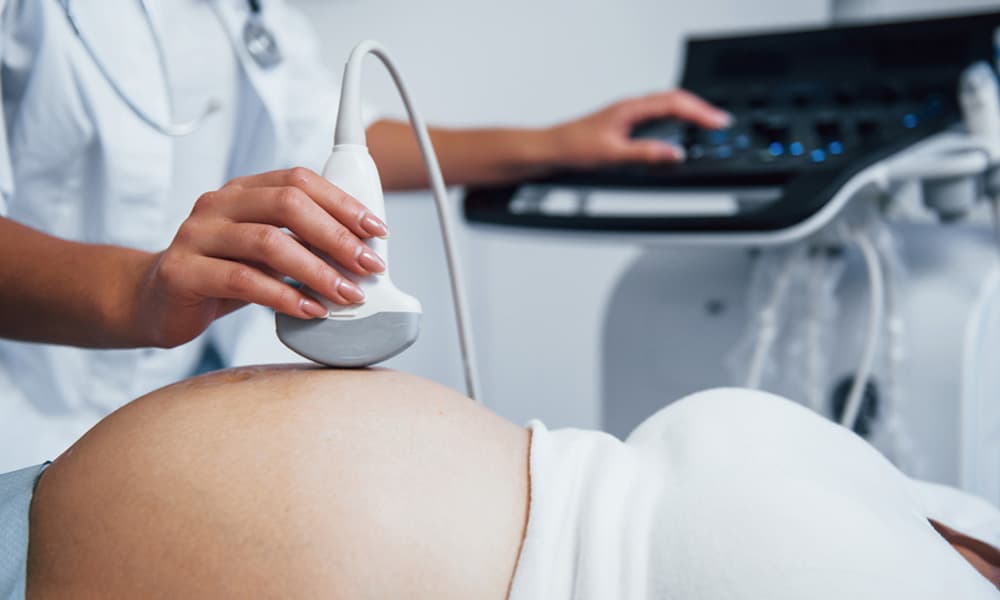
Pregnancy ultrasound scans help doctors monitor your baby’s development and check how the pregnancy is progressing. But many expecting parents have the same questions: When is the first pregnancy scan needed? How many scans are required? What does each scan check?
If you are looking for a pregnancy ultrasound scan near Mahadevapura, this guide explains the common scans recommended during different stages of pregnancy and why they may be important.
At Sai Speciality Center, pregnancy care is planned according to the health of the mother, the baby’s development and individual pregnancy needs.
Pregnancy ultrasound scans are performed at different stages to assess the pregnancy, monitor fetal development and identify certain concerns.
The exact number and timing of scans can vary. Your obstetrician may recommend additional ultrasound scans depending on your medical history, symptoms, previous pregnancy history or findings during routine antenatal check-ups.
| Pregnancy Stage | Common Scan | What It May Help Assess |
|---|---|---|
| 6–9 weeks | Early/Viability Scan | Pregnancy location, viability and gestational age |
| 11–14 weeks | First-Trimester/NT Scan | Early fetal development and screening |
| 18–22 weeks | Anomaly Scan | Baby’s anatomy and development |
| Third trimester | Growth Scan | Fetal growth, position and other pregnancy factors |
| When medically required | Additional Scan/Doppler | Specific maternal or fetal concerns |
An early pregnancy scan may be recommended during the first few weeks of pregnancy.
It can help your doctor assess the location of the pregnancy, estimate gestational age and evaluate early pregnancy development.
An early scan may be particularly important when there is uncertainty about pregnancy dates or symptoms such as bleeding or pain.
However, the timing matters. A scan performed very early may not show everything expected simply because the pregnancy has not progressed far enough.
Your obstetrician can advise when the scan should be performed.
The NT (nuchal translucency) scan is generally performed during the late first trimester.
It assesses specific features of the developing baby and may form part of first-trimester screening for certain chromosomal conditions.
Your doctor may recommend combining ultrasound findings with other screening tests depending on your age, medical history and pregnancy.
It is important to remember that screening tests assess probability or risk. They do not necessarily provide a diagnosis.
The anomaly scan, sometimes called a level-II or mid-pregnancy scan, is an important ultrasound examination generally performed around the middle of pregnancy.
During this scan, different parts of the baby’s developing anatomy are examined.
The scan may assess areas including:
Your doctor will explain the findings and whether any further assessment is necessary.
A growth scan may be recommended later in pregnancy to evaluate how the baby is growing.
Depending on the pregnancy, the scan can help assess fetal growth, the baby’s position, and other factors relevant to ongoing pregnancy care.
Not every pregnant woman requires the same number of third-trimester scans.
Additional monitoring may be advised when there are concerns about fetal growth or when the pregnancy requires closer observation.
A Doppler ultrasound may be recommended in selected pregnancies to evaluate blood flow within certain maternal and fetal blood vessels.
It is not necessarily required as a routine test for every pregnancy.
Your obstetrician may recommend Doppler assessment when additional monitoring is needed because of specific maternal or fetal factors.
Some high-risk pregnancies may require additional ultrasound scans and closer monitoring.
For example, the scan schedule may be different when the mother has certain medical conditions, there are concerns about fetal growth, or previous pregnancy history indicates that additional monitoring would be beneficial.
Women who require closer monitoring can discuss high-risk pregnancy care at Sai Speciality Center with their obstetrician.
The number of scans should be based on medical requirements rather than following the same schedule for every pregnancy.
If you are searching for a pregnancy ultrasound scan near Mahadevapura, it is useful to choose pregnancy care where ultrasound findings can be interpreted alongside your overall antenatal health.
An ultrasound is one part of pregnancy monitoring. Your obstetrician may also consider blood pressure, blood tests, symptoms, medical history and fetal development before recommending the next steps.
Sai Speciality Center provides antenatal and obstetric care for women from Mahadevapura and surrounding areas, with pregnancy monitoring planned according to individual requirements.
You can also explore antenatal care at Sai Speciality Center for information about routine pregnancy consultations and monitoring.
There is no single number of ultrasound scans that is appropriate for every pregnancy. The number depends on the pregnancy stage, maternal health, fetal development and whether additional monitoring is required.
An early ultrasound may be performed during the first trimester. The exact timing depends on the reason for the scan and your doctor’s recommendation.
The detailed fetal anomaly scan is commonly performed around 18–22 weeks of pregnancy, although your healthcare provider will advise the appropriate timing.
Not necessarily. Routine ultrasound every month is not automatically required for every pregnancy. Your obstetrician will recommend scans according to your individual pregnancy needs.
Additional scans may be recommended to monitor fetal growth, evaluate a previous finding, assess specific pregnancy concerns or provide closer monitoring in a high-risk pregnancy.
Ultrasound scans provide valuable information, but they work best as part of complete antenatal care.
If you are looking for pregnancy care near Mahadevapura, Sai Speciality Center provides obstetric consultations and pregnancy monitoring based on the individual needs of the mother and baby.
Book an appointment with Sai Speciality Center to discuss your pregnancy stage, recommended scans, and antenatal care plan.
Medical note: This content is for general educational purposes only. The timing and type of pregnancy ultrasound scans should be determined by a qualified healthcare professional based on individual medical needs.

Dr. Kavitha Lakshmi Easwaran is a senior gynaecologist with over 28 years of experience, known for her patient-centric approach, clinical expertise, and commitment to supporting women’s health at every stage of life.
Regular antenatal care helps monitor the health of both mother and baby, identify potential concerns early, and prepare for a safer delivery with month-by-month guidance.
Read MoreUnderstand the complete pregnancy ultrasound scan timeline, including dating scans, NT scans, anomaly scans, and growth Doppler scans for expecting mothers.
Read MoreLearn what routine screenings, pelvic exams, Pap smears, ultrasound, and hormone tests are recommended during a comprehensive women's wellness checkup.
Read More