
Home > Specialities > Gynaecology Care > PCOS and PCOD Treatment
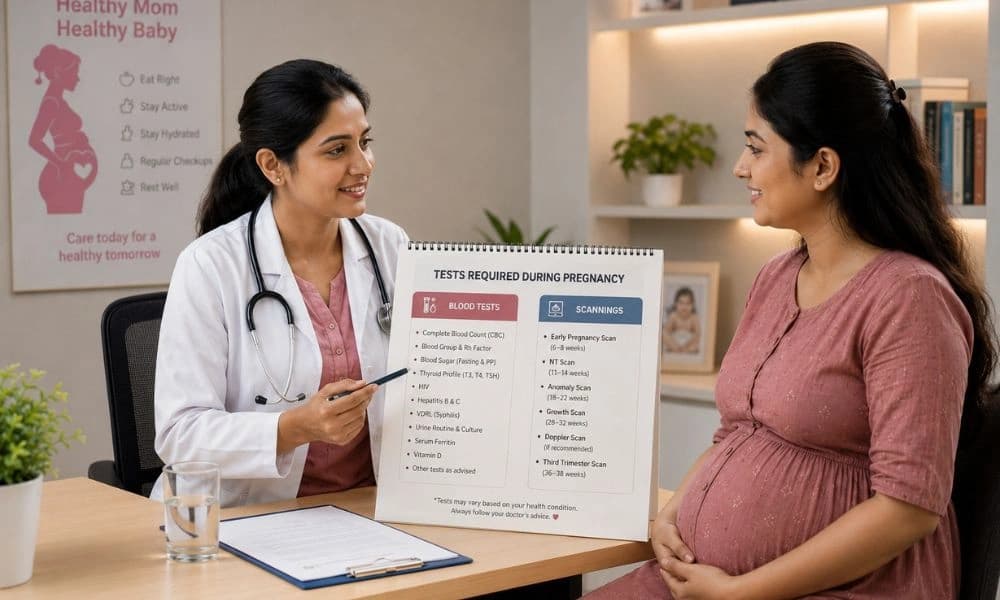
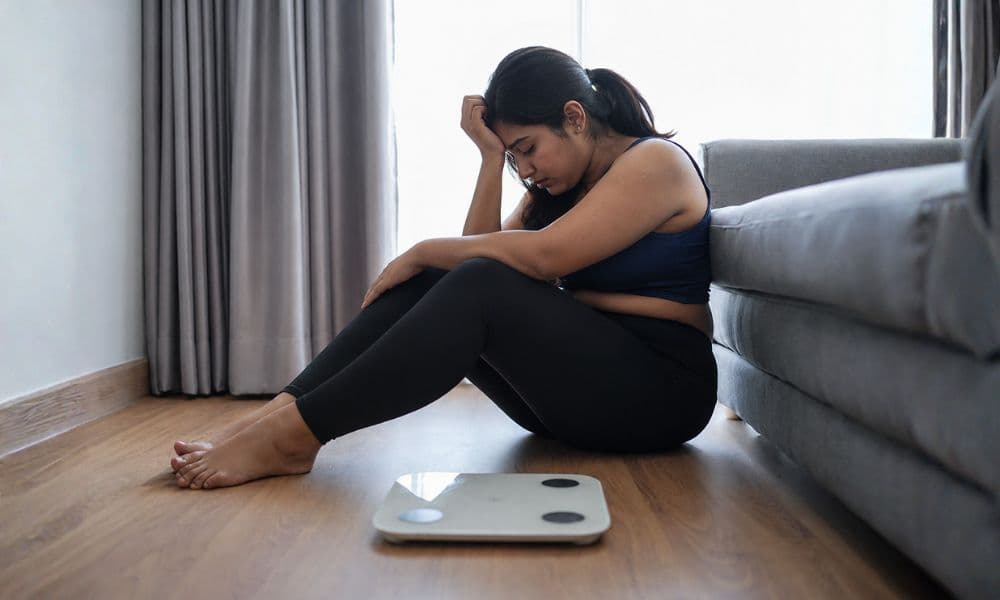
Sai Speciality Center provides personalised PCOS and PCOD treatment for women with irregular periods, acne, weight changes, excess hair growth, difficulty conceiving, and other hormonal concerns. Treatment focuses on managing the patient’s main symptoms, improving menstrual health and supporting fertility and long-term health through medical care and practical lifestyle guidance.
PCOS stands for Polycystic Ovary Syndrome. PCOD is another commonly used term for similar problems involving hormones, ovulation and menstrual cycles. Major medical guidelines generally use the term PCOS.
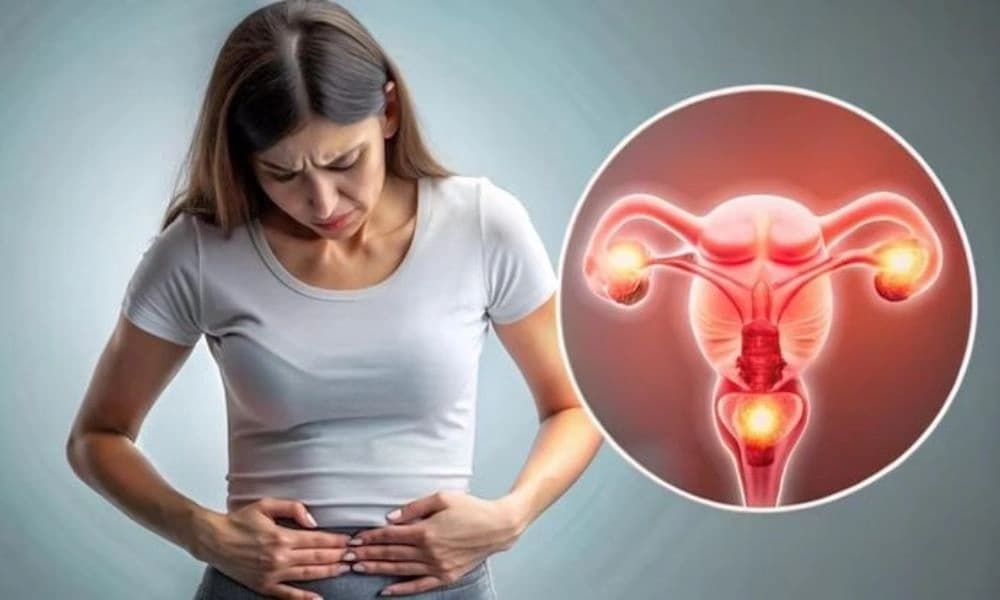
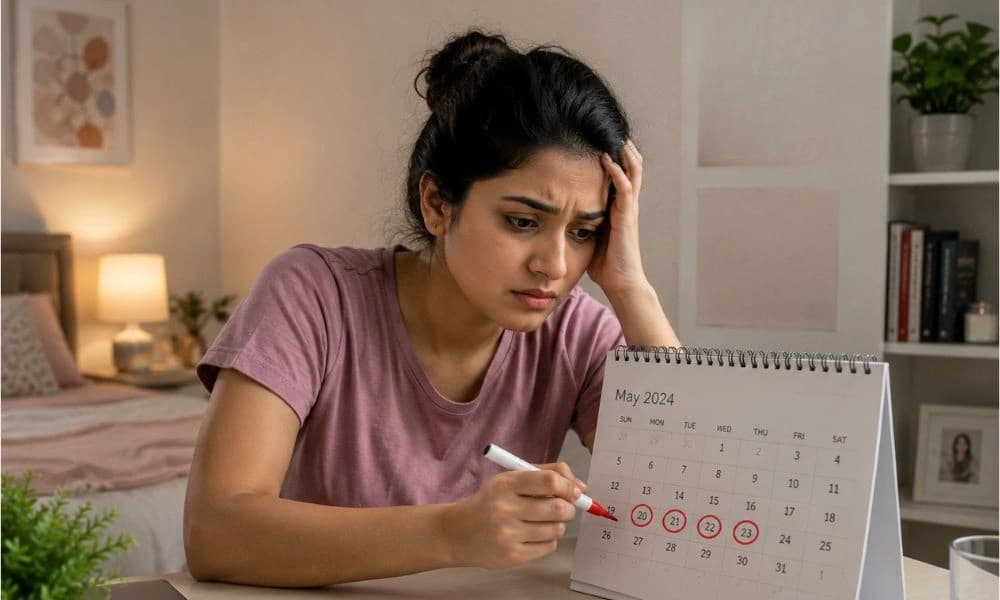
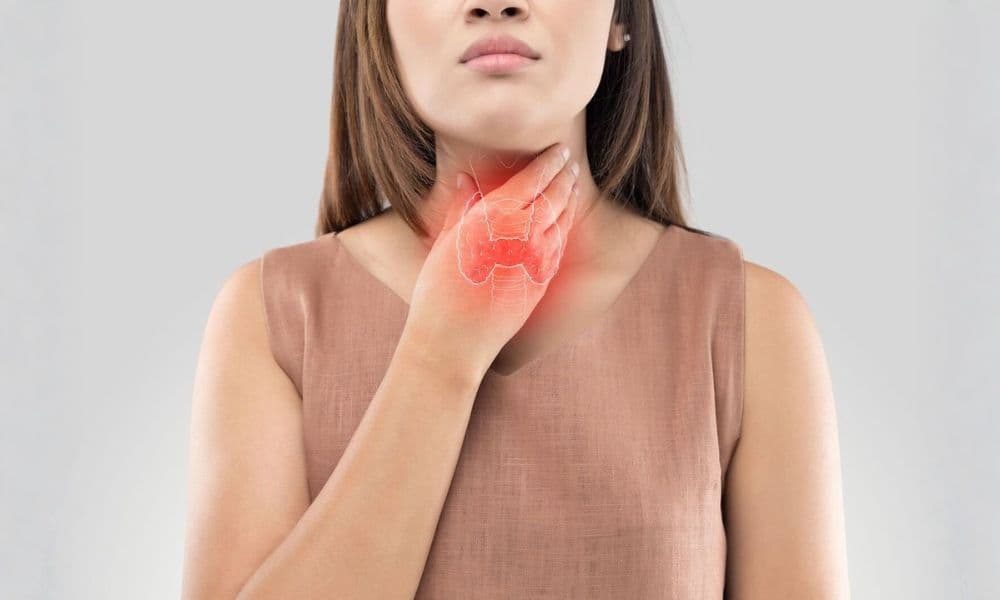
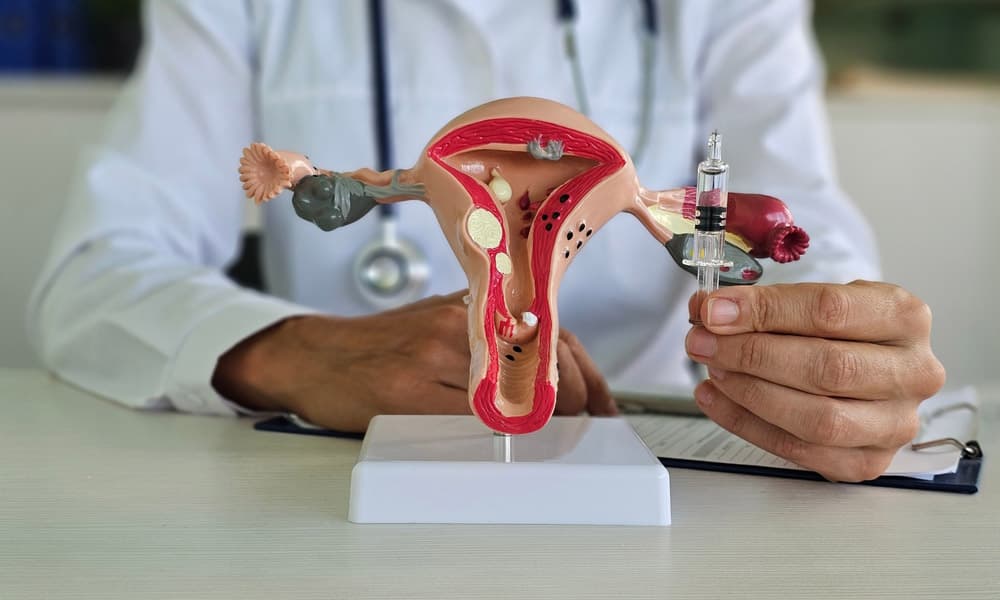
PCOS can affect how the ovaries work. Some women may not release an egg regularly, which can lead to delayed or missed periods and difficulty becoming pregnant. Higher androgen hormone levels may also cause acne, excess facial hair, or hair thinning.
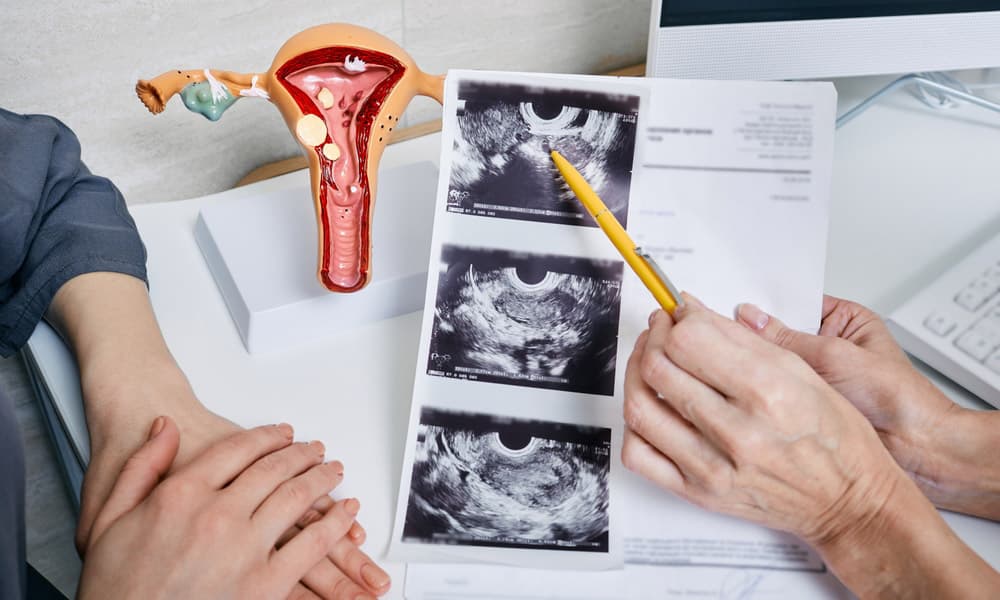
Despite the name, not every woman with PCOS has ovarian cysts. An ultrasound may sometimes show many small follicles in the ovaries, but an ultrasound finding alone does not confirm PCOS. Diagnosis also depends on symptoms, menstrual history, examination and blood tests.
PCOS cannot currently be permanently cured, but its symptoms can usually be managed. The treatment plan should be based on the woman’s symptoms, general health and whether she is planning a pregnancy.
PCOS can affect every woman differently. Some women have several symptoms, while others may only notice irregular periods or difficulty becoming pregnant.
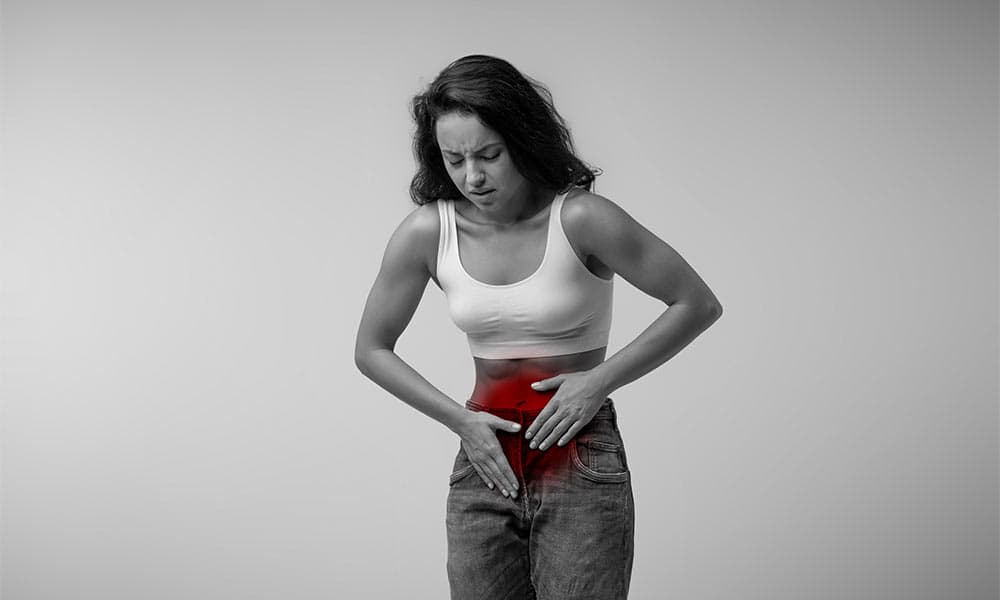
Common symptoms include:
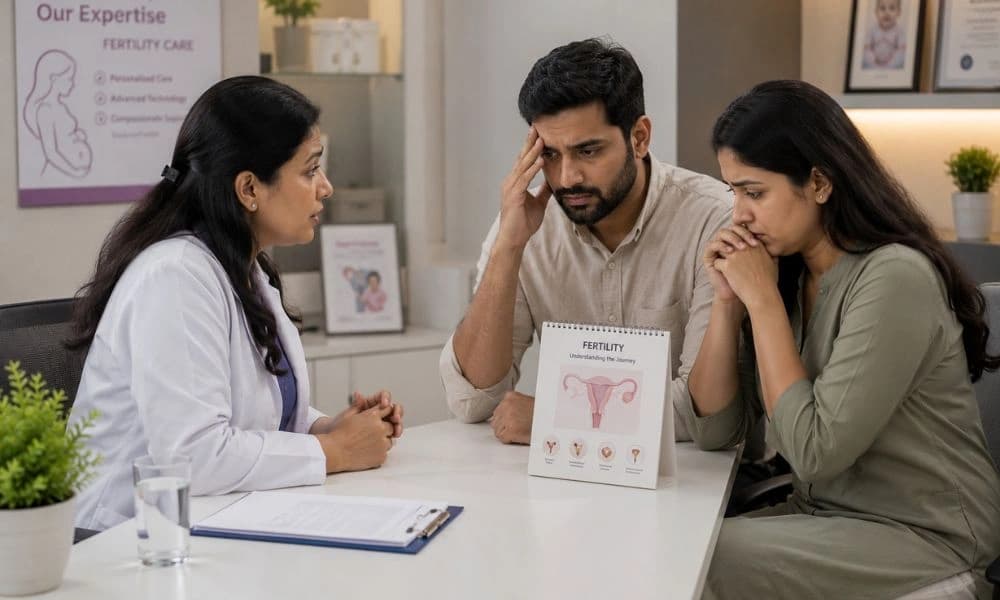
PCOS is one of the common causes of ovulation-related fertility problems. However, having PCOS does not mean that pregnancy is impossible. Many women can become pregnant naturally or with suitable fertility support.
| Main concern | Possible signs | Diagnosis may include | Treatment may include |
|---|---|---|---|
| Irregular periods | Delayed, missed or unpredictable cycles | Menstrual history, pregnancy test, hormone and thyroid tests | Lifestyle guidance and medicines to regulate periods |
| Acne and excess hair | Facial hair, body hair, oily skin or persistent acne | Examination and androgen hormone tests | Hormonal medicines, skin or hair treatments and lifestyle support |
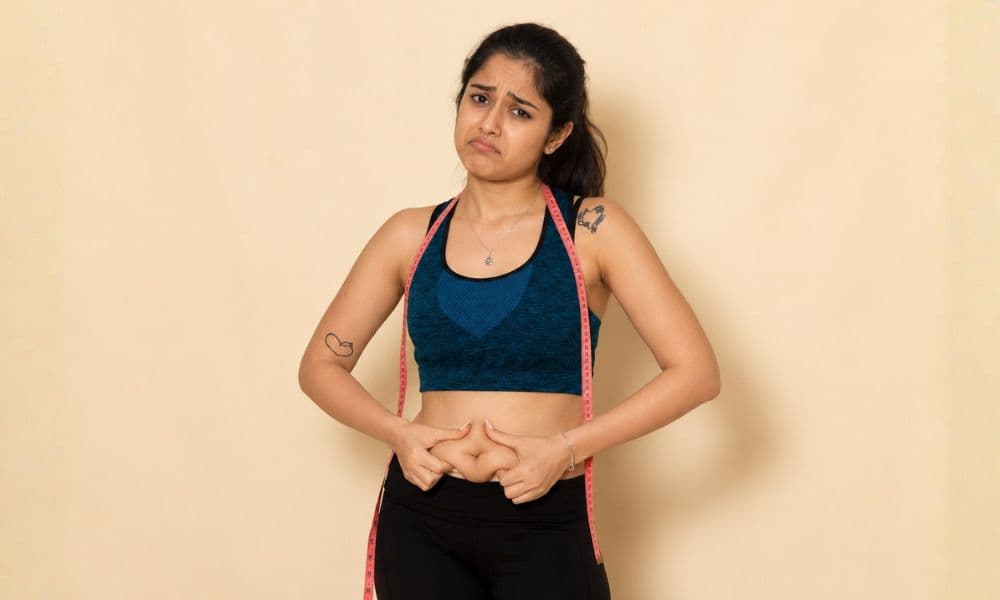
| Weight and metabolic concerns | Weight gain, dark skin patches or difficulty losing weight | Blood sugar, blood pressure and cholesterol assessment | Nutrition, activity guidance and medicines when appropriate |
| Difficulty conceiving | Irregular ovulation or no pregnancy after trying | Ovulation tests, hormone tests, ultrasound and partner evaluation | Ovulation support, cycle monitoring or fertility treatment |
| Hair thinning | Reduced scalp hair or widening hair part | Medical history, examination and selected blood tests | Treatment based on hormonal and nutritional causes |
| Polycystic ovaries | May have no direct symptoms | Pelvic ultrasound when medically required | Treatment only when symptoms or health concerns are present |
Treatment is not the same for every patient. The doctor will recommend care based on the main concern, reports, age, medical history and pregnancy plans.
Consult a gynaecologist when your periods remain irregular for several months, you frequently miss periods, or your symptoms affect your confidence, health or daily routine.
A consultation is recommended when you experience persistent acne, sudden weight changes, excess facial hair, scalp hair thinning or dark skin patches. Women should also seek medical advice when they are trying to become pregnant but have irregular cycles or difficulty identifying ovulation.
Teenagers may have irregular cycles during the first years after periods begin. However, very infrequent periods, severe acne, or rapidly increasing facial hair should be assessed because PCOS symptoms can overlap with normal puberty and other hormonal conditions.
Seek earlier medical attention if you experience:
These symptoms may require evaluation for conditions other than PCOS.
There is no single test that confirms PCOS. Diagnosis begins with a detailed discussion about the menstrual cycle, symptoms, weight changes, medicines, family history and pregnancy plans.
The doctor may check blood pressure, weight, skin changes, acne, facial hair and scalp hair loss. An abdominal or pelvic examination may be advised when relevant.
Blood tests may be recommended to measure hormone levels and exclude other conditions that can cause similar symptoms. Testing may include:
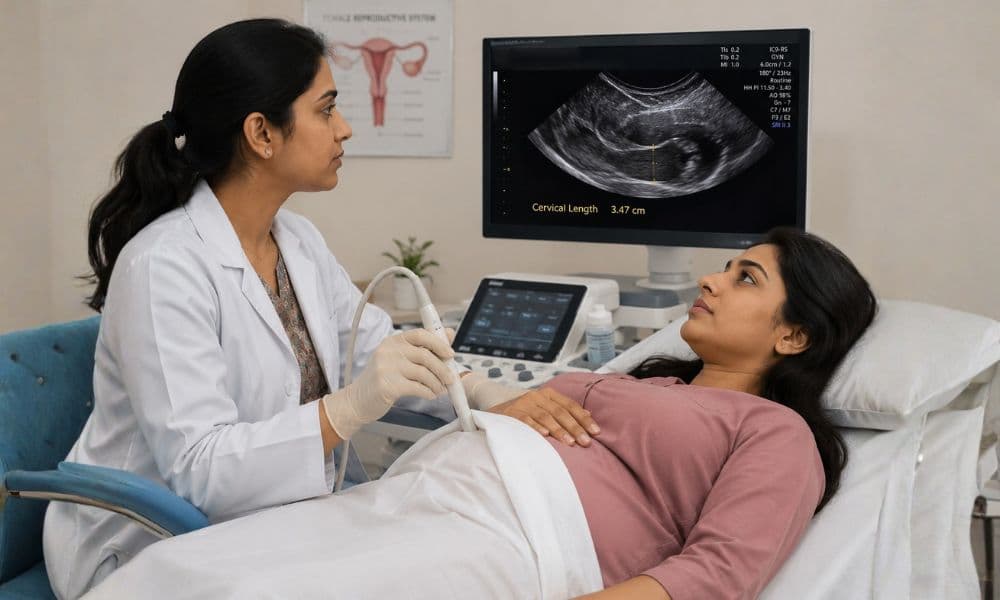
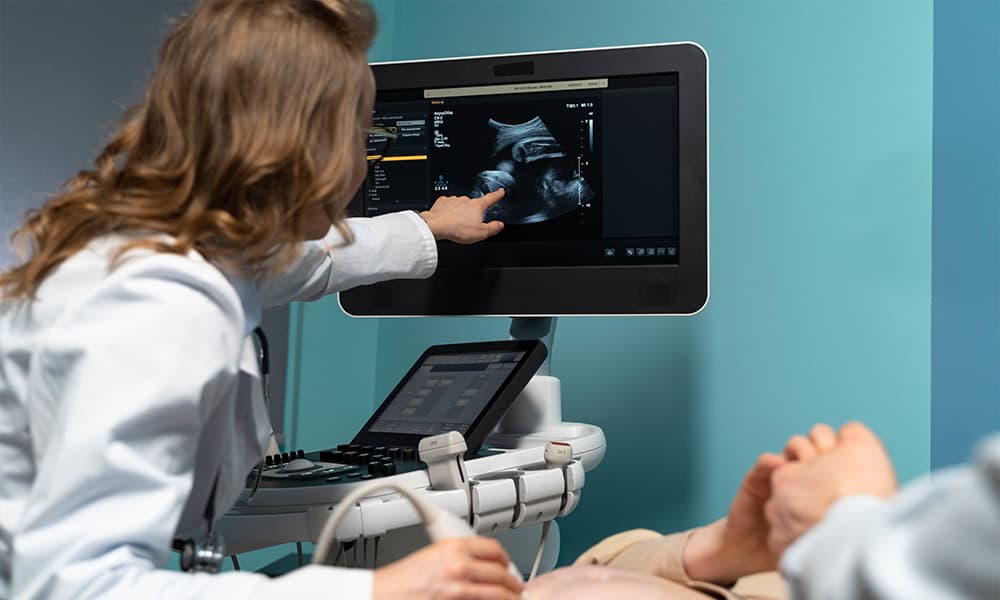
An ultrasound may be recommended to examine the ovaries and the lining of the uterus. However, not every patient needs an ultrasound, and polycystic-looking ovaries alone do not always mean that a woman has PCOS.
After reviewing the symptoms and reports, the doctor will explain whether the findings suggest PCOS or another hormonal, thyroid, ovarian or menstrual condition.
PCOS treatment focuses on the symptoms that are most important to the patient. A woman trying to regulate her periods may need a different plan from someone trying to become pregnant.
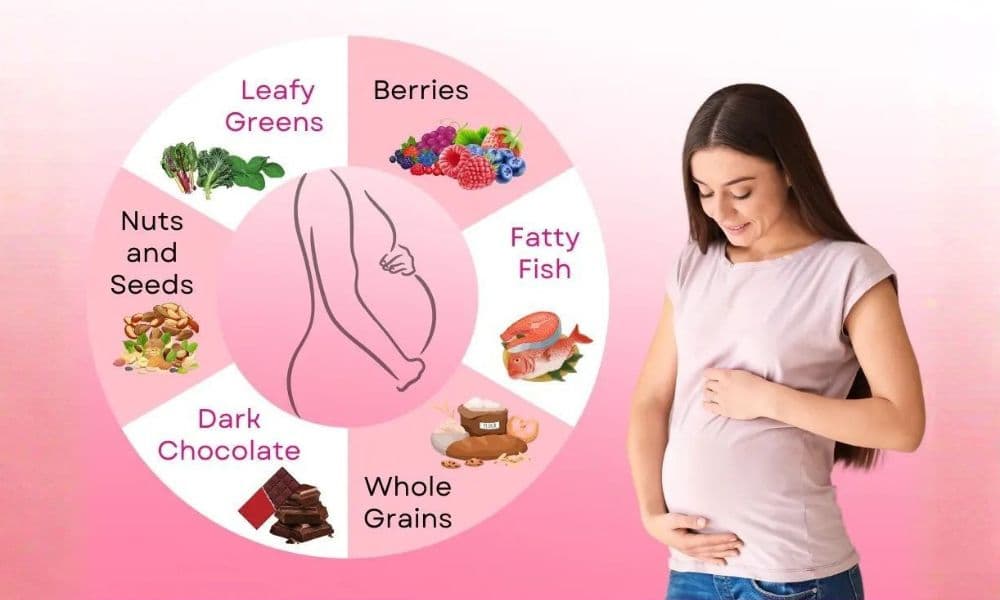
Healthy food habits, regular physical activity, adequate sleep, and stress management can support menstrual and metabolic health. Lifestyle guidance should be practical and based on the woman’s health, not focused only on body weight.
For women who are above their healthy weight, gradual weight management may improve ovulation and menstrual regularity. Women with a healthy body weight can also have PCOS and may still require medical care.
Hormonal medicines may be prescribed to regulate menstrual cycles and protect the lining of the uterus. The choice of medicine depends on the patient’s age, symptoms, health risks and pregnancy plans.
Hormonal treatment may help reduce acne and excess hair growth in suitable patients. Skin, hair-removal or dermatology treatments may also be recommended. Results usually take time, so regular follow-up is important.
Some women with PCOS have insulin resistance or a higher risk of developing diabetes. The doctor may recommend blood sugar, cholesterol and blood-pressure checks. Medicines that improve the body’s response to insulin may be considered for selected patients.
When pregnancy is the main goal, treatment may include ovulation tracking, hormone tests, ultrasound monitoring and medicines that support egg release.
Further care may include timed intercourse guidance or IUI when medically suitable. The woman’s partner may also require fertility evaluation because pregnancy depends on factors affecting both partners.
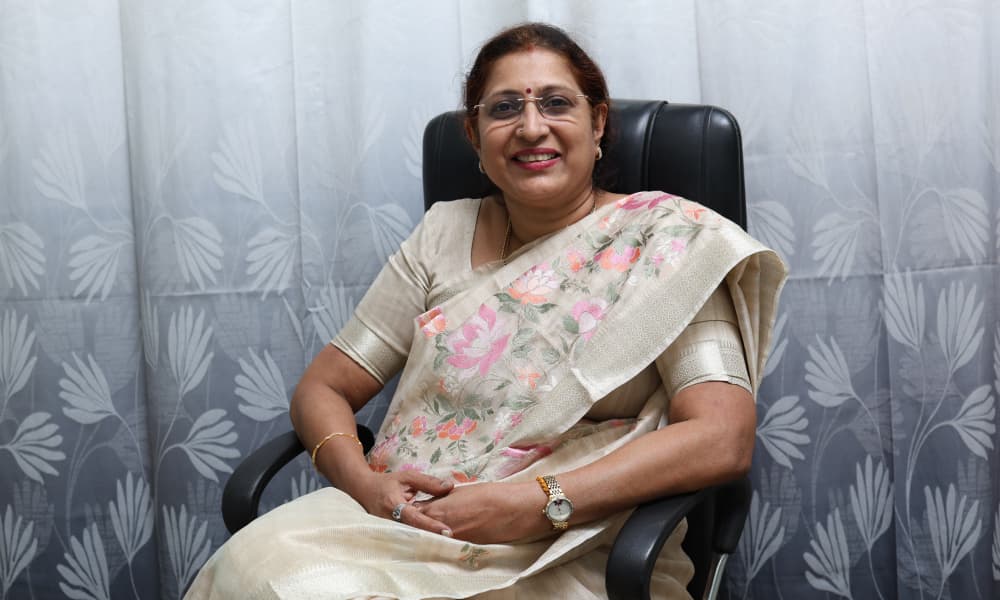
PCOS and PCOD consultations at Sai Speciality Center are provided under the guidance of Dr. Kavitha Lakshmi Easwaran, Senior Consultant Obstetrician and Gynaecologist.
Her qualifications include MBBS and MD in Obstetrics and Gynaecology. Her listed areas of care include comprehensive gynaecology, pregnancy care, high-risk obstetrics, gynaecological procedures, and infertility management up to IUI.
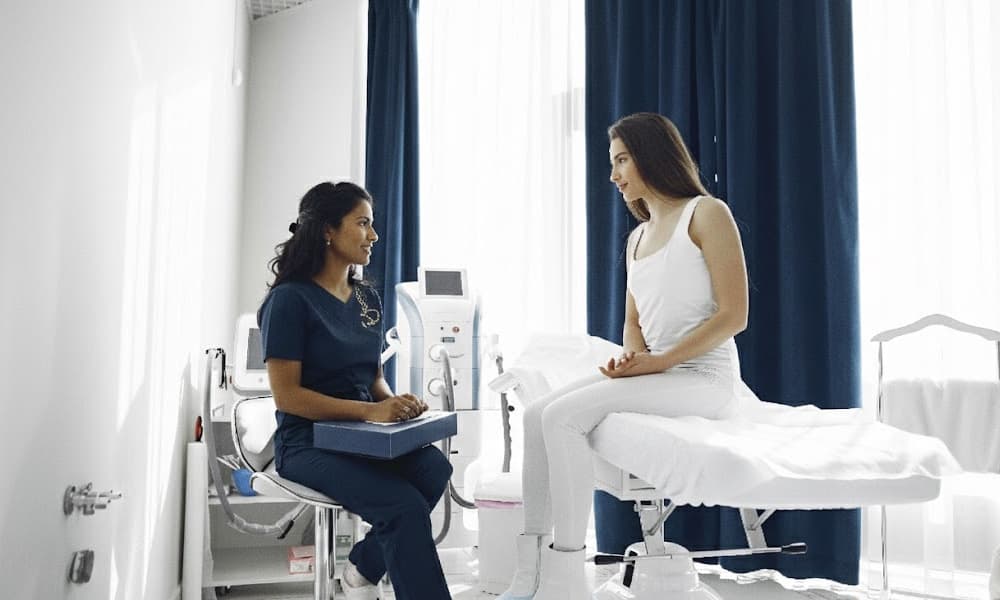
During a PCOS consultation, the doctor can evaluate menstrual, hormonal, and fertility concerns and prepare a treatment plan based on the patient’s current needs and long-term goals.
Sai Speciality Center aims to provide private and comfortable consultations for women with period, hormonal, and fertility concerns.
Available care and support may include:
The clinic should clearly inform patients which tests and procedures are performed onsite and which are arranged through associated laboratories or hospitals.
Sai Speciality Center is located in Kasturi Nagar, Bangalore. The clinic provides PCOS and PCOD consultations for women travelling from:
Women from these areas can consult for irregular periods, acne, unwanted hair growth, weight concerns, ovulation problems, and difficulty becoming pregnant.
Sai Speciality Center is located in Kasturi Nagar and provides PCOS and PCOD care for women travelling from KR Puram, Tin Factory, Banaswadi, Horamavu and Ramamurthy Nagar.
The page should link to the individual Areas We Serve pages for directions, nearby landmarks and travel information.
PCOD is a commonly used term, while PCOS is the formal term generally used in medical guidance. Both are often used when discussing hormonal, menstrual and ovulation problems.
PCOS cannot currently be permanently cured, but its symptoms can usually be controlled through lifestyle support, medicines and fertility treatment when required.
Yes. A woman may have PCOS without cysts or polycystic-looking ovaries. Diagnosis is based on a combination of symptoms, hormone findings and ovulation patterns.
No. PCOS can affect women of different body sizes. Weight gain is one possible symptom, but women with a healthy weight can also have PCOS.
PCOS may make pregnancy more difficult when ovulation is irregular. Many women with PCOS can still become pregnant naturally or with appropriate treatment.
No. Treatment depends on the symptoms and health risks. Some women may mainly need lifestyle guidance and monitoring, while others require medicines or fertility support.
PCOS usually requires long-term management. Menstrual cycles may improve within a few months, while acne, hair growth and fertility concerns may take longer to manage.
No. An ultrasound can provide useful information, but it is not compulsory for every patient. The doctor decides based on the patient’s age and symptoms.
Irregular periods, acne, excess hair growth, or fertility difficulties should not be ignored. Early evaluation can help identify the cause and create a practical plan for managing your symptoms and long-term health.

Book your pcos and pcod treatment appointment with Dr. Kavitha Lakshmi Easwaran at Sai Speciality Center, Kasturi Nagar, Bangalore.

Book your pcos and pcod treatment appointment with Dr. Kavitha Lakshmi Easwaran at Sai Speciality Center, Kasturi Nagar, Bangalore.
✦ Our Resources
Best Women's Wellness Checkup Near Hennur: What Tests Should Women Consider?
Read More
Pregnancy Vaccination Schedule Near Marathahalli: Which Vaccines Are Needed and When?
Read More
High-Risk Pregnancy Care: What Modern Maternity Clinics in Bengaluru Offer
Read More
How to Increase Your Chances of a Normal Delivery Naturally – Bangalore Women’s Guide
Read More
Everything You Need to Know About Pregnancy Care at Sai Speciality Center
Read More
Period Acne: Why You Get It and How to Prevent Acne Before Your Period Naturally
Read More
Boil Under Breast: Causes, Symptoms, Treatment, and What They Look Like
Read More
Period Blood Clots: What They Look Like, Why They Happen, and When to Worry
Read More
Nausea Third Trimester: Is It Common for Morning Sickness to Come Back?
Read More
Phantom Kicks After Pregnancy: They are Normal, Here's Why They Feel So Real
Read More
Feel free to reach out to us