Perimenopause Weight Gain: Why It Happens and How to Stop It

Perimenopause Weight Gain: Why It Happens and How to Stop It
Many women in their late 30s and 40s notice sudden weight gain even when their eating habits have not changed much. Clothes may feel tighter, belly fat may increase, and losing weight can become more difficult than before. In many cases, this is linked to perimenopause.
Perimenopause is the transition phase before menopause when hormone levels begin to fluctuate. These hormonal changes can slow metabolism, increase fat storage, and affect sleep, stress, and energy levels. Understanding why weight gain happens during perimenopause can help women take the right steps to manage it naturally and effectively. Specialists at Sai Speciality Center often advise women to identify these early hormonal changes before they begin affecting long-term health.
What Is Perimenopause?
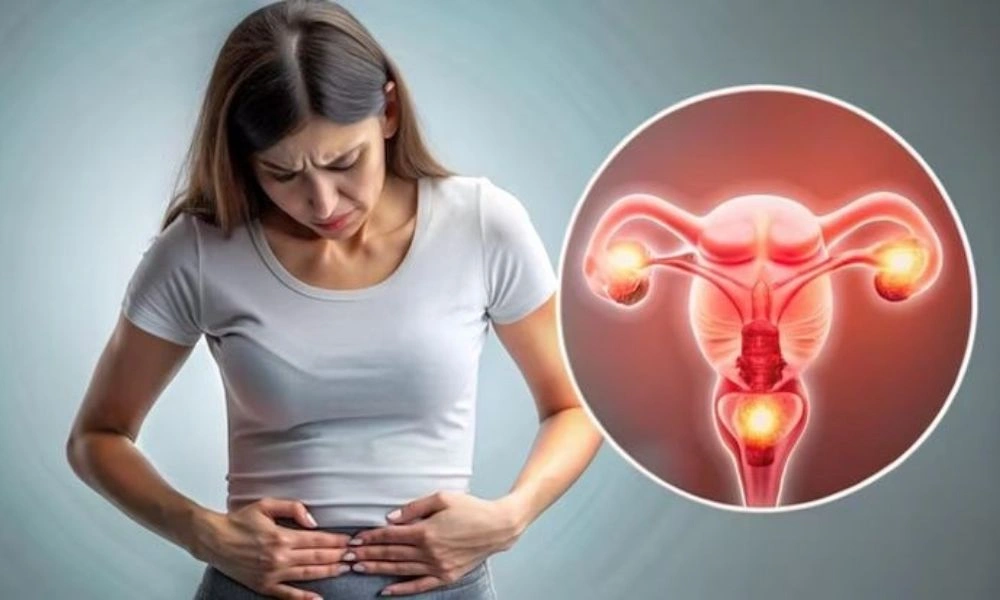
Perimenopause is the stage before menopause when the ovaries gradually produce less estrogen and progesterone. This phase may begin in the late 30s or early 40s and can continue for several years.
During this period, women may experience symptoms like irregular periods, mood swings, hot flashes, sleep disturbances, and weight gain. Hormonal imbalance affects how the body stores fat and uses energy, making weight management more challenging.
Why Does Weight Gain Happen During Perimenopause?
Weight gain during perimenopause is caused by several hormonal and lifestyle-related factors. Many women notice fat accumulation around the abdomen, hips, and thighs.
Hormonal Changes
Estrogen levels fluctuate during perimenopause, which can affect metabolism and fat distribution in the body.
Lower estrogen levels may increase fat storage around the stomach area. Hormonal imbalance can also affect hunger hormones, causing increased cravings and overeating.
Slower Metabolism
As women age, their bodies naturally burn fewer calories than in earlier years.
During perimenopause, muscle mass may decrease while fat increases. A slower metabolism means the body stores calories more easily, even without major changes in diet.
Poor Sleep Quality
Many women experience sleep problems due to night sweats, anxiety, or hormonal fluctuations.
Lack of proper sleep can increase stress hormones and hunger cravings, especially for sugary and unhealthy foods. Poor sleep also reduces energy levels, making physical activity harder.
Increased Stress Levels
Stress is one of the major contributors to weight gain during perimenopause.
High cortisol levels caused by stress can increase belly fat and emotional eating. Indian women balancing work, family, and personal responsibilities may experience higher stress during this phase.
Reduced Physical Activity
Busy schedules, fatigue, and body pain can reduce physical activity levels during the late 30s and 40s.
A sedentary lifestyle slows calorie burning and increases the risk of obesity, diabetes, and hormonal imbalance.
Common Signs of Perimenopause Weight Gain
Weight gain during perimenopause may appear differently from regular weight changes.
| Symptom | Perimenopause Weight Gain |
|---|---|
| Belly fat increases | Very common |
| Difficulty losing weight | Common |
| Increased cravings | Frequent |
| Fatigue and low energy | Common |
| Slower metabolism | Noticeable |
| Weight gain despite the same diet | Common |
Recognizing these signs early can help women make healthier lifestyle adjustments before weight gain becomes severe.
Health Risks Linked to Perimenopause Weight Gain
Excess weight during perimenopause can affect overall health if not managed properly.
Increased Risk of Diabetes
Weight gain around the abdomen can increase insulin resistance and raise the risk of type 2 diabetes.
Women with PCOS or a family history of diabetes should monitor their weight carefully during perimenopause.
Heart Health Problems
Hormonal changes combined with weight gain may increase blood pressure and cholesterol levels.
This can raise the risk of heart disease, especially in women with unhealthy lifestyle habits.
Joint Pain and Body Aches
Extra weight puts additional pressure on joints, knees, and the lower back.
Many women experience body pain, stiffness, and reduced mobility due to weight-related strain.
Emotional and Mental Stress
Weight gain can affect confidence, body image, and emotional well-being.
Some women may feel frustrated because losing weight becomes harder despite efforts to exercise and eat healthily.
How to Stop Perimenopause Weight Gain Naturally
Healthy lifestyle changes can help control weight and improve overall well-being during perimenopause.
Focus on Protein-Rich Foods
Protein helps maintain muscle mass and keeps you full for longer periods.
Include eggs, fish, lentils, paneer, nuts, and yogurt in your daily meals to support metabolism and reduce cravings.
Exercise Regularly
Regular exercise helps burn calories, improve mood, and support hormonal balance.
Walking, yoga, strength training, cycling, and stretching exercises are highly beneficial during perimenopause.
Improve Sleep Quality
Getting 7 to 8 hours of quality sleep helps regulate hunger hormones and reduce stress.
Avoid screen time before bed and maintain a consistent sleep schedule for better rest.
Reduce Sugar and Processed Foods
Processed snacks, sugary drinks, and fried foods can increase inflammation and fat storage.
Replacing unhealthy foods with fruits, vegetables, and whole grains can improve energy and support healthy weight management.
Manage Stress Effectively
Stress management is important for controlling cortisol levels and emotional eating habits.
Meditation, breathing exercises, spending time outdoors, and relaxation activities can improve emotional health.
Best Foods for Managing Perimenopause Weight Gain
Healthy eating can help women maintain weight and reduce hormonal discomfort naturally.
| Food Type | Benefits |
|---|---|
| Leafy vegetables | Rich in fiber and nutrients |
| Nuts and seeds | Support hormone health |
| Fruits | Reduce cravings and improve digestion |
| Whole grains | Maintain steady energy |
| Yogurt and curd | Support gut and bone health |
| Lean protein | Helps maintain muscle mass |
Including balanced meals daily can improve metabolism and help control unnecessary weight gain.
Foods to Avoid During Perimenopause
Certain foods may worsen bloating, cravings, and fat accumulation during perimenopause.
| Foods to Limit | Why Avoid Them |
|---|---|
| Sugary drinks | Increase calorie intake |
| Fried foods | Raise unhealthy fat levels |
| Processed snacks | Increase cravings |
| Excess caffeine | Can disturb sleep |
| Alcohol | May worsen hot flashes and weight gain |
Limiting these foods can improve energy levels and support a healthier hormone balance.
When Should You Consult a Doctor?
Women should seek medical advice if they experience rapid weight gain, severe fatigue, or difficulty managing symptoms despite lifestyle changes.
A doctor may recommend hormone evaluations, thyroid tests, nutritional guidance, or treatment plans depending on the underlying cause. Women experiencing persistent hormonal symptoms can also seek professional guidance from specialists at Sai Speciality Center for proper diagnosis and personalized women’s health support.
Final Thoughts
Perimenopause weight gain is common, but it should not be ignored. Hormonal changes, stress, poor sleep, and reduced activity levels can all contribute to increased fat storage during the late 30s and 40s.
The good news is that healthy eating, regular exercise, stress management, and proper medical support can help women control weight naturally. Small lifestyle changes made consistently can lead to long-term improvements in both physical and emotional health.
FAQs
1. Why do women gain belly fat during perimenopause?
Lower estrogen levels and slower metabolism can increase fat storage around the abdomen during perimenopause.
2. Can perimenopause make it harder to lose weight?
Yes, hormonal changes during perimenopause can slow metabolism and reduce muscle mass, making weight loss more difficult.
3. What is the best exercise for perimenopause weight gain?
Walking, strength training, yoga, and cardio exercises are highly effective for managing weight during perimenopause.
4. Does stress increase weight gain during perimenopause?
Yes, high stress levels increase cortisol production, which can lead to belly fat and emotional eating.
5. Which foods help reduce perimenopause weight gain?
Protein-rich foods, leafy vegetables, fruits, whole grains, and healthy fats may help support metabolism and hormone balance.
6. When should I see a doctor for perimenopause weight gain?
Consult a doctor if you notice sudden weight gain, severe fatigue, thyroid symptoms, or difficulty losing weight despite lifestyle changes.
Speak to a gynaecologist about your own symptoms
This article is general health information and does not replace an examination. If your symptoms are severe, keep coming back, or you are unsure what they mean, you can see Dr. Kavitha Lakshmi Easwaran, Senior Consultant Obstetrician and Gynaecologist, at Sai Speciality Center in Kasturi Nagar, Bengaluru.
Related care at the clinic: Menopause Care in Bangalore.
Book an appointment Call 80887 01001 Call 99019 25700
For heavy bleeding, severe pain, reduced baby movements or any emergency, call the clinic or go to the nearest hospital straight away.