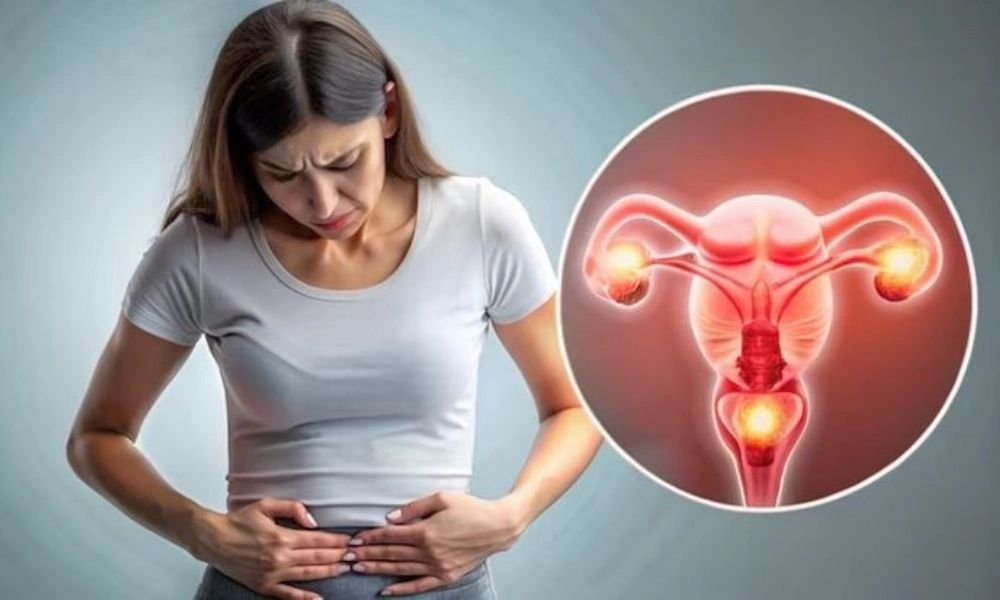
Cortisol Belly in Women: Stress, Hormones, and Weight Gain

Cortisol Belly in Women: Stress, Hormones, and Weight Gain
Many women struggle with stubborn belly fat even after following diets and exercise routines. In many cases, the problem may not only be calories or lack of activity — it may be linked to cortisol, the body’s main stress hormone.
High stress levels, poor sleep, hormonal imbalance, and unhealthy lifestyle habits can increase cortisol production. Over time, this may lead to fat accumulation around the abdomen, commonly called “cortisol belly.” Understanding how stress hormones affect weight gain can help women manage their health more effectively. Health experts at Sai Speciality Center often observe that chronic stress and hormonal imbalance are major contributors to unexplained belly fat in women.
What Is Cortisol?
Cortisol is a hormone produced by the adrenal glands that helps the body respond to stress.
It plays an important role in controlling metabolism, blood sugar levels, inflammation, sleep cycles, and energy production. Cortisol is necessary for normal body function, but constantly high cortisol levels can negatively affect physical and emotional health.
What Is Cortisol Belly?
Cortisol belly refers to excess fat accumulation around the stomach caused by chronic stress and elevated cortisol levels.
Unlike regular weight gain, cortisol-related belly fat is often difficult to lose because stress hormones directly affect fat storage and metabolism. Many women notice increased abdominal fat even without major changes in diet.
Why Women Are More Prone to Cortisol Belly
Women often experience hormonal fluctuations that make them more sensitive to stress-related weight gain.
Work pressure, family responsibilities, emotional stress, poor sleep, PCOS, thyroid disorders, and perimenopause can all increase cortisol levels. Indian women balancing multiple responsibilities may experience chronic stress more frequently, increasing the risk of cortisol belly.
Common Signs of Cortisol Belly in Women
Cortisol-related weight gain usually appears along with several physical and emotional symptoms.
Belly Fat Around the Abdomen
The most noticeable sign is increased fat around the waist and stomach area.
Even women with otherwise normal body weight may notice a larger abdomen due to stress-related fat storage. This fat is often stubborn and difficult to reduce with dieting alone.
Constant Stress and Anxiety
Women with high cortisol levels often feel mentally exhausted, anxious, or emotionally overwhelmed.
Long-term stress keeps the body in a constant “fight or flight” mode, increasing cortisol production throughout the day.
Poor Sleep Quality
High cortisol levels can disturb normal sleep patterns and make it difficult to relax.
Women may struggle with insomnia, frequent waking, or feeling tired even after sleeping for several hours. Poor sleep further increases stress hormones, creating a cycle of fatigue and weight gain.
Increased Cravings for Sugary Foods
Stress hormones can trigger cravings for sugary, salty, and processed foods.
Many women emotionally eat during stressful situations, which increases calorie intake and fat storage around the abdomen.
Fatigue and Low Energy
Women with cortisol imbalance often feel physically and mentally drained.
Even after rest, low energy levels may continue because chronic stress affects metabolism, hormones, and overall body function.
Mood Swings and Irritability
Hormonal imbalance caused by stress can affect emotional health.
Women may experience irritability, mood swings, frustration, or reduced motivation during periods of high stress.
How Stress Causes Belly Fat
Stress affects the body in multiple ways that contribute to abdominal weight gain.
| Stress Effect | Impact on the Body |
|---|---|
| Increased cortisol | Promotes fat storage |
| Poor sleep | Increases hunger hormones |
| Emotional eating | Raises calorie intake |
| Slow metabolism | Reduces calorie burning |
| Hormonal imbalance | Increases abdominal fat |
This combination makes stress-related belly fat more difficult to manage compared to regular weight gain.
Hormonal Conditions Linked to Cortisol Belly
Several hormonal disorders can worsen cortisol-related weight gain in women.
PCOS
Women with PCOS often experience insulin resistance and hormonal imbalance, which may increase abdominal fat accumulation.
Stress can worsen PCOS symptoms and make weight management more difficult.
Perimenopause and Menopause
Changing estrogen levels during perimenopause and menopause can increase belly fat storage.
When combined with high cortisol levels, women may notice rapid changes in body weight and shape.
Thyroid Disorders
Hypothyroidism slows metabolism and reduces energy levels, making it easier for stress-related fat to accumulate.
Women with thyroid imbalance may struggle to lose belly fat despite lifestyle changes.
Health Risks of Cortisol Belly
Excess abdominal fat caused by chronic stress can affect long-term health.
Increased Risk of Diabetes
High cortisol levels can increase blood sugar and insulin resistance.
This raises the risk of type 2 diabetes, especially in women with unhealthy eating habits or family history.
Heart Disease Risk
Abdominal fat is linked to high blood pressure, cholesterol imbalance, and cardiovascular disease.
Stress-related inflammation may further increase heart health risks.
Hormonal Imbalance
Chronic stress can disrupt estrogen, progesterone, and thyroid hormone balance.
This may lead to irregular periods, fatigue, mood disorders, and reproductive health problems.
Mental Health Problems
Long-term stress may contribute to anxiety, burnout, emotional exhaustion, and depression.
Mental health and physical health are closely connected when cortisol levels remain high for long periods.
How to Reduce Cortisol Belly Naturally
Managing stress hormones is one of the most important steps in reducing cortisol belly.
Prioritize Quality Sleep
Sleeping 7 to 8 hours regularly helps lower cortisol levels and improve metabolism.
Avoiding screens before bedtime and maintaining a consistent sleep routine can improve sleep quality.
Exercise Regularly
Moderate exercise helps reduce stress and improve fat burning.
Walking, yoga, strength training, stretching, and low-impact cardio exercises are beneficial for hormone balance.
Reduce Stress Daily
Stress management techniques can help lower cortisol production naturally.
Meditation, breathing exercises, journaling, spending time outdoors, and relaxation activities may improve emotional health.
Eat Balanced Meals
A healthy diet supports stable blood sugar levels and reduces cravings.
Include protein, fiber, healthy fats, fruits, vegetables, and whole grains in daily meals while limiting processed foods and sugary snacks.
Limit Caffeine and Alcohol
Excess caffeine and alcohol may increase cortisol levels and disturb sleep quality.
Reducing intake can help improve hormonal balance and energy levels. Women experiencing persistent stress-related hormonal symptoms can also seek guidance from specialists at Sai Speciality Center for personalized health evaluation and lifestyle support.
Foods That May Help Lower Cortisol Levels
| Food Type | Benefits |
|---|---|
| Leafy vegetables | Support overall hormone health |
| Nuts and seeds | Rich in magnesium |
| Fatty fish | Help reduce inflammation |
| Fruits | Provide antioxidants |
| Whole grains | Maintain stable energy |
A nutrient-rich diet may help the body respond to stress more effectively.
Difference Between Regular Belly Fat and Cortisol Belly
| Regular Belly Fat | Cortisol Belly | ||
|---|---|---|---|
| Linked to calorie excess | Linked to chronic stress | ||
| Improves with diet alone | Requires stress management | May develop slowly | Can increase rapidly |
| Less connected to hormones | Strongly hormone-related | ||
| Easier to manage | Often stubborn |
Understanding the difference helps women focus on the real cause of weight gain.
When Should You Consult a Doctor?
Women should seek medical advice if they experience rapid weight gain, severe stress, sleep problems, irregular periods, fatigue, or difficulty losing belly fat despite healthy habits.
Doctors may recommend hormone evaluations, thyroid testing, stress management support, or nutritional guidance depending on symptoms.
Final Thoughts
Cortisol belly is more than a cosmetic issue. Chronic stress, hormonal imbalance, poor sleep, and unhealthy lifestyle habits can all contribute to stubborn abdominal fat in women.
Managing cortisol levels through healthy eating, exercise, proper sleep, and stress reduction can improve both physical and emotional well-being. Small daily lifestyle changes can make a significant difference over time.
FAQs
1. What causes cortisol belly in women?
Chronic stress, poor sleep, hormonal imbalance, and high cortisol levels can cause fat accumulation around the abdomen.
2. Can stress really cause belly fat?
Yes, high cortisol levels from chronic stress can increase abdominal fat storage and cravings for unhealthy foods.
3. How can I reduce cortisol belly naturally?
Regular exercise, quality sleep, stress management, and a balanced diet can help reduce cortisol-related belly fat.
4. Does poor sleep increase cortisol levels?
Yes, lack of proper sleep can raise cortisol production and worsen stress-related weight gain.
5. Which foods help lower cortisol levels?
Leafy vegetables, nuts, fruits, whole grains, yogurt, and fatty fish may help support healthy cortisol balance.
6. Is cortisol belly linked to hormonal imbalance?
Yes, conditions like PCOS, thyroid disorders, perimenopause, and chronic stress can contribute to cortisol belly in women.