November 24th, 2025
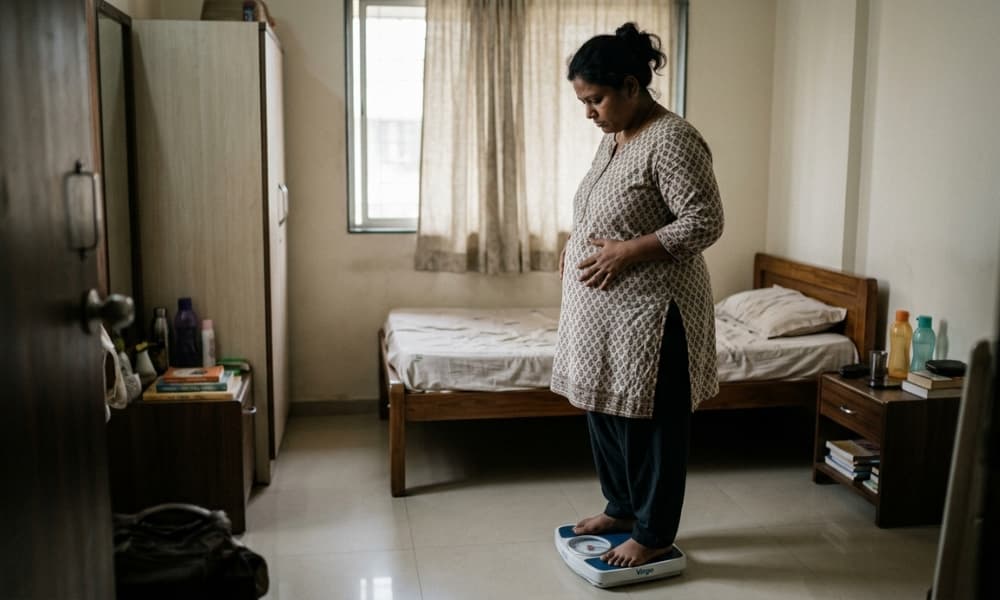
PCOD is one of the most common hormonal disorders affecting women in their reproductive years. It affects the way ovaries function and influences several metabolic processes in the body. Many women experience discomfort due to irregular cycles, acne and hair thinning. The symptom that causes significant concern is weight gain. This weight gain feels sudden for many women. It feels stubborn and hard to lose even with regular dieting efforts.
Understanding why this happens is important because PCOD weight gain has clear medical roots. Once you understand the mechanism behind it, the path to better weight control becomes easier. You can build a structured plan and reduce frustration through informed action.
Weight gain in PCOD is driven by multiple biological factors that influence hunger, metabolism and fat storage patterns. These factors make the body respond differently to food and physical activity.
PCOD disrupts the balance between estrogen, progesterone and androgens. The imbalance affects how the body regulates appetite, fat storage and energy use. Many women notice that they put on weight faster than before. Hormonal irregularities also change the way fat accumulates. It usually shows up around the waist.
Insulin resistance is one of the main causes of weight gain in PCOD. The body struggles to use insulin effectively, which causes higher insulin levels. High insulin levels encourage fat storage in the abdomen. They also increase hunger cravings and energy dips. Many women feel the urge to snack frequently or struggle with sweet cravings because of this. The cycle leads to progressive weight gain unless treated.
PCOD causes higher androgen levels. These hormones affect fat distribution and muscle function. Higher androgen levels can slow the body’s ability to use glucose. This again encourages weight gain and makes weight loss feel slower than usual.
Metabolism often becomes sluggish due to hormonal changes. The body burns calories at a slower rate. Even with similar diet and workout habits, calorie expenditure reduces. This creates weight gain even when your lifestyle has not changed drastically.
PCOD is associated with elevated stress levels. Stress influences cortisol, which increases appetite and leads to emotional eating. Many women notice increased cravings or irregular eating patterns due to anxiety, irritability or fatigue. Stress also affects sleep, which further slows metabolism.
Recognising the pattern of PCOD weight gain helps you take action early. PCOD weight gain shows certain distinct signs.
PCOD weight gain usually settles around the abdomen. If your waistline feels tighter even without significant changes in your routine, PCOD could be the cause.
Weight gain and menstrual irregularities occur together because both come from hormonal imbalance. Irregular cycles combined with stubborn weight are strong indicators of PCOD influence.
Low energy levels, sugar cravings and sudden hunger spikes are common. They happen due to insulin fluctuations.
Many women notice that their body responds poorly to calorie restriction. Even structured diets fail to produce results. This difficulty in losing weight is a strong indicator of insulin and hormonal involvement.
PCOD weight control requires a strategic approach. Nutrition, lifestyle, sleep and hydration play important roles. Consistency is more important than intensity.
A sustainable PCOD diet plan focuses on blood sugar stability and balanced meals. Large portions and heavy carbohydrate loads trigger insulin spikes. These spikes lead to increased fat storage and cravings.
Low-glycemic foods release glucose slowly. This helps regulate insulin levels and keeps hunger stable. These foods include whole grains, lentils, beans and fibrous vegetables. Fruits with lower sugar content are also helpful. Low-glycemic eating supports long-term weight control.
Portion control helps improve metabolism. Eating at regular intervals maintains blood sugar balance. Smaller portions reduce calorie load without making you feel deprived.
Hydration influences digestion and appetite control. Dehydration increases cravings and slows metabolism. Sleep is equally important. Poor sleep disrupts hormones that regulate hunger, including leptin and ghrelin. A stable sleep schedule makes a big difference in PCOD weight management.
Exercise helps reduce insulin resistance, increases muscle mass and improves mood. It also regulates hormonal fluctuations.
Strength training builds muscle mass. Increased muscle improves metabolic rate. Your body burns more energy at rest. This supports long-term fat loss and stable hormone function.
Cardio exercises help with calorie burn and insulin sensitivity. Brisk walking, cycling and swimming improve endurance and support healthy glucose regulation.
Yoga and Pilates help with flexibility, core strength and hormonal balance. They reduce cortisol levels and support stress management, which reduces emotional eating.
HIIT improves cardiovascular fitness and stimulates metabolic activity effectively. It can be practiced in short sessions. HIIT offers benefits for women dealing with PCOD because it reduces insulin resistance and supports fat loss.
Lifestyle plays a large role in managing PCOD weight gain. Small daily habits create lasting progress.
Stress influences cortisol and insulin. Relaxation techniques, deep breathing or mindfulness help stabilise mood and reduce uncontrolled cravings.
Simple activities like brisk evening walks, light stretching and taking breaks at work help counter a sedentary lifestyle. Even small movement improvements help with blood sugar control.
High sugar foods lead to immediate insulin spikes. This leads to fat storage and increases cravings. Reducing sugary snacks, baked goods and junk food helps restore metabolic stability.
Some women require medical support for PCOD weight management. A structured treatment plan helps restore hormonal balance and improves weight loss results.
Metformin is commonly prescribed to manage insulin resistance. It improves how cells respond to insulin. This helps regulate appetite, energy levels and fat storage.
Some supplements help improve metabolic health. Vitamin D, omega 3 and inositol are often recommended based on medical evaluation.
A gynaecologist should be consulted when symptoms intensify or when lifestyle changes fail to produce results. Persistent irregular cycles, severe acne, rapid weight shifts or uncontrollable cravings require proper evaluation.
PCOD weight gain feels discouraging for many women. It happens due to metabolic, hormonal and emotional factors that interact with each other. Progress requires consistent lifestyle changes, strategic nutrition and supportive medical care. With the right approach, weight control becomes realistic and manageable.
Why does PCOD cause sudden weight gain?
PCOD weight gain is caused by hormonal imbalance, insulin resistance and changes in fat distribution patterns. These factors influence appetite, metabolism and cravings.
Is PCOD weight gain reversible?
Yes. With proper diet, exercise, stress management and medical support, PCOD weight gain can be reversed. Progress varies for every individual, but improvement is always possible.
What is the best diet plan for PCOD and weight loss?
A PCOD diet plan based on low-glycemic foods, adequate protein, fibre-rich meals and portion control works effectively. Stability in blood sugar levels is the priority.
How long does it take to lose weight with PCOD?
The timeline varies. Women with insulin resistance usually take longer to see visible changes, but consistent efforts help improve metabolism within a few months.
Should I take metformin for PCOD weight gain?
Metformin is recommended for many women who struggle with insulin resistance. A gynaecologist can decide if it suits your medical profile.

Dr. Kavitha Lakshmi Easwaran is a senior gynaecologist with over 28 years of experience, known for her patient-centric approach, clinical expertise, and commitment to supporting women’s health at every stage of life.
Regular antenatal care helps monitor the health of both mother and baby, identify potential concerns early, and prepare for a safer delivery with month-by-month guidance.
Read MoreUnderstand the complete pregnancy ultrasound scan timeline, including dating scans, NT scans, anomaly scans, and growth Doppler scans for expecting mothers.
Read MoreLearn what routine screenings, pelvic exams, Pap smears, ultrasound, and hormone tests are recommended during a comprehensive women's wellness checkup.
Read More