Perimenopause Symptoms in Indian Women in Their 30s and 40s

Perimenopause Symptoms in Indian Women in Their 30s and 40s
Many Indian women in their 30s and 40s notice unusual changes in their bodies and emotions, but often assume it is due to stress, busy schedules, or aging. However, these symptoms may actually be linked to perimenopause, a natural transition phase before menopause. Early awareness can help women take better care of their physical and emotional health.
Perimenopause affects every woman differently. Some may experience mild discomfort, while others may face symptoms that interfere with work, sleep, relationships, and daily activities. Understanding these symptoms early helps women seek the right support and lifestyle changes. Doctors at Sai Speciality Center often encourage women to monitor these early signs instead of ignoring them as normal stress or aging.
What Is Perimenopause?
Perimenopause is the stage before menopause when the body slowly starts producing lower levels of estrogen and progesterone. This hormonal shift can begin in the late 30s or early 40s for many women.
During this phase, menstrual cycles become irregular, and women may experience several physical and emotional symptoms. Perimenopause is completely natural, but symptoms can sometimes feel confusing because they develop gradually over time.
Common Perimenopause Symptoms in Indian Women
Many Indian women experience symptoms differently depending on lifestyle, genetics, stress levels, and overall health. Some symptoms appear occasionally, while others may become frequent and affect daily routines.
Irregular Periods
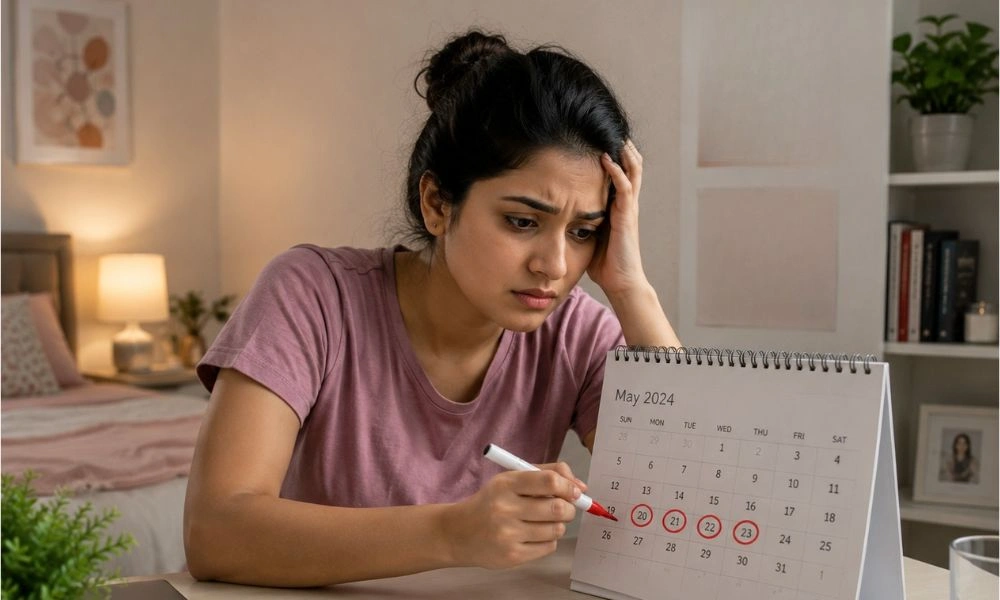
One of the earliest signs of perimenopause is changes in menstrual cycles. Periods may become heavier, lighter, shorter, or more frequent than usual.
Some women may skip periods for a few months and then suddenly experience heavy bleeding. Hormonal imbalance affects ovulation, leading to unpredictable menstrual patterns. Tracking periods regularly can help identify these changes early.
Hot Flashes and Night Sweats
Hot flashes are sudden feelings of warmth that spread across the face, neck, and chest. Night sweats are similar episodes that occur during sleep and may cause discomfort or disturbed rest.
These symptoms are caused by changing estrogen levels affecting body temperature control. Many women also experience sweating, redness, and increased heartbeat during hot flashes. Lack of proper sleep due to night sweats can lead to fatigue and irritability during the day.
Mood Swings and Anxiety
Hormonal changes during perimenopause can strongly affect emotional well-being. Women may feel irritated, anxious, stressed, emotional, or overwhelmed even without major triggers.
Indian women often balance work, family, and personal responsibilities, which can make emotional symptoms worse. Mood swings during perimenopause are common and should not be ignored if they start affecting relationships or mental health.
Sleep Problems
Many women experience difficulty falling asleep or staying asleep during perimenopause. Frequent waking, restless sleep, and feeling tired after waking up are very common complaints.
Poor sleep can also worsen mood swings, stress, and low energy levels. Hormonal fluctuations, night sweats, and anxiety together can disturb normal sleep patterns, making proper rest difficult.
Weight Gain
Weight gain during the late 30s and 40s is common due to hormonal changes and slower metabolism. Fat accumulation usually increases around the stomach and waist area.
Lack of physical activity, stress eating, and poor sleep can further contribute to weight gain. Maintaining regular exercise and healthy eating habits becomes especially important during this phase.
Hair Fall and Dry Skin
Many women notice increased hair fall, thinning hair, dry skin, or reduced skin elasticity during perimenopause. Hormonal changes can affect collagen production and hair growth cycles.
Skin may appear dull or dry even after regular skincare routines. Hair texture can also change, becoming thinner or weaker than before. Proper hydration and balanced nutrition may help manage these symptoms.
Low Energy and Brain Fog
Perimenopause can cause constant tiredness, difficulty concentrating, forgetfulness, and mental confusion, often referred to as “brain fog.”
Women may struggle to focus on work, remember small details, or complete tasks efficiently. Hormonal imbalance, stress, and lack of sleep together can significantly affect mental clarity and energy levels.
Perimenopause Symptoms vs Normal Aging
Many women confuse perimenopause symptoms with normal aging. However, hormonal changes create noticeable differences that may require medical attention.
| Symptom | Normal Aging | Perimenopause |
|---|---|---|
| Irregular periods | Rare | Very common |
| Hot flashes | Uncommon | Common |
| Mood swings | Mild | Frequent |
| Sleep issues | Occasional | Regular |
| Weight gain | Slow | Faster around the abdomen |
| Vaginal dryness | Age-related | Hormone-related |
Recognizing these differences early can help women manage symptoms before they become severe.
Why Perimenopause Symptoms Are Increasing in Indian Women
Lifestyle changes, stress, and health conditions are contributing to increased hormonal imbalance among Indian women today.
High Stress Levels
Long working hours, family responsibilities, financial pressure, and lack of personal time can increase stress hormones in the body.
Chronic stress may affect estrogen balance and worsen symptoms like anxiety, sleep problems, and irregular periods. Managing stress becomes very important during perimenopause.
Poor Sleep and Unhealthy Diet
Late-night routines, processed foods, excess caffeine, and irregular eating habits can negatively affect hormone health.
Women who do not get enough nutrients like calcium, iron, and vitamin D may experience more severe fatigue, mood changes, and bone weakness during perimenopause.
PCOS and Thyroid Disorders
Health conditions like PCOS and thyroid imbalance are increasingly common among Indian women and may worsen hormonal fluctuations during perimenopause.
Women already dealing with hormonal disorders may notice symptoms earlier or experience stronger discomfort compared to others.
Sedentary Lifestyle
Lack of exercise and long sitting hours can slow metabolism and affect overall hormone regulation.
A sedentary lifestyle may also increase the risk of obesity, diabetes, and cardiovascular problems during midlife. Regular movement helps improve energy levels and emotional health.
When Should You See a Doctor?
Women should consult a gynecologist if symptoms become severe or start affecting daily activities. Early medical advice can help prevent complications and improve quality of life.
Seek medical attention if you experience:
- Very heavy bleeding
- Long gaps between periods
- Severe anxiety or depression
- Frequent hot flashes
- Constant fatigue
- Sleep disturbances
- Sudden weight gain
- Vaginal dryness or discomfort
Doctors may recommend hormone evaluations, lifestyle changes, supplements, or treatment depending on the symptoms. Women seeking expert guidance for hormonal health and midlife wellness can also consult specialists at Sai Speciality Center for proper evaluation and personalized care.
Best Ways to Manage Perimenopause Naturally
Simple lifestyle changes can help reduce symptoms and improve overall health during perimenopause.
Eat a Balanced Diet
A healthy diet supports hormonal balance and improves energy levels. Include protein, calcium-rich foods, fruits, vegetables, and healthy fats in daily meals.
Reducing processed foods, sugary drinks, and excess caffeine may also help manage bloating, mood swings, and fatigue.
Exercise Regularly
Physical activity helps maintain weight, improve mood, and strengthen bones and muscles.
Activities like walking, yoga, stretching, and strength training are especially beneficial for women during perimenopause.
Reduce Stress
Stress management techniques like meditation, breathing exercises, journaling, and relaxation practices can improve emotional health.
Even 20 to 30 minutes of daily relaxation can help control anxiety and improve sleep quality.
Stay Hydrated
Drinking enough water supports digestion, skin health, and energy levels. Hydration may also help reduce bloating and dryness.
Women experiencing hot flashes and night sweats should especially focus on proper fluid intake.
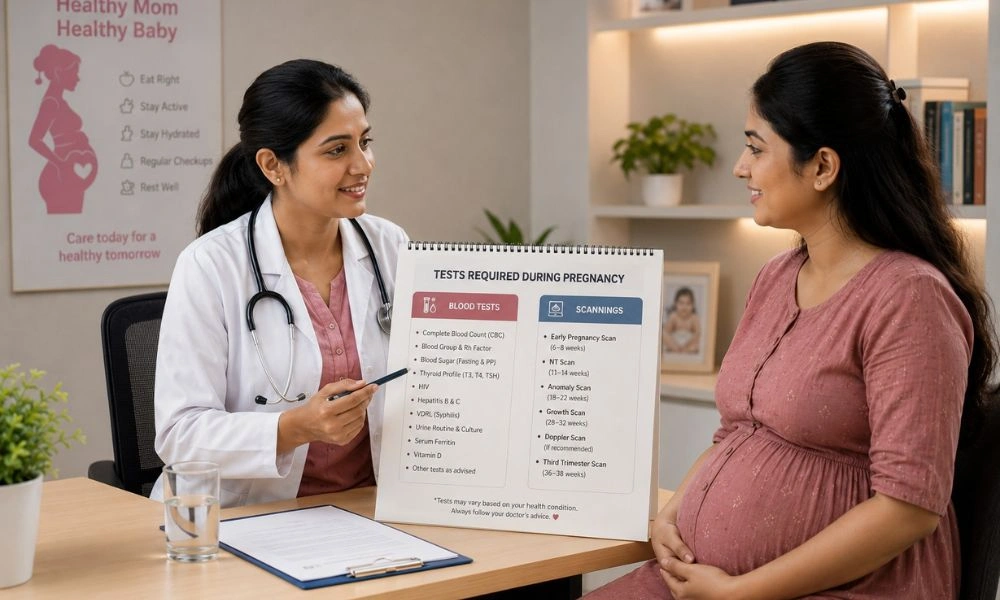
Get Regular Health Checkups
Routine health screenings help detect hormonal imbalance, thyroid issues, and vitamin deficiencies early.
Regular gynecology visits also help women understand whether symptoms are related to perimenopause or another health condition.
Foods That May Help During Perimenopause
Healthy eating plays an important role in managing symptoms naturally and maintaining long-term health.
| Food Type | Benefits |
|---|---|
| Soy products | May help balance estrogen levels |
| Leafy vegetables | Rich in calcium and iron |
| Nuts and seeds | Support hormone health |
| Yogurt and milk | Strengthen bones |
| Fruits | Improve digestion and immunity |
| Whole grains | Help maintain energy levels |
Including these foods regularly may support hormone balance, bone strength, and better energy levels.
Final Thoughts
Perimenopause is a natural phase of life, but many Indian women are still unaware of its early symptoms. Ignoring these changes can affect both physical and emotional well-being over time.
Understanding the signs early, maintaining a healthy lifestyle, and seeking medical guidance when needed can help women manage this transition more confidently. Awareness and self-care are key to maintaining long-term health during the 30s and 40s.
FAQs
1. Can perimenopause start in your 30s in India?
Yes, many Indian women may experience early perimenopause due to stress, hormonal imbalance, thyroid disorders, or lifestyle changes.
2. What are the first signs of perimenopause?
Irregular periods, hot flashes, mood swings, sleep issues, and fatigue are some of the most common early symptoms.
3. How long does perimenopause last?
Perimenopause can last anywhere from 4 to 10 years, depending on hormone levels, genetics, and overall health.
4. Can perimenopause cause weight gain?
Yes, hormonal changes can slow metabolism and increase fat storage, especially around the abdomen and waist.
5. Is pregnancy possible during perimenopause?
Yes, pregnancy is still possible during perimenopause because ovulation may continue irregularly until menopause occurs.
6. Which doctor should I consult for perimenopause symptoms?
A gynecologist or women’s health specialist can help diagnose and manage perimenopause symptoms effectively.