
February 09th, 2026
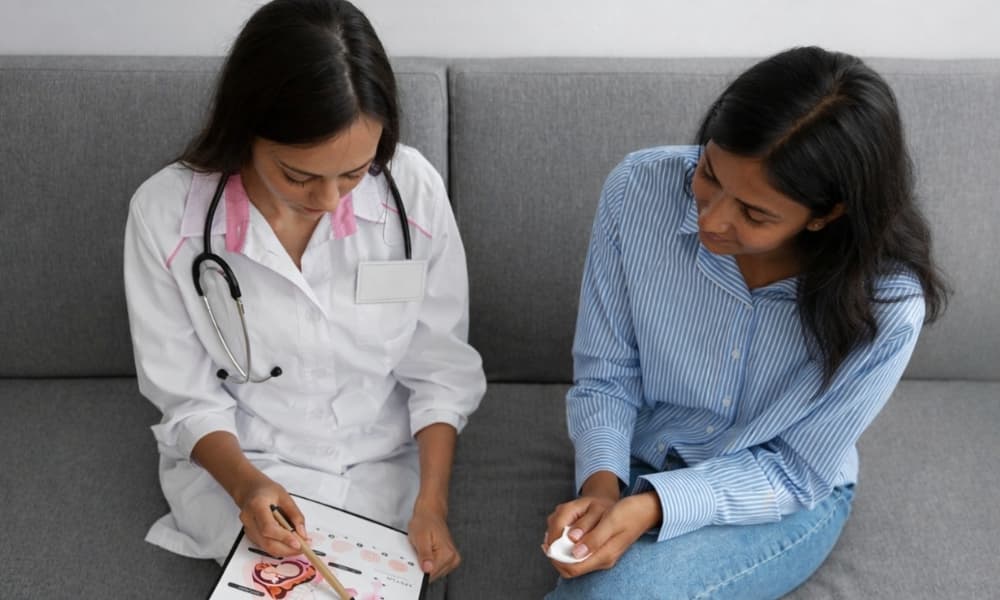
Endometriosis is a common yet often misunderstood gynecological condition that affects many women during their reproductive years. It occurs when tissue similar to the lining of the uterus grows outside the uterus, commonly affecting the ovaries, fallopian tubes, and pelvic lining. This misplaced tissue behaves like uterine tissue during the menstrual cycle, leading to inflammation, pain, and sometimes fertility complications. Many women are unaware of endometriosis symptoms in women, which is why the condition often remains undiagnosed for years.
Recognizing early symptoms is essential for proper endometriosis diagnosis and treatment. Early detection can help women manage symptoms effectively and prevent long-term reproductive health complications.
One of the reasons endometriosis goes undiagnosed is that its symptoms are frequently mistaken for typical menstrual discomfort. Many women experience painful periods, but severe or persistent pain may indicate an underlying condition.
Understanding what the early symptoms of endometriosis are can help women identify when their menstrual pain is not normal. Ignoring severe pain or heavy menstrual symptoms may delay medical care and worsen the condition over time.
One of the most common endometriosis symptoms in women is intense menstrual pain that interferes with daily activities. Women may experience sharp pelvic pain before or during their periods, which may worsen over time.
This pain often extends beyond normal menstrual cramps and may require medical evaluation. Many doctors emphasize that persistent pelvic pain should not be ignored because it could be one of the chronic pelvic pain causes related to endometriosis.
Another early sign of endometriosis is unusually heavy menstrual bleeding. Women may also experience digestive issues such as nausea, bloating, or constipation during their menstrual cycle.
These symptoms can be confusing because they often resemble common digestive or hormonal problems. Recognizing these signs early can help women seek timely gynecologist consultation for endometriosis and receive appropriate care.
Pain during or after intercourse is another symptom that may be associated with endometriosis. This discomfort occurs due to inflammation and tissue growth in the pelvic area.
Women experiencing this symptom should consider a medical evaluation to determine the underlying cause. Persistent pain may indicate endometriosis or other chronic pelvic pain causes, making early consultation with a specialist important.
Endometriosis can also cause fatigue, abdominal bloating, and hormonal imbalances that affect overall health. Some women may experience difficulties conceiving due to reproductive complications linked to the condition.
Many patients ask if endometriosis can affect fertility, and the answer is yes in certain cases. Early diagnosis and appropriate endometriosis treatment options can help manage symptoms and protect reproductive health.
Endometriosis may affect reproductive organs, making it difficult for eggs to travel through the fallopian tubes or for embryos to implant properly in the uterus. This can lead to fertility challenges for some women.
Early endometriosis diagnosis allows doctors to create treatment plans that support reproductive health and fertility preservation.
Living with endometriosis can impact both physical and emotional health. Chronic pain, fatigue, and fertility concerns can create stress and reduce quality of life.
Healthcare professionals emphasize the importance of seeking treatment early to improve both physical comfort and emotional well-being.
Women experiencing persistent pelvic pain, heavy menstrual bleeding, or painful intercourse should seek medical evaluation. These symptoms may indicate an underlying gynecological condition that requires attention.
Many patients wonder when they should see a doctor for endometriosis, and the answer is whenever symptoms interfere with daily life or worsen over time.
Early diagnosis can significantly improve treatment outcomes and prevent complications such as chronic pain or infertility. Doctors can recommend personalized treatment plans based on symptom severity and reproductive goals.
At clinics such as Sai Speciality Center, gynecologists provide comprehensive evaluation and care for women experiencing symptoms of endometriosis.
Doctors typically begin the diagnosis with a physical examination and pelvic ultrasound. These tests help detect abnormalities in the reproductive organs and identify possible signs of endometriosis.
Patients often ask how endometriosis is diagnosed, and imaging tests such as ultrasound play a key role in the initial evaluation process.
In some cases, doctors may recommend advanced diagnostic procedures such as MRI scans or laparoscopy. Laparoscopy is a minimally invasive surgical procedure used to confirm the presence of endometriosis.
This diagnostic technique allows specialists to examine pelvic organs directly and determine the severity of the condition.
Treatment plans for endometriosis vary depending on symptom severity and the patient’s reproductive goals. Doctors may recommend medications to manage pain or hormonal therapy to regulate menstrual cycles.
These approaches are often the first step in managing endometriosis treatment options and reducing inflammation in affected tissues.
In more severe cases, surgical procedures may be recommended to remove endometrial tissue and relieve symptoms. Minimally invasive surgery can help reduce pain and improve reproductive health.
For women experiencing fertility challenges, specialized fertility treatments may be recommended. With proper medical care and early intervention, many women can successfully manage endometriosis and maintain their reproductive health.

Dr. Kavitha Lakshmi Easwaran is a senior gynaecologist with over 28 years of experience, known for her patient-centric approach, clinical expertise, and commitment to supporting women’s health at every stage of life.
Regular antenatal care helps monitor the health of both mother and baby, identify potential concerns early, and prepare for a safer delivery with month-by-month guidance.
Read MoreUnderstand the complete pregnancy ultrasound scan timeline, including dating scans, NT scans, anomaly scans, and growth Doppler scans for expecting mothers.
Read MoreLearn what routine screenings, pelvic exams, Pap smears, ultrasound, and hormone tests are recommended during a comprehensive women's wellness checkup.
Read More