
March 05th, 2026
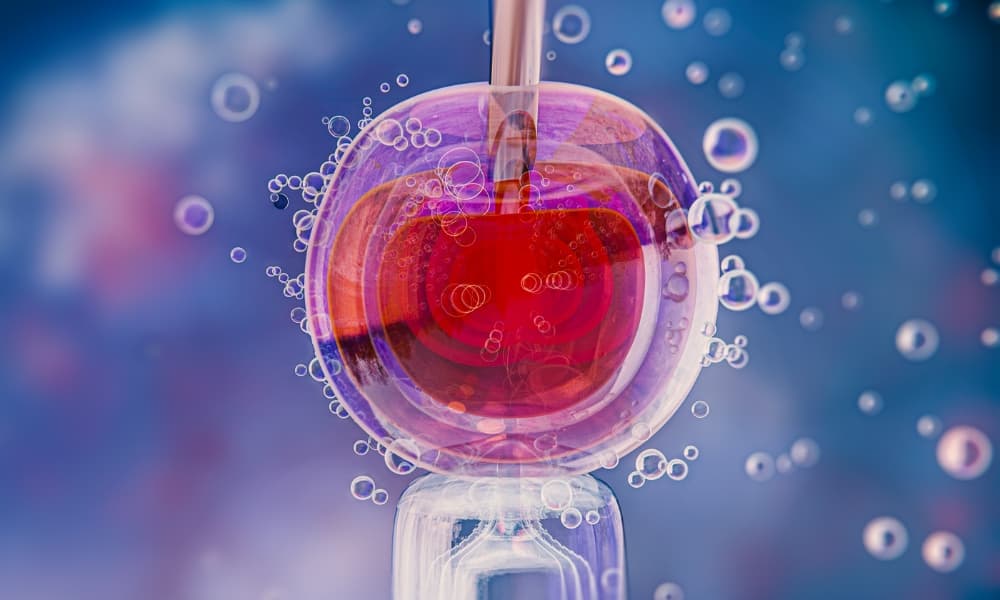
Egg quality plays a crucial role in a woman’s ability to conceive and maintain a healthy pregnancy. Healthy eggs are more likely to be fertilized successfully and develop into strong embryos. When egg quality is optimal, the chances of implantation and pregnancy increase significantly. This is why doctors often emphasize the importance of maintaining good egg quality and fertility for women planning to conceive.
For couples trying to start a family, understanding the connection between egg health and fertility is an important step toward improving natural fertility. Healthy eggs support proper embryo development, which can increase the chances of a successful pregnancy.
Egg quality directly influences pregnancy outcomes. Eggs with healthy genetic material are more likely to develop into healthy embryos and lead to successful pregnancies. Poor egg quality, on the other hand, may result in failed fertilization, miscarriage, or difficulty conceiving.
Maintaining strong fertility health for women involves focusing on overall reproductive wellness, hormonal balance, and lifestyle habits. By improving egg health naturally, women can increase their chances of becoming pregnant.
Age is one of the most significant factors affecting egg quality. Women are born with a limited number of eggs, and both the quantity and quality gradually decline over time. As women age, the risk of chromosomal abnormalities in eggs increases, which may affect fertility and pregnancy outcomes.
Understanding age-related fertility changes can help women make informed decisions about preconception health planning. Early fertility awareness and medical evaluation can help identify potential concerns and support better reproductive health outcomes.
Lifestyle choices can also influence egg quality and overall reproductive health. Factors such as poor diet, smoking, alcohol consumption, stress, and exposure to environmental toxins may negatively affect egg health.
Adopting healthier habits can significantly support ovarian health improvement and contribute to natural fertility improvement. Making small lifestyle changes may help create a healthier environment for egg development.
Nutrition plays an important role in improving egg quality. Vitamins such as folic acid, vitamin D, and vitamin B12 support reproductive health and help maintain hormonal balance. Minerals such as zinc, selenium, and iron also contribute to proper ovarian function.
Following a balanced fertility nutrition guide can support ovarian health improvement and increase the chances of healthy egg development.
Certain foods are known to support reproductive health and hormone balance. Leafy green vegetables, whole grains, healthy fats, nuts, seeds, and antioxidant-rich fruits can help protect eggs from oxidative stress.
Incorporating foods that improve egg quality into daily meals can strengthen reproductive health and support fertility health for women who are planning pregnancy.
Healthy lifestyle habits can significantly influence reproductive health. Regular physical activity improves blood circulation to reproductive organs and supports hormonal balance. Adequate sleep also plays an essential role in maintaining reproductive hormones.
Stress management techniques such as meditation, yoga, and relaxation exercises can further support holistic fertility care and improve overall well-being.
Exposure to environmental toxins such as pesticides, heavy metals, and certain chemicals can negatively affect reproductive health. Women planning a pregnancy should try to minimize exposure to harmful substances.
Avoiding tobacco, excessive alcohol consumption, and processed foods can also help improve egg quality and fertility while promoting overall reproductive health.
Antioxidants play an important role in protecting eggs from oxidative stress. Nutrients such as Coenzyme Q10, vitamin C, vitamin E, and omega-3 fatty acids are often recommended to support egg health.
These supplements may contribute to natural fertility improvement by supporting ovarian function and protecting reproductive cells from damage.
In addition to nutritional supplements, natural therapies such as acupuncture, yoga, and herbal support may help improve reproductive health. These therapies focus on improving blood circulation, reducing stress, and supporting hormonal balance.
At fertility clinics such as Sai Speciality Center, specialists often recommend a combination of medical care and lifestyle guidance to support holistic fertility care and enhance reproductive health outcomes.
While natural methods can support egg health, medical evaluation is often necessary to understand a woman’s fertility status. Doctors may recommend tests such as hormone level analysis, anti-Müllerian hormone (AMH) testing, and ultrasound scans to assess ovarian reserve.
These tests help evaluate egg quality and fertility and guide doctors in recommending appropriate fertility treatments or lifestyle modifications.
Women who have been trying to conceive for several months without success may benefit from consulting a fertility specialist. Medical evaluation can help identify underlying reproductive concerns and provide personalized guidance.
Doctors can also advise patients on preconception health planning and fertility treatment options based on their reproductive health goals.
Preconception care focuses on preparing the body for a healthy pregnancy. This includes maintaining balanced nutrition, managing chronic health conditions, and adopting healthy lifestyle habits.
Women who focus on fertility health for women and reproductive wellness before pregnancy often experience improved fertility outcomes.
A personalized fertility plan helps women prepare physically and emotionally for pregnancy. This plan may include nutrition guidance, lifestyle improvements, and medical evaluation when necessary.
By combining healthy habits, medical care, and fertility awareness, women can support natural fertility improvement and increase their chances of successful conception.

Dr. Kavitha Lakshmi Easwaran is a senior gynaecologist with over 28 years of experience, known for her patient-centric approach, clinical expertise, and commitment to supporting women’s health at every stage of life.
Regular antenatal care helps monitor the health of both mother and baby, identify potential concerns early, and prepare for a safer delivery with month-by-month guidance.
Read MoreUnderstand the complete pregnancy ultrasound scan timeline, including dating scans, NT scans, anomaly scans, and growth Doppler scans for expecting mothers.
Read MoreLearn what routine screenings, pelvic exams, Pap smears, ultrasound, and hormone tests are recommended during a comprehensive women's wellness checkup.
Read More