
March 9th, 2026
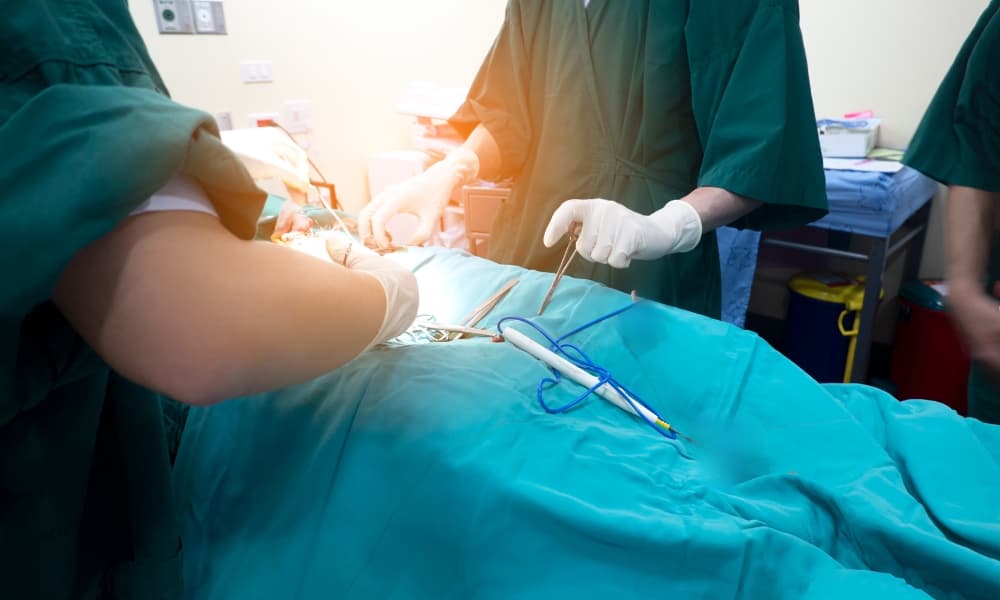
Endometriosis is a condition in which tissue similar to the lining of the uterus grows outside the uterus, affecting areas such as the ovaries, fallopian tubes, and pelvic lining. This misplaced tissue responds to hormonal changes during the menstrual cycle, which can lead to inflammation, pain, and sometimes fertility complications. Many women experience symptoms such as pelvic pain, heavy periods, and discomfort during daily activities.
Because the condition may affect reproductive organs, it can influence fertility and overall pelvic health. Understanding what laparoscopic surgery for endometriosis is helps patients explore treatment options when medications or lifestyle changes do not relieve symptoms.
Doctors may recommend surgery when endometriosis causes severe pain, infertility, or when other treatments have not been effective. In such cases, laparoscopy for endometriosis treatment can help remove abnormal tissue and improve pelvic health.
Surgical intervention is also considered when imaging tests suggest advanced endometriosis or when fertility is affected. This form of endometriosis surgical treatment helps doctors examine pelvic organs directly and treat affected areas during the same procedure.
Laparoscopic surgery is considered a minimally invasive endometriosis surgery technique. It involves making small incisions in the abdomen through which a thin instrument called a laparoscope is inserted. The laparoscope contains a camera that allows surgeons to view internal organs clearly.
Compared to traditional open surgery, this method offers several advantages, including smaller incisions, reduced pain, and faster healing. These benefits make endometriosis laparoscopic surgery a widely recommended treatment option.
During the procedure, surgeons carefully remove or destroy endometrial tissue growing outside the uterus. This helps reduce inflammation, relieve pain, and restore normal pelvic function.
Removing abnormal tissue can significantly improve a woman’s quality of life and reproductive health. Many patients undergoing laparoscopy for endometriosis treatment report noticeable improvement in symptoms after the procedure.
One of the most important benefits of minimally invasive endometriosis surgery is relief from chronic pelvic pain. Many women experience severe discomfort due to inflammation and scar tissue caused by endometriosis.
After surgery, patients often report reduced pain during menstruation and daily activities. This improvement significantly enhances quality of life and overall well-being.
Endometriosis can interfere with fertility by affecting the ovaries, fallopian tubes, and surrounding tissues. Surgical removal of endometrial lesions may help restore normal reproductive function.
Many women considering pregnancy ask whether laparoscopy for endometriosis treatment can improve fertility. In many cases, surgery can increase the chances of natural conception or improve the success of fertility treatments.
Before undergoing endometriosis laparoscopic surgery, doctors perform a detailed medical evaluation. This may include pelvic examinations, imaging tests, and blood tests to assess overall health.
Patients are also given instructions about diet, medications, and preparation before the procedure. Proper preparation helps ensure a safe and successful surgery.
During the surgery, small incisions are made near the abdomen, and carbon dioxide gas is used to gently expand the abdominal cavity for better visibility. The surgeon inserts the laparoscope and specialized instruments to locate and remove endometrial tissue.
This endometriosis surgical treatment typically takes one to two hours, depending on the severity of the condition. The minimally invasive approach helps reduce tissue damage and speeds up recovery.
Recovery after endometriosis laparoscopic surgery is usually faster than traditional surgery. Most patients can return home the same day or within 24 hours of the procedure.
The typical endometriosis surgery recovery time ranges from one to two weeks for most daily activities, although full recovery may take slightly longer depending on individual health and the complexity of the surgery.
After surgery, doctors may recommend rest, light physical activity, and a balanced diet to support healing. Patients are usually advised to avoid strenuous activities for a few weeks.
Following post-surgery guidelines carefully helps ensure a smooth recovery and reduces the risk of complications during the healing process.
Although laparoscopic surgery is generally safe, some patients may experience mild side effects such as temporary abdominal discomfort, fatigue, or minor bleeding.
These symptoms are usually part of the normal healing process after minimally invasive endometriosis surgery. However, patients should monitor their symptoms carefully during recovery.
Patients should contact their doctor if they experience severe pain, heavy bleeding, fever, or signs of infection. These symptoms may indicate complications that require medical attention.
Women often ask how long the recovery is after endometriosis surgery, and while recovery varies for each patient, monitoring symptoms and attending follow-up appointments is essential for safe healing.
Although surgery removes existing endometrial tissue, the condition may sometimes return. Doctors may recommend hormonal therapy or lifestyle adjustments to help reduce the risk of recurrence.
Long-term care focuses on maintaining hormonal balance and supporting reproductive health through regular medical monitoring.
Follow-up care after surgery is essential to ensure long-term health and fertility planning. Doctors may schedule periodic check-ups to monitor recovery and assess reproductive health.
At Sai Speciality Center, specialists provide comprehensive care that includes surgical treatment, follow-up monitoring, and fertility planning for women managing endometriosis.

Dr. Kavitha Lakshmi Easwaran is a senior gynaecologist with over 28 years of experience, known for her patient-centric approach, clinical expertise, and commitment to supporting women’s health at every stage of life.
Regular antenatal care helps monitor the health of both mother and baby, identify potential concerns early, and prepare for a safer delivery with month-by-month guidance.
Read MoreUnderstand the complete pregnancy ultrasound scan timeline, including dating scans, NT scans, anomaly scans, and growth Doppler scans for expecting mothers.
Read MoreLearn what routine screenings, pelvic exams, Pap smears, ultrasound, and hormone tests are recommended during a comprehensive women's wellness checkup.
Read More