Safe Pregnancy Exercises Month-by-Month | Gynecologist
Pregnancy is a special phase in a woman’s life that brings many physical and emotional changes. Staying active during pregnancy can help improve overall health, reduce discomfort, and prepare the body for labor. However, exercises should always be safe, gentle, and suitable for each stage of pregnancy. According to gynecologists in Bangalore, regular prenatal exercise can support better circulation, reduce back pain, improve sleep, and enhance mood.
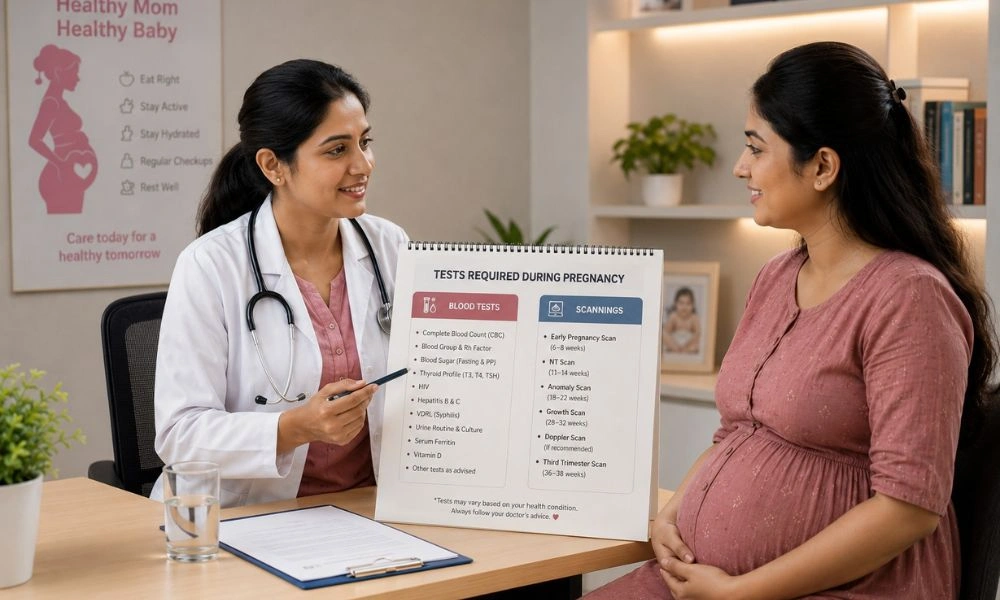
Before starting any workout routine during pregnancy, it is important to consult a qualified gynecologist to ensure the exercises are appropriate for your health condition and pregnancy stage. Experts at Sai Speciality Center recommend following a safe and personalized exercise routine based on each trimester to support a healthy pregnancy.
First Trimester (Months 1–3): Gentle and Light Activity
The first trimester is when your body begins adjusting to hormonal changes. Many women experience fatigue, nausea, and dizziness, so exercise routines should be light and comfortable.
Safe exercises during the first trimester include:
Walking: One of the safest and easiest ways to stay active. A 15–20 minute walk helps maintain fitness without straining the body.
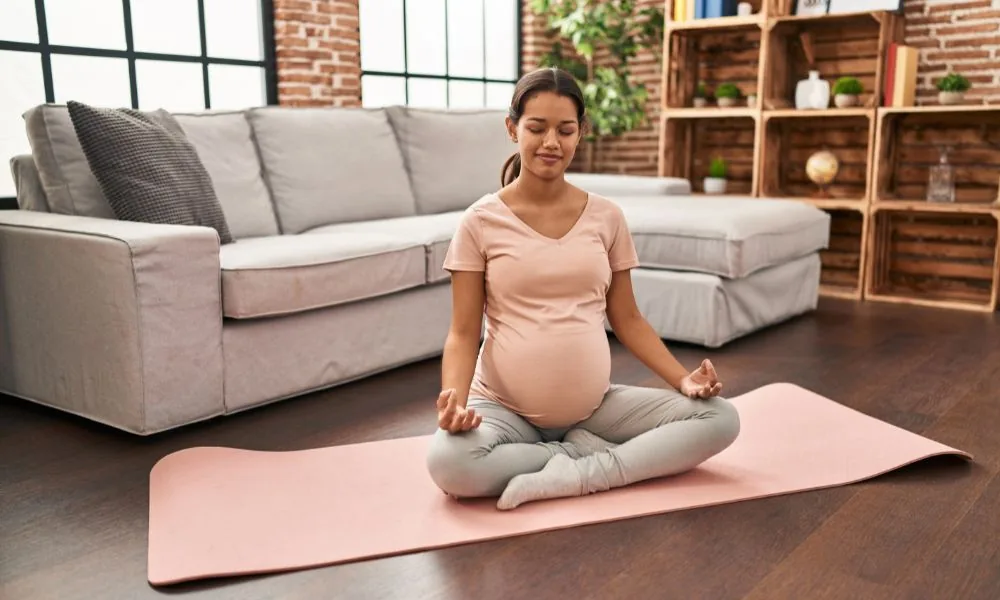
Prenatal Yoga: Gentle stretching and breathing exercises improve flexibility and relaxation.
Pelvic Floor Exercises (Kegels): These strengthen the muscles that support the bladder, uterus, and bowels.
Light Stretching: Helps reduce muscle stiffness and improve blood circulation.
Avoid high-intensity workouts, jumping movements, or exercises that may cause abdominal pressure. Staying hydrated and listening to your body are essential during this stage.
Second Trimester (Months 4–6): Building Strength Safely
Many women feel more energetic during the second trimester, making it a good time to stay consistently active. Regular exercise during this period can help manage weight gain and reduce pregnancy-related discomfort.
Recommended exercises include:
Brisk Walking: A slightly faster pace can improve cardiovascular health.
Prenatal Yoga or Pilates: Helps improve posture and reduce lower back pain.
Swimming: One of the best low-impact exercises for pregnant women, as it reduces pressure on joints.
Light Strength Training: Using light weights to strengthen arms and legs under professional guidance.
During this trimester, avoid exercises that require lying flat on your back for long periods, as it may reduce blood flow to the baby.
Third Trimester (Months 7–9): Preparing for Delivery
As the baby grows, physical movements may become more challenging. Exercises in the third trimester should focus on comfort, breathing techniques, and preparing the body for labor.
Safe activities include:
Slow Walking: Helps maintain mobility and improve circulation.
Prenatal Stretching: Reduces muscle tension and joint discomfort.
Breathing Exercises: Important for relaxation and labor preparation.
Pelvic Tilts: Help relieve back pain and strengthen core muscles.
At this stage, avoid strenuous activity and focus on gentle movement that supports your comfort and safety.
Safety Tips for Exercising During Pregnancy
To ensure safe physical activity during pregnancy, keep the following tips in mind:
Always consult a gynecologist before starting any exercise routine.
Wear comfortable clothing and supportive footwear.
Stay hydrated before, during, and after exercise.
Avoid overheating or exercising in very hot environments.
Stop immediately if you experience dizziness, pain, or unusual symptoms.
Every pregnancy is unique, so personalized guidance from a healthcare professional is important.
When to Avoid Exercise
In certain situations, doctors may advise avoiding exercise during pregnancy. This includes cases such as high-risk pregnancy, severe anemia, placenta previa, or a history of preterm labor. In such situations, following medical advice is essential for the safety of both mother and baby. Doctors at Sai Speciality Center often recommend close monitoring and specialized care for women with high-risk pregnancies.
Conclusion
Safe and moderate exercise during pregnancy can provide several benefits, including improved physical health, reduced pregnancy discomfort, and better preparation for childbirth. By choosing the right activities for each trimester and following medical guidance, pregnant women can maintain a healthy and active lifestyle throughout their pregnancy journey. If you are planning prenatal exercises, consult an experienced gynecologist in Bangalore who can guide you with a safe and personalized fitness plan.
FAQ
1. Is it safe to exercise during pregnancy?
Yes, safe prenatal exercises like walking and yoga are beneficial, but always consult a gynecologist before starting any routine.
2. What are the best exercises during the first trimester?
Light activities such as walking, prenatal yoga, gentle stretching, and pelvic floor exercises are considered safe in the first trimester.
3. Which exercises are recommended in the second trimester?
Brisk walking, swimming, prenatal yoga, and light strength training help maintain fitness and reduce pregnancy discomfort.
4. What exercises are safe in the third trimester?
Slow walking, prenatal stretching, breathing exercises, and pelvic tilts help prepare the body for labor.
5. How long should pregnant women exercise each day?
Most doctors recommend about 20–30 minutes of moderate exercise daily, depending on individual health conditions.