
February 04th, 2026
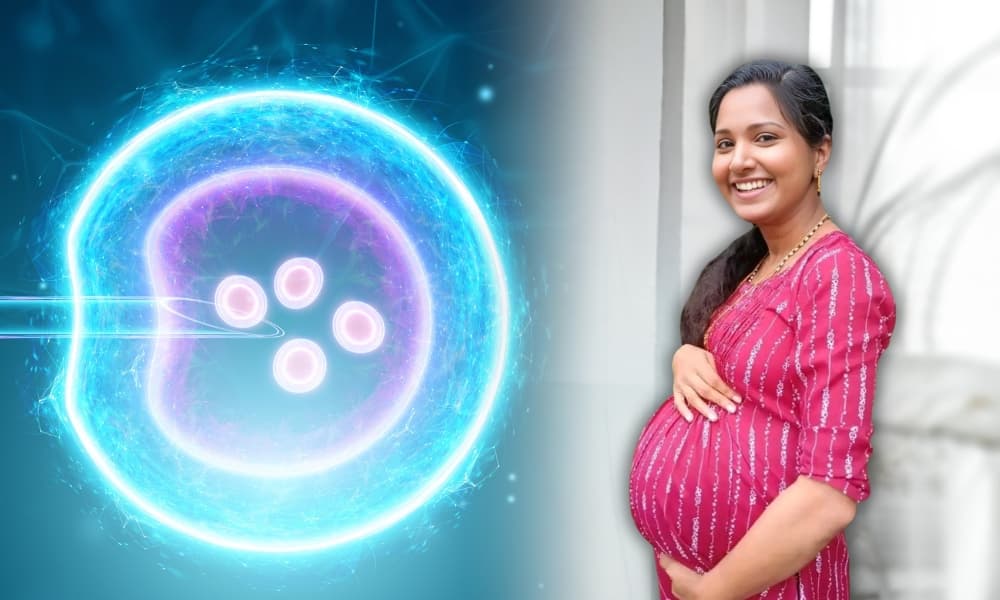
A woman’s fertility naturally changes with age because the number and quality of eggs gradually decline over time. Fertility specialists often explain that egg quality plays a significant role in determining IVF success rates for women. Younger women generally have a higher number of healthy eggs, which increases the chances of successful fertilization and embryo development during IVF treatment.
Understanding how age affects IVF success is an important step for women considering fertility treatment. As women age, the chances of producing genetically healthy eggs may decrease, which can impact the overall IVF age success rate.
Age-related fertility decline is a natural biological process. Women are born with a fixed number of eggs, and both egg quantity and quality gradually decrease as they grow older. This decline becomes more noticeable after the mid-30s.
Many patients ask what the IVF success rate by age is, and doctors explain that age plays a crucial role in treatment outcomes. Early fertility assessment and proper fertility treatment planning can help women understand their reproductive health and explore suitable treatment options.
Women under the age of 30 typically have the highest IVF success rates because egg quality and ovarian reserve are generally optimal during this stage. Healthy eggs increase the likelihood of successful fertilization and embryo implantation.
Although IVF is often not required for younger women unless medical conditions exist, some patients may still benefit from fertility treatments depending on their reproductive health. Early fertility evaluation helps doctors determine the most effective treatment approach.
Women between the ages of 30 and 35 still have relatively good fertility potential, although a gradual decline may begin. IVF treatment during this stage often shows favorable results because egg quality is still relatively strong.
Understanding the IVF treatment success factors at this stage can help women make informed decisions about family planning and fertility treatments.
After age 35, fertility decline becomes more noticeable. Egg quality and ovarian reserve may decrease, which can impact the chances of natural conception as well as IVF outcomes.
Many women researching IVF success rate after 35 want to understand their treatment possibilities. With appropriate medical guidance, advanced laboratory technology, and personalized treatment plans, many women in this age group can still achieve successful pregnancies.
Women over the age of 40 may face greater fertility challenges due to significant age-related changes in egg quality. However, modern fertility medicine has created new opportunities for women who want to conceive later in life.
Many patients ask if IVF can work after 40, and the answer depends on several factors, including ovarian reserve, overall health, and embryo quality. With specialized care and advanced techniques, pregnancy is still possible for many women in this age group.
Ovarian reserve refers to the number of eggs remaining in a woman’s ovaries. It is one of the most important indicators used by fertility specialists to assess reproductive potential.
Doctors evaluate ovarian reserve through blood tests and ultrasound examinations. These assessments help determine the patient’s IVF age success rate and guide personalized fertility treatment plans.
Although age-related fertility decline often focuses on women, male fertility factors can also influence IVF success. Healthy sperm are essential for fertilization and embryo development.
High-quality embryos significantly improve implantation success during IVF. Fertility clinics focus on both male and female health to improve overall IVF treatment success factors.
Before starting IVF treatment, doctors perform several diagnostic tests to assess reproductive health. These tests may include hormone level analysis, ovarian reserve evaluation, ultrasound scans, and semen analysis.
These tests help specialists determine when women should consider IVF and whether IVF is the most appropriate treatment option.
Healthy lifestyle choices can significantly improve fertility outcomes. Doctors often recommend maintaining a balanced diet, exercising regularly, reducing stress, and avoiding smoking or alcohol before IVF treatment.
Such lifestyle changes support fertility treatment planning and may improve overall reproductive health, increasing the chances of successful treatment outcomes.
For women who wish to delay pregnancy, fertility preservation techniques such as egg freezing can be a valuable option. Egg freezing allows women to preserve healthy eggs for future IVF treatment.
This option is often recommended for women who want to protect their reproductive potential and explore modern fertility treatments for women at a later stage.
In cases where egg quality is significantly reduced, donor eggs may be considered as part of advanced fertility treatments. Donor egg IVF can increase the chances of a successful pregnancy for women experiencing severe age-related fertility decline.
Fertility centers such as Sai Speciality Center offer advanced treatment options that combine personalized care with advanced reproductive technology to improve patient outcomes.
Some women may experience fertility challenges such as irregular ovulation, blocked fallopian tubes, hormonal imbalances, or unexplained infertility. These conditions may require assisted reproductive treatments.
Understanding these warning signs can help patients determine when they should consider IVF and seek medical advice at the right time.
If pregnancy does not occur after trying for several months, especially for women over 35, consulting a fertility specialist may be recommended. Early medical evaluation can help identify underlying fertility issues.
A specialist can guide patients through treatment options and recommend suitable solutions based on their reproductive health and age.
Technological advancements have significantly improved IVF success rates. Modern fertility clinics use advanced laboratory equipment, embryo monitoring systems, and genetic testing to enhance treatment outcomes.
These innovations support modern fertility treatments for women and help fertility specialists provide personalized treatment strategies.
Choosing the right fertility clinic plays a crucial role in IVF success. Experienced clinics provide comprehensive evaluation, skilled embryologists, and advanced medical technologies.
By combining personalized care with expert medical guidance, patients can significantly improve their chances of a successful pregnancy through IVF treatment.

Dr. Kavitha Lakshmi Easwaran is a senior gynaecologist with over 28 years of experience, known for her patient-centric approach, clinical expertise, and commitment to supporting women’s health at every stage of life.
Regular antenatal care helps monitor the health of both mother and baby, identify potential concerns early, and prepare for a safer delivery with month-by-month guidance.
Read MoreUnderstand the complete pregnancy ultrasound scan timeline, including dating scans, NT scans, anomaly scans, and growth Doppler scans for expecting mothers.
Read MoreLearn what routine screenings, pelvic exams, Pap smears, ultrasound, and hormone tests are recommended during a comprehensive women's wellness checkup.
Read More