
July 14th, 2026
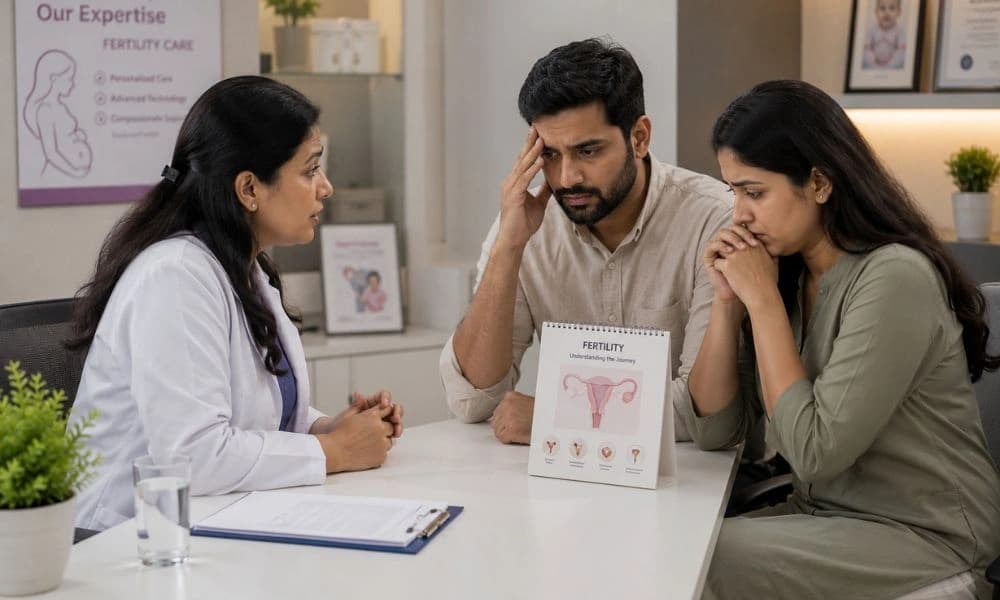
If you have been trying to conceive for 12 months without success, or for 6 months if the woman is above 35, it is time to visit a fertility doctor. Early fertility evaluation can help identify issues related to ovulation, egg reserve, sperm health, fallopian tubes, PCOS, thyroid imbalance, endometriosis, or unexplained infertility.
Many couples wait too long before seeking medical advice. But fertility is strongly linked to age, menstrual health, sperm quality, lifestyle, and underlying medical conditions. A fertility consultation does not always mean advanced treatment is needed. Sometimes, simple tests and timely guidance are enough to understand what is affecting conception.
WHO defines infertility as the failure to achieve pregnancy after 12 months or more of regular unprotected sexual intercourse. This can happen due to male factors, female factors, combined factors, or unexplained reasons.
Sai Speciality Center in Kasturi Nagar provides women’s healthcare, gynecology, fertility, pregnancy, maternity, and wellness care. The center is accessible from Indiranagar, CV Raman Nagar, Halasuru, Tin Factory, Mahadevapura, Banaswadi, and nearby East Bangalore areas.
You should consider visiting a fertility doctor if you notice any of the following situations.
If the woman is below 35 and the couple has been trying for pregnancy for one year without success, a fertility evaluation is recommended.
ACOG says experts recommend infertility evaluation after 1 year of regular intercourse without birth control. If the woman is older than 35, evaluation is recommended after 6 months. If she is older than 40, she should speak to an obstetrician-gynecologist now about evaluation.
Fertility naturally changes with age, especially after 35. Egg quality and egg count may reduce with time. This does not mean pregnancy is impossible, but it does mean evaluation should not be delayed.
ASRM also recommends that fertility evaluation may begin after 12 months in women below 35 and after 6 months in women aged 35 or older. For women above 40, more immediate evaluation may be needed.
Irregular periods can be a sign that ovulation is not happening regularly. Ovulation is important because pregnancy usually happens when an egg is released and fertilized.
Irregular cycles may be linked to:
If your periods are frequently delayed, absent, or unpredictable, consult a gynecologist or fertility doctor.
PCOS is one of the common reasons for irregular periods and difficulty conceiving. Women with PCOS may have delayed periods, acne, weight gain, excess facial hair, hair thinning, or difficulty losing weight.
PCOS does not mean you cannot get pregnant. Many women with PCOS conceive with proper lifestyle guidance, ovulation tracking, medicines, or fertility treatment when needed.
Severe period pain should not be ignored, especially if it affects daily routine. Painful periods may sometimes be linked to endometriosis, adenomyosis, fibroids, or pelvic infection.
Endometriosis can affect fertility by causing inflammation, pain, ovarian cysts, or fallopian tube-related problems. If you have painful periods, pain during sex, pelvic pain, or bowel discomfort during periods, visit a gynecologist early.
One miscarriage can happen for many reasons. But repeated pregnancy loss needs evaluation. A doctor may check hormone levels, thyroid, uterus shape, blood sugar, genetic factors, infections, or other possible causes.
If you have had two or more pregnancy losses, do not wait. Early evaluation can help plan the next pregnancy more safely.
Fertility is not only a woman’s issue. Male factors can also affect conception. A semen analysis is one of the basic fertility tests for couples.
Male fertility concerns may include:
Both partners should be evaluated when pregnancy is delayed.
Thyroid imbalance and uncontrolled blood sugar can affect ovulation, pregnancy chances, and early pregnancy health. Women with known thyroid issues, diabetes, obesity, or insulin resistance should get medical guidance before or while trying to conceive.
Even if you have just started trying, it is wise to consult a doctor if you are planning pregnancy after 35. Your doctor may suggest basic tests such as AMH, ultrasound, thyroid test, blood sugar test, and partner semen analysis.
Early planning helps avoid unnecessary delay.
| Sign or Situation | Possible Concern | When to Visit Doctor |
|---|---|---|
| Trying for 12 months | Possible infertility | Visit if woman is below 35 |
| Trying for 6 months | Age-related fertility change | Visit if woman is 35 or above |
| Irregular periods | PCOS, thyroid, ovulation issues | Visit if cycles are often delayed |
| Severe period pain | Endometriosis, fibroids | Visit if pain affects daily life |
| Repeated miscarriage | Hormonal, genetic, uterine factors | Visit after recurrent losses |
| Male fertility concern | Sperm count or motility issue | Visit for couple evaluation |
A first fertility consultation is usually simple. The doctor will understand your history and suggest tests based on your age, symptoms, cycle pattern, and how long you have been trying.
The doctor may ask about:
Not every couple needs every test. But a common fertility evaluation may include:
The goal is to find the exact reason before starting treatment.
No. Visiting a fertility clinic does not mean you need IVF immediately. Many couples may need only cycle tracking, lifestyle correction, ovulation medicines, treatment for PCOS, thyroid correction, semen improvement, or IUI.
Advanced treatment is considered only when required. The right treatment depends on age, test results, duration of infertility, sperm health, fallopian tube status, and previous treatment history.
Sai Speciality Center’s official website mentions fertility care and infertility management up to Intrauterine Insemination under Dr. Kavitha Lakshmi Easwaran’s profile.
For couples trying to conceive, repeated visits may be needed for scans, blood tests, ovulation tracking, and follow-ups. Choosing a clinic near Indiranagar can make the process easier and reduce travel stress.
Sai Speciality Center in Kasturi Nagar is accessible from:
This makes it convenient for couples in East Bangalore who need gynecology and fertility consultation.
Book a fertility consultation if:
Do not wait too long if pregnancy is not happening naturally.
Couples below 35 should seek fertility evaluation after 12 months of trying, while women above 35 should consult after 6 months.
A fertility consultation helps identify the cause and choose the right treatment, which may be simple guidance, medicines, IUI, or advanced care when needed.
Visit a fertility doctor if you have been trying for 12 months without pregnancy, or 6 months if the woman is above 35.
Yes. Fertility depends on both partners. A semen analysis for the male partner and ovulation-related tests for the female partner are commonly advised.
Yes, irregular periods may indicate irregular ovulation, PCOS, thyroid imbalance, or hormone-related issues. These can affect pregnancy chances.
No. Many couples do not need IVF immediately. Treatment depends on test results and may include lifestyle changes, medicines, ovulation tracking, or IUI.
Sai Speciality Center in Kasturi Nagar is accessible from Indiranagar and nearby East Bangalore areas for fertility, gynecology, pregnancy, and women’s health care.

Dr. Kavitha Lakshmi Easwaran is a senior gynaecologist with over 28 years of experience, known for her patient-centric approach, clinical expertise, and commitment to supporting women’s health at every stage of life.
Regular antenatal care helps monitor the health of both mother and baby, identify potential concerns early, and prepare for a safer delivery with month-by-month guidance.
Read MoreUnderstand the complete pregnancy ultrasound scan timeline, including dating scans, NT scans, anomaly scans, and growth Doppler scans for expecting mothers.
Read MoreLearn what routine screenings, pelvic exams, Pap smears, ultrasound, and hormone tests are recommended during a comprehensive women's wellness checkup.
Read More