Halim (Aliv) Seeds for Periods: Benefits, How to Eat Them and Side Effects
Quick answer: Halim seeds, also called aliv seeds or garden cress seeds, are a plant source of iron, folate and fibre. They can help a woman whose periods are heavy and whose iron is low. They do not treat irregular periods, PCOS or thyroid problems, and they should not be taken in pregnancy unless your doctor agrees.
What are halim (aliv) seeds?
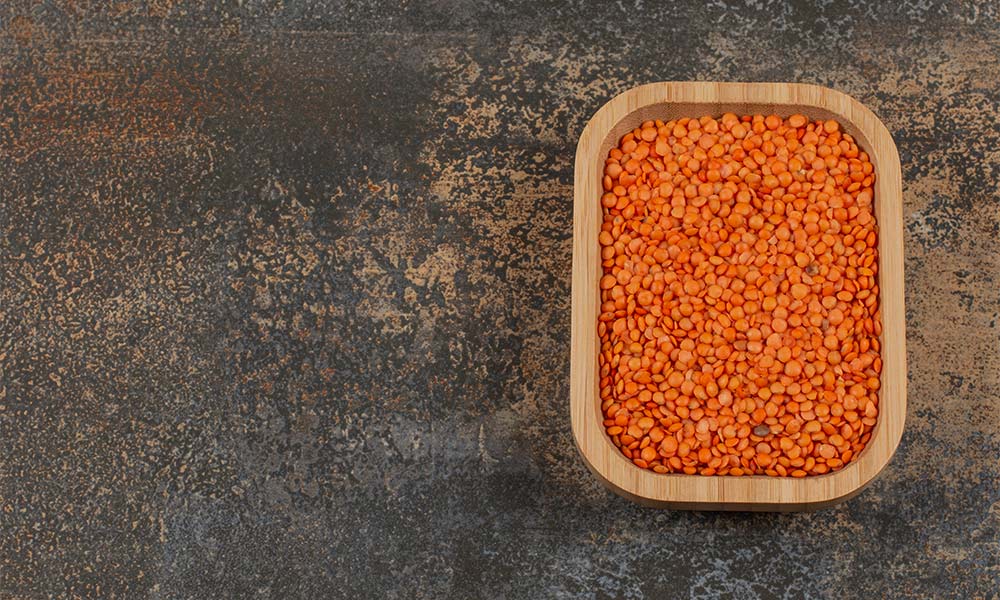
Halim, aliv, asaliya and garden cress seeds are different names for the tiny reddish-brown seeds of the plant Lepidium sativum. They are used in Indian kitchens, often soaked in milk or water, and in ladoos made for new mothers. The seeds contain iron, folate, fibre and protein, which is why they are linked with women's health.
Do halim seeds help with periods?
Here is what the seeds can and cannot do.
What they can do
- Add iron to your diet. Heavy periods use up iron stores, and a diet low in iron makes it worse. Halim seeds add to your daily iron intake.
- Add fibre. Soaked seeds swell into a gel that can ease constipation, which some women notice around their periods.
What they cannot do
- Regulate irregular periods. The seeds are used for this in traditional practice, but there is no strong human research showing they work. Irregular periods usually have a cause, such as PCOS, a thyroid problem, stress or low body weight, and that cause needs a proper check.
- Cure period pain or heavy bleeding. If pain or bleeding is affecting your life, a diet change is not enough.
If your cycles are irregular, read our page on PCOS (PMOS) and PCOD treatment. If you are worried about clots, see period blood clots and when to worry.
Halim seeds and iron deficiency
Iron from plants is absorbed less easily than iron from meat, so halim seeds help but rarely fix low haemoglobin on their own. To get more from them:
- Eat them with a source of vitamin C, such as lemon juice, amla or orange.
- Avoid tea or coffee within an hour of eating them, because both reduce iron absorption.
- Do not stop prescribed iron tablets. If you feel tired, breathless or look pale, get your haemoglobin and ferritin tested.
How to eat halim seeds
There is no medically fixed dose. A common household amount is one teaspoon (about 5 g) a day. Start with half a teaspoon for the first week and see how your stomach reacts.
- Soak the seeds in water, milk or coconut water for 2 to 4 hours, or overnight. They swell and turn gelatinous.
- Drink them in the liquid, or stir them into curd, porridge or a smoothie.
- Squeeze in a little lemon juice to help iron absorption.
Halim ladoos and kheer are also popular. They add sugar and ghee, so keep portions small if you are watching your weight or blood sugar.
Who should avoid halim seeds or ask a doctor first
- Pregnant women. The seeds are traditionally believed to stimulate the uterus, and there is not enough safety research in pregnancy. Avoid them unless your gynaecologist says otherwise. Read more in our guide to halim seeds in pregnancy and after delivery.
- Women with thyroid conditions. Garden cress belongs to the same plant family as cabbage and mustard, and large amounts may affect thyroid function.
- Women with diabetes on medicines. The seeds may lower blood sugar, so a dose change may be needed.
- Breastfeeding mothers. They are widely used after delivery, but ask your doctor first, especially if your baby has gas or loose stools.
- Anyone allergic to mustard or related seeds.
Side effects
Most people tolerate small amounts well. Larger amounts can cause bloating, gas, acidity or loose stools. Stop the seeds and speak to a doctor if you notice a rash, swelling of the lips or breathing difficulty, which can signal an allergy.
When to see a gynaecologist
Book a visit instead of relying on home remedies if any of these apply:
- Your cycle is shorter than 21 days or longer than 35 days, or it keeps changing.
- Your periods last more than 7 days, or you soak a pad every hour or two.
- You have missed three periods in a row and are not pregnant.
- Period pain is severe or stops you from working or studying.
- You feel constantly tired, dizzy or breathless.
Dr. Kavitha Lakshmi Easwaran sees patients for period problems at our clinic in Kasturi Nagar, Bangalore. You can read about our gynaecology care or book an appointment.
Frequently asked questions
Are halim seeds and aliv seeds the same?
Yes. Halim, aliv, asaliya and garden cress seeds are all names for the seeds of Lepidium sativum.
Can halim seeds regulate periods?
There is no strong evidence that they do. They are used traditionally, but irregular periods have causes such as PCOS and thyroid problems that need a proper check.
How many halim seeds can I eat in a day?
A common household amount is one teaspoon, soaked, once a day. There is no fixed medical dose, so start with half a teaspoon and stop if you get bloating.
Are halim seeds safe in pregnancy?
Avoid them unless your doctor says otherwise. They are traditionally believed to stimulate the uterus, and there is not enough safety research in pregnant women.
Do halim seeds increase haemoglobin?
They add iron to your diet, but plant iron is absorbed less well. If your haemoglobin is low, get tested and follow your doctor's advice on iron treatment.
This guide is general information and does not replace a medical consultation.
Speak to a gynaecologist about your own symptoms
This article is general health information and does not replace an examination. If your symptoms are severe, keep coming back, or you are unsure what they mean, you can see Dr. Kavitha Lakshmi Easwaran, Senior Consultant Obstetrician and Gynaecologist, at Sai Speciality Center in Kasturi Nagar, Bengaluru.
Related care at the clinic: Irregular Periods Treatment in Bangalore.
Book an appointment Call 80887 01001 Call 99019 25700
For heavy bleeding, severe pain, reduced baby movements or any emergency, call the clinic or go to the nearest hospital straight away.