Home >
Resources >
Menstrual Hygiene Day: Myths Bangalore Women Believe Today
Menstrual Hygiene Day: Myths Bangalore Women Believe Today
May 21, 2026Dr Kavitha Lakshmi Easwaran6 min read
Menstrual Hygiene Day: Myths Bangalore Women Believe Today
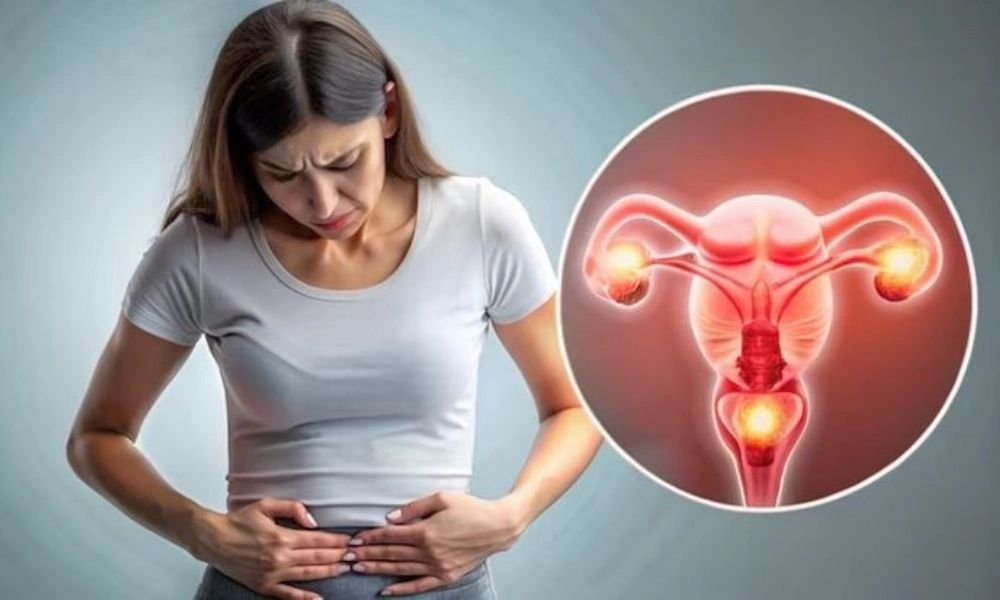
Menstrual hygiene is an important part of women’s health, yet many myths and misconceptions still exist even in modern cities like Bangalore. On Menstrual Hygiene Day, it is important to discuss the common myths women continue to believe and understand the facts behind safe menstrual care.
Lack of awareness, social stigma, and misinformation often prevent women from openly discussing periods and menstrual hygiene. These myths can affect physical health, emotional well-being, confidence, and even daily routines. Educating women about proper menstrual care helps improve health and removes unnecessary fear and shame around menstruation. Health experts at Sai Speciality Center also encourage open conversations about menstrual wellness and hygiene awareness among women of all age groups.
Why Menstrual Hygiene Awareness Matters
Good menstrual hygiene helps prevent infections, irritation, bad odor, and reproductive health complications.
Using clean sanitary products, changing them regularly, maintaining proper hygiene, and understanding menstrual health are essential for overall well-being. Awareness also helps women recognize abnormal symptoms that may need medical attention.
Common Menstrual Hygiene Myths Bangalore Women Still Believe
Despite better education and healthcare access, several myths continue to influence women’s daily habits and beliefs about menstruation.
Myth 1: Women Should Not Wash Hair During Their Periods
Many women are told that washing hair during their periods can increase bleeding or affect their health.
This is completely false. Maintaining personal hygiene, including bathing and washing hair, is important during menstruation. Warm baths may even help reduce cramps and improve comfort.
Myth 2: Period Blood Is Dirty Blood
Some people still believe menstrual blood is impure or toxic.
Menstrual blood is a natural biological process involving blood and tissue shed from the uterus. It is not “dirty blood,” and periods are a normal part of reproductive health.
Myth 3: Exercise Should Be Avoided During Periods
Many women avoid physical activity during menstruation because they think it worsens pain or bleeding.
In reality, light exercise, stretching, yoga, and walking may help improve blood circulation and reduce menstrual cramps, stress, and bloating.
Myth 4: Women Should Not Enter Kitchens or Temples
Cultural beliefs in many households still restrict women from entering kitchens or religious places during their periods.
Menstruation is a natural biological process and not a sign of impurity. Such restrictions are based on social myths rather than medical facts.
Myth 5: Changing Pads Frequently Is Not Necessary
Some women wear the same sanitary pad for long hours to save money or avoid inconvenience.
Not changing pads regularly may increase the risk of bacterial growth, skin irritation, bad odor, and infections. Sanitary pads should ideally be changed every 4 to 6 hours, depending on flow.
Myth 6: Irregular Periods Are Always Normal
Many women ignore irregular cycles, assuming stress or lifestyle changes are the only reasons.
While occasional changes may happen, persistent irregular periods can sometimes indicate PCOS, thyroid disorders, hormonal imbalance, or reproductive health conditions.
Common Menstrual Hygiene Mistakes Women Make
Certain hygiene mistakes may increase discomfort and infection risk during periods.
Common Mistake
Possible Risk
Wearing pads too long
Bacterial growth
Using scented products
Irritation and allergy
Poor intimate hygiene
Infection risk
Wearing tight clothing
Moisture buildup
Ignoring heavy bleeding
Delayed medical diagnosis
Awareness about these habits can help women maintain better menstrual health.
Importance of Choosing the Right Menstrual Products
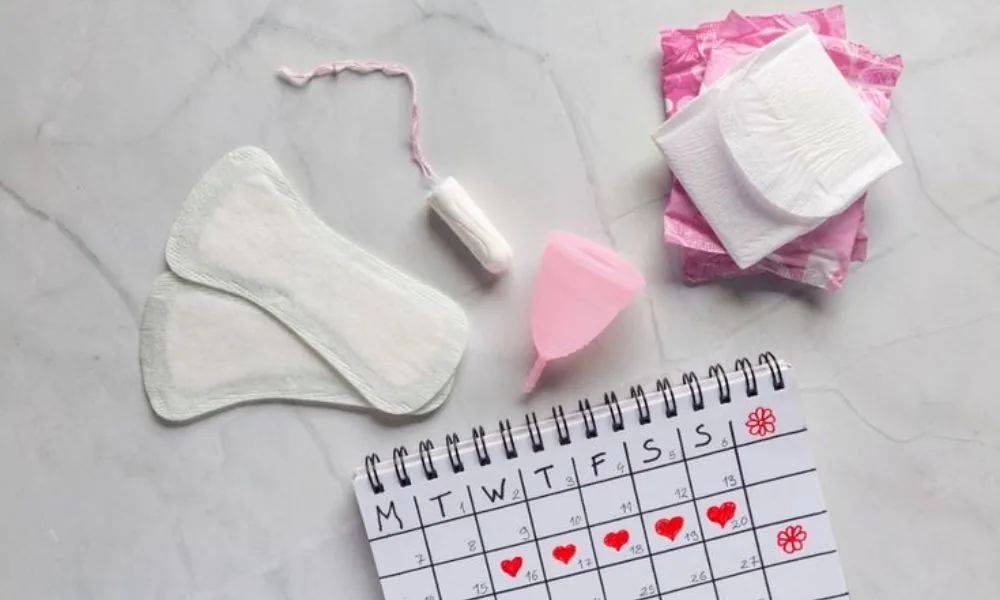
Women today have multiple menstrual hygiene options available, depending on comfort and lifestyle.
Sanitary Pads
Pads are commonly used and easy to access.
They should be changed regularly and disposed of safely to maintain hygiene and prevent infections.
Tampons
Tampons are inserted inside the vagina and may offer comfort during travel or exercise.
They should be changed within the recommended hours to reduce infection risk.
Menstrual Cups
Menstrual cups are reusable and eco-friendly alternatives.
They may be cost-effective over time and can safely hold menstrual flow for longer durations when used properly.
Period Panties
Period underwear is becoming increasingly popular among younger women.
These products are designed to absorb menstrual flow and may provide additional comfort during lighter flow days.
Signs of Poor Menstrual Hygiene
Women should pay attention to symptoms that may suggest irritation or infection.
Symptom
Possible Concern
Bad odor
Infection or poor hygiene
Itching or burning
Irritation or fungal infection
Rashes
Prolonged moisture exposure
Unusual discharge
Vaginal infection
Severe pain
Underlying health issue
Ignoring these symptoms may worsen discomfort and delay treatment.
How Bangalore Women Can Improve Menstrual Hygiene
Simple daily habits can help women maintain better menstrual health and comfort.
Change Menstrual Products Regularly
Pads, tampons, and menstrual cups should be cleaned or replaced as recommended.
Regular changes reduce bacterial growth and skin irritation.
Wash Hands Properly
Always wash your hands before and after changing menstrual products.
This helps prevent infection and maintains intimate hygiene.
Wear Comfortable Clothing
Loose and breathable cotton clothing helps reduce sweating and irritation during periods.
Avoid staying in wet or sweaty clothes for long periods.
Stay Hydrated and Eat Healthy Foods
Drinking enough water and eating nutritious foods may help reduce bloating and fatigue.
Iron-rich foods, fruits, vegetables, and whole grains support energy levels during menstruation.
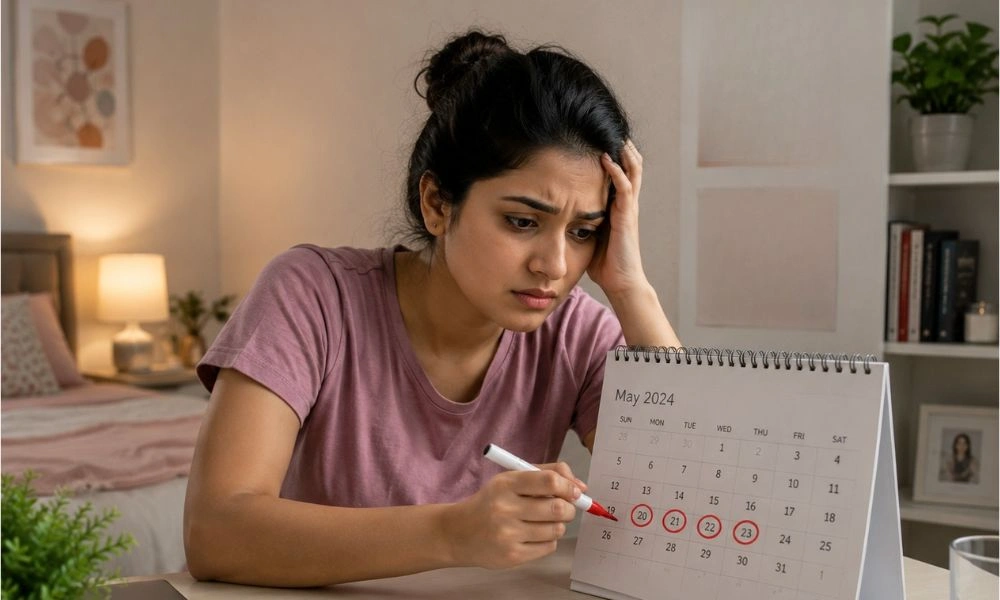
Track Your Menstrual Cycle
Monitoring periods helps women identify irregularities early.
Apps or simple calendars can help track cycle length, symptoms, and bleeding patterns. Doctors at Sai Speciality Center also advise women to seek medical guidance if they notice severe pain, unusually heavy bleeding, or persistent irregular cycles.
Menstrual Hygiene and Mental Health
Periods can affect emotional well-being due to hormonal fluctuations and social stigma.
Women may experience stress, mood swings, embarrassment, or anxiety during menstruation. Open conversations and better awareness can help normalize periods and improve confidence.
Why Menstrual Hygiene Awareness Is Still Needed
Even in urban cities, many women and young girls still lack proper menstrual education.
Awareness campaigns, school education, workplace support, and family discussions can help remove stigma and encourage healthier menstrual practices.
Final Thoughts
On Menstrual Hygiene Day, it is important to challenge outdated myths and encourage accurate menstrual health education. Many misconceptions still influence how women manage periods, even in modern cities like Bangalore.
Good menstrual hygiene is not just about cleanliness; it is closely connected to physical health, emotional well-being, confidence, and dignity. Open conversations and awareness can help women make healthier and more informed choices.
FAQs
1. How often should sanitary pads be changed? Sanitary pads should generally be changed every 4 to 6 hours, depending on menstrual flow.
2. Is it safe to exercise during periods? Yes, light exercise and yoga may help reduce cramps, stress, and bloating during menstruation.
3. Can poor menstrual hygiene cause infections? Yes, wearing menstrual products for too long or having poor hygiene habits may increase infection risk.
4. Are irregular periods always normal? No, persistent irregular periods may sometimes indicate hormonal imbalance or reproductive health issues.
5. Is menstrual blood considered dirty? No, menstrual blood is a natural part of the body’s reproductive process and is not dirty or impure.
6. Which menstrual product is best? The best menstrual product depends on personal comfort, lifestyle, hygiene habits, and medical needs.
We provide the highest level of satisfaction, care & services to our patients.
Book your consultation appointment with Dr. Kavitha Lakshmi Easwaran at Sai Speciality Center, Kasturi Nagar, Bangalore.
We provide the highest level of satisfaction, care & services to our patients.
Book your consultation appointment with Dr. Kavitha Lakshmi Easwaran at Sai Speciality Center, Kasturi Nagar, Bangalore.
✦ Our Resources
Trusted Resources for Your Well-Being
August 11, 2026
Pregnancy Vaccination Schedule Near Marathahalli: Which Vaccines Are Needed and When?