Cervical Length Scan in Pregnancy: Why It Matters Most Now
Cervical Length Scan in Pregnancy: Why It Matters Most Now
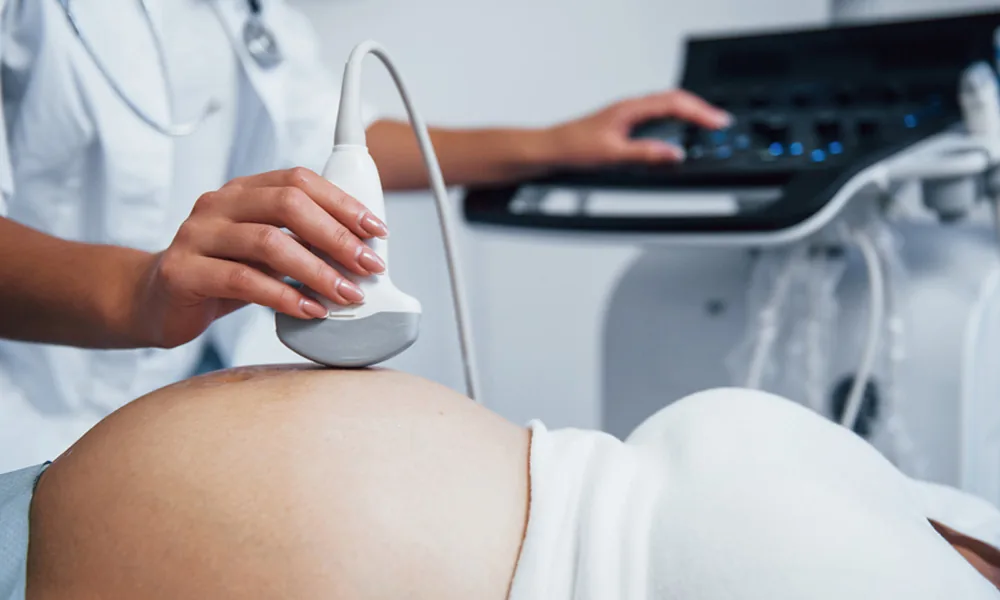
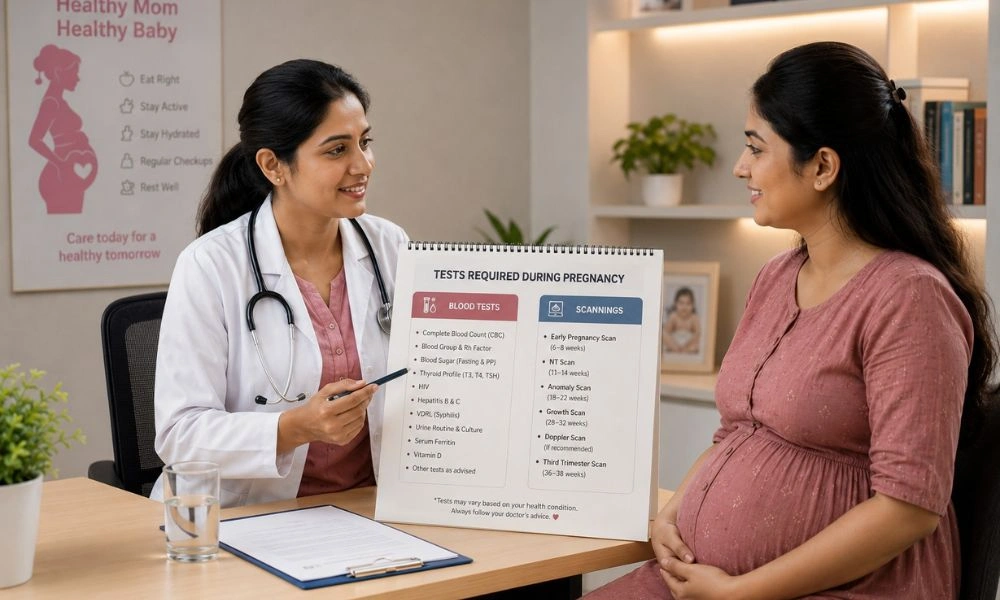
Pregnancy involves several important scans and health checkups that help monitor both the mother and the baby. One such important test is the cervical length scan, which helps doctors assess the risk of preterm labor and pregnancy complications.
Many women may not know about this scan until their doctor recommends it during pregnancy. A cervical length scan is especially important for women with previous miscarriages, preterm birth history, multiple pregnancies, or symptoms like pelvic pressure and abdominal pain. Early detection through this scan can help doctors take preventive steps to support a healthier pregnancy. Specialists at Sai Speciality Center often recommend timely cervical monitoring for women with high-risk pregnancies.
What Is a Cervical Length Scan?
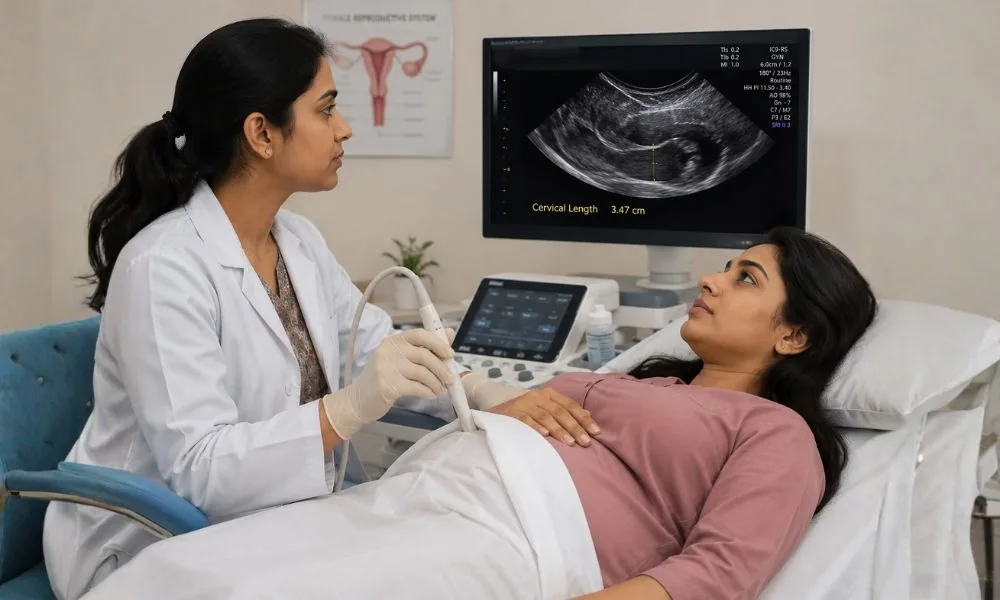
A cervical length scan is an ultrasound test used to measure the length of the cervix during pregnancy.
The cervix is the lower part of the uterus that connects to the vagina. During pregnancy, the cervix usually stays long and closed until labor begins. If the cervix becomes shorter too early, it may increase the risk of premature birth.
This scan helps doctors identify women who may need additional monitoring or treatment to reduce pregnancy risks.
Why Cervical Length Matters During Pregnancy
The cervix plays an important role in holding the baby safely inside the uterus throughout pregnancy.
A healthy cervix remains firm and closed until the body prepares for labor. If the cervix shortens or opens too early, it can lead to preterm labor, miscarriage, or early delivery.
Measuring cervical length helps doctors understand whether the pregnancy is progressing safely and whether preventive care is needed.
When Is a Cervical Length Scan Done?
A cervical length scan is usually performed during the second trimester, most commonly between 16 and 24 weeks of pregnancy.
In some cases, doctors may recommend earlier or repeated scans if the woman has high-risk pregnancy factors or symptoms suggesting cervical weakness.
Women with previous pregnancy complications often need closer cervical monitoring during pregnancy.
Who Needs a Cervical Length Scan the Most?
While many pregnant women may undergo this scan as part of routine monitoring, some women may need it more urgently.
Women with Previous Preterm Birth
Women who have delivered a baby prematurely in the past have a higher risk of recurrent preterm labor.
Regular cervical length monitoring helps doctors identify early cervical changes before symptoms appear.
Women with a History of Miscarriage
Certain second-trimester miscarriages may happen due to cervical weakness.
A cervical length scan helps doctors assess whether the cervix is shortening too early during pregnancy.
Multiple Pregnancy (Twins or Triplets)
Women carrying twins or triplets have increased pressure on the cervix.
This may raise the chances of early cervical shortening and premature delivery.
Women with Pelvic Pressure or Pain
Symptoms like lower abdominal pressure, back pain, or unusual vaginal discharge may sometimes indicate cervical changes.
Doctors may recommend an immediate cervical scan to rule out early labor risks.
Women with Uterine or Cervical Procedures
Previous surgeries involving the cervix or uterus may affect cervical strength during pregnancy.
These women may require additional monitoring throughout pregnancy.
How Is the Cervical Length Scan Performed?
The scan is usually done using a transvaginal ultrasound because it provides the clearest and most accurate cervical measurements.
During the procedure:
| Step | What Happens | ||
|---|---|---|---|
| Preparation | The woman lies comfortably during the scan | ||
| Ultrasound probe | A thin probe is gently inserted into the vagina | ||
| Cervical measurement | Cervix length is measured on the screen | Results | The doctor evaluates risk based on cervical size |
The procedure is generally safe, quick, and not harmful to the baby.
What Is Considered a Normal Cervical Length?
Cervical length may vary depending on the stage of pregnancy.
| Cervical Length | Interpretation |
|---|---|
| More than 25 mm | Usually considered normal |
| Less than 25 mm | Increased risk of preterm birth |
| Very short cervix | May require urgent medical care |
Doctors interpret results based on pregnancy stage, symptoms, and medical history.
What Happens If the Cervix Is Too Short?
A short cervix does not always mean preterm labor will happen, but it does increase the risk.
Doctors may recommend preventive treatments such as:
Progesterone Treatment
Progesterone may help support the cervix and reduce the risk of early labor in some women.
This treatment is commonly recommended for women with a short cervix during pregnancy.
Cervical Cerclage
In some high-risk cases, doctors may place stitches around the cervix to help keep it closed.
This procedure is called cervical cerclage and may help prevent early pregnancy loss or premature birth.
Activity Modification
Doctors may advise reducing physical strain, heavy lifting, or excessive standing.
Some women may also need closer pregnancy monitoring and more frequent scans.
Signs That Need Immediate Medical Attention
Pregnant women should seek medical care immediately if they experience:
- Pelvic pressure
- Lower abdominal cramps
- Vaginal bleeding
- Fluid leakage
- Back pain
- Regular contractions
- Sudden increase in discharge
These symptoms may indicate cervical changes or preterm labor risk.
Can a Cervical Length Scan Prevent Preterm Birth?
The scan itself does not prevent preterm birth, but it helps identify women at higher risk early.
Early detection allows doctors to provide timely treatment, monitoring, and pregnancy support that may improve outcomes for both mother and baby.
Is the Cervical Length Scan Safe During Pregnancy?
Yes, cervical length scans are generally considered safe during pregnancy.
Transvaginal ultrasound does not harm the baby and is widely used because it provides accurate cervical measurements. The procedure is usually painless, though some women may feel mild discomfort during the scan.
Tips for a Healthy Pregnancy and Cervical Health
Healthy pregnancy habits may help support overall maternal and cervical health.
Attend Regular Prenatal Checkups
Routine pregnancy visits help doctors monitor both maternal and fetal health closely.
Early detection of complications improves treatment outcomes.
Avoid Excess Physical Strain
Heavy lifting and excessive physical stress may increase discomfort in high-risk pregnancies.
Women with cervical weakness may require additional precautions.
Eat a Balanced Diet
Nutritious foods support overall pregnancy health and immunity.
Include protein, fruits, vegetables, calcium-rich foods, and hydration in daily meals.
Manage Stress and Sleep Well
Stress and poor sleep can negatively affect overall health during pregnancy.
Proper rest and emotional support are important for maternal well-being. Doctors at Sai Speciality Center also advise pregnant women to immediately report unusual symptoms like pelvic pressure or fluid leakage for timely medical care.
Final Thoughts
A cervical length scan is an important pregnancy test that helps doctors identify the risk of preterm labor and cervical weakness early. For many women, especially those with high-risk pregnancies, this scan plays a major role in protecting both mother and baby.
Early monitoring, timely treatment, and regular prenatal care can significantly improve pregnancy outcomes. Women should never ignore symptoms like pelvic pressure, pain, or unusual discharge during pregnancy and should seek medical advice promptly.
FAQs
1. Why is a cervical length scan done during pregnancy?
The scan helps measure the cervix and identify the risk of preterm labor or cervical weakness.
2. When is the cervical length scan usually performed?
It is commonly done between 16 and 24 weeks of pregnancy, especially in high-risk pregnancies.
3. Is a cervical length scan safe for the baby?
Yes, a transvaginal ultrasound used for cervical measurement is generally safe during pregnancy.
4. What is considered a short cervix in pregnancy?
A cervical length below 25 mm may increase the risk of preterm birth and require medical monitoring.
5. Can a short cervix be treated during pregnancy?
Yes, treatments like progesterone therapy, cervical cerclage, and monitoring may help reduce pregnancy risks.
6. Which symptoms should not be ignored during pregnancy?
Pelvic pressure, abdominal cramps, bleeding, fluid leakage, and regular contractions require immediate medical attention.