Hypothyroidism in Women: Hidden Signs You Are Missing Daily
Hypothyroidism in Women: Hidden Signs You Are Missing Daily
Many women experience constant tiredness, weight gain, hair fall, mood changes, or irregular periods without realizing that these symptoms may be linked to hypothyroidism. Because the signs develop slowly, they are often ignored or mistaken for stress, aging, or lifestyle problems.
Hypothyroidism is a common thyroid disorder where the thyroid gland does not produce enough hormones needed for the body’s normal functions. Women are more likely to develop hypothyroidism than men, especially during their 30s and 40s. Early diagnosis and treatment are important because untreated hypothyroidism can affect metabolism, heart health, fertility, and overall well-being. Specialists at Sai Speciality Center often advise women not to ignore persistent symptoms like fatigue, hair fall, and irregular periods, as early thyroid diagnosis can improve long-term health outcomes.
What Is Hypothyroidism?
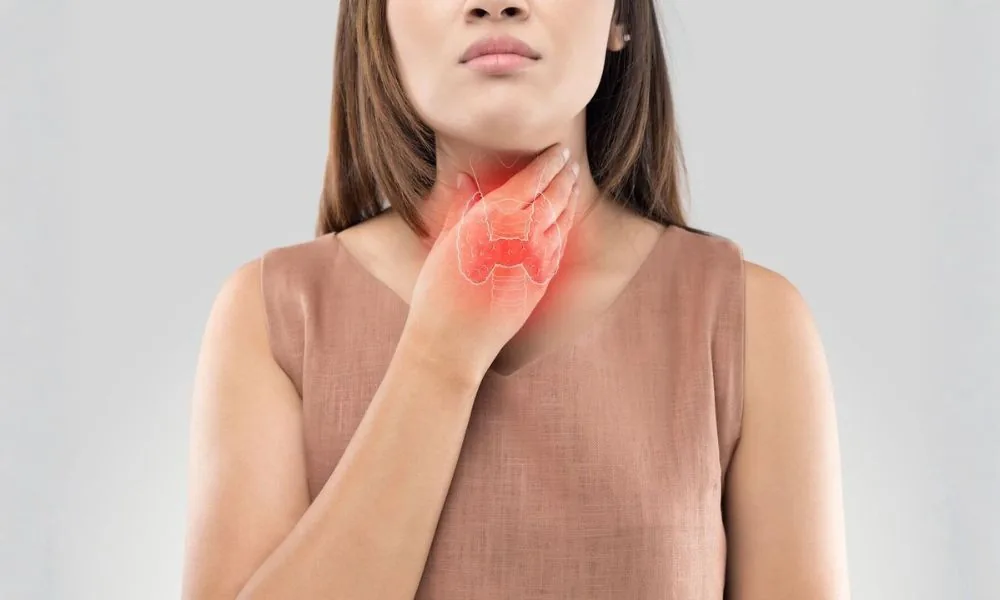
Hypothyroidism is a condition in which the thyroid gland becomes underactive and produces low levels of thyroid hormones.
The thyroid gland is located in the front of the neck and controls important body functions like metabolism, energy production, temperature regulation, and heart rate. When thyroid hormone levels drop, many body systems begin to slow down.
Why Hypothyroidism Is Common in Women
Women are more likely to develop thyroid disorders because hormonal changes can directly affect thyroid function.
Pregnancy, menopause, stress, autoimmune disorders, and family history can increase the risk of hypothyroidism. In India, thyroid disorders are becoming increasingly common due to lifestyle changes, nutritional deficiencies, and stress-related health issues.
Hidden Signs of Hypothyroidism Women Often Ignore
Many symptoms of hypothyroidism develop gradually and may seem like normal everyday problems. Recognizing these signs early can help prevent complications.
Constant Fatigue and Low Energy
Feeling tired all the time, even after proper rest, is one of the most common signs of hypothyroidism.
Low thyroid hormone levels slow down the body’s metabolism, making women feel weak, sleepy, and physically exhausted throughout the day. Simple daily activities may start feeling difficult or draining.
Unexplained Weight Gain
Many women gain weight despite eating normally or exercising regularly.
A slow metabolism caused by hypothyroidism makes the body burn fewer calories. Fluid retention and hormonal imbalance may also contribute to sudden or gradual weight gain, especially around the face and abdomen.
Hair Fall and Dry Skin
Excessive hair fall, thinning hair, and dry skin are common symptoms of low thyroid function.
Thyroid hormones help maintain healthy skin and hair growth. When hormone levels decrease, the skin may become rough and dry, while hair becomes weak, brittle, or thin.
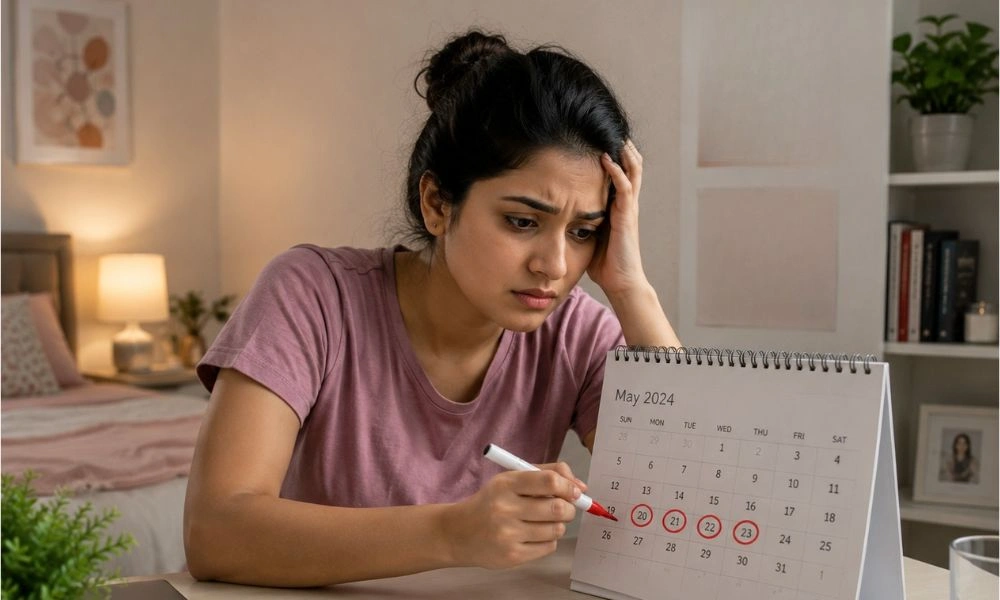
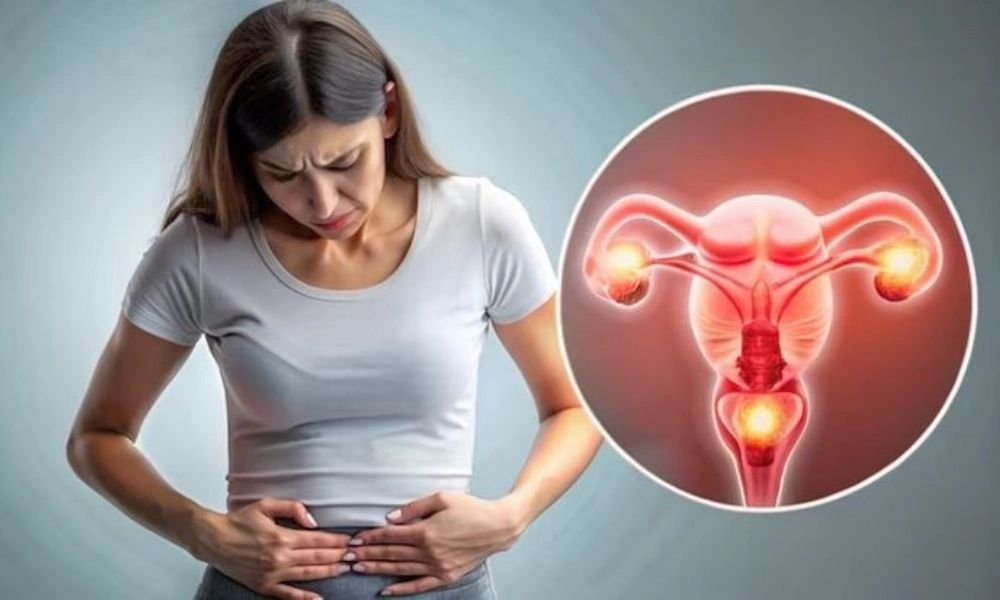
Irregular Periods and Fertility Problems
Hypothyroidism can affect menstrual cycles and reproductive health in women.
Periods may become heavy, irregular, or more painful than usual. Some women may also experience difficulty conceiving due to a hormonal imbalance affecting ovulation.
Depression and Mood Changes
Low thyroid hormone levels can affect emotional and mental health.
Women with hypothyroidism may experience mood swings, anxiety, sadness, irritability, or symptoms similar to depression. Mental health symptoms are often overlooked because they develop gradually.
Brain Fog and Poor Concentration
Many women struggle with forgetfulness, confusion, or lack of focus due to hypothyroidism.
Simple tasks may take longer to complete, and concentration levels may drop significantly. This mental fog can affect work performance and daily productivity.
Sensitivity to Cold
Women with hypothyroidism often feel unusually cold even when others feel comfortable.
A slower metabolism reduces the body’s ability to generate heat, leading to cold hands, cold feet, and overall discomfort in cooler temperatures.
Swelling in the Face and Neck
Some women may notice puffiness in the face or swelling around the neck area.
In certain cases, the thyroid gland itself may enlarge, causing a condition called goiter. This may create discomfort or visible swelling near the throat.
Common Causes of Hypothyroidism in Women
Several health and lifestyle factors can increase the risk of developing hypothyroidism.
| Cause | How It Affects Thyroid Health |
|---|---|
| Autoimmune disorders | Attack thyroid gland function |
| Family history | Increases genetic risk |
| Iodine deficiency | Affects hormone production |
| Stress | Disturbs hormone balance |
| Pregnancy-related changes | Can trigger thyroid imbalance |
| Certain medications | May reduce thyroid activity |
Understanding these causes can help women identify risk factors early.
How Hypothyroidism Affects Daily Life
Untreated hypothyroidism can slowly affect physical, emotional, and mental health.
Reduced Work Productivity
Fatigue, poor focus, and low energy levels can reduce efficiency at work and make daily tasks difficult.
Women may feel mentally exhausted even after completing simple activities.
Increased Risk of Other Health Problems
Untreated hypothyroidism may increase the risk of high cholesterol, obesity, heart disease, and fertility issues.
Long-term thyroid imbalance can also affect metabolism and overall hormone health.
Sleep Disturbances
Some women experience excessive sleepiness, while others struggle with poor-quality sleep and tiredness throughout the day.
Sleep problems combined with fatigue can negatively affect mental and physical health.
Difference Between Normal Tiredness and Hypothyroidism
| Symptom | Normal Tiredness | Hypothyroidism |
|---|---|---|
| Fatigue | Temporary | Persistent |
| Weight gain | Lifestyle-related | Hormone-related |
| Hair fall | Mild | Excessive |
| Mood changes | Occasional | Frequent |
| Feeling cold | Rare | Common |
| Brain fog | Temporary stress | Ongoing |
This comparison helps women understand when symptoms may need medical evaluation.
Best Ways to Manage Hypothyroidism
Hypothyroidism can usually be managed effectively with proper treatment and lifestyle changes.
Take Thyroid Medication Regularly
Doctors often prescribe thyroid hormone replacement medication to balance hormone levels.
Taking medication consistently and at the correct time is important for effective treatment.
Eat a Balanced Diet
A healthy diet supports metabolism and overall thyroid health.
Include foods rich in iodine, selenium, iron, and protein, such as eggs, nuts, fish, dairy products, and leafy vegetables.
Exercise Regularly
Physical activity helps improve energy levels, metabolism, and weight management.
Walking, yoga, stretching, and strength training can help women feel more active and reduce fatigue.
Reduce Stress Levels
Stress can worsen hormonal imbalance and thyroid symptoms.
Meditation, breathing exercises, proper sleep, and relaxation activities can help support emotional well-being.
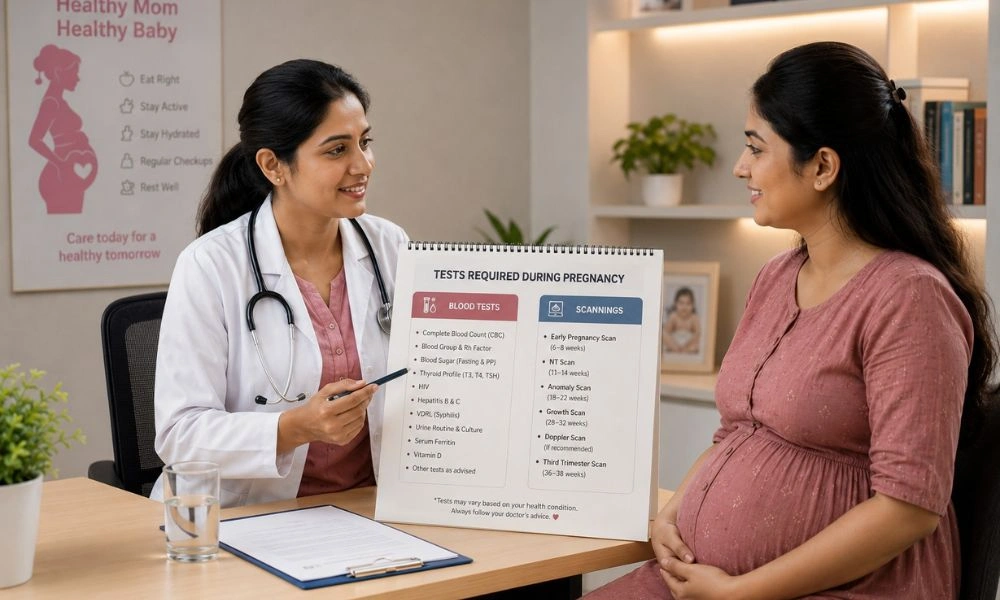
Get Regular Thyroid Tests
Routine thyroid function tests help monitor hormone levels and treatment effectiveness.
Regular checkups can help prevent complications and ensure better long-term thyroid management. Women experiencing persistent thyroid-related symptoms can also consult experts at Sai Speciality Center for proper evaluation and personalized women’s healthcare support.
Foods That Support Thyroid Health
| Food Type | Benefits |
|---|---|
| Iodized salt | Supports thyroid hormone production |
| Nuts and seeds | Rich in selenium |
| Eggs | Good source of protein and iodine |
| Leafy vegetables | Support overall hormone health |
| Fish | Contains omega-3 and iodine |
| Dairy products | Support metabolism and bone health |
Eating nutrient-rich foods can help support thyroid function naturally.
When Should You See a Doctor?
Women should consult a doctor if they experience persistent fatigue, unexplained weight gain, heavy periods, severe hair loss, or swelling in the neck.
Early diagnosis through thyroid blood tests can help prevent complications and improve overall quality of life.
Final Thoughts
Hypothyroidism is one of the most commonly ignored hormonal disorders in women. Symptoms often appear slowly and are mistaken for stress, aging, or lifestyle-related fatigue.
Recognizing the hidden signs early and seeking medical guidance can help women manage symptoms effectively. With proper treatment, healthy eating, regular exercise, and stress management, most women with hypothyroidism can lead healthy and active lives.
FAQs
1. What are the early signs of hypothyroidism in women?
Fatigue, weight gain, hair fall, dry skin, irregular periods, and mood changes are common early signs of hypothyroidism.
2. Can hypothyroidism cause weight gain?
Yes, low thyroid hormone levels slow metabolism and can lead to gradual weight gain and fluid retention.
3. Does hypothyroidism affect menstrual cycles?
Yes, hypothyroidism can cause irregular, heavy, or painful periods due to hormonal imbalance.
4. Which foods are good for thyroid health?
Foods rich in iodine, selenium, protein, and iron, like eggs, fish, nuts, and leafy vegetables, support thyroid health.
5. Can stress worsen hypothyroidism symptoms?
Yes, chronic stress may affect hormone balance and worsen fatigue, anxiety, and thyroid-related symptoms.
6. How is hypothyroidism diagnosed?
Doctors usually diagnose hypothyroidism through thyroid blood tests such as TSH, T3, and T4 levels.