
Heavy Periods: Causes, Tests and Treatment
Most women have no reliable way of knowing whether their periods are heavy. There is nothing to compare against, periods are not often discussed in detail, and a pattern you have lived with since your teens comes to feel normal simply because it is familiar. Many women are told, by family or by a previous doctor, that heavy bleeding is just how some women are made.
That is worth questioning. Heavy menstrual bleeding is common, it usually has a findable cause, and most causes have treatment that does not begin with surgery. Sai Speciality Center provides assessment and treatment for heavy periods in Kasturi Nagar, Bengaluru, with Dr. Kavitha Lakshmi Easwaran.
What Counts as a Heavy Period
The medical definition used to be a measured volume of blood loss, which was never much use to anyone outside a research study. The definition that matters now is simpler: bleeding heavy enough to interfere with your life. If you are planning your work, your travel or your clothing around your period, it is heavy enough to assess.
In practice, these are the things that bring women in.
- Changing a pad or tampon every hour or two, for several hours
- Needing a pad and a tampon together, or doubling up at night
- Passing clots larger than a two-rupee coin
- Bleeding for more than seven days
- Waking at night to change, or waking to find you have flooded through
- Feeling exhausted, breathless on stairs, or dizzy around your period
Any one of these is reason enough to book. You do not need several, and you do not need to have measured anything.
Why It Happens
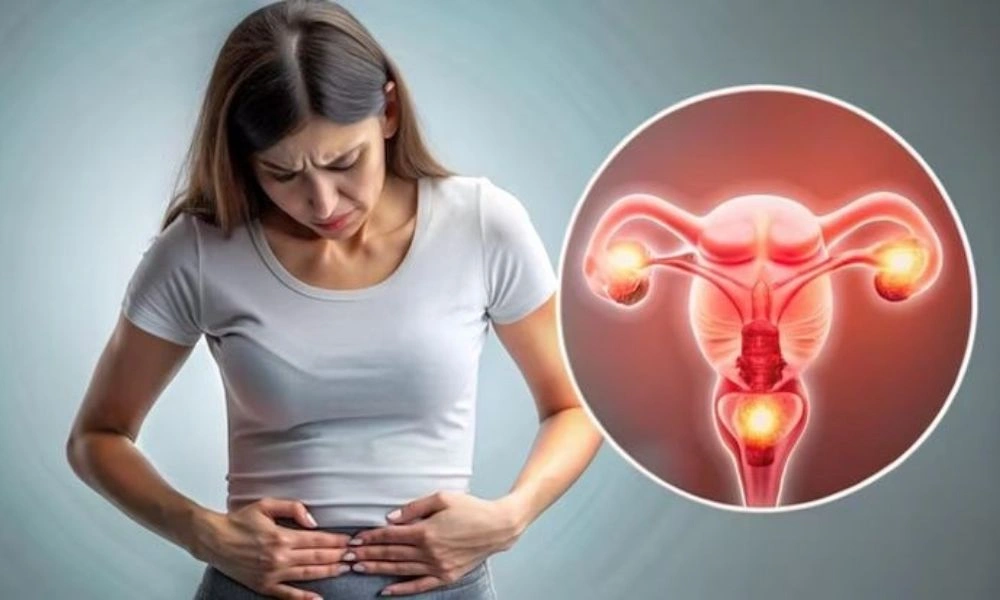
Heavy bleeding is a symptom rather than a diagnosis, and the point of the appointment is to find out which cause is yours. Several of them are common and most are treatable.
Fibroids and adenomyosis
Fibroids are benign growths of muscle in the wall of the uterus, and they are very common. Whether they cause heavy bleeding depends less on their size than on their position, which is why a large fibroid can cause no trouble at all while a small one sitting just under the lining causes a great deal. See fibroid treatment for what can be done about them.
Adenomyosis is the related condition in which the lining tissue grows into the muscle wall itself. It tends to produce heavy periods together with increasing pain and a feeling of pressure, and it is often missed for years because the symptoms are put down to ordinary period pain.
Hormonal causes
If you are not ovulating regularly, the lining of the uterus builds up for longer than it should and sheds unpredictably and heavily when it finally does. This is the usual mechanism behind heavy bleeding in PCOS and PCOD, and it is also common in the years approaching menopause, when cycles become erratic before they stop. Where the main problem is unpredictable timing rather than volume, see irregular periods treatment.
Polyps and the lining of the womb
Small benign growths on the lining can cause heavy bleeding and bleeding between periods. Changes in the lining itself can do the same. These are the findings that make an assessment worth doing properly rather than treating the symptom blindly, particularly after the age of forty.
Thyroid problems and bleeding disorders
An underactive thyroid can cause heavy periods, and it is easily tested and easily treated. Hypothyroidism is frequently missed in women because its other symptoms are vague.
A mild inherited bleeding disorder is worth considering if your periods have been heavy since your very first one, or if you also bruise easily, bleed for a long time from small cuts, or had heavy bleeding after a dental extraction or childbirth. This is more common than most people realise and is often first identified by a gynaecologist rather than by anyone else.
Your contraception
A copper intrauterine device commonly makes periods heavier, particularly in the first several months. That is expected rather than alarming, but if it has not settled, it is a reasonable thing to review. Hormonal methods usually make periods lighter instead. See contraception and family planning.
The Part That Usually Gets Missed
Heavy periods, month after month, deplete iron. Iron deficiency is already common among Indian women before any of this begins, and losing more every cycle than you absorb makes it steadily worse.
The result is attributed to almost anything else. Tiredness is put down to work. Breathlessness on the stairs is put down to being unfit. Hair fall, poor concentration, cold hands, a craving for ice are rarely connected to periods at all. Because it develops slowly, there is no point at which you notice feeling worse, which is exactly why it goes untreated for years.
A haemoglobin and ferritin test answers it. If you take one thing from this page, let it be that heavy periods are a reason to have your iron checked, even if you feel broadly well.
What Happens at the Appointment
The consultation starts with your history, because it narrows things down faster than any test: how long this has been going on, how your cycle runs, what you are soaking through, whether there is pain, and whether you are bleeding at other times.
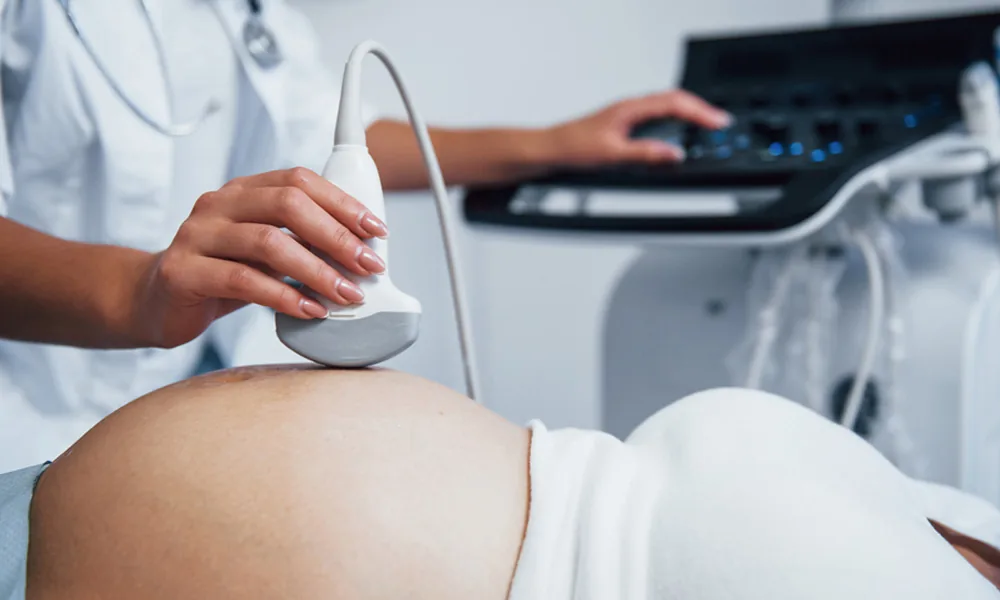
An examination follows, including an internal examination. Blood tests usually include a full blood count, ferritin and thyroid function, and the laboratory is in the same building. A pelvic ultrasound looks for fibroids, adenomyosis, polyps and the thickness of the lining.
Depending on your age and what is found, a biopsy of the lining may be advised. This is a brief procedure, taken at the clinic during a consultation, and it is done to be certain about what the lining is doing rather than because anything alarming is suspected.
Bring the dates of your last few periods if you have them, and a list of any medicines you take.
Treatment
Treatment depends on the cause, on whether you want a pregnancy in future, and on how much you want to be reminded of it day to day. Almost nobody needs to start with surgery.
| Option | What it involves | Suits you if |
|---|---|---|
| Tranexamic acid | Tablets taken only on your heavy days | You want no hormones and nothing daily |
| Anti-inflammatory tablets | Taken during the period; help pain as well as flow | Cramping is part of the problem |
| Hormonal intrauterine system | A small device fitted at the clinic, lasting years | You want the biggest reduction with least daily effort |
| Combined pill or progestogens | Daily or cyclical tablets | You also want contraception or cycle control |
| Treating the cause | Thyroid correction, PCOS management, iron replacement | Tests point to a specific cause |
| Surgery | Fibroid removal or hysterectomy | Medical treatment has not worked, or fibroids are large |
Starting with medicines
Tranexamic acid reduces blood loss substantially and is taken only on the days you are bleeding, so there is nothing to remember the rest of the month and no effect on your hormones or your fertility. For many women it is enough on its own.
A hormonal intrauterine system is the most effective non-surgical treatment available for heavy bleeding. It is placed inside the uterus, releases a small amount of progestogen locally rather than throughout the body, and usually makes periods much lighter. Periods can be irregular for the first few months while it settles. It lasts several years, it works as contraception at the same time, and fertility returns quickly after removal.
Iron is treated alongside whatever else is done. Stopping the loss does not refill the stores on its own.
If surgery is needed
Where fibroids are the cause and are large, or where medical treatment has been given a fair trial without success, surgery is discussed. That may mean removing the fibroids and keeping the uterus, which matters if you may want to conceive, or it may mean hysterectomy where a family is complete and nothing else has worked. Many procedures can be done laparoscopically, with a shorter recovery.
Dr. Kavitha performs these operations herself at Rainbow Hospitals, HRBR Layout, where she is a senior consultant. The person who assessed you is the person who operates, and the same person sees you afterwards.
Bleeding That Should Not Wait
Heavy periods can usually be assessed at an ordinary appointment. The following are different, and should be seen promptly rather than at your convenience.
- Any bleeding after menopause
- Bleeding after intercourse, or between periods
- Soaking through protection every hour with dizziness or breathlessness
- Heavy bleeding with fever, or with severe one-sided pain
- Any chance that you are pregnant
These have many explanations and most are not serious, but they need assessment rather than a treatment aimed at reducing flow.
Frequently Asked Questions
How do I know if my periods are actually heavy?
If you are changing protection every hour or two, passing clots bigger than a two-rupee coin, bleeding beyond seven days, or planning your days around your period, that is heavy. You do not need to measure anything to justify an appointment.
Are heavy periods dangerous?
The bleeding itself is rarely dangerous, but the iron deficiency it causes is a genuine problem and is very often missed. The other reason to come in is to identify the cause, since conditions like fibroids and adenomyosis tend to progress while they are ignored.
Will I need a hysterectomy?
Almost certainly not. Hysterectomy is the last option, not the first, and most women are treated successfully with tablets or a hormonal device. It is discussed only when other treatment has failed and a family is complete.
Can heavy periods affect my chances of getting pregnant?
Heavy bleeding on its own does not prevent pregnancy, but some of its causes can affect fertility, particularly fibroids in certain positions and the hormonal problems behind irregular ovulation. If you are planning a pregnancy, say so at the consultation, because it changes which treatments are suitable.
Can I treat heavy periods at home?
Diet and rest will not change the volume of bleeding, though iron-rich food helps alongside treatment. Home measures have a limited role, and using them for months instead of having the cause assessed is how anaemia becomes severe.
Are large clots normal?
Small clots are common. Clots bigger than a two-rupee coin, especially with heavy flow, suggest your bleeding is heavier than it should be. Period blood clots are explained here in more detail.
My periods have been heavy since I was a teenager. Is that different?
It can be. Heavy bleeding from the very first period, particularly alongside easy bruising or prolonged bleeding after dental work or childbirth, raises the possibility of a mild inherited bleeding disorder. Mention it, because it changes which tests are done.
Where can I get treatment for heavy periods in Kasturi Nagar?
Sai Speciality Center is at 201-1, 1st A Cross, 2nd Main Road, East of NGEF Layout, Kasturi Nagar, Bengaluru, Karnataka 560043, with a laboratory and pharmacy in the same building. Dr. Kavitha Lakshmi Easwaran consults Monday to Saturday. Call 80887 01001 to book.