Infertility Awareness Month: First Steps Guide for Couples

Understanding Infertility and Why Awareness Matters
World Infertility Awareness Month helps bring attention to the emotional, physical, and medical challenges faced by couples struggling to conceive. Infertility affects millions of couples worldwide, yet many people still hesitate to talk openly about it due to stress, stigma, and misinformation.
Infertility is generally defined as the inability to achieve pregnancy after one year of regular unprotected intercourse. For women above 35 years of age, doctors may recommend evaluation after six months of trying. Early awareness helps couples seek timely medical support and better understand available fertility treatment options.
Common Causes of Infertility in Couples
Infertility can affect both men and women, and in many cases, multiple factors may contribute to difficulty conceiving.
Female Fertility Problems
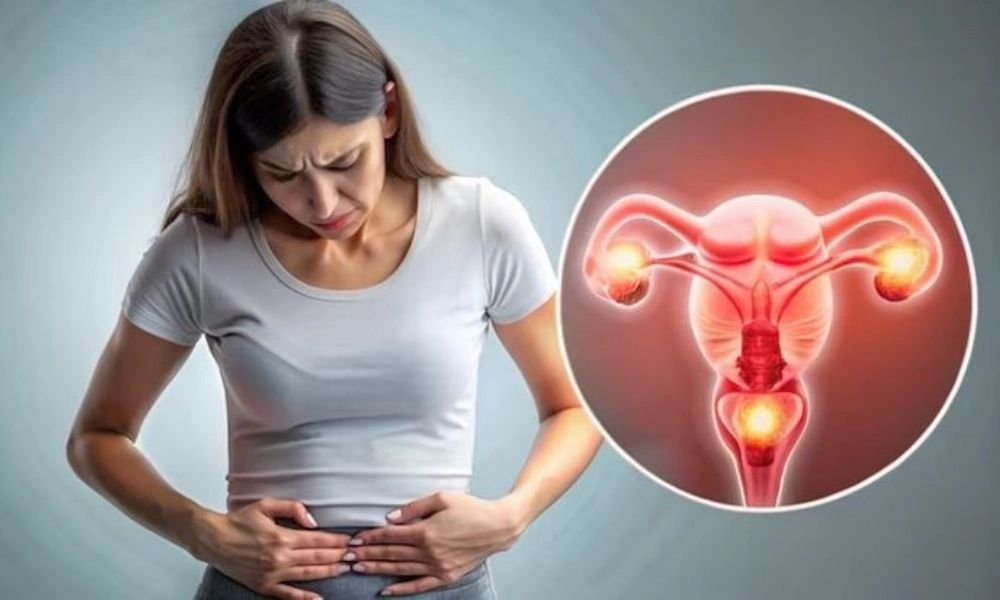
Women may experience fertility issues due to ovulation disorders, hormonal imbalance, PCOS, endometriosis, blocked fallopian tubes, thyroid disorders, or age-related fertility decline.
Irregular menstrual cycles, painful periods, and difficulty tracking ovulation may sometimes indicate underlying reproductive health concerns that require medical evaluation.
Male Fertility Problems
Male infertility is also very common and may involve low sperm count, poor sperm motility, abnormal sperm shape, hormonal imbalance, or lifestyle-related factors.
Smoking, alcohol, stress, obesity, and certain medical conditions can negatively affect sperm quality and fertility health in men.
Unexplained Infertility
In some cases, couples may receive normal test results even though pregnancy is not occurring naturally. This condition is called unexplained infertility.
Doctors may recommend lifestyle changes, ovulation monitoring, or assisted fertility treatments depending on the couple’s medical history and reproductive health evaluation.
First Steps Couples Should Take When Facing Infertility
Many couples delay fertility evaluation due to fear, confusion, or social pressure. However, early action can improve treatment outcomes significantly.
Track Menstrual Cycles and Ovulation
Women should monitor their menstrual cycles regularly to understand ovulation timing.
Irregular cycles may sometimes indicate hormonal imbalance, PCOS, thyroid disorders, or ovulation problems that require medical attention.
Understand Fertile Window Timing
The fertile window usually occurs a few days before and during ovulation.
Understanding this timing may improve the chances of natural conception for many couples.
Focus on Both Male and Female Fertility
Infertility is not only a woman’s health issue.
Male fertility problems, such as low sperm count, poor sperm motility, or hormonal imbalance, also contribute significantly to conception difficulties.
Schedule a Fertility Consultation Early
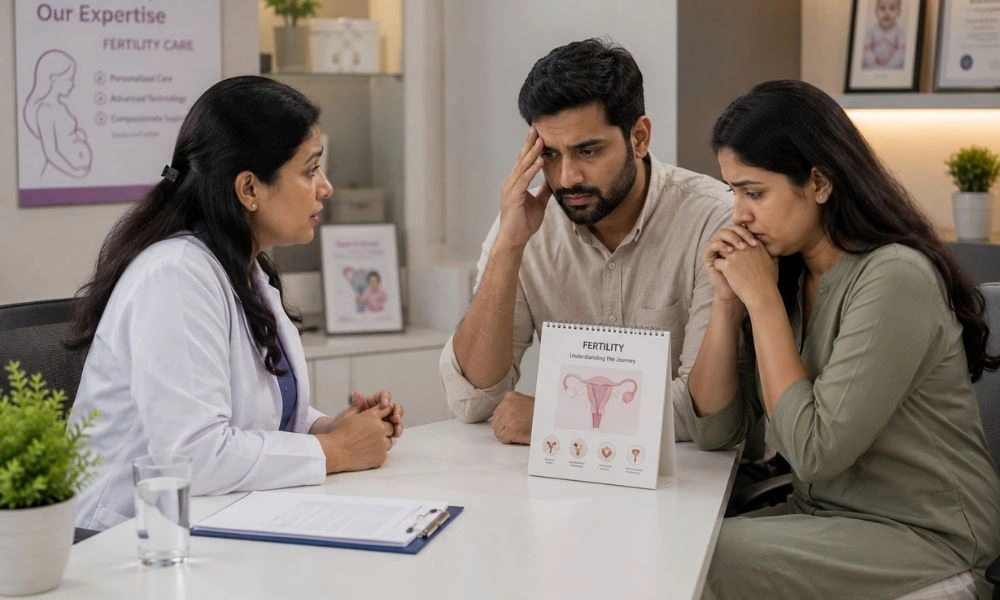
Couples should not delay medical advice if pregnancy is not happening naturally after the recommended time.
Early fertility evaluation helps identify underlying causes and improves treatment planning.
Important Fertility Tests Couples May Need
Doctors may recommend different fertility tests depending on symptoms and medical history.
Female Fertility Tests
Women may undergo tests to evaluate ovulation, hormone levels, fallopian tubes, and uterine health.
| Female Fertility Test | Purpose |
|---|---|
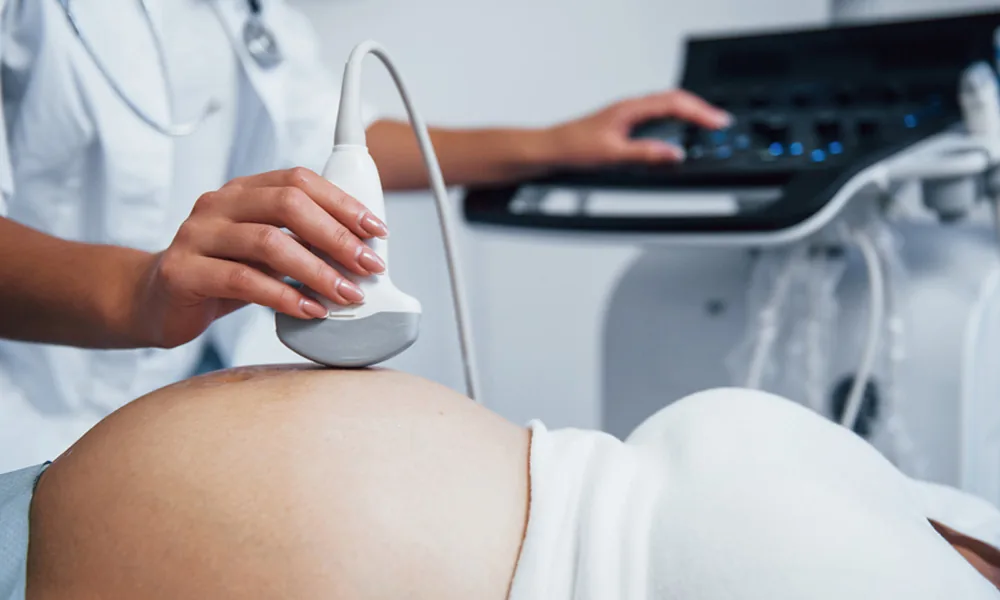
| Ultrasound scan | Examines the ovaries and uterus |
| Hormone tests | Evaluates reproductive hormones |
| Ovulation tracking | Confirms egg release |
| HSG test | Checks for fallopian tube blockage |
These tests help doctors understand reproductive health conditions affecting fertility.
Male Fertility Tests
Male fertility evaluation is equally important during infertility assessment.
| Male Fertility Test | Purpose |
|---|---|
| Semen analysis | Evaluates sperm health |
| Hormone tests | Measures testosterone levels |
| Ultrasound scan | Detects structural issues |
| Genetic testing | Identifies inherited conditions |
Early testing can help identify treatable fertility problems in men.
Lifestyle Habits That Affect Fertility
Daily habits can directly influence reproductive health in both men and women.
Stress and Emotional Health
Chronic stress may affect hormone balance and fertility.
Many couples experience emotional pressure during infertility, which may further impact mental well-being and relationships.
Unhealthy Diet and Obesity
Poor nutrition and unhealthy weight can affect ovulation, sperm quality, and hormone balance.
Balanced meals rich in protein, vitamins, antioxidants, and healthy fats support reproductive health.
Smoking and Alcohol
Smoking damages egg and sperm quality, while alcohol may affect hormone production.
Avoiding tobacco and limiting alcohol intake may improve fertility outcomes.
Poor Sleep and Sedentary Lifestyle
Lack of sleep and low physical activity may negatively affect metabolism and reproductive hormones.
Regular exercise and quality sleep support overall fertility health.
Signs Couples Should Not Ignore
Certain symptoms may indicate fertility-related health problems.
| Symptom | Possible Concern |
|---|---|
| Irregular periods | Ovulation problems |
| Painful periods | Endometriosis |
| Recurrent miscarriages | Hormonal or genetic issues |
| Erectile dysfunction | Male fertility problems |
| Low libido | Hormonal imbalance |
| Delayed conception | Fertility-related condition |
Recognizing these signs early may help couples seek timely treatment.
Fertility Treatment Options Available Today
Modern fertility treatments have helped many couples successfully conceive.
Ovulation Induction
Medications may help stimulate egg release in women with ovulation disorders.
IUI (Intrauterine Insemination)
IUI involves placing healthy sperm directly inside the uterus during ovulation.
It may be recommended for mild fertility issues.
IVF (In Vitro Fertilization)
IVF involves fertilizing eggs and sperm outside the body before transferring the embryo into the uterus.
It is commonly used for blocked tubes, low sperm count, advanced age, or unexplained infertility.
ICSI Treatment
ICSI is a specialized IVF procedure where a single sperm is injected directly into an egg.
This treatment is often used in severe male infertility cases. Doctors at Sai Speciality Center often advise couples to discuss all available fertility treatment options carefully before starting advanced procedures.
Emotional Impact of Infertility on Couples
Infertility can affect mental health, confidence, relationships, and emotional well-being.
Many couples experience anxiety, guilt, frustration, or social pressure during fertility struggles. Emotional support, counseling, and open communication between partners can help reduce stress during treatment.
Foods That May Support Fertility Health
| Food Type | Benefits |
|---|---|
| Fruits and vegetables | Rich in antioxidants |
| Nuts and seeds | Support hormone health |
| Whole grains | Improve energy balance |
| Eggs and fish | Provide protein and omega-3 |
| Dairy products | Support reproductive health |
| Leafy vegetables | Rich in iron and folate |
Healthy nutrition supports overall reproductive and hormonal health.
When Should Couples See a Fertility Specialist?
Couples should seek medical help if:
- Pregnancy has not occurred after one year
- The woman is above 35 years old
- There is a history of miscarriages
- Menstrual cycles are irregular
- Male fertility problems are suspected
- There are known reproductive disorders
Early medical guidance improves diagnosis and treatment success.
Final Thoughts
World Infertility Awareness Month reminds couples that infertility is a medical condition, not a personal failure. Fertility challenges are common, and many causes can be diagnosed and treated with timely medical care.
Understanding the first steps, maintaining healthy lifestyle habits, and seeking professional support early can help couples feel more confident during their fertility journey. Open conversations and awareness also help reduce stigma surrounding infertility.
FAQs
1. When should couples seek fertility testing?
Couples should consider a fertility evaluation after trying to conceive naturally for one year without success.
2. Can stress affect fertility?
Yes, chronic stress may affect reproductive hormones, ovulation, sperm quality, and overall fertility health.
3. Can male fertility problems cause infertility?
Yes, male fertility issues such as low sperm count or poor sperm motility contribute significantly to infertility cases.
4. What foods support fertility health?
Fruits, vegetables, nuts, seeds, whole grains, eggs, fish, and leafy greens may support reproductive health and hormone balance.
5. What is the difference between IUI and IVF?
IUI places sperm directly into the uterus, while IVF fertilizes eggs and sperm outside the body before embryo transfer.
6. Is infertility treatable?
Many infertility conditions can be managed or treated successfully with lifestyle changes, medications, or assisted reproductive treatments.