
May 21st, 2026
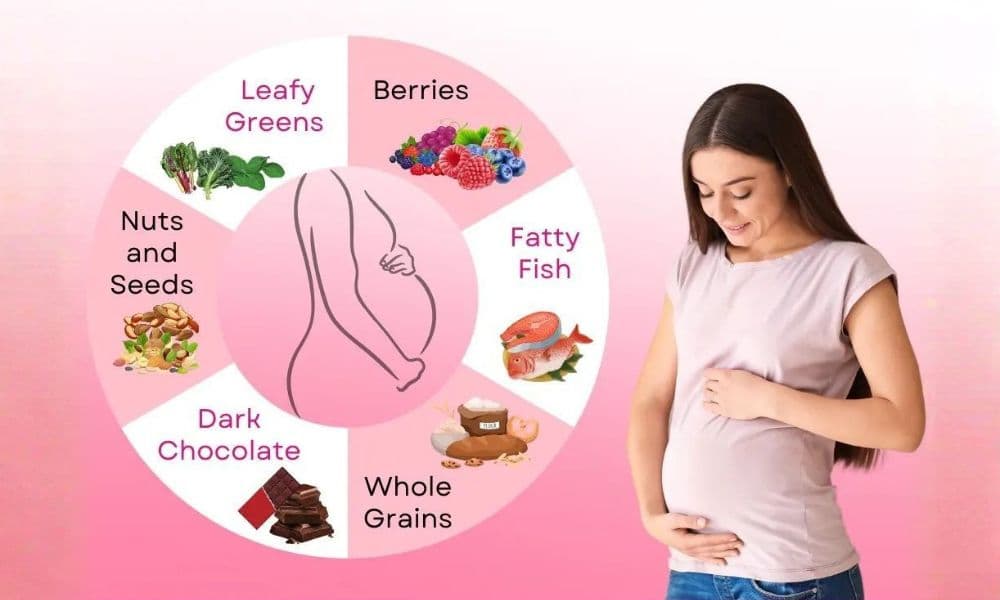
Preparing for embryo transfer is one of the most important stages in the IVF journey. Along with medications and medical care, nutrition also plays a major role in supporting implantation, hormone balance, and overall reproductive health.
A healthy IVF diet before embryo transfer can help improve energy levels, support the uterine lining, reduce inflammation, and prepare the body for pregnancy. Many fertility specialists in India recommend balanced nutrition, hydration, and healthy lifestyle habits during this phase. Experts at Sai Speciality Center also emphasize the importance of personalized nutrition and stress management during IVF preparation.
The body needs proper nutrients to support hormone production, egg quality, uterine health, and embryo implantation.
A nutritious diet may help improve blood circulation, maintain a healthy body weight, and reduce stress on the body during IVF treatment. While diet alone cannot guarantee pregnancy, healthy eating habits can support the body during fertility treatment.
Certain nutrients are especially important before embryo transfer because they support reproductive and hormonal health.
| Nutrient | Why It Matters | ||
|---|---|---|---|
| Protein | Supports cell growth and repair | ||
| Folic acid | Important for early pregnancy development | ||
| Iron | Supports blood circulation | ||
| Omega-3 fatty acids | Reduce inflammation | ||
| Calcium | Supports hormonal balance | Fiber | Helps digestion and gut health |
Including these nutrients regularly may help support overall fertility health.
A balanced Indian diet with fresh and nutrient-rich foods can help support the body during IVF treatment.
Protein helps support tissue repair and healthy cell development.
Include foods like eggs, paneer, curd, lentils, chicken, fish, tofu, and sprouts in daily meals. Protein also helps maintain energy levels during IVF medications and procedures.
Fruits and vegetables provide antioxidants, vitamins, and minerals that support reproductive health.
Leafy vegetables, carrots, beetroot, berries, oranges, pomegranate, and bananas are commonly recommended during IVF preparation.
Whole grains provide fiber and steady energy release.
Brown rice, oats, millets, quinoa, and whole wheat foods may help maintain blood sugar balance and improve digestion during IVF treatment.
Healthy fats support hormone production and reduce inflammation.
Include nuts, seeds, avocados, olive oil, flaxseeds, walnuts, and fatty fish in moderation as part of a balanced diet.
Milk, curd, yogurt, and paneer provide calcium and protein that support overall reproductive health.
Probiotic-rich curd and yogurt may also support gut health and digestion.
Proper hydration is important during IVF because medications may sometimes cause bloating or dehydration.
Drink enough water daily and include coconut water, soups, buttermilk, and fresh fruit juices without excess sugar.
Many traditional Indian foods can support fertility health naturally when prepared healthily.
| Indian Food | Possible Benefits | ||
|---|---|---|---|
| Moong dal | Rich in protein and easy to digest | ||
| Khichdi | Light and nutritious | ||
| Ragi | Good source of calcium and iron | ||
| Homemade curd | Supports digestion | ||
| Dry fruits | Provide healthy fats and minerals | Ghee in moderation | Supports energy levels |
Simple homemade meals are often easier to digest and healthier during IVF treatment.
Certain foods and habits may negatively affect overall health during IVF preparation.
Highly processed foods may increase inflammation and reduce nutritional quality in the diet.
Avoid packaged snacks, fast food, sugary desserts, and excessive fried foods.
Too much caffeine may affect sleep and increase stress levels.
Most fertility specialists recommend limiting coffee, energy drinks, and high-caffeine beverages during IVF treatment.
Alcohol and smoking can negatively affect fertility and pregnancy outcomes.
Avoiding both completely is usually advised during IVF preparation and pregnancy planning.
High sugar intake may affect insulin balance and overall hormonal health.
Limiting sweets, sugary drinks, and processed desserts can help maintain stable energy levels.
| Meal Time | Healthy Options | ||
|---|---|---|---|
| Early morning | Warm water with soaked almonds | ||
| Breakfast | Oats, eggs, fruits, or idlis with sambar | ||
| Mid-morning | Coconut water or fruit | ||
| Lunch | Brown rice, dal, vegetables, curd | Evening snack | Nuts, sprouts, or buttermilk |
| Dinner | Roti, paneer, soup, and vegetables | Before bed | Warm milk or an herbal drink |
This is only a general example. Individual diet plans may vary depending on health conditions and medical advice.
Healthy eating works best when combined with supportive lifestyle habits.
Stress management is important during IVF treatment because emotional stress may affect overall well-being.
Meditation, breathing exercises, light walks, and emotional support can help women stay calm during the IVF process.
Getting enough sleep supports hormone balance and overall body recovery.
Women undergoing IVF should aim for 7 to 8 hours of quality sleep regularly.
Crash diets or fasting can reduce energy levels and nutritional balance.
A stable and balanced diet is more beneficial during fertility treatment.
Light physical activity, such as walking or yoga, may improve blood circulation and reduce stress.
Heavy workouts or excessive physical strain should be avoided unless approved by a doctor. Women undergoing fertility treatment at Sai Speciality Center are often encouraged to follow balanced lifestyle habits along with medical care for better overall wellness during IVF.
Diet alone cannot guarantee IVF success, but healthy nutrition supports the body during treatment.
Balanced eating may help improve energy levels, support uterine health, reduce inflammation, and maintain overall hormonal balance. Following medical advice along with healthy lifestyle habits gives the body better support during embryo transfer.
Women with PCOS, thyroid disorders, diabetes, obesity, or digestive problems may benefit from personalized nutrition guidance during IVF treatment.
A fertility nutrition expert or doctor can create a diet plan based on medical history, treatment stage, and nutritional needs.
An IVF diet before embryo transfer should focus on balanced nutrition, hydration, and overall wellness rather than restrictive eating. Healthy food choices can support the body physically and emotionally during fertility treatment.
Simple Indian home-cooked meals, proper sleep, stress management, and regular medical guidance together can help women feel stronger and more prepared during their IVF journey.
1. What foods are best before embryo transfer?
Protein-rich foods, fruits, vegetables, whole grains, nuts, seeds, and healthy fats are commonly recommended before embryo transfer.
2. Can diet improve IVF success rates?
A healthy diet supports overall reproductive health, hormone balance, and uterine health during IVF treatment.
3. Is coffee allowed during IVF treatment?
Most doctors recommend limiting caffeine intake during IVF because excess caffeine may affect sleep and stress levels.
4. Should I avoid spicy food before embryo transfer?
Moderate spice intake is usually fine, but extremely oily or spicy foods may cause digestive discomfort in some women.
5. Which Indian foods are good during IVF?
Khichdi, dal, curd, ragi, fruits, vegetables, nuts, and homemade balanced meals are commonly recommended during IVF.
6. How much water should I drink during IVF?
Proper hydration is important during IVF, and most women are advised to drink enough fluids throughout the day unless medically restricted.

Dr. Kavitha Lakshmi Easwaran is a senior gynaecologist with over 28 years of experience, known for her patient-centric approach, clinical expertise, and commitment to supporting women’s health at every stage of life.
Regular antenatal care helps monitor the health of both mother and baby, identify potential concerns early, and prepare for a safer delivery with month-by-month guidance.
Read MoreUnderstand the complete pregnancy ultrasound scan timeline, including dating scans, NT scans, anomaly scans, and growth Doppler scans for expecting mothers.
Read MoreLearn what routine screenings, pelvic exams, Pap smears, ultrasound, and hormone tests are recommended during a comprehensive women's wellness checkup.
Read More