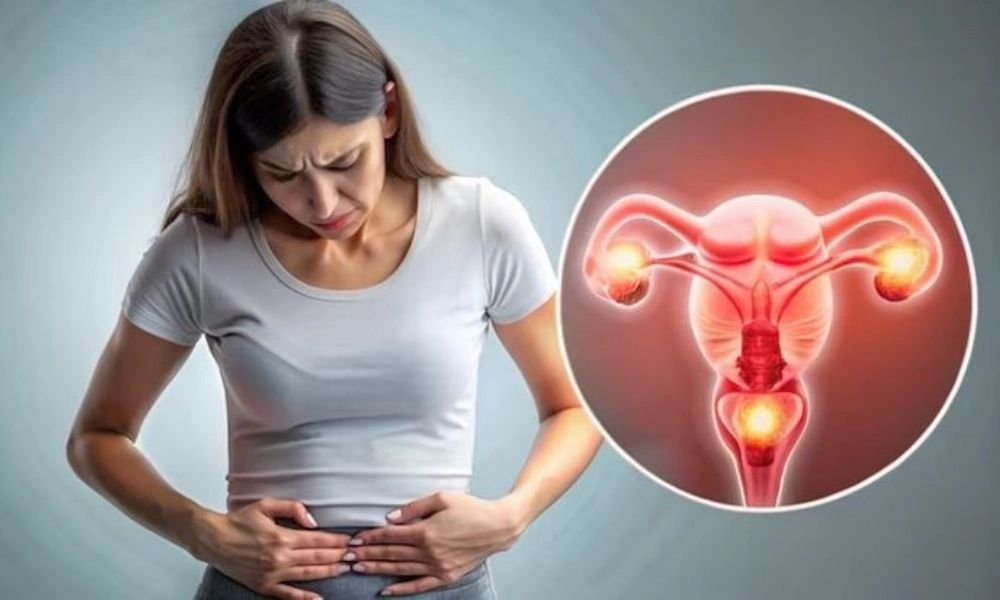
Vaginal Itching and Burning: Causes Beyond a Yeast Infection

Vaginal Itching and Burning: Causes Beyond a Yeast Infection
Vaginal itching and burning are common problems many women experience at some point in life. While yeast infections are often blamed first, they are not the only reason behind these uncomfortable symptoms. In many cases, irritation, hormonal imbalance, infections, allergies, or skin conditions may be the actual cause.
Ignoring persistent vaginal discomfort can affect daily life, sleep, confidence, and overall intimate health. Understanding the possible causes beyond a yeast infection can help women seek the right treatment early and avoid complications. Doctors at Sai Speciality Center often advise women not to ignore recurring vaginal irritation, especially when symptoms continue for several days.
What Causes Vaginal Itching and Burning?
Vaginal itching and burning happen when the vaginal tissues become irritated, inflamed, or infected.
These symptoms may appear suddenly or gradually and can range from mild irritation to severe discomfort. Some women may also notice redness, swelling, discharge, dryness, or pain during urination.
Common Symptoms That Should Not Be Ignored
Vaginal discomfort may appear along with other symptoms depending on the underlying cause.
| Symptom | What It May Indicate | ||
|---|---|---|---|
| Itching | Irritation or infection | ||
| Burning sensation | Inflammation or urinary issue | ||
| Unusual discharge | Infection or imbalance | Redness or swelling | Allergy or irritation |
| Pain during urination | UTI or vaginal infection | ||
| Vaginal dryness | Hormonal changes |
Recognizing these symptoms early can help women seek proper medical care.
Causes Beyond a Yeast Infection
Many vaginal conditions can cause itching and burning even without a fungal infection.
Bacterial Vaginosis (BV)
Bacterial vaginosis happens when the natural balance of vaginal bacteria gets disturbed.
Women with BV may notice itching, burning, thin discharge, and a strong fishy odor. Poor hygiene habits, multiple sexual partners, or excessive use of vaginal products may increase the risk.
Sexually Transmitted Infections (STIs)
Certain sexually transmitted infections can cause vaginal irritation and discomfort.
Infections like chlamydia, gonorrhea, herpes, and trichomoniasis may lead to itching, burning, abnormal discharge, pain, or sores. Early diagnosis and treatment are important to prevent complications.
Vaginal Dryness and Hormonal Changes
Hormonal imbalance can reduce natural vaginal moisture and cause irritation.
Women during perimenopause, menopause, breastfeeding, or after childbirth may experience vaginal dryness, burning, and discomfort due to lower estrogen levels.
Allergic Reactions and Irritation
Some personal care products can irritate sensitive vaginal tissues.
Scented soaps, vaginal sprays, detergents, sanitary pads, lubricants, tight clothing, and synthetic underwear may trigger itching or burning sensations.
Urinary Tract Infection (UTI)
A urinary tract infection may sometimes cause burning sensations around the vaginal area.
Women with UTIs may also experience frequent urination, pelvic discomfort, cloudy urine, or pain while passing urine.
Skin Conditions
Certain skin disorders can affect the vulva and surrounding areas.
Conditions like eczema, psoriasis, or lichen sclerosus may cause itching, redness, skin thickening, or irritation around the vaginal region.
Poor Vaginal Hygiene
Improper hygiene habits can disturb the natural vaginal environment.
Wearing damp clothes for long hours, excessive washing, or not changing sanitary products regularly may increase irritation and infection risk.
Difference Between Yeast Infection and Other Vaginal Problems
Many women assume all vaginal itching is caused by a yeast infection, but symptoms can differ.
| Condition | Common Symptoms |
|---|---|
| Yeast infection | Thick white discharge and itching |
| Bacterial vaginosis | Fishy odor and thin discharge |
| UTI | Burning during urination |
| Allergy | Redness and external irritation |
This comparison helps women understand why proper diagnosis is important.
Risk Factors for Vaginal Itching and Burning
Several lifestyle and health factors may increase the risk of vaginal irritation.
Diabetes
High blood sugar levels may increase the risk of infections and vaginal irritation.
Women with uncontrolled diabetes are more prone to recurring fungal and bacterial infections.
Antibiotic Use
Frequent antibiotic use may disturb healthy vaginal bacteria.
This imbalance can increase the risk of fungal infections and irritation.
Tight or Non-Breathable Clothing
Tight clothing and synthetic fabrics may trap moisture and heat.
This creates an environment where irritation and infections can develop more easily.
Stress and Poor Immunity
Chronic stress can weaken the immune system and affect hormonal balance.
Low immunity may increase vulnerability to infections and recurring vaginal discomfort.
How to Reduce Vaginal Itching and Burning Naturally
Simple lifestyle and hygiene changes may help reduce irritation and support vaginal health.
Maintain Proper Hygiene
Wash the vaginal area gently with water and avoid harsh soaps or scented products.
The vagina naturally cleans itself, so excessive washing or douching should be avoided.
Wear Breathable Cotton Underwear
Cotton underwear helps reduce moisture buildup and allows better airflow.
Avoid wearing tight clothing for long periods, especially during hot weather.
Stay Hydrated
Proper hydration supports urinary and vaginal health.
Drinking enough water may also help reduce irritation associated with dehydration or UTIs.
Eat a Balanced Diet
A healthy diet supports immunity and overall vaginal health.
Include probiotic-rich foods like curd and yogurt along with fruits, vegetables, and whole grains.
Avoid Self-Medication
Using antifungal creams without proper diagnosis may worsen symptoms if the cause is not a yeast infection.
Persistent itching or burning should always be medically evaluated. Specialists at Sai Speciality Center recommend proper diagnosis before starting any treatment to avoid unnecessary complications.
Foods That Support Vaginal Health
| Food Type | Benefits |
|---|---|
| Yogurt and curd | Support healthy bacteria |
| Fruits | Rich in antioxidants |
| Leafy vegetables | Support immunity |
| Whole grains | Improve digestion |
| Nuts and seeds | Provide healthy fats |
| Water-rich foods | Support hydration |
Balanced nutrition may help support the body’s natural defense against infections.
When Should You See a Doctor?
Women should consult a doctor if they experience:
- Severe itching or burning
- Foul-smelling discharge
- Pain during urination or intercourse
- Vaginal sores or swelling
- Fever or pelvic pain
- Recurring infections
- Symptoms lasting more than a few days
Early medical treatment helps identify the exact cause and prevents complications.
Can Vaginal Itching Be Prevented?
Many cases of vaginal irritation can be reduced with healthy hygiene habits and lifestyle changes.
Avoiding harsh products, maintaining proper hygiene, managing stress, controlling diabetes, and wearing breathable clothing may help lower the risk of recurring discomfort.
Final Thoughts
Vaginal itching and burning are not always caused by a yeast infection. Bacterial infections, hormonal changes, allergies, UTIs, and skin conditions can also lead to similar symptoms.
Ignoring these signs may worsen discomfort and delay proper treatment. Seeking medical advice early and maintaining good vaginal hygiene can help women protect their intimate health and overall well-being.
FAQs
1. Is vaginal itching always caused by a yeast infection?
No, vaginal itching may also be caused by bacterial infections, allergies, UTIs, hormonal changes, or skin conditions.
2. Can stress cause vaginal irritation?
Yes, chronic stress may weaken immunity and increase the risk of infections and hormonal imbalance.
3. What are the signs of bacterial vaginosis?
Fishy odor, thin discharge, itching, and burning are common symptoms of bacterial vaginosis.
4. Can hormonal changes cause vaginal burning?
Yes, low estrogen levels during perimenopause or menopause can cause dryness, itching, and burning sensations.
5. Which underwear is best for vaginal health?
Breathable cotton underwear is usually recommended because it reduces moisture buildup and irritation.
6. When should I see a doctor for vaginal itching?
Consult a doctor if symptoms are severe, recurring, associated with pain, discharge, or last for more than a few days.